Tam Elektrikli Enjeksiyon Kalıplama Makinesi Nedir ve Hidrolik Makineden Nasıl Farklıdır?
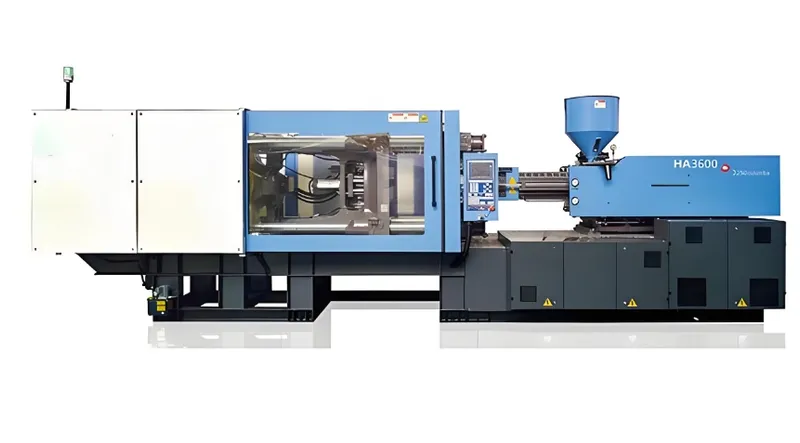
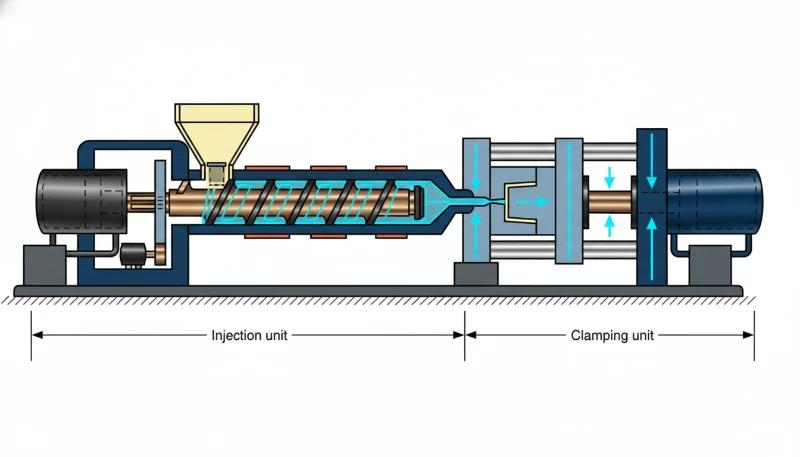
Tam elektrikli bir enjeksiyon kalıplama makinesi, hareketin her eksenini—enjeksiyon, plastikleştirme, kapatma, çıkarma ve arabası—geleneksel makinelerde kullanılan hidrolik silindirler ve pompalar yerine bağımsız, elektronik kontrollü servo motorlar kullanarak sürer. Hidrolik bir makinede, sürekli çalışan bir pompa sistem basıncını korur ve hidrolik valfler bu basıncı her bir fonksiyonu sırayla veya aynı anda harekete geçirmek için yönlendirir. Tam elektrikli bir makinede, her servo motor yalnızca kendi fonksiyonu gerektiğinde devreye girer, enerjiyi talep üzerine çeker ve yavaşlama sırasında rejeneratif frenleme ile kinetik enerjiyi geri kazanır. Bu temel mimari fark, elektrikli makinenin enerji tüketimi, hassasiyet, temizlik ve tekrarlanabilirlik konularındaki önemli avantajlarını sağlar.
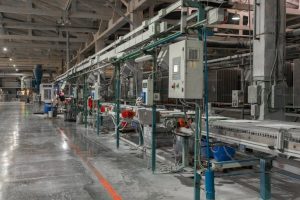
Fabrikamızda hem hidrolik hem de tam elektrikli makineleri çalıştırdık ve operasyonel farklar hemen göze çarpıyor. Elektrikli makineler daha sessiz—sürekli hidrolik pompa gürültüsü yok. Daha temizler—sızabilecek, değiştirilecek veya bertaraf edilecek hidrolik sıvısı yok. Daha hızlı başlarlar—hidrolik yağının ısınma süresi yok. Ve daha hassastırlar—servo pozisyon kontrolü, hidrolik valf kontrolünün asla karşılayamayacağı bir çözünürlük ve tekrarlanabilirlik sağlar. Doğru uygulamalar için elektrikli makine tartışmasız üstün bir teknolojidir. Sorun, uygulamanın daha yüksek başlangıç sermaye maliyetini haklı çıkarıp çıkarmadığıdır.
Tam Elektrikli Bir Makine Hidrolik Makineye Göre Ne Kadar Enerji Tasarrufu Sağlar?
Enerji tüketimi, tam elektrikli makinelerin en ölçülebilir ve en önemli avantajını sunduğu alandır. Geleneksel sabit deplasmanlı hidrolik pompa1, makinenin ihtiyacından bağımsız olarak sürekli tam hızda çalışır; bağlama, soğutma ve bekleme sırasında neredeyse tam debide pompalarken basınç tahliye valfleri fazla enerjiyi ısı olarak dağıtır. Bu son derece verimsizdir: hidrolik makineler yararlı bir iş yapmadıkları sırada bile tepe enerji tüketimlerinin %50–80’ini harcar. Buna karşılık elektrikli servo sürücüler yalnızca bir yükü hızlandırırken enerji çeker ve yavaşlatırken enerjiyi geri kazanır (rejeneratif frenleme). Çevrim süresinin %60–75’ini oluşturan soğutma sırasında elektrikli makineler yalnızca ısıtıcı bantlarını sıcak tutmak için gereken asgari gücü çeker.
Pratikte, hidrolik makineleri aynı ürünlerde aynı döngüleri çalıştıran elektrikli eşdeğerleriyle değiştirdiğimizde –70 enerji tasarrufu ölçtük. Tasarruflar, kısa döngüler çalıştırıldığında (soğutma süresinin oranının daha düşük ve makine hareketinin oranının daha yüksek olduğu) veya bir tesiste paylaşılan güç maliyetiyle birden fazla makine çalıştırıldığında katlanarak artar. Aşağıdaki tablo, makine tipleri arasında eşdeğer tonajdaki makineler için enerji tüketimi kıyaslamalarını gösteriyor:
| Makine Türü | Tepe Yükte Enerji | Soğutma Aşamasındaki Enerji | Yıllık Enerji Maliyeti* (3 vardiya, 250T) |
|---|---|---|---|
| Sabit Hidrolik | 22–28 kW | 18–24 kW | ~$18,000 |
| Değişken Hidrolik | 18–22 kW | 8–14 kW | ~$11,000 |
| Hibrit (servo-hidrolik) | 16–20 kW | 4–8 kW | ~$8,000 |
| Tam Elektrikli | 14–18 kW | 1–3 kW | ~$5,000 |
Elektrikli Makineler Hassasiyet ve Tekrarlanabilirlik Açısından Ne Gibi Avantajlar Sunar?
Elektrikli makinelerin hassasiyet avantajı, kapalı çevrim servo konum kontrolünün hidrolik valf kontrolüne göre temel üstünlüğünden kaynaklanır. Optik enkoderli bir servo motor, konumunu bir dönüş derecesinin küçük bir kesri hassasiyetinde bilir; bu da enjeksiyon vidası ve kapama ekseninde milimetre altı konum doğruluğuna dönüşür. Oransal valfli, bakımlı hidrolik sistemlerde bile yağ sıcaklığı değişimleri, valf aşınması ve basınç dalgalanmalarından kaynaklanan doğal değişkenlik vardır. Binlerce çevrim boyunca bu küçük değişimler, parça ağırlığını, ölçülerini ve kozmetik kalitesini etkileyen baskıdan baskıya tutarsızlığa dönüşür.
Elektrikli makinelerde optik kalitesinde polikarbonat kullanarak yaptığımız atış ağırlığı varyasyon ölçümleri ±0.02 g—kabaca atış ağırlığının %0.11’i—seviyesinde çıktı. Aynı kalıp hidrolik bir makinede benzer koşullarda ±0.08–0.12 g varyasyon gösteriyor. Boyutsal tutarlılığın kritik olduğu parçalarda—ince cidarlı optik bileşenler, hassas tıbbi cihaz parçaları, sıkı toleranslı konnektör yuvaları—bu tekrarlanabilirlik farkı, doğrudan daha yüksek verim oranlarına ve spesifikasyon dışı parça sayısının azalmasına yol açıyor. Aşağıdaki tablo makine tipleri arasındaki hassasiyet kıyaslamalarını gösteriyor:
| Performans Ölçütü | Sabit Hidrolik | Değişken Hidrolik | Tam Elektrikli |
|---|---|---|---|
| Baskı Ağırlığı Tekrarlanabilirliği (Cpk) | 1.0–1.3 | 1.2–1.5 | 1.8–2.5 |
| Kilitleme Konumu Doğruluğu | ±0.1–0.3 mm | ±0.05–0.15 mm | ±0.01–0.03 mm |
| Enjeksiyon Hızı Kontrolü | ±3–5% | ±2–3% | ±0.5–1% |
| Çevrim Süresi Tekrarlanabilirliği | ±0.5–1.0 sn | ±0.3–0.5 saniye | ±0.05–0.1 saniye |
“Tam elektrikli enjeksiyon kalıplama makineleri, büyük parçalar için yeterince yüksek kapatma kuvvetleri üretemez.”False
Elektrikli enjeksiyon kalıplama makineleri, 5,000 tona ve üzerine kadar bağlama kuvvetleriyle ticari olarak mevcuttur. Fanuc, Sumitomo Demag ve Engel dahil önde gelen makine üreticileri, ticari enjeksiyon kalıplama uygulamalarının tüm aralığını kapsayan tamamen elektrikli makineler üretmektedir. Büyük servo motorların ve bilyalı vida düzeneklerinin tork çıkışı, büyük otomotiv ve endüstriyel parçalar için gereken bağlama kuvvetlerini üretmeye tamamen yeterlidir.
“Tam elektrikli makineler hidrolik yağ kirliliği riskini ortadan kaldırarak, temiz oda ve gıda temaslı uygulamalar için vazgeçilmez hale getirir.”True
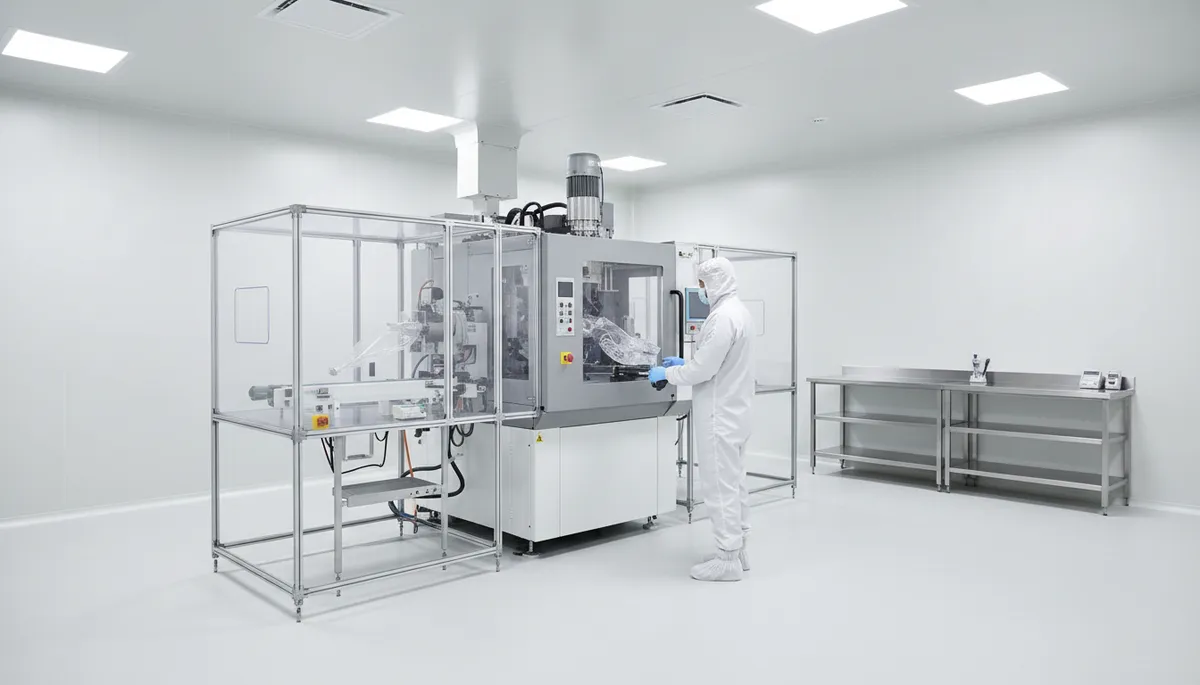
Hidrolik enjeksiyon makineleri, kalıbı, parçaları ve üretim ortamını kirletebilecek hidrolik yağ sızıntısı riski taşır. Tıbbi cihaz veya yarı iletken bileşen temiz odalarında ve kontaminasyonun düzenlemeye tabi olduğu gıdayla temas eden ürünlerin üretiminde bu risk kabul edilemez. Tam elektrikli makinelerin sisteminde hidrolik yağ bulunmaz; böylece bu kontaminasyon yolu tamamen ortadan kalkar ve temiz oda yeterlilik süreci basitleşir.
Tam elektrikli enjeksiyon kalıplama makineleri hangi uygulamalar için en uygundur?
Tam elektrikli makineler; hassasiyet, temizlik, enerji maliyeti veya gürültü seviyesinin başlıca kaygılar olduğu uygulamalar için açık ara doğru seçimdir. Tıbbi cihaz bileşenleri—şırıngalar, kateter göbekleri, ilaç verme cihazı muhafazaları—temiz oda ortamlarında yalnızca elektrikli makinelerin garanti edebildiği kontaminasyonsuz çalışmayı gerektirir. Lensler, ışık kılavuzları ve ekran panelleri dâhil optik bileşenler, yalnızca servo tahrikli enjeksiyon kontrolünün sağlayabildiği atıştan atışa tutarlılığı gerektirir. Tüketici elektroniği parçaları—konektör muhafazaları, düğme mekanizmaları, şeffaf ekran çerçeveleri—milyonlarca çevrim boyunca tutarlı kozmetik kalite sağlayan tekrarlanabilirlikten yararlanır. Kalıp boşluğunu donmadan önce doldurmak için hassas hız profillerinde son derece hızlı enjeksiyonun kritik olduğu ince cidarlı ambalajlar da elektrikli makinelerin güçlü olduğu bir başka alandır.
Elektrikli makinelerin daha az cazip olduğu alanlar; hidrolik veya hibrit makinelerin maliyet avantajı sunduğu çok büyük parçalar (2.000 tonun üzerindeki bağlama kuvvetleri) ile hassasiyet priminin ticari değere dönüşmediği, sağlam ve kritik olmayan parçaların standart üretimidir. Elektrikli makinelerdeki servo motor2 ve vidalı mil sistemleri kirli ortamlara karşı da daha hassastır: soğutma sıvısı kaçakları, metal talaşları ve aşındırıcı toz, hassas mekanik bileşenlere dayanıklı hidrolik silindirlerden daha hızlı zarar verebilir.
Elektrikli ve Hidrolik Makineler Arasındaki Toplam Sahip Olma Maliyeti Karşılaştırması Nedir?
Tam elektrikli bir makinenin başlangıç sermaye maliyeti, karşılaştırılabilir bir hidrolik makineden –40 daha yüksektir. Bu prim, makinenin ömrü boyunca işletme maliyeti tasarruflarıyla geri kazanılır. Yıllık 6.000–13.000 $ enerji tasarrufu (üç vardiya çalışan 250 tonluk bir makine için) primi 3–5 yılda geri kazandırır. Ek tasarruflar, ortadan kalkan hidrolik yağ ve filtre maliyetlerinden (makine başına yıllık 2.000–5.000 $), azalan soğutma suyu tüketiminden (hidrolik sistemler ek soğutma altyapısı gerektiren önemli miktarda ısı üretir) ve daha az aşınan bileşenden kaynaklanan daha düşük bakım maliyetlerinden—hidrolik contalar, valfler veya pompa bakımı yok—gelir. Tüm makine satın alma kararlarımızda toplam sahip olma maliyetini modelliyoruz ve yüksek kullanım gerektiren uygulamalar için elektrikli makineler, daha yüksek satın alma fiyatına rağmen sürekli olarak daha düşük 10 yıllık toplam maliyet gösteriyor.
Elektrikli makinelerin bakım profili de önemli ölçüde farklıdır. Vidalı miller3 ve servo sürücüler son derece güvenilirdir ancak düzenli yağlama ve sonunda değişim gerektirir. Vidalı millerin tipik 5–10 milyon çevrimlik değişim aralığı, yılda 500.000 çevrim yapan bir makinenin 10–20 yıl sonra vidalı mil bakımına ihtiyaç duyacağı anlamına gelir. Bu süre makinenin kullanım ömrü içindedir ancak bütçelenmesi gereken planlı bir maliyettir. Buna karşılık hidrolik keçeler, pompalar ve oransal valfler, özellikle yüksek görev çevrimli uygulamalarda daha sık bakım gerektirir.
“Tam elektrikli makineler, karmaşık servo elektroniği nedeniyle hidrolik makinelere göre bakımı daha pahalıdır.”False
Uygulamada tam elektrikli makinelerin toplam bakım maliyeti genellikle hidrolik makinelerden düşüktür. Hidrolik yağ değişimlerini (makine başına yılda $500–$2,000), hidrolik conta değişimlerini, pompa yenilemelerini ve valf bakımını ortadan kaldırırlar. Servo sürücüler ve bilyalı vidalar son derece güvenilirdir; arızalandıklarında yedek parçaları kolay bulunur ve emek yoğun sökümler hidrolik pompa revizyonlarına göre daha seyrektir.
“Tam elektrikli bir makine için –40'lık sermaye maliyeti primi, tipik olarak enerji ve bakım tasarruflarıyla 3–5 yıl içinde geri kazanılır.”True
Yüksek kullanım oranlı uygulamalarda (iki veya üç vardiyalı üretim), enerji tasarrufu ($6,000–$13,000/yıl), ortadan kalkan hidrolik sarf malzemeleri ($2,000–$5,000/yıl) ve azalan soğutma altyapısı maliyetlerinin birleşimi, elektrikli makine fiyat primini 3–5 yılda geri kazandırır. Geri ödeme sonrasında elektrikli makine, 15–25 yıllık hizmet ömrünün kalanında sürekli işletme maliyeti tasarrufu sağlamaya devam eder.
Tam Elektrikli Enjeksiyon Kalıplama Makineleri Hakkında Sık Sorulan Sorular
S: Tam elektrikli bir makine, hidrolik bir makineyle aynı malzemelerin tümünü işleyebilir mi?Evet. Tam elektrikli makineler tüm standart termoplastikleri, mühendislik polimerlerini ve yüksek performanslı özel reçineleri, yani hidrolik makinelerle aynı malzeme aralığını işler. Enjeksiyon ünitesi (kovan, vida, ısıtıcı bantlar) işlev bakımından aynıdır. Elektrikli makineler 2,500 bar’a kadar enjeksiyon basıncı ve ticari açıdan gerekli tüm enjeksiyon hızlarını üreterek tüm malzeme ve parça gereksinimlerini karşılayabilir.
S: Tam elektrikli makineler hidrolik makinelerden önemli ölçüde daha sessiz mi?Evet, önemli ölçüde. Sürekli çalışan pompalara sahip hidrolik makineler genellikle 70–80 dB (A) düzeyinde çalışır. Tam elektrikli makineler 60–65 dB (A) düzeyinde çalışır; desibel ölçeğinin logaritmik yapısı nedeniyle bu fark rakamların düşündürdüğünden çok daha büyük hissedilir. Çok makineli üretim ortamlarında bu gürültü azalması çalışma koşullarını önemli ölçüde iyileştirir ve operatörler ile teknisyenlerin yorgunluğunu azaltır.
S: Hibrit (servo-hidrolik) makineler tam elektrikli makinelerle nasıl karşılaştırılır?Hibrit makineler, sabit debili pompalar yerine servo kontrollü değişken deplasmanlı hidrolik pompalar kullanarak enerjiyi geleneksel hidrolik ile tam elektrikli arasında bir seviyeye düşürür. Tam elektrikliye göre daha düşük sermayeyle iyi verim sunar ve büyük tonaj uygulamalarında uygundur.
S: Elektrikli makinelerdeki bilyalı vidalar hangi bakımı gerektirir?Bilyalı vidalar periyodik yağlama (modern makinelerde genellikle otomatik yağlama sistemleri), bakım aralıklarında aşınma kontrolü ve yüke bağlı olarak 5–15 milyon çevrimden sonra nihai değişim gerektirir. Elektrikli makinelerimizde bilyalı vida kontrolünü 2 milyon çevrim aralıklarıyla planlarız. Değişim, acil arıza bakımı değil, parça tedarik süresi hesaba katılan planlı bakımdır; bu nedenle uygun önleyici bakım planlamasıyla yönetilebilir.
S: Tam elektrikli makineler, çok küçük parçaların mikro enjeksiyonla kalıplanmasına uygun mudur?Elektrikli makineler mikro enjeksiyon kalıplamada tercih edilir. Vida konumu çözünürlüğü milimetrenin yüzde biri düzeyinde olan servo kontrollü enjeksiyon hassasiyeti, baskı hacimleri gramın kesirleriyle ölçüldüğünde şarttır. Mikro enjeksiyon uzmanları bu nedenle neredeyse yalnızca elektrikli makine kullanır. Medikal kateterler, işitme cihazı bileşenleri ve mikroakışkan cihazlardaki gram altı baskılar yalnızca elektrikli makinelerin sağlayabildiği enjeksiyon kontrol hassasiyetini gerektirir.
S: Elektrikli ve hidrolik makinelerin çevrim süreleri nasıl karşılaştırılır?Tam elektrikli makineler çeşitli nedenlerle genellikle hidrolik makinelerden daha hızlı toplam çevrim sürelerine ulaşır: servo tahrikli kapama hareketi hidrolik hareketten daha hızlı ve daha hassas kontrol edilebilir; eş zamanlı çok eksenli hareketin (önceki baskı çıkarılırken enjeksiyon) servo kontrolörlerle koordinasyonu daha kolaydır; konum hedeflerine daha hızlı ve tutarlı tepkiler de her aşamadaki yerleşme süresini azaltır. Tipik 30 saniyelik bir hidrolik çevrimde, iyi optimize edilmiş bir elektrikli makine 25–28 saniyeye ulaşabilir; bu, çevrim süresinde %7–17 azalma demektir.
Özet
Tam elektrikli enjeksiyon kalıplama makinesi, geleneksel makinelerin hidrolik sistemlerini her eksende bağımsız servo motor sürücüleriyle değiştirerek üç dönüştürücü avantaj sunar: ihtiyaca göre güç tüketimi ve rejeneratif frenleme sayesinde %50–70 enerji tasarrufu, milimetre altı tekrarlanabilirliğe sahip kapalı çevrim servo konum kontrolüyle çok daha yüksek hassasiyet ve hidrolik yağ bulaşma riski olmadan temiz oda uyumlu çalışma. Hidrolik makinelere göre %20–40’lık ilk yatırım farkı genellikle enerji ve bakım tasarruflarıyla 3–5 yılda geri kazanılır; bu da elektrikli makineleri hassas parçaların yüksek kullanım oranlı üretiminde toplam sahip olma maliyeti bakımından üstün seçenek yapar. Fabrikamızda performans avantajlarının yatırımı haklı çıkardığı tıbbi cihaz, optik ve hassas tüketici elektroniği üretimlerinde tam elektrikli makineler kullanıyoruz. Hassasiyet ve temizliğin kritik olduğu uygulamalarda tam elektrikli makine artık üst sınıf bir seçenek değil, standarttır. Kapsamlı bir genel bakış için Enjeksiyon Kalıplama Eksiksiz Kılavuzumuza bakın. Kapsamlı bir genel bakış için Enjeksiyon Kalıplama Eksiksiz Kılavuzumuza bakın.
-
Hidrolik Pompa: Elektrik motorundan gelen dönme gücünü basınçlı hidrolik akışına dönüştüren mekanik aygıttır; geleneksel enjeksiyon kalıplama makinelerinde hidrolik pompa, yön kontrol valfleri aracılığıyla bağlama, enjeksiyon ve çıkarma işlevlerini harekete geçirmek için sistem basıncını sürekli korur. ↩
-
Servo Motor: Bir kodlayıcıdan alınan elektronik geri bildirimle kapalı çevrim konum, hız ve tork kontrolü sağlayan döner veya doğrusal aktüatördür; servo motorun hassasiyeti ve ihtiyaca göre enerji verimliliği, onu tam elektrikli enjeksiyon kalıplama makinelerinin temel tahrik teknolojisi yapar. ↩
-
Vidalı Mil: Servo motordan gelen dönme hareketini helisel bir kanal içinde devridaim yapan bilyalı rulmanlar aracılığıyla doğrusal harekete dönüştüren hassas mekanik doğrusal aktüatördür; elektrikli enjeksiyon makinelerindeki vidalı miller, enjeksiyon, bağlama ve çıkarma eksenlerini yüksek verim ve konum hassasiyetiyle hareket ettirir. ↩
ZetarMold mühendislik ekibinden rekabetçi fiyat, DFM geri bildirimi ve üretim zaman çizelgesi alın.