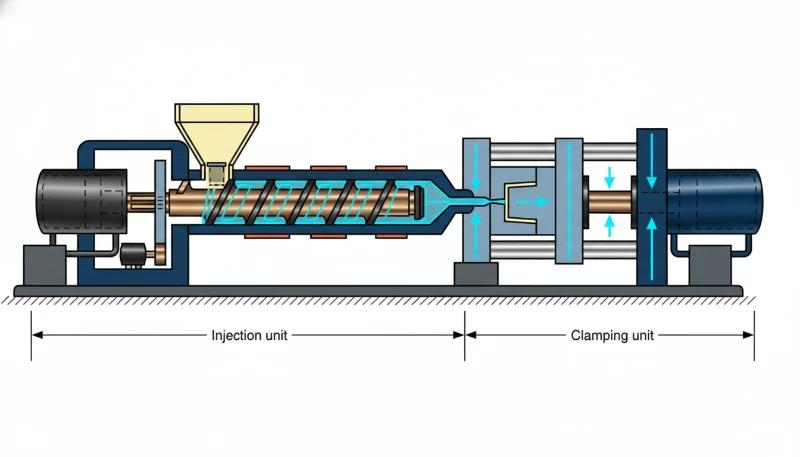
- Bu listedeki Bangladeşli tedarikçiler sağlık, enjeksiyon kalıplama ve hassas endüstriyel kalıplama programlarını kapsar.
- Kısa liste oluştururken RFQ verilmeden önce enjeksiyon kalıbı tasarım sorumluluğu, doğrulama disiplini ve iletişim hızı karşılaştırılmalıdır.
- Yalnızca kalıp kapasitesi yeterli değildir; alıcılar ayrıca belgelenmiş kalite kontrolüne ve T1 sonrası değişiklik yönetimine ihtiyaç duyar.
- Kapasite, maliyet veya ikincil işlemler önemli olduğunda Zetar gibi denizaşırı bir tedarikçi yerel satıcılarla birlikte karşılaştırılabilir.
- Devreye alma riskini ve ticari sürprizleri azaltmak için nihai tekliften önce bir tedarikçi bulma kontrol listesi kullanın.
Bangladeş, ilaç, ambalaj ve hazır giyim aksesuarları sektörlerinden gelen talebin desteğiyle Güney Asya’da enjeksiyon kalıplama1 için bölgesel bir merkez hâline geliyor. Güney Asyalı ve Çinli tedarikçileri değerlendiren alıcılarla deneyimimizde karar, yalnızca coğrafyadan çok takım yetkinliği, kalite belgeleri ve geliştirme hızına dayanır. Ülkenin plastik sektörü, iç tüketim artışı ve kademeli ihracat kapasitesi sayesinde son on yılda yılda yaklaşık %12-15 büyümüştür.
Bangladeş’in Enjeksiyon Kalıplama Pazarı Nasıl Görünüyor?
Bangladeş’in enjeksiyon kalıplama pazarı, ülkenin takım ve kalıplama kapasitesinin büyük bölümünün yoğunlaştığı Dakka ve Chittagong merkezlidir. Sektörün 2024’te tahmini USD 3.5 billion üretim değeri oluşturduğu ve enjeksiyonla kalıplanmış bileşenlerin bunun yaklaşık 40% bölümünü oluşturduğu hesaplanmaktadır. Başlıca uygulama segmentleri arasında ilaç şişeleri ve kapakları, gıda ambalajları, elbise askıları ve polietilen torbalar, tüketici elektroniği muhafazaları ve otomotiv satış sonrası parçaları bulunur.
Daha geniş bir bakış için enjeksiyon kalıplama eksiksiz rehberimiz süreç temellerini, malzeme davranışını ve üretim kararlarını kapsar.
Bangladeşli kalıpçıların çoğu iç pazara hizmet veren OEM veya sözleşmeli üreticiler2 olarak çalışır; ancak giderek daha fazlası ihracat sertifikaları ve uluslararası kalite standartları edinmektedir. Çoğu, küçük ve orta boy parçalar için uygun 80T-500T makineler kullanır ve Çin, Japonya ile Tayvan’dan ithal takım çeliği, sıcak yolluk sistemleri ve hassas kalıp bileşenlerine dayanır. Takım tasarımı yetkinliği büyük ölçüde değişir: az sayıda tedarikçi kalıpları kendi bünyesinde üretirken çoğu enjeksiyon kalıbı imalatını Çinli veya Hintli takım atölyelerine yaptırır.
"Bangladesh plastik sektörü yıllık 12-15pct büyüdü"True
İlaç, ambalaj ve RMG aksesuarlarına yönelik iç talep, 2015'ten beri kapasitenin istikrarlı biçimde genişlemesini sağladı.
"Bangladeş'teki tüm enjeksiyon kalıplama şirketleri ISO sertifikalı kalite sistemleriyle çalışır"False
Bazı büyük ihracatçılar ISO sertifikalarına sahip olsa da Bangladeşli kalıpçıların çoğu, resmî kalite sistemi akreditasyonu olmadan iç pazara hizmet verir.
Bangladeş’in Enjeksiyon Kalıplama Sektörünü Hangi Eğilimler Şekillendiriyor?
Çeşitli eğilimler Bangladeş’te enjeksiyon kalıplamanın işleyişini yeniden şekillendiriyor. İlk olarak, farmasötik ambalaj uyumu kalıpçıları temiz oda uyumlu makinelere ve ISO 13485 ile uyumlu proses kontrollerine yatırım yapmaya yöneltiyor. İlaç İdaresi Genel Müdürlüğü (DGDA) artık tüm farmasötik ambalaj tedarikçilerinin GMP standartlarını karşılamasını şart koşuyor; bu da onlarca küçük kalıpçıyı ya tesislerini yükseltmeye ya da farmasötik tedarik zincirinden çıkmaya zorladı.
İkinci olarak, hazır giyim sanayisinin geriye dönük bağlantı yatırımları büyüyor. Bangladeş dünyanın ikinci büyük hazır giyim ihracatçısıdır; askı, düğme, fermuar ucu ve ambalaj bileşenlerini Çin’den ithal etmek yerine ülke içinde üretme yönelimi, hassas enjeksiyon kalıplamaya sürekli talep oluşturmuştur. Bangladesh Garment Manufacturers and Exporters Association (BGMEA), bu bileşenlerin yerel tedarikinin sektöre yıllık USD 200 milyon ithalat maliyeti tasarrufu sağlayabileceğini tahmin ediyor.
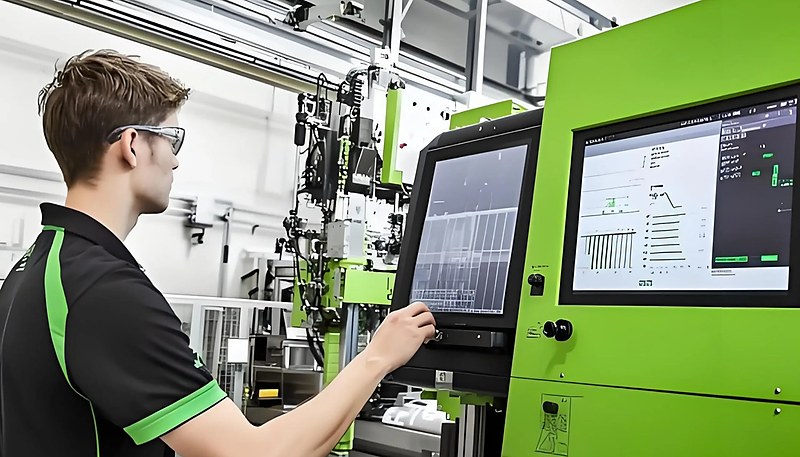
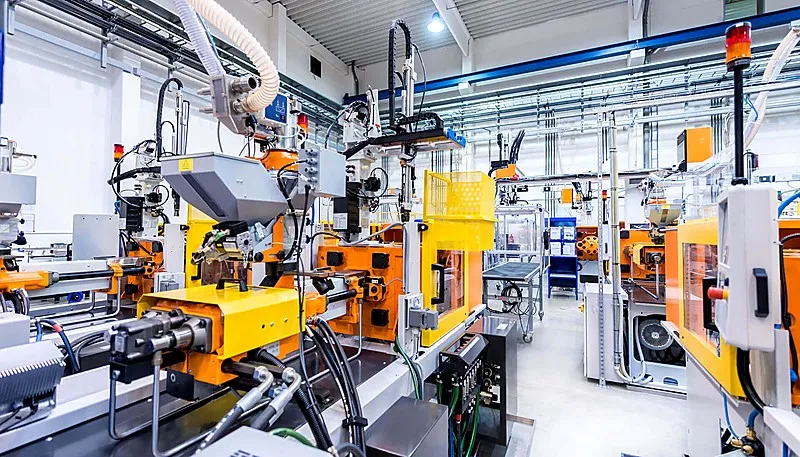
Üçüncüsü, büyük tesislerde otomasyon kullanımı hızlanıyor. Servo tahrikli kalıplama makineleri, robotik parça çıkarıcılar ve gerçek zamanlı süreç izleme, ihracata yönelik fabrikalarda giderek yaygınlaşıyor. Dördüncüsü, Avrupalı ve Kuzey Amerikalı alıcılar tedarikçi bulma ölçütlerine sürdürülebilirlik şartları ekledikçe biyobazlı ve geri dönüştürülmüş içerikli reçineler dâhil sürdürülebilir malzeme alternatifleri ilgi görüyor.
"Bangladeş hazır giyim sektöründeki geriye dönük bağlantı yatırımları, hassas enjeksiyon kalıplama için yeni talep oluşturuyor"True
BGMEA, hazır giyim bileşenlerinin yerel tedarikinin ithalat maliyetlerinde yılda USD 200 milyon tasarruf sağlayabileceğini tahmin ediyor.
"Bangladeş enjeksiyon kalıplamasındaki otomasyon, Çin fabrikalarıyla şimdiden aynı düzeye ulaştı"False
İhracata yönelik Bangladeş tesisleri servo makineler ve robotlar ekliyor olsa da genel otomasyon oranı, köklü imalat ülkelerinin oldukça gerisindedir.
Bangladeş’te Enjeksiyon Kalıplama Tedarikçisi Nasıl Seçilir?
Doğru yaklaşım, tedarikçileri üç boyutta değerlendirmektir: takım yetkinliği, kalite kanıtı ve ihracata hazırlık. Kalıpları kendi bünyelerinde mi tasarlayıp ürettiklerini, yoksa üçüncü taraf bir takım atölyesine mi verdiklerini sorun. Şirket içi takım üretimi tasarım değişikliklerinde daha hızlı yineleme, kalıp bakımında açık sorumluluk ve çelik spesifikasyonu üzerinde daha iyi kontrol sağlar. Dış kaynak kullanılıyorsa kalıp tasarımını kimin onayladığını, T1 numunesinden sonraki değişiklikleri kimin ödediğini ve üretimler arasında depolama ile bakımın nasıl yönetildiğini netleştirin. ISO 90013 sertifikalı kalite sistemine sahip tedarikçiler bu belgeleri genellikle daha güvenilir yönetir.
ISO sertifikalarının, proses akış şemalarının, kontrol planlarının ve güncel boyutsal kontrol kayıtlarının kopyalarını isteyin. Fabrikamızda, malzeme lotu sapmalarını üretim sahasına ulaşmadan yakalayan belgelenmiş bir giriş malzeme kontrol protokolü uyguluyoruz. İyi üretim sonuçlarının en güvenilir göstergesi, fabrikanın benzer bir parça programına ait bu belgeleri talep üzerine aceleyle derlemek zorunda kalmadan sunabilmesidir. Düzenlemeye tabi sektörler için izlenebilirlik belgelerini de sorun.
Temel Değerlendirme Ölçütleri
Kalite sistemi kanıtı. ISO sertifikalarının, süreç akış şemalarının, kontrol planlarının ve güncel ölçüsel denetim kayıtlarının kopyalarını isteyin. Benzer bir parça programı için bu belgeleri sunabilen bir tedarikçinin, yalnızca makine broşürü gösteren birine göre tekrarlanabilir sonuç verme olasılığı daha yüksektir. Düzenlemeye tabi sektörlerde gelen malzeme denetim protokolünü ve izlenebilirlik belgelerini de sorun.
İletişim ve ihracata hazırlık. Yanıt hızını, İngilizce yeterliliğini ve ihracat belgeleri deneyimini değerlendirin: ticari faturalar, paketleme listeleri ve menşe belgeleri. Sınır ötesi kalıplama programlarında iletişim eksiklikleri, teknik yetkinlik açıklarından daha fazla gecikmeye neden olur. En az 12 ay üretim yürütmüş uluslararası alıcılardan referans isteyin.
Makine tonaj aralığının parça boyutunuza uyduğunu, yıllık hacmin üretim programlarına uygun olduğunu ve montaj, boyama, tampon baskı veya ultrasonik kaynak gibi ikincil operasyonların şirket içinde bulunup bulunmadığını doğrulayın. Bir tedarikçi kritik ikincil adımları taşerona verdiğinde alıcıların teslim süresine etkisini hafife aldığını gördük; bu durum çoğunlukla ilk teklifteki birim fiyat avantajını ortadan kaldıran kalite değişkenliği ve program belirsizliği doğurur.
"RFQ verilmeden önce proses akış şemaları ve boyutsal ölçüm kayıtlarının istenmesi, makine sayılarını karşılaştırmaya göre üretim başarısını daha iyi öngörür"True
Dokümantasyon disiplini, bir tedarikçinin tekrarlanabilir bir üretim sistemi işletip işletmediğini veya siparişleri tek seferlik işler olarak ele alıp almadığını gösterir.
"Modern enjeksiyon makinelerine sahip bir tedarikçinin kalite kontrolü otomatik olarak iyidir"False
Makinenin yaşı tek başına proses disiplinini göstermez; muayene protokolleri, düzeltici faaliyet iş akışları ve tutarlı dokümantasyon kanıtı gerekir.
Bangladeş’teki En İyi 10 Enjeksiyon Kalıplama Şirketi Hangileridir?
İlk 10 şirket, yetkinliklerine ve sektörel odaklarına göre aşağıda listelenmiştir. Bunlar; makine yelpazesi, sektör odağı, ihracata hazırlık ve faaliyet süresi bakımından değerlendirilen Bangladeş’in en yetkin enjeksiyon kalıplama işletmeleridir.
1. Güney Asya Grubu
Konum: Dakka, Bangladeş | Kuruluş: 1983 | Çalışanlar: 100-199 | Ana Ürünler: PET şişeler, preformlar, kapaklar, farmasötik kaplar, tarımsal kaplar
South Asia Trading and Plastic Industries, Bangladeş’te en hızlı büyüyen plastik şirketlerinden biridir. Enjeksiyon kalıplama makineleri için yardımcı parçaların yanı sıra enjeksiyon kalıplama hizmetleri de sunar. Şirket ayrıca CNC ve şişirme kalıplama makineleri ithal eder; kaplar, şişeler, kapaklar, preformlar ve çeşitli plastik çözümler dahil ilaç, yiyecek-içecek ve tarım ürünleri üretir. South Asia Group, enjeksiyon kalıplı ürünlerini dünya genelinde ihraç eder ve Bangladeş pazarının önde gelen plastik çözüm sağlayıcılarından biri olarak tanınır.
2. Azad Endüstri
Konum: Dhaka, Bangladesh | Kuruluş: 1964 | Çalışan Sayısı: 100-199 | Başlıca Ürünler: Enjeksiyon kalıpları, şişirme kalıpları, termoform kalıpları, vakum döküm kalıpları, basınçlı döküm kalıpları
1964 yılında kurulan Azad Industries, Bangladeş’in en köklü kalıp üreticilerinden biridir. Şirket, 2001’den beri müşteri gereksinimlerine uygun yüksek kaliteli kalıp çeliği kullanarak büyük ve orta boy hassas otomatik plastik enjeksiyon ve şişirme kalıpları üretmektedir. Fabrika, deneyimli teknisyenlerle ve elli yılı aşan kalıpçılık tecrübesiyle faaliyet göstermektedir. Misyonları profesyonel, güvenilir ve yaratıcı bir kalıp üreticisi olmaktır. Sürekli iyileştirme ve modern yönetim sistemleriyle sıfır hata hedeflerler.
3. Baly Group
Konum: Dhaka, Bangladesh | Kuruluş: 1978 | Çalışanlar: 250+ | Ana Ürünler: Enjeksiyon kalıplı plastik askılar, PE/PP/BOPP baskılı ve baskısız polietilen giysi torbaları
Baly Group, 1978 yılında ayakkabı imalatıyla faaliyete başladı ve hazır giyim aksesuarları sektörü için plastik enjeksiyon kalıplamaya genişledi. Baly Plastic Industry and Integrated Solutions Ltd, Bangladeş’teki ve yurt dışındaki hazır giyim üreticilerine satılan enjeksiyonla kalıplanmış plastik askılar ve çeşitli PE/PP/BOPP hazır giyim poşetleri üretir. Şirket, esnek ve yalın üretimi harmanlayan bir modelle faaliyet gösterir, 250’den fazla işçi ve 30 yönetim personeli istihdam eder ve uluslararası reçine tedarik stratejileriyle rekabetçi bir maliyet konumu elde eder.
4. BUZZTECHBD Corporation
Konum: Dhaka, Bangladesh | Kuruluş: 1988 | Çalışanlar: 50-99 | Ana Ürünler: Enjeksiyon kalıplama ürünleri ve hizmetleri
BUZZTECHBD Corporation, üretimden önce numune onayı iş akışıyla müşteriye özel enjeksiyon kalıplama hizmetleri sunar. Reçineyi Kore, Malezya, Suudi Arabistan, Dubai, Tayvan ve Tayland’daki tedarikçilerden temin eder. Şirket, seri üretim için yurt dışı temsilcileri devreye almadan önce numune teyidini içeren yapılandırılmış bir onay süreciyle nihai ürünlerin müşteri spesifikasyonlarına tam olarak uymasını sağlamaya odaklanır.
5. OP-SEED CO., (BD) LTD
Konum: Chittagong, Bangladeş | Kuruluş: 1997 | Çalışanlar: 50-99 | Ana Ürünler: Plastik enjeksiyon kalıpları, LED ürünleri
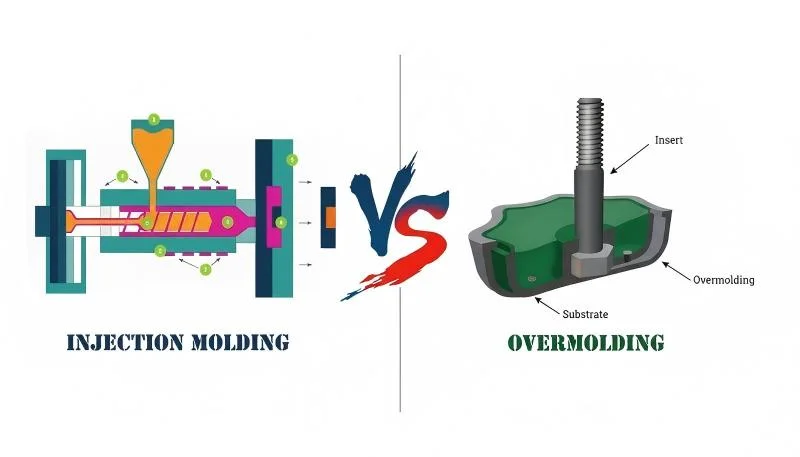
OP-SEED; enjeksiyon kalıplama, kalıp bağlama, tel bağlama, transfer kalıplama, dilimleme, test işlemleri ve bantlama proseslerini kapsayan tam entegre bir üretim sistemine yatırım yapmıştır. Tesislerinde LED içeren ürünler için temiz oda üretiminin yanı sıra silikon kalıplama ve plastik enjeksiyon makineleri bulunur. Yüksek değerli uygulama ürünleri üretmek için tam çoklu otomasyon hatlarıyla Yüzeye Montaj Teknolojisi (SMT) kullanırlar.
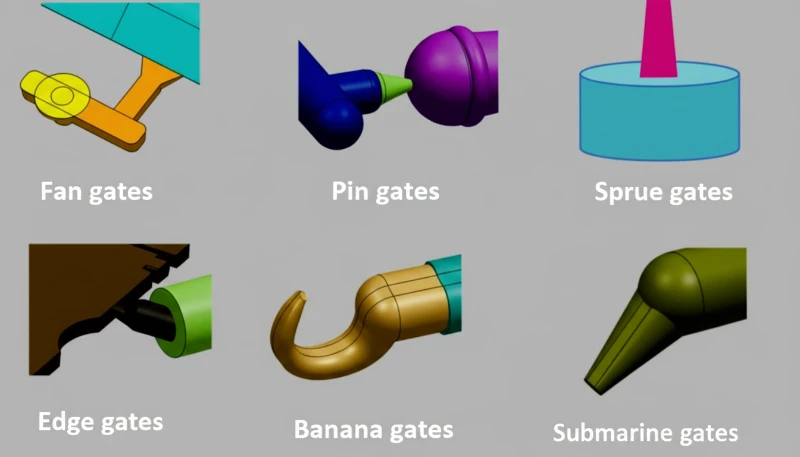
6. Stern Companies, Inc.
Konum: Dakka, Bangladeş | Kuruluş: 1995 | Çalışanlar: 50-99 | Başlıca Ürünler: Enjeksiyon kalıplama, şişirme kalıplama, montaj hizmetleri
Stern Companies, modern üretim tesisleri ve kapsamlı bir sertifikalı tedarikçi tabanı yoluyla değer sunan, kalite odaklı bir küresel tedarik ve üretim uzmanıdır. Tek bir tedarik kaynağı olarak hizmet vererek satın alma, kalite yönetimi ve mühendislik faaliyetlerinde tasarruf sağlar. Hızlı hizmet ve yenilikçi çözümlere bağlılıkları, müşterilerin pazarda rekabet edebilmek için ihtiyaç duyduğu verimliliği ve ürün kalitesini sunmaya odaklanır.
7. Polimiks
Konum: Dakka, Bangladeş | Kuruluş: 2009 | Çalışan Sayısı: 50-99 | Ana Ürünler: Özel plastik enjeksiyon kalıpları, plastik ve kauçuk kimyasalları
Polymix; plastik ve kauçuk malzemeler, kâğıt ürünleri, kimyasallar, endüstriyel makineler ve kalıplar için temsilci ve distribütör olarak hizmet veren lider bir pazarlama, sipariş aracılığı ve ticaret şirketidir. Yerel sanayilere alım satım yapar ve giderek daha seçici hâle gelen pazarın taleplerini karşılamak için küresel eğilimleri sürekli izler. Amacı, müşterilerine rekabetçi fiyatlarla dünya standartlarında ürünlere dayalı hazır çözümler sunmaktır.
8. Longla Polimerler
Konum: Dhaka, Bangladesh | Kuruluş: 2001 | Çalışan Sayısı: 50-99 | Ana Ürünler: Enjeksiyon kalıplama, şişirme kalıplama, kozmetik şişe üretimi
Longla Polymers; esnek ambalaj, dökme yük çuvalı üretimi, tıbbi plastikler ve ambalaj ile enjeksiyon kalıplama, şişirme kalıplama ve kozmetik şişe üretimine yönelik teknik hassas kalıp mühendisliğinde anahtar teslim çözümler sunar. Malzeme yelpazesinde MMC bileşikleri, UMC bileşikleri, HDPE, LDPE, PP ve PVC’nin yanı sıra özgün endüstriyel ve petrokimyasal çözümler bulunur.
9. A&I Limited
Konum: Dakka, Bangladeş | Kuruluş: 2014 | Çalışanlar: 50-99 | Ana Ürünler: Farmasötik PET şişeler, HDPE şişeler, damlalıklı şişeler, plastik kapaklar
A&I Limited; farmasötik PET şişeler, tarımsal PET şişeler, HDPE şişeler, kuru şurup şişeleri, plastik kapaklar ve damlalıklı şişelerin önde gelen üretici ve tedarikçilerinden biri olarak tanınır. Ürünleri, müşterilerin hacim gereksinimlerini karşılamak için farklı boyut, tasarım ve renklerde sunulur. Tasarım ve üretimin deneyimli uzmanlarca yürütülmesi sayesinde ürünleri kusursuz yüzeyleri, çizilme ve ısı direnci sağlayan dayanıklılıkları ve çekici tasarımlarıyla takdir edilir.
10. Habib Industries Ltd. şirketi
Konum: Dakka, Bangladeş | Kuruluş: 2007 | Çalışanlar: 50-99 | Ana Ürünler: Enjeksiyon kalıplama, şişirme kalıplama, sıkıştırma kalıplama, levha ekstrüzyonu, vakum şekillendirme
Habib Industries; PET preformlar, şekerleme ve gofret kavanozları, ilaç şişeleri, kozmetik şişeleri, pestisit şişeleri, meyve suyu şişeleri, su şişeleri, süt ürünü şişeleri, yemeklik yağ şişeleri, tepsiler, kutular ve kapaklar üretir. Mühendislik ve takım departmanları, farklı üretim proseslerinde konseptten üretime uzanan altı adımlı bir süreç boyunca müşterilerle çalışır. Tek noktadan plastik ambalaj çözümü olarak standardizasyonu, özelleştirmeyi ve müşteri memnuniyetini öne çıkarırlar.
Bangladeş’in Enjeksiyon Kalıplama Maliyeti Çin ile Nasıl Karşılaştırılır?
Bangladeş’te basit kalıpların takım maliyeti Çin’den 15-25% daha düşüktür; ancak hassas çok gözlü işlerde bu avantaj tersine döner. Ülkenin enjeksiyon kalıplama maliyetleri, özellikle iç talebin yerel üretim ekonomisini desteklediği ilaç ambalajları ve hazır giyim aksesuarları gibi belirli ürün kategorilerinde rekabetçidir. Kalıp takım maliyetleri, temel olarak kalıp üretimindeki işçilik ücretlerinin daha düşük olması nedeniyle basit ve orta karmaşıklıktaki kalıplarda genellikle eşdeğer Çin takımlarından daha düşüktür.
Ancak yüksek hassasiyetli veya çok kaviteli kalıplarda maliyet avantajı çoğu zaman tersine döner. Çinli kalıp üreticileri; entegre çelik tedarik zincirlerinden, standart sıcak yolluk bileşenlerine erişimden ve Bangladeş’teki kalıp atölyelerinin yakalayamadığı ölçek ekonomilerinden yararlanır. Aynı nominal özelliklere sahip bir üretim kalıbı Çin’de USD 15,000-25,000, Bangladeş’te ise USD 12,000-20,000 tutabilir — ancak Çin kalıbı genellikle daha uzun kullanım ömrü, daha sıkı toleranslar ve tasarım değişikliklerinde daha hızlı yineleme sağlar.
Birim parça fiyatları da benzer bir düzen izler. Ticari reçinelerden (PP, HDPE, PET) basit parçalar için Bangladeşli kalıpçılar, özellikle Güney Asya veya Orta Doğu pazarlarına lojistik maliyetleri hesaba katıldığında rekabetçi fiyatlar sunabilir. Mühendislik sınıfı reçinelerde (PC, POM, PBT) ise toplu malzeme satın alma gücü ve daha yüksek makine kullanım oranları sayesinde Çinli tedarikçiler genellikle daha düşük birim maliyet sunar.
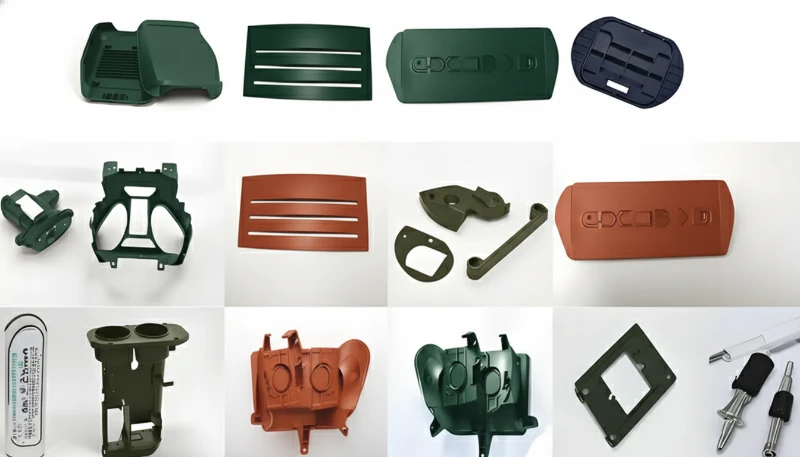
Gizli maliyetler de önemlidir. Takım çeliği, sıcak yolluk sistemleri ve hassas kalıp bileşenlerini Bangladeş’e ithal etmek, Çin’de yerel tedarike kıyasla takım üretim maliyetine 10-20% ekler. Bitmiş kalıpların veya kalıplanmış parçaların Bangladeş’ten Avrupa ya da Kuzey Amerika’ya sevkiyatında çoğu zaman Singapur veya Colombo üzerinden aktarma yapılır ve nakliye süresine 5-10 gün eklenir. Saat dilimi farkları, dil engelleri ve daha yavaş mühendislik yanıtı dâhil iletişim yükü ise iyi organize edilmiş bir Çinli tedarikçiyle çalışmaya kıyasla geliştirme takvimini 2-4 hafta uzatabilir.
Bangladeş Enjeksiyon Kalıplama Tedariki İçin Ne Zaman Doğru Seçimdir?
Güney Asya’ya yönelik standart reçine parçaları için Bangladeş’i; hassas kalıpçılık ve daha hızlı geliştirme için Çin’i seçin. Güney Asya pazarı için küçük ve orta hacimli standart reçine parça üretimine ihtiyaç duyduğunuzda, ürün kategoriniz ülkenin ilaç ambalajı, konfeksiyon aksesuarı ve gıda kabı alanlarındaki yerleşik gücüyle örtüştüğünde veya bölgesel lojistik avantajları Çin’den sevkiyata kıyasla toplam teslim maliyetini düşürdüğünde Bangladeş en uygun seçenektir.
Yüksek hassasiyetli çok gözlü kalıplara, mühendislik reçinesi işlemeye, temiz oda tıbbi kalıplamaya veya tek çatı altında entegre ikincil işlemlere ihtiyacınız varsa Çin daha güçlü seçenektir. Çin’in takım tedarik zinciri, malzeme bulunabilirliği, makine çeşitliliği ve ihracat altyapısı daha gelişmiştir. DFM incelemesinden seri üretime kadar her şeyi belgelenmiş kalite kanıtıyla yürütebilen bir tedarikçi arayanlar için köklü bir Çinli enjeksiyon kalıplama ortağı genellikle daha düşük toplam program riski sunar.
"Yüksek hassasiyetli, çok gözlü üretim kalıplarında Çin, Bangladeş'e kıyasla genellikle daha uzun kalıp ömrü, daha dar toleranslar ve daha hızlı tasarım yinelemesi sunar"True
Çinli kalıp üreticileri, Bangladeş'teki takımhanelerin karşılayamayacağı entegre çelik tedarik zincirleri, standartlaştırılmış bileşenler ve ölçek ekonomilerinden yararlanır.
"Bangladeş ile Çin arasında seçim yalnızca en düşük kalıp takımı fiyatına dayanmalıdır"False
Toplam program maliyeti yalnızca ilk kalıp teklifini değil; kalıp ömrünü, birim fiyatı, lojistiği, iletişim yükünü, kalite belgelerini ve geliştirme takvimini kapsar.
Bangladeş’te Enjeksiyon Kalıplama Hakkında Sık Sorulan Sorular
Sıkça Sorulan Sorular
Bangladeş’teki enjeksiyon kalıplama şirketleri ağırlıklı olarak hangi sektörlere hizmet veriyor?
Bangladeş’teki enjeksiyon kalıpçıları ağırlıklı olarak ilaç ambalajı, yiyecek ve içecek kapları, askı, düğme ve polietilen torba gibi hazır giyim aksesuarları, tüketim ürünü gövdeleri ve LED elektronik bileşenleri üretir. İlaç ve hazır giyim sektörleri, ülkenin enjeksiyon kalıplama üretiminin yaklaşık yüzde 60’ını birlikte oluşturan en büyük iki talep kaynağıdır. Şirketlerin çoğu Dhaka ve Chittagong’da yoğunlaşmıştır; bu da alıcılara değerlendirebilecekleri odaklı bir tedarikçi tabanı sunar. Bangladeş’in plastik bileşenleri Çin’den ithal etmek yerine daha fazlasını ülke içinde üretmek istemesi nedeniyle hazır giyimde geriye doğru bağlantı hamlesi özellikle önem kazanmış ve yerel enjeksiyon kalıpçıları için yeni fırsatlar yaratmıştır.
Bangladeş’teki enjeksiyon kalıplama tedarikçileri ihracat siparişlerini karşılayabilir mi?
Bazı Bangladeşli tedarikçiler, özellikle ilaç ambalajı ve hazır giyim bileşenlerinde ihracat deneyimine sahiptir; ancak ihracat belgesi hazırlama yetkinliği, İngilizce iletişim düzeyi ve kalite sistemi dokümantasyonu şirketler arasında önemli ölçüde değişir. Alıcılar sınır ötesi sipariş vermeden önce mevcut uluslararası müşterilerden referans istemeli, ISO sertifika durumunu incelemeli ve ticari fatura ile çeki listesi deneyimini doğrulamalıdır. Hacmi artırmadan önce gerçek iletişim hızını, numune kalitesini ve teslimat güvenilirliğini değerlendirmenin en güvenli yolu küçük bir pilot sipariştir. Akreditif ve konteyner sevkiyatı belgeleri konusundaki deneyimlerini özellikle sorun.
Bangladeş’teki kalıp takım maliyetleri Çin ile karşılaştırıldığında nasıldır?
Basit ila orta karmaşıklıktaki kalıplar, başta kalıp imalatındaki düşük işçilik ücretleri nedeniyle Bangladeş’te eşdeğer Çin kalıplarından genellikle yüzde 15 ila 25 daha ucuzdur. Ancak yüksek hassasiyetli veya çok gözlü üretim kalıplarında maliyet avantajı çoğu zaman ortadan kalkar; çünkü Bangladeş’teki kalıp atölyeleri özel çeliği, sıcak yolluk sistemlerini ve hassas bileşenleri yüksek fiyatlarla ithal etmek zorundadır. Çinli kalıp üreticileri bu malzemeleri yurt içinde ve ölçekli biçimde tedarik ederek yüksek işçilik maliyetlerini daha iyi malzeme ekonomisiyle dengeler. Toplam kalıp maliyeti karşılaştırmasında kalıbın beklenen ömrü, tolerans kabiliyeti ve teklif fiyatına dâhil ücretsiz değişiklik turu sayısı da hesaba katılmalıdır.
Bangladeş’teki bir enjeksiyon kalıplama tedarikçisinde hangi kalite sertifikalarını aramalıyım?
ISO 9001, Bangladeş’teki her enjeksiyon kalıplama tedarikçisinde aranması gereken temel sertifikadır. Farmasötik ambalaj tedarikçileri için Directorate General of Drug Administration tarafından onaylanmış GMP uygunluğu esastır. ISO 13485, tıbbi cihaz ambalaj bileşenleri için geçerlidir. Sertifikaların yanı sıra proses akış şemaları, kontrol planları, yakın tarihli üretim çalışmalarına ait ölçü denetim kayıtları ve düzeltici faaliyet prosedürlerine ilişkin kanıt isteyin. Benzer bir parça programı için bu belgeleri sunabilen tedarikçinin tekrarlanabilir sonuç verme olasılığı, yalnızca makine broşürleri ve duvarda asılı sertifikalar gösteren tedarikçiden daha yüksektir. Girdi malzeme denetim protokollerini de sorun.
Bangladeş’te enjeksiyon kalıbı imalatının tipik teslim süresi nedir?
Prototip ve tek gözlü kalıplar, eşdeğer karmaşıklık düzeylerinde Çin’de 3 ila 6 hafta sürerken Bangladeş’te genellikle 6 ila 10 hafta sürer. Çok gözlü üretim kalıpları Bangladeş’te 10 ila 16 hafta sürebilir. Özel çelik ve kalıp bileşenlerinin çoğu zaman ithal edilmesi gerektiği ve şirket içi tasarım yineleme kapasitesi köklü Çin kalıp atölyelerine göre daha sınırlı olduğu için teslim süreleri uzundur. Alıcılar, Çin’den tedarik sürelerine kıyasla geliştirme için 2 ila 4 haftalık ek tampon planlamalıdır. Özellikle ilk iş ortaklıklarında proje takviminizi oluştururken iletişim çevrimlerini ve numune onay turlarını hesaba katın.
Yeni bir ürün lansmanı için enjeksiyon kalıplamayı Bangladeş’ten mi yoksa Çin’den mi tedarik etmeliyim?
Bu; ürün gerekliliklerinize, hacim hedeflerinize ve tedarik zinciri stratejinize bağlıdır. Bölgesel lojistiğin toplam teslim maliyetini düşürdüğü ve ithalat vergisi avantajlarının geçerli olduğu Güney Asya pazarına yönelik standart reçine parçaları için Bangladeş’i seçin. Hassas kalıp üretimi, mühendislik sınıfı malzemeler, entegre ikincil operasyonlar veya dokümante edilmiş kalite sistemleriyle daha hızlı geliştirme süreleri gerektiğinde Çin’i seçin. Birçok alıcı, daha geniş kabiliyet ve daha hızlı yineleme nedeniyle geliştirme ve ilk üretime Çinli bir tedarikçiyle başlar; ardından teknik riskleri çözülmüş ve prosesi iyi dokümante edilmiş olgun, kararlı çalışan programlarda maliyet optimizasyonu için Bangladeş’i değerlendirir.
ZetarMold, Bangladeşli Alıcılar İçin Neden Doğru İş Ortağıdır?
ZetarMold, Bangladeşli tedarikçilerin erişemediği hassas takım üretimi ve mühendislik kalitesi malzeme kalıplama için doğru iş ortağıdır. Şanghay fabrikamız 2005 yılından beri faaliyet göstermekte, 20 yılı aşkın enjeksiyon kalıplama ve takım deneyimiyle Kuzey Amerika, Avrupa ve Asya’daki ihracat müşterilerine hizmet vermektedir. Daha geniş takım kapasitesine, mühendislik kalitesi malzeme işlemeye veya entegre ikincil operasyonlara ihtiyaç duyan Bangladeşli alıcılara, belgelenmiş kalite sistemleriyle kendini kanıtlamış bir denizaşırı alternatif sunuyoruz.
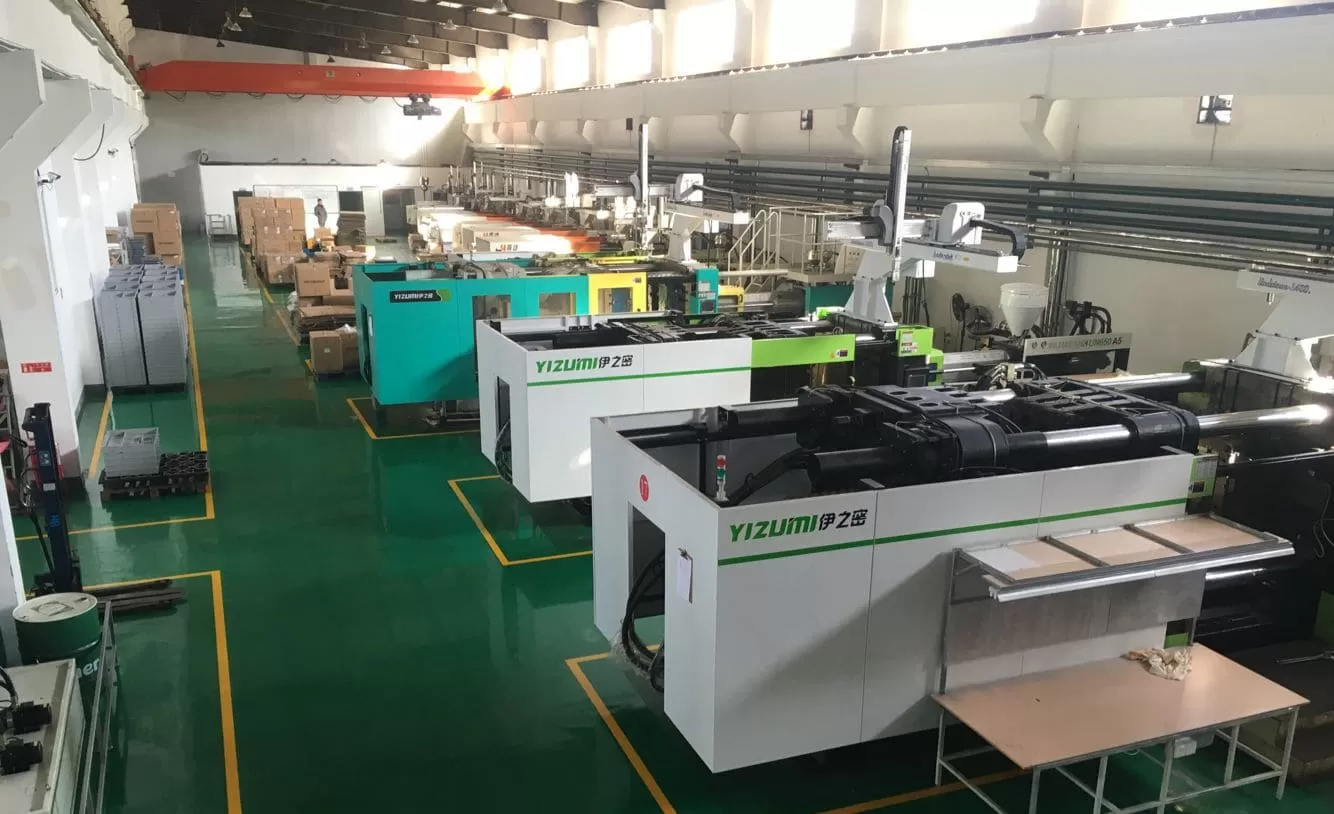
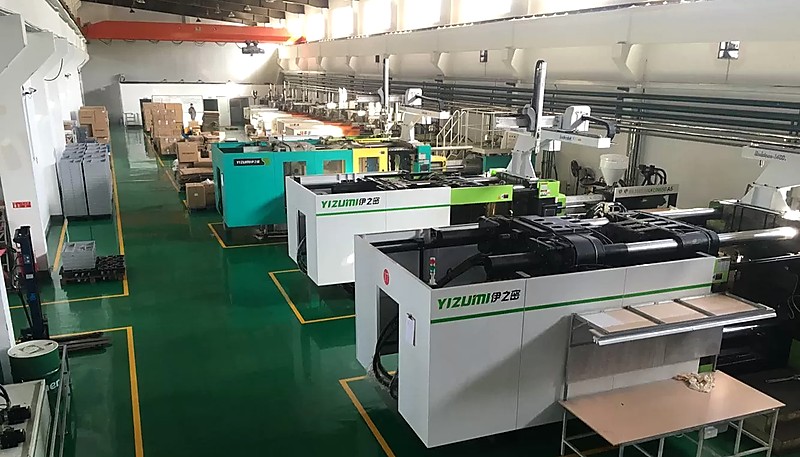
Şanghay fabrikamızdaki 47 enjeksiyon kalıplama makinesi ve 400'den fazla plastik malzemeyi işleme deneyimiyle ZetarMold, küçük hassas parçalardan büyük yapısal bileşenlere kadar her şeyi tek çatı altında gerçekleştirebilir.
Kalite kontrolünü, tıbbi cihaz üretimini, çevresel sorumluluğu ve iş sağlığı ile güvenliğini kapsayan ISO 9001, ISO 13485, ISO 14001 ve ISO 45001 sertifikalı yönetim sistemleri kapsamında faaliyet gösteriyoruz. Şirket içi kalıp üretim tesisimiz ayda 100+ kalıp setini destekler; özel mühendislik ekipleri DFM incelemesinden seri üretimin başlatılmasına kadar süreci yönetir.
ZetarMold’u Bangladeş’teki kısa listenizle karşılaştırdığınızda fark; kalıp kapasitesi, malzeme yelpazesi, kalite dokümantasyonu ve geliştirme hızından kaynaklanır. Tolerans risklerinin çelik işlenmeden önce belirlenmesi için parça çizimlerini, yıllık hacmi ve kritik boyutları baştan paylaşırız. Kalıp maliyetimizi, teslim süremizi ve kalite paketimizi mevcut tedarikçi seçeneklerinizle kıyaslamak için ücretsiz teklif isteyin.
Sınır ötesi enjeksiyon kalıplama satın alımına kapsamlı bir bakış için Tedarikçi Bulma Rehberimize bakın.
enjeksiyon kalıplama: Termoplastikler, ısıtıldığında yumuşayan ve soğutulduğunda yeniden katılaşan polimer malzemelerdir; bu özellik onları tekrarlanabilir enjeksiyon kalıplama çevrimlerine uygun kılar. ↩
sözleşmeli üreticiler: Sözleşmeli imalat, bir tedarikçinin müşterinin çizimleri, kalite şartları ve ticari koşullarına göre parça veya montaj ürettiği bir üretim düzenidir. ↩
ISO 9001: ISO 9001, bir kuruluşun tekrarlanabilir üretim süreçlerini nasıl belgelediğini, kontrol ettiğini ve iyileştirdiğini tanımlayan uluslararası bir kalite yönetim standardıdır. ↩