...

SLM 3D Printing Services | High-Performance Metal Additive Manufacturing

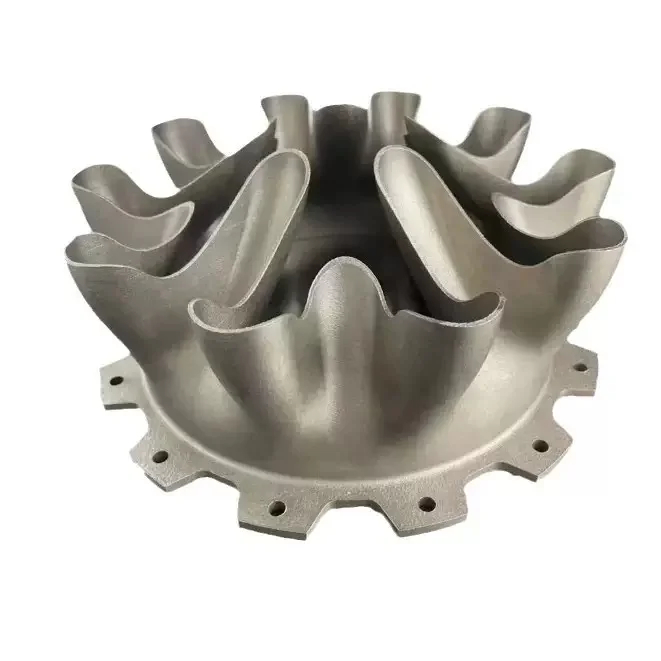
Unlock the potential of metal additive manufacturing with our premium SLM 3D printing services. We specialize in producing complex, high-density metal parts using Titanium, Inconel, and Aluminum. From rapid prototyping to end-use production, discover how Laser Powder Bed Fusion (L-PBF) outperforms traditional casting.

Resources for The Complete Guide to Selective Laser Melting (SLM)

What is Selective Laser Melting (SLM)?

What is Selective Laser Melting (SLM)?

Selective Laser Melting (SLM), professionally known as Laser Powder Bed Fusion (L-PBF), is a premier metal additive manufacturing technology designed for parts that require high strength, complex geometries, and full density. Unlike varied plastic printing methods, SLM is strictly an industrial metal manufacturing process.

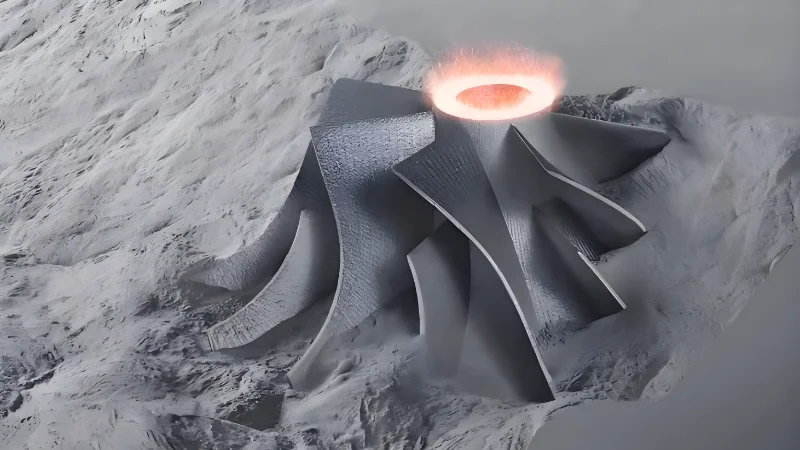
The process begins with a 3D CAD model (typically in STEP or STL format) sliced into thin layers, usually between 20 to 60 microns thick. Inside the build chamber, widely recognized for its controlled inert gas environment (Argon or Nitrogen) to prevent oxidation, a high-power fiber laser selectively scans and melts fine metal powder.

SLM Laser Melting Process

The Core Mechanism

Powder Deposition A recoater blade spreads a microns-thin layer of spherical metal powder across the build plate.
Laser Fusion The laser traces the cross-section of the part, heating the particles to their melting point, fusing them completely to the previous layer.
Layer Lowering The build platform descends by exactly one layer thickness, and the process repeats until the part is fully formed.

Because the metal is fully melted rather than merely sintered, SLM creates parts with a density exceeding 99.9%, making them mechanically comparable—and often superior—to traditionally cast components.

What are the Advantages and Limitations of the SLM Process?

What are the Advantages and Limitations of the SLM Process?

To make an informed decision regarding your manufacturing strategy, it is crucial to understand where SLM provides value and where it faces constraints. SLM technology opens unprecedented possibilities for complex geometries and material efficiency, while also presenting specific operational considerations that must be carefully evaluated for your production needs.

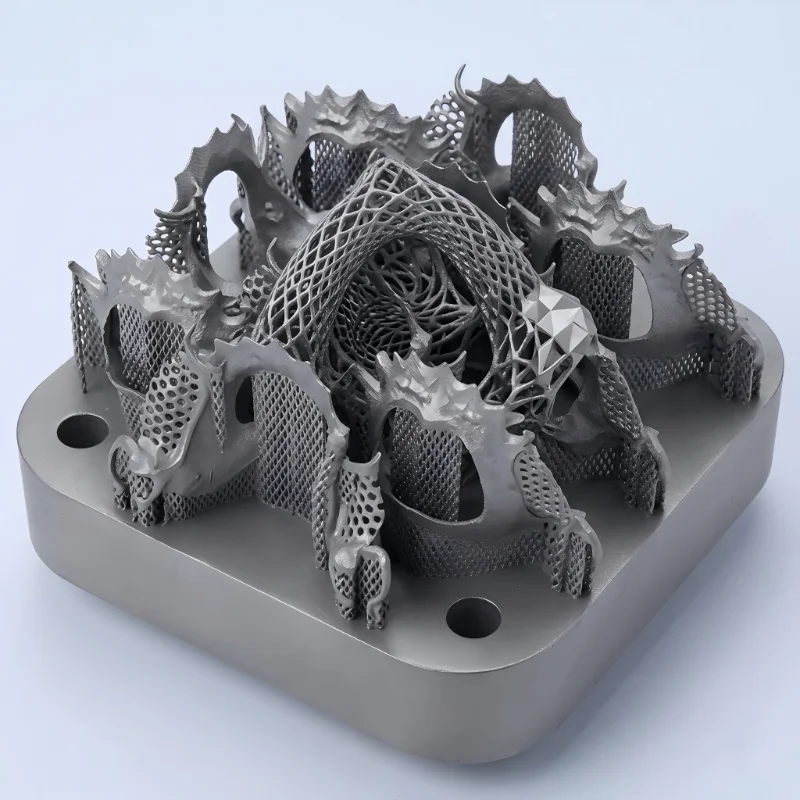
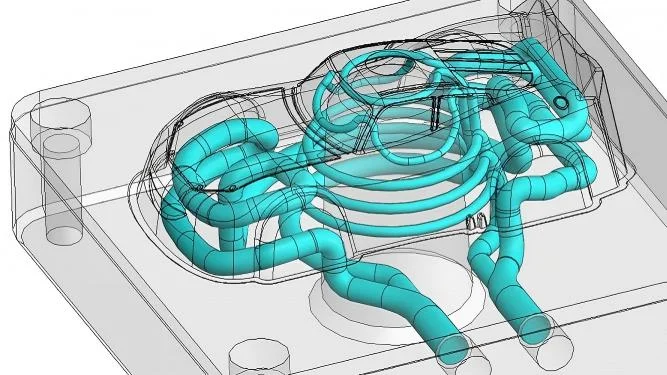
SLM Complex Part with Internal Cooling Channels

Advantages of SLM Technology

Geometric Freedom

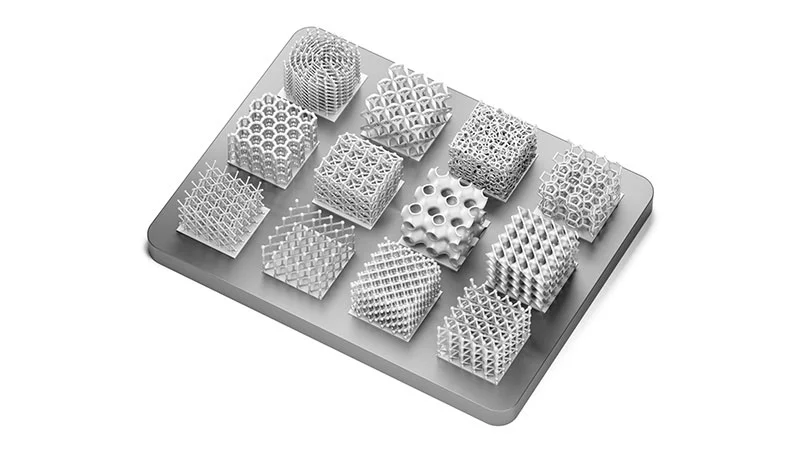
SLM excels at producing complex internal structures, such as 3D printing internal cooling channels for molds, which are impossible to manufacture with CNC machining.

Material Density

Parts achieve near 100% relative density, ensuring mechanical properties suitable for aerospace and medical load-bearing applications.

Reduced Waste

Unlike subtractive manufacturing (CNC), where material is cut away, SLM adds material only where needed. Unused powder is recyclable.

Rapid Turnaround

Eliminates the need for expensive tooling or molds, significantly reducing lead times for prototypes and low-volume production runs.

Limitations and Considerations

Build Size Constraints

Most distinct SLM machines have a build volume limit (typically around 250x250x300mm to 500mm cubed), meaning massive parts may need to be printed sections and welded.

Surface Finish

The "as-printed" surface roughness is generally higher than machined parts (Ra 5–15 μm), often requiring post-processing.

Support Structures

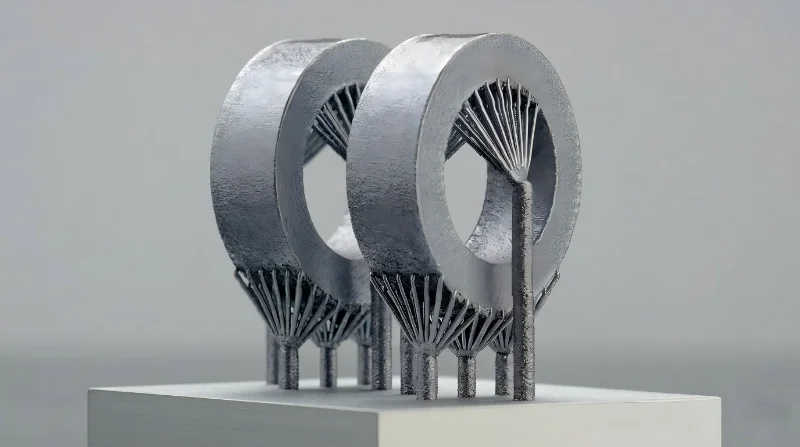
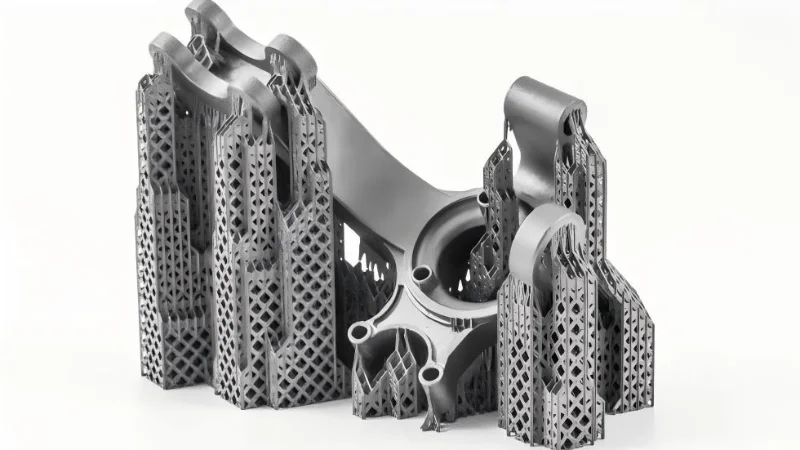
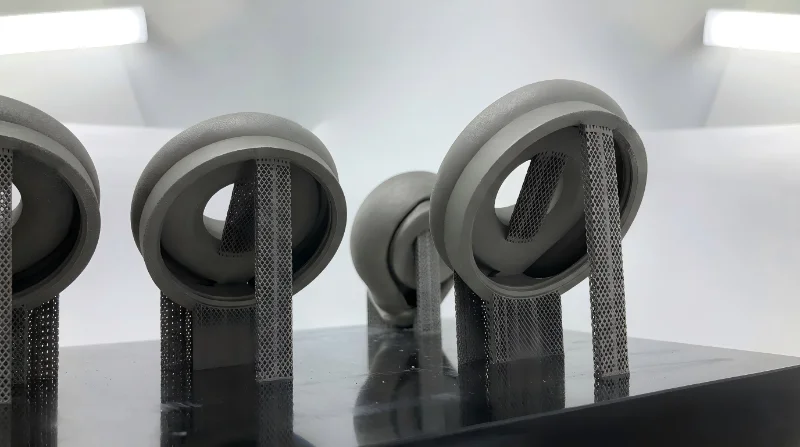
Due to thermal accumulation and gravity, overhangs require supports which must be manually removed.

SLM vs. SLS: What’s the Fundamental Difference?

SLM vs. SLS: What's the Fundamental Difference?

While both technologies belong to the "Powder Bed Fusion" family, they serve vastly different purposes in the engineering world.

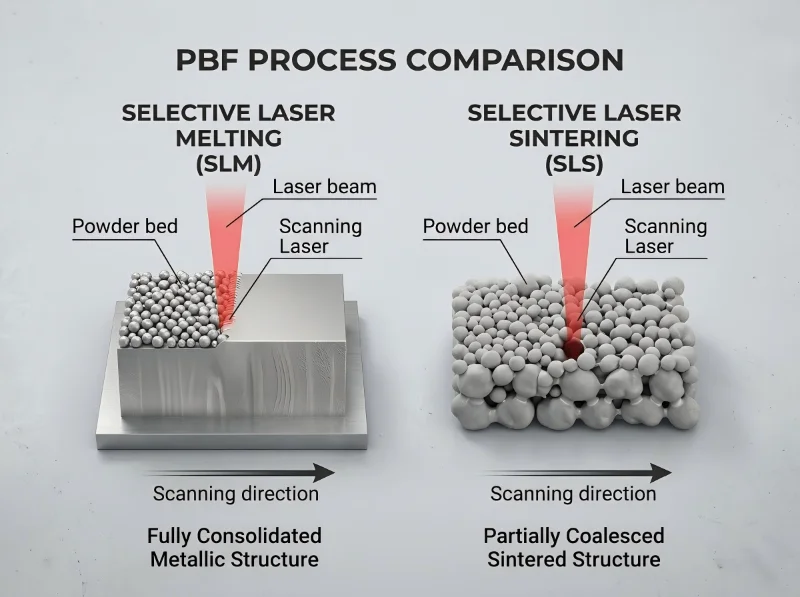
SLM vs SLS Comparison

Key Differences

Aspect SLM (Selective Laser Melting) SLS (Selective Laser Sintering)
Primary Material Metal (Titanium, Aluminum, Steel, Nickel alloys) Polymers (Nylon PA12, PA11, TPU)
Thermal Process Full melting (solid → liquid → solid) Sintering (heat & pressure without full liquefaction)
Part Density 99.9% (near-fully dense) Porous (typically 70-85%)
Mechanical Properties High strength, suitable for load-bearing aerospace/medical Good for prototypes, not for high-stress applications
Post-Processing Heat treatment, machining, surface finishing Minimal post-processing required

SLM: Thermal Mechanism

The metal powder is fully melted into a homogeneous mass. This phase change from solid to liquid and back to solid creates a fully dense metal part with superior mechanical properties.

SLS: Thermal Mechanism

Primarily used for polymers (like Nylon PA12). The particles are sintered (fused by heat and pressure without fully liquefying) together, resulting in a porous structure.

SLM: Material Strength

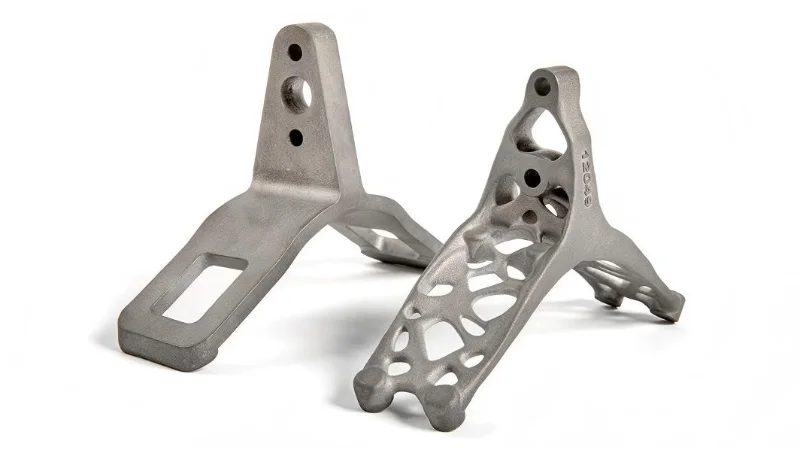
Produces isotropic (or near-isotropic after heat treatment) metal parts ready for high-stress environments, such as turbine blades or automotive brackets.

SLS: Material Strength

Produces porous plastic parts. While strong regarding plastics, they cannot withstand the thermal or mechanical loads of SLM metal parts.

Summary:

If you need functional metal components for high-stress applications, SLM (or DMLS) is the required technology. If you need nylon prototypes for design validation or functional testing, SLS is the standard choice.

What Metal Materials are Compatible with SLM?

What Metal Materials are Compatible with SLM?

Our SLM 3D printing services cover a wide spectrum of industrial-grade metal powders. The choice of material dictates the application, cost, and post-processing requirements.

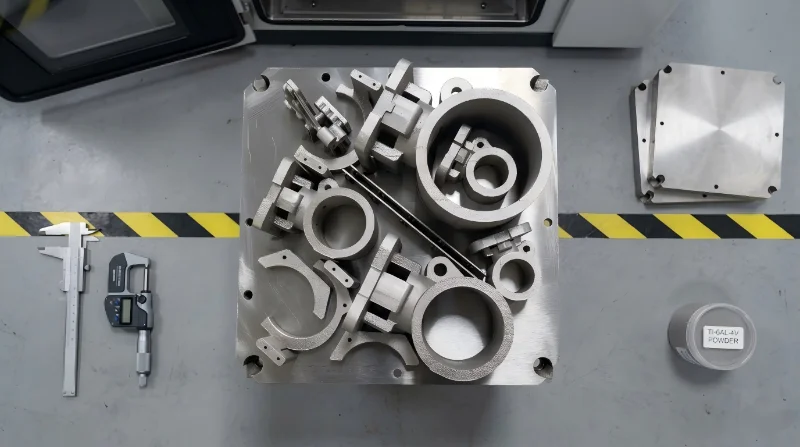
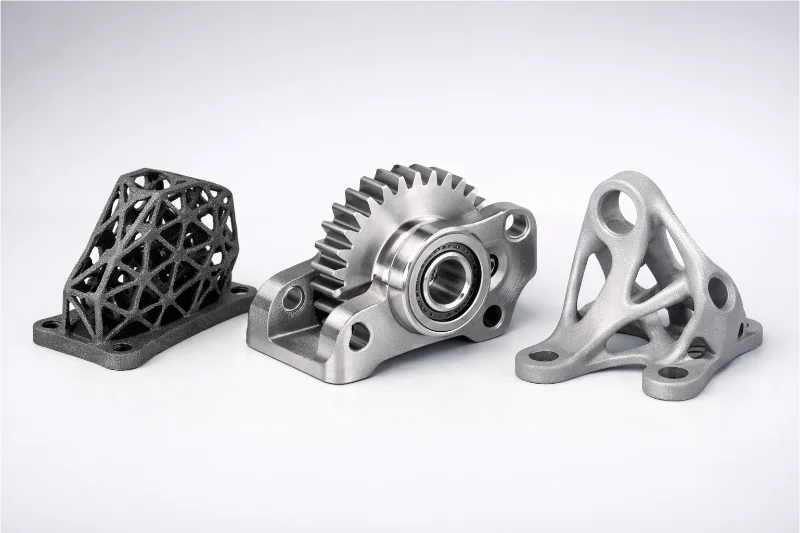
SLM Metal Materials and Printed Parts

Titanium Alloys

Ti6Al4V Grade 5 & Grade 23
SLM Titanium Ti6Al4V properties include an exceptional strength-to-weight ratio and high biocompatibility.
Best For:
3D printed titanium medical implants, aerospace brackets, and lightweight racing components.

Superalloys

Inconel 718 / 625
Nickel-chromium-based superalloys designed to withstand extreme heat and corrosion.
Best For:
Inconel 718 3D printing service is highly sought after for gas turbine blades, rocket engine nozzles, and exhaust systems.

Aluminum Alloys

AlSi10Mg
A casting alloy that prints well due to its high silica and magnesium content. It offers good thermal properties and low weight.
Best For:
Automotive housings, heat exchangers, and drone components.

Stainless Steel

316L / 17-4PH
Offers high corrosion resistance (316L) or high strength and hardness after heat treatment (17-4PH).
Best For:
Surgical tools, food-safe machinery, and general industrial parts.

Tool Steel

Maraging Steel MS1 / H13
Known for extreme hardness and wear resistance.
Best For:
Injection molds with conformal cooling channels.

Material Properties Quick Reference

Material Density (g/cm³) Tensile Strength (MPa) Key Advantage Primary Use
Ti6Al4V 4.43 1160–1320 Lightweight, biocompatible Medical, aerospace
Inconel 718 8.19 1240–1510 Heat resistant, corrosion resistant Turbines, rockets
AlSi10Mg 2.68 430–480 Lightweight, thermal conductivity Automotive, heat exchangers
316L Stainless 8.0 485–620 Corrosion resistant Medical, food-safe
Maraging Steel 8.0 1900+ Extreme hardness Injection molds

Why Does SLM Require Micron-Scale Spherical Metal Powders?

Why Does SLM Require Micron-Scale Spherical Metal Powders?

The quality of an SLM print is directly tied to the quality of the raw material. You cannot use standard metal filings; the process requires highly engineered Gas Atomized powders.

Spherical vs Irregular Metal Powder Comparison
1

Flowability and Packing Density

The recoater arm must spread a layer of powder as thin as 30 microns. Spherical particles flow like liquid, ensuring a perfectly smooth and dense layer. Irregular particles would clump, causing "short feeds" where the laser has no material to melt, leading to structural voids.

2

Laser Absorption Consistency

Spherical powders provide a consistent surface area for the laser beam. This ensures that the energy absorption is predictable, resulting in a stable "melt pool."

3

Particle Size Distribution (PSD)

We strictly typically use powders with a PSD of 15–45 microns or 15–63 microns. This specific range allows smaller particles to fill the voids between larger particles, maximizing the density of the part before the laser even fires.

Powder Specifications & Standards

Particle Shape
Spherical
Achieved through gas atomization process
Particle Size Range
15–63 μm
Optimized for flowability and packing
Packing Density
~64%
Theoretical maximum for random spheres
Recoater Layer Thickness
~30 μm
Typical layer height per cycle
Surface Roughness
Ra < 1 μm
Ensures consistent laser interaction
Oxygen Content
< 0.15 wt%
Critical for material properties

The Bottom Line:

Spherical, gas-atomized metal powders are not just a preference—they are a necessity for achieving the precision, density, and repeatability that SLM demands. Using inferior powder quality directly translates to part defects, failed prints, and wasted material.

Can SLM Parts Match the Strength of Forged or Cast Components?

Can SLM Parts Match the Strength of Forged or Cast Components?

This is one of the most critical questions for engineers transitioning from traditional manufacturing. The answer is: Yes, and often better than casting.

SLM vs Traditional Casting Microstructure

Comparison with Casting

Microstructure Advantage
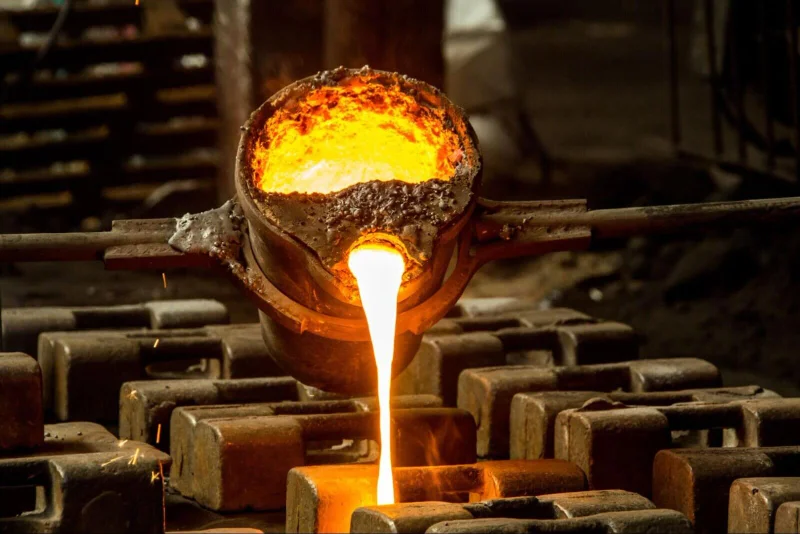
SLM parts exhibit a finer microstructure than cast parts due to the rapid cooling rates associated with the laser process. This often results in higher Yield Strength and Ultimate Tensile Strength (UTS) compared to their cast counterparts. SLM eliminates the porosity defects common in casting.

Comparison with Forging

Grain Alignment
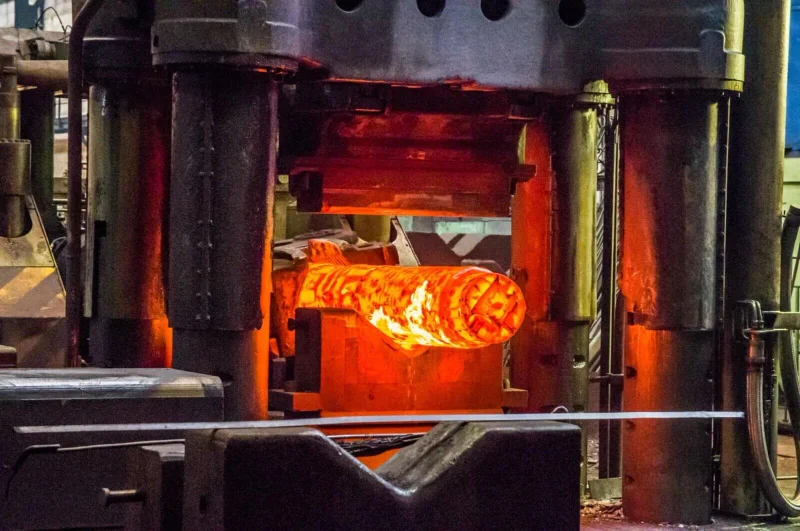
While forging aligns the grain structure of the metal for maximum strength, SLM parts are generally comparable to annealed wrought materials. With proper heat treatment, SLM parts can achieve equivalent or superior performance.

Why SLM Parts Excel in Strength

  • Fine Microstructure: Rapid cooling creates smaller, more uniform grains
  • Zero Porosity: Unlike casting, no shrinkage cavities or gas pores
  • Density Optimization: 99.9% density ensures maximum material utilization
  • Controlled Cooling Rates: Predictable material properties across the entire part
  • Post-Processing Options: Heat treatment further enhances mechanical properties

Addressing Anisotropy & Achieving Isotropic Strength

Key to noting is Anisotropy. "As-printed" SLM parts may be slightly weaker in the Z-axis (vertical direction) due to the layer-by-layer nature. However, via post-process Heat Treatment and Stress Relieving, the grain structure recrystallizes, making the part isotropic (equally strong in all directions).

We perform standard heat treatments to ensure your parts meet ASTM and ISO standards.

Heat Treatment Process Flow

As-Printed Part
Stress Relief
Solution Heat Treatment
Aging / Precipitation
Isotropic Component

Standards Compliance:

Our SLM parts are manufactured and heat-treated to meet the following international standards:

ASTM B348 (Titanium alloys)
ASTM E8 (Tensile testing)
ISO 5832-3 (Implantable materials)
AMS 2750 (Pyrometry standards)
EN ISO 6892-1 (Metallic materials tensile testing)

ABS Injection Molding Manufacturing

ABS Injection Molding Manufacturing Guide

How SLM Overcomes the Manufacturing Limits of Traditional Machining?

Why are Support Structures Essential in SLM Design?

What is the Surface Roughness of SLM Parts? Are They Ready for End-Use?

Industry Applications and Case Studies

Our Service Workflow and Strategic Partnership

Frequently Asked Questions (FAQ)

Optimization Solutions Provided For Free

Or fill out the contact form below:

en_USEN

Ask For A Quick Quote

Send drawings and detailed requirements via 

Emial:[email protected]

Or Fill Out The Contact Form Below:

Ask For A Quick Quote

Send drawings and detailed requirements via 

Emial:[email protected]

Or Fill Out The Contact Form Below:

Ask For A Quick Quote

Send drawings and detailed requirements via 

Emial:[email protected]

Or Fill Out The Contact Form Below:

Ask For A Quick Quote

Send drawings and detailed requirements via 

Emial:[email protected]

Or Fill Out The Contact Form Below:

Ask For A Quick Quote

Send drawings and detailed requirements via 

Emial:[email protected]

Or Fill Out The Contact Form Below:

Ask For A Quick Quote

Send drawings and detailed requirements via 

Emial:[email protected]

Or Fill Out The Contact Form Below:

Ask For A Quick Quote For Your Brand

Send drawings and detailed requirements via 

Emial:[email protected]

Or Fill Out The Contact Form Below:

Спросите быструю цитату

Мы свяжемся с вами в течение одного рабочего дня, обратите внимание на письмо с суффиксом «[email protected]».

Ask For A Quick Quote

Send drawings and detailed requirements via 

Emial:[email protected]

Or Fill Out The Contact Form Below: