PBS1(ポリブチレンサクシネート)射出成形は、高い機械的特性を持つ生分解性プラスチックを製造するための、持続可能で汎用性の高い選択肢です。
PBS射出成形には持続可能性に関する大きな利点がありますが、最適な性能を得るには材料特性と加工条件の理解が不可欠です。製造ニーズにおけるPBSの実用的な用途と利点を詳しく見ていきましょう。
- PBSは、PPやPEと類似した特性を持つ生分解性ポリエステルです
- PBS射出成形は標準的な設備で190〜220℃で実行されます
- 主な用途には食品包装、医療機器、農業用フィルムが含まれます
- コストが高いことと加水分解感受性が高いことが主なトレードオフです
- 世界的な規制がPBS市場の成長を推進しています
"PBS射出成形では生分解性プラスチック部品を生産できます。"True
PBSは生分解性ポリマーであり、環境に優しい製品を製造する上で、より持続可能な選択肢となる。
「PBS射出成形は従来のプラスチックより高コストである」False
PBS材料は初期コストが高いかもしれないが、長期的な環境面でのメリットと需要の増加によって、価格差を相殺することができる。
PBSの基本的な特徴とは?
PBSは生分解性の半結晶性ポリエステルであり、機械的特性はポリプロピレンやポリエチレンに匹敵します。
ベンダーを比較したり調達を計画したりする場合は、当社の射出成形サプライヤー調達ガイドで、RFQの準備、適格性評価、商取引上のリスク確認を解説しています。
より広く射出成形金型設計を理解するには、金型構造、熱制御、製造性のトレードオフを解説した当社の中核ガイドをご覧ください。
生分解性
ポリブチレンサクシネート-PBSは完全に生物分解性であり、環境中の微生物によって容易に分解され、自然のプロセスによって二酸化炭素と水に変化する。
PBSのこの特性は、環境に優しい素材であることを証明しており、特に環境汚染を減らすために従来の石油ベースのプラスチックに取って代わるのに適している。
一方、従来の石油系プラスチックは、自然環境中で分解するのに数百年かかる場合があり、分解中に有害物質が発生する可能性がある。PBSの分解はそれほど複雑ではなく、環境や生態系への影響もほとんどない。
物理的特性と機械的特性
PBSは脂肪族ポリエステルであり、従来のプラスチックとは異なる独特の化学構造を有しています。PBSは引張強度や衝撃強度など優れた機械的特性を備えています。その引張強度と曲げ強度は、ポリプロピレン(PP)やポリエチレン(PE)などの石油化学系プラスチックと同等であり、衝撃強度も同様です。
また、PBSは耐熱性と耐薬品性に優れ、-40℃から100℃の温度範囲で最適な性能を発揮する。
PBSは30〜45 MPaの引張強度と200〜500%の破断伸びを達成し、機械的性能においてポリエチレンとポリプロピレンの間に位置します。約80℃の結晶化温度は、部品を比較的早く取り出せることを意味し、汎用プラスチックと競合できるサイクルタイムに貢献します。
加工特性
PBSは熱可塑性と熱安定性に優れている。PBSは射出成形が極めて容易である。溶融温度は90℃~120℃と幅広く、ほとんどの射出成形装置と金型に適合する。PBSは、複雑な金型に充填するための良好な流動性を持っており、製造された部品は高い精度を持っています。
さらに、PBSの処理ウィンドウは広く、熱劣化に強く、大規模な工業生産に適している。
環境への配慮
PBSが生分解性で環境に優しいのは、製造過程だけではない。PBS製造の原料は、トウモロコシやサトウキビなどの再生可能資源から得ることができる。
これらのバイオマス原料は、発酵などのプロセスを経てPBSモノマーに変換される。PBSの製造は、従来の石油系プラスチック製造が抱えていたエネルギー消費と排出の面で、環境にやさしく、二酸化炭素の発生も少ない。
生体適合性
PBSは生体適合性に優れているため、医療や食品包装業界で一般的に使用されている。PBSは体内で免疫反応を起こさず、自然に代謝・吸収される。そのため、PBSは外科用縫合糸や薬物運搬システムなど、生物医学的実体の調製に使用されている。
"PBSは生分解性があり、環境に優しい。"True
PBSは自然に分解されるため、従来のプラスチックに代わる持続可能な代替品を提供し、環境への影響を軽減する。
"PBSは従来のプラスチックより強度が高い。"False
PBSは強度と柔軟性のバランスが取れているが、PETやPPといった従来のプラスチックと比べて必ずしも強度が高いわけではない。
PBS射出成形のプロセスフローとは?
PBS射出成形は、標準的な設備で4つの主要なステップに従います:樹脂を乾燥させ、190〜220℃で溶融し、60〜100 MPaで射出した後、冷却して取り出します。
材料の準備
射出成形前に、PBS材料は水分を除去するために乾燥する必要があります。PBSは80℃から100℃の温度で4〜6時間乾燥させ、材料の水分含有量を0.02%未満にしなければなりません。
このため、一般的な水分が多くなると、射出成形工程で気泡が発生し、最終製品の外観や耐久性が損なわれるという側面がある。
その上、乾燥させることで、PBSが溶融中に加水分解され、製品の機械的特性や外観の品質に影響を及ぼす事態も避けることができる。
溶解と混合
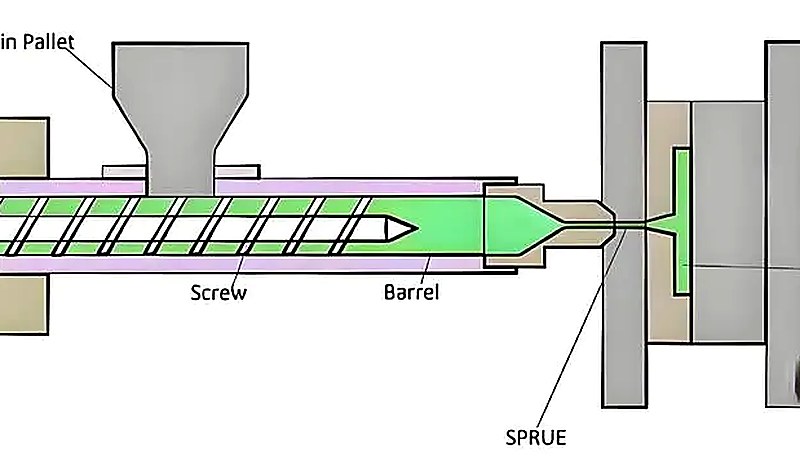
乾燥させたPBS原料を射出成形機のホッパーに入れ、ヒーターで加熱する。射出成形機のスクリューは、溶融したPBS材料を均等にブレンドするために回転し、好ましい粘度と温度にします。
通常、PBSの溶融温度は190℃~220℃の範囲に設定される。また、溶融時のスクリューの作用により、PBSの均一な可塑化が可能となり、最終製品の機械的特性と表面に影響を与えます。
射出成形
PBS材料は溶融し、高圧でノズルを通って金型キャビティへ押し込まれます。射出圧力2は、製品と金型の種類に応じて主に60MPa~100MPaです。
射出時間は通常0.5秒から2秒の間で、金型キャビティが完全に充填されるようにします。製品の高精度な寸法と滑らかな表面を実現するためには、射出の速度と圧力を調整することが不可欠です。
冷却と凝固
射出後、金型は閉じられ、注入されたPBS材料は冷却され、金型の形状に固まります。一般的に、冷却時間は、製品のサイズと厚さに基づいて、最小10秒から最大60秒の範囲です。
冷却段階では、金型の冷却システムが水または油を使用して金型温度を調整し、製品の標準的な冷却を保証します。適切な冷却速度により、製品の内部応力を防ぎ、機械的特性と寸法安定性を高めることができます。
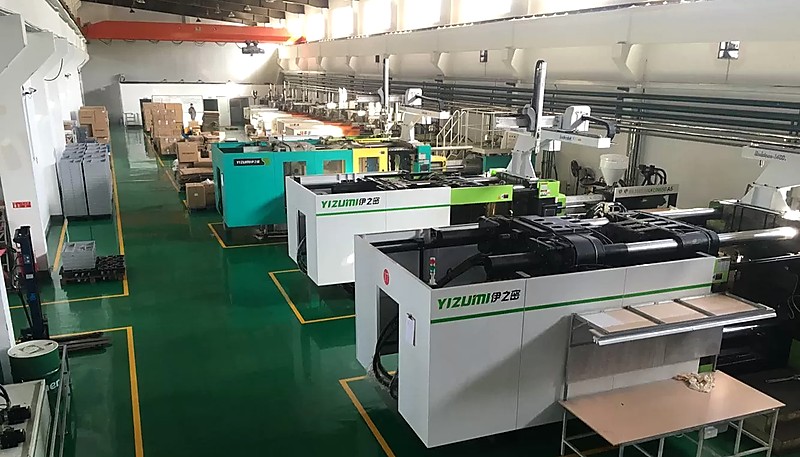
上海工場では、90Tから1850Tまで47台の射出成形機を稼働させ、400種類を超えるプラスチック材料を加工してきました。PBSは標準的な成形機で円滑に加工できます。重要なのは、加水分解3を防ぐための徹底した乾燥と、一貫した溶融温度管理です。
脱型と後処理
製品が冷えて固まったら、金型を開き、機械的または完全に手作業で製品を取り出す。
取り外した後、最終的な品質基準を達成するために、バリ取りやトリミングなど、取り外した製品の形状を調整する必要があるかもしれません。後加工は、製品の外観品質と性能をさらに向上させ、顧客のニーズにより適したものにすることができる。
「PBS射出成形では、高品質な部品を製造できます。」True
PBS射出成形は、その制御された加熱と冷却プロセスにより、高精度と優れた部品品質を保証します。
「PBS射出成形は、すべてのプラスチック材料に適しています。」False
PBS射出成形は特にPBS樹脂を使用するため、成形条件が異なるすべてのプラスチック材料に適しているとは限りません。
PBS射出成形の利点と欠点は?
PBS成形の主な利点は生分解性と良好な機械的強度であり、主な欠点はコストが高いことと耐熱性が限られていることです。
メリット
環境親和性:PBSは環境に優しい材料であり、PBS製品を使用することでプラスチックによる汚染を低減できます。特に注目すべきは、PBSが環境中の微生物によって自然に生分解され、有毒物質を生成しない点で、これは持続可能な開発の原則に合致しています。
優れた機械的特性:PBSは優れた強度と靭性を持ち、多くの使用条件を満たします。PBS材料の機械的特性は、通常の石油由来プラスチックと同程度であり、場合によっては靭性の点で優れています。
優れた加工性能: PBSは適度な融点温度を持ち、射出成形プロセスに十分な流動性を備えています。PBSの加工ウィンドウは非常に広く、製品は熱分解を受けにくいため、産業における大規模生産に有利です。
生体適合性:PBSの生体適合性は非常に良好で、医療機器や食品包装の材料として使用することができます。PBSは人体内で抗原と見なされず、自然に代謝・吸収されることが可能です。
再生可能原料:PBS原料はトウモロコシやサトウキビなど再生可能資源から製造可能です。これによりPBS製品のライフサイクル全体におけるカーボンフットプリントが低減され、石油化学資源への依存度低下に貢献します。
デメリット
高コスト:PBSには多くの利点がありますが、原材料とプロセスの特性上、その生産コストは依然として高くなっています。現時点では、PBSの価格はほとんどの従来の石油由来プラスチックと比較して依然として比較的高く、市場への適応性に一定の影響を及ぼしています。
耐熱性の限界:PBSは一定の熱に耐えることができますが、高温環境での応用では、一部の石油由来プラスチックほど優れておらず、高温環境での用途が制限されます。PBSのもう一つの欠点は、ガラス転移温度(Tg)が比較的低く、高温環境では変形や機械的特性の損失が生じる可能性があることです。
加水分解への敏感性:PBSは加水分解安定性が低く、高湿度の環境では加水分解の程度が増加し、その結果、材料の機械的特性や熱的特性が低下するため、使用時に保護が必要です。高い加水分解感受性のため、PBSは高湿度の環境では使用できない場合があり、適切な保護を必要とします。
"PBSの射出成形は、生分解性のソリューションを提供する。"True
PBS樹脂は生分解性であるため、持続可能な素材を必要とする用途では環境に優しい選択肢となる。
"PBS射出成形は、他のプラスチックより常に高コストです。"False
PBSは初期材料費が高くつくかもしれないが、その環境面での利点と特定の用途によって、特に環境意識の高いブランドにとっては、価格を正当化することができる。
PBS射出成形の応用分野は?
PBS射出成形は、その生分解性と耐久性により、包装から自動車までさまざまな産業で使用されている。多くの用途に持続可能な選択肢を提供します。
食品包装
PBSは適度な生体適合性と生分解性を示し、食品包装産業にとって比較的優れた材料である。PBSの耐水性、ガスバリア性、抗菌性は食品の鮮度を長持ちさせるのに役立つ。
例えば、PBSは食品袋、クリンピングフィルム、使い捨て食器などに加工することができ、これらのPBS製品は使用後に生分解され、世界の生態環境を危険にさらすことはない。
従って、PBSの安全性と環境に優しい性質は、食品包装業界において、この製品に広大な市場適用性を与えていると言える。
医療機器
その生体適合性から、PBSは医療機器の製造に使用できる。例えば、PBSは外科用縫合糸や薬物送達システムなどの製造に使用できる。
これらの医療機器は、使用後に人体に吸収されたり、自然に分解されたりするため、人体への二次的なダメージを軽減することができる。PBSの使用は、医療機器の安全性を向上させるだけでなく、術後の治療計画の円滑化にも役立つ。
農業用具
PBSの生分解性と優れた機械的特性は、農業分野での使用に適している。例えば、PBSはマルチフィルムや育苗トレイなどに加工することができる。
これらのPBS製品は、使用後に自然に生分解されるため、農業廃棄物が環境に与える影響を最小限に抑えることができる。PBS農業用フィルムは、作物を効果的に覆い、生育期が終わると解重合して環境への負荷を減らすことができる。
生活必需品
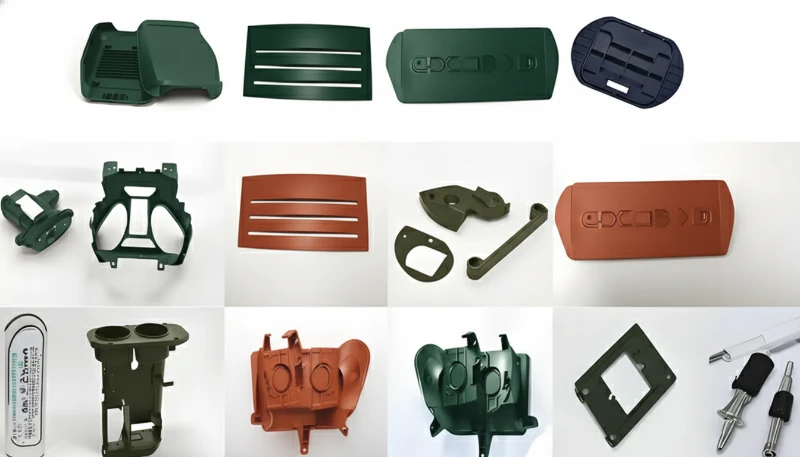
PBSは、ペンホルダー、歯ブラシの柄、おもちゃなど、日常生活で必需品となるさまざまな複合アイテムの製造にも使用できる。
これらの日用品は、使用後に自然に分解されるため、家庭廃棄物が環境に与える影響を軽減することができる。PBSは環境に優しいため、意識の高い顧客のニーズを満たすグリーンな日用品を作るための素材として選ばれている。
電子・電気機器
PBSはまた、電子機器や電化製品産業にも有望である。例えば、PBSは電子製品のケースやケーブルシースなどに採用される可能性がある。これらのPBS製品は適切な機械的特性を持ち、廃棄時には生分解する能力を持つため、電子機器廃棄物による影響を軽減することができる。
"PBSは生分解性包装に最適です。"True
PBSは生分解性であるため、環境負荷を低減する包装材として優れた選択肢となる。
「PBSは高負荷自動車部品に最適な材料です。」False
PBSは軽量で環境に優しい用途には適しているが、頑丈な自動車部品に必要な強度は得られないかもしれない。
PBS射出成形の今後の開発動向は?
PBS射出成形は、低コスト生産、新しいポリマー合金、世界的な反プラスチック立法による普及拡大に向かっています。
生産効率の向上
PBSの製造コストを下げるため、研究者や企業はPBSの製造効率を高め、関連する製造コストを下げる努力をしてきた。
例えば、製造技術を適時に向上させたり、より優れた触媒を研究したりすることで、PBSの生産量を全体的に向上させ、製造コストを下げることができる。
組織的なコスト削減は、コスト削減につながるだけでなく、エネルギー効率の向上や廃棄物の排出量の削減を意味し、より環境にやさしい生産を可能にする。
新しいPBS合金の開発
例えば、別の生分解性ポリマーを使って、熱的・機械的特性と耐熱性を改善したPBS合金を作れば、PBSの応用範囲を広げることができる。
PBS合金の開発は、材料の性能を向上させるだけでなく、より高温でより過酷な条件下での使用など、応用分野を拡大する可能性がある。
PBSの利用促進
PBSの生産コストは着実に低下しており、性能向上により、包装、農業、消費財産業における用途範囲が広がり続けています。
これらの分野でPBSを使用することは、石油由来のプラスチックへの依存を減らすだけでなく、さまざまな商品の環境適合性と持続可能性を高めることになる。
環境政策の推進
プラスチック汚染の管理に関する政策的な対応が増えつつあり、世界各国の政府によって多くの環境政策が策定されている。このような政策は、PBSのような環境に優しい製品の研究と利用を促進する。
例えば、ヨーロッパ諸国における使い捨てプラスチック製品の規制は、PBS製品の大規模な市場を創出する。環境政策の実施は、PBSの市場普及と応用をさらに加速させるだろう。
新技術の導入
技術の進歩に伴い、新技術の導入もPBS射出成形の拡大を促進するだろう。
3Dプリント技術とシミュレーションツールの活用により、PBS金型設計と加工パラメータの最適化が可能となり、開発リードタイムと材料廃棄物の削減につながります。
サーキュラー・エコノミーの発展
サーキュラー・エコノミーの考え方が広まるにつれ、廃棄後のPBSのリサイクルや再利用が重要な方向性を持つようになるだろう。
PBS製品の物質は、使用後、生分解により新たな原料としてリサイクルすることができ、資源循環を実現する。PBSのリサイクルは、環境汚染を減らすだけでなく、資源の利用効率を向上させ、持続可能な発展を達成することができる。
「PBS射出成形は環境負荷の低減に役立ちます。」True
PBSは生分解性があり、再生可能な資源に由来するため、射出成形において持続可能な選択肢となる。
「PBS射出成形は、従来のプラスチックをすべて置き換えるでしょう。」False
PBSは環境に優しい利点を提供するが、万能のソリューションではなく、持続可能性の目標に沿った特定の用途に使用するのが最適である。
よくある質問
PBS射出成形の溶融温度は何度ですか?
PBSは通常、190°Cから220°Cの間で溶融し、ガラス転移温度は約-32°C、融点は115°C付近です。加工前に80–100°Cで4〜6時間適切に乾燥させることが、加水分解や銀筋やスプレーマークなどの表面欠陥を防止するために不可欠です。製造過程全体で一定の溶融温度を維持することで、キャビティへの均一な充填が確保され、反りのリスクが低減し、バッチ全体を通じて完成したPBS部品の全体的な寸法安定性が向上します。
PBS射出成形品は食品衛生基準に適合しますか?
はい、PBSはFDA適合の生体適合性グレードを持ち、包装フィルム、密封容器、使い捨てカトラリーを含む直接食品接触用途に適しています。その非毒性分解副産物と良好なガスバリア特性は、化学添加物なしで食品の保存期間を自然に延長します。持続可能な包装材料を評価している調達チームにとって、PBSは従来のプラスチックに対する実用的な代替品を提供し、厳格な食品安全適合要件を満たしながら、世界中の実環境での最終製品性能を維持します。
射出成形においてPBSはPLAとどのように比較されますか?
PBSはPLAよりも優れた柔軟性と衝撃抵抗性を提供し、PLAは実際の使用シナリオでの繰り返し機械ストレスと衝撃負荷下で脆くなる傾向があります。PBSはまた、土壌や海洋条件を含むより広範な実環境で生分解しますが、PLAは主に高温で稼働する工業用堆肥施設を必要とします。しかし、PLAはより高い剛性とより良い光学透明度を提供し、各材料が世界の包装および消費財市場での異なる最終用途要件および規制適合コンテキストにより適しています。
PBSにはどの射出圧力が必要ですか?
PBS射出成形は通常、部品の形状、壁厚、ゲート配置、および金型の複雑さに応じて、60〜100メガパスカルの射出圧力を必要とします。薄肉部品や複数のゲートを持つ複雑な流路は、ショートショットや表面の目に見える流れ線なしでキャビティを完全に充填するために、より高い圧力を要求します。初期サンプリング時の圧力曲線の監視は、サイクル時間の最適化、フラッシュ形成の最小化、および完全な生産ラン全体での一貫した部品重量と寸法精度の維持を支援します。
PBSは他のプラスチックと混合できますか?
PBSは通常、PLA、澱粉、PBAT、または他の生分解性ポリマーと混合され、最終製品の耐熱性、剛性、靭性、または制御された分解速度などの特定の材料特性を改善します。いくつかの商業的なPBS混合グレードは、自動車内装部品、農業マルチフィルム、および食品サービスアイテムのために世界中で既に市場で入手可能です。混合はPBS材料科学研究の中で最も急速に成長している分野の一つであり、新しい配合と最適化された加工ウィンドウが毎年世界市場に入っています。
PBS射出成形における一般的な欠陥は何ですか?
PBS射出成形における一般的な欠陥には、残留水分による銀色の筋、不均一冷却による寸法不安定性、加水分解による表面スプレー、および充填段階での不十分な射出圧力によるショートショットが含まれます。適切な乾燥プロトコル、最適化された冷却チャネル設計、および制御された射出速度は、経験豊富な成形者が日常的に生産で頼る主要な対策です。私たちの生産経験では、水分関連の問題がPBS成形不良の70%以上を占め、厳格な事前乾燥が最も重要なプロセス制御ステップとなります。
次のプロジェクトでPBS射出成形を検討すべき理由は?
PBS射出成形は、標準プレスで稼働し、生分解性部品を作成し、毎年価格が低下するため、選択する価値があります。
環境規制が厳格化し、PBS生産コストが低下するにつれて、この材料はニッチな持続可能性プロジェクトから主流の自動車、医療、および消費財用途に移行しています。チームが生分解性ポリマーを評価している場合、PBSはPLAやPHAとともに真剣に考慮する価値があります。
20+年の射出成形経験、90Tから1850Tまでの47台の成形機、400+種類の材料に関する専門知識を持つZetarMoldの技術チームが、次のプロジェクトにおけるPBSの評価を支援します。競争力のある価格、DFMフィードバック、明確な生産スケジュールをご提示します。
無料見積りを依頼 →