 コンテンツへスキップ

- 技術文書の品質は、言語能力に大きく依存します。金型設計レビュー、プロセス最適化レポート、品質文書は明確かつ技術的に正確であるべきです。不適切な翻訳は、重要な技術的詳細を曖昧にしたり、仕様に関する混乱を招いたりすることがよくあります。
- Look for ISO certifications (9001, 13485, 14001, 45001) as indicators of systematic quality control
- Assess material expertise across different resin families, especially for specialized applications
- Prioritize manufacturers with English-speaking project management for smooth communication
- Review quality control systems including inspection equipment and statistical process control
- Consider location, lead times, and total cost of ownership beyond unit pricing
Selecting the right injection molding manufacturer can make or break your product development timeline. I’ve worked with dozens of molders across three continents, and the decision criteria go far beyond just getting the lowest quote. The wrong choice costs you months of delays, quality headaches, and often higher total costs than working with a premium supplier from day one.
Most engineers focus too heavily on price per part without considering the total cost of ownership. Communication barriers, quality issues, and capacity constraints at cheaper suppliers often result in expensive redesigns, delayed launches, and damaged customer relationships. Let me walk you through the critical factors I evaluate when choosing an 射出成形 パートナーだ。
What Should You Look for in an Injection Molding Manufacturer?
The key evaluation factors are production capacity, quality certifications, material expertise, and English-speaking project management. These four criteria predict whether a manufacturer can scale with your program and communicate through problems without costly misunderstandings.
コミュニケーション能力はプロジェクトの成功を決定します。国際的なクライアントとの経験では、プロジェクトマネージャー、エンジニア、品質担当者を含む、英語を流暢に話す少なくとも30人のチームメンバーを持つことが、スムーズな実行と高価な誤解の違いを生みます。言語障壁が高価な誤りを引き起こすことを見てきました、特に重要な金型設計とサンプリング段階で。
Team size and technical depth indicate capability and stability. Look for manufacturers with substantial engineering teams – ideally 8 or more engineers who can provide design for manufacturing (DFM) feedback and troubleshoot production issues. A total workforce of 120+ staff suggests the scale needed for consistent delivery and quality control.
Why Does Machine Tonnage Range Matter for Your Project?
機械トンネージは、施設が物理的に生産できる部品を決定する唯一の仕様です。90T機械は微小な精密歯車を扱い、大型自動車パネルには1000T以上が必要です。 クランプ力1. 製造業者のトンネージ上限が低すぎる場合、製品カテゴリ全体から排除されます。
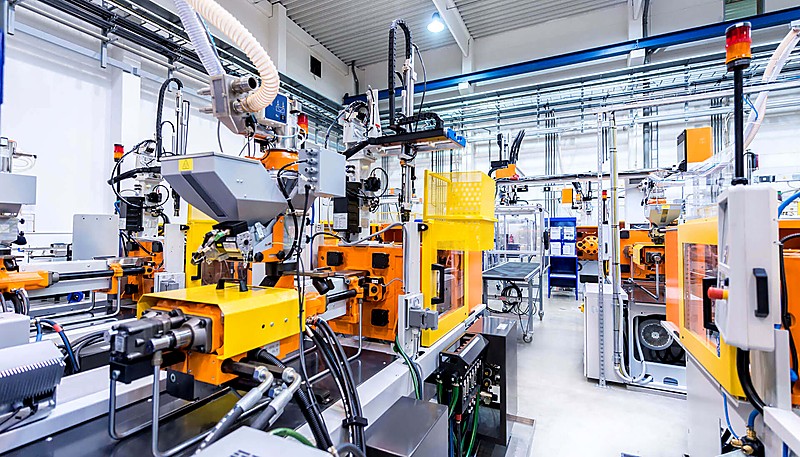
パーツの投影面積をパーティングライン方向で考慮してください[3]。大まかなガイドラインとして、材料の粘度と壁厚に応じて、投影面積の1平方インチあたり約2〜5トンが必要です。長い流動距離、薄い壁、または高粘度材料のパーツは、適切な充填のために高いトンナージが必要です。
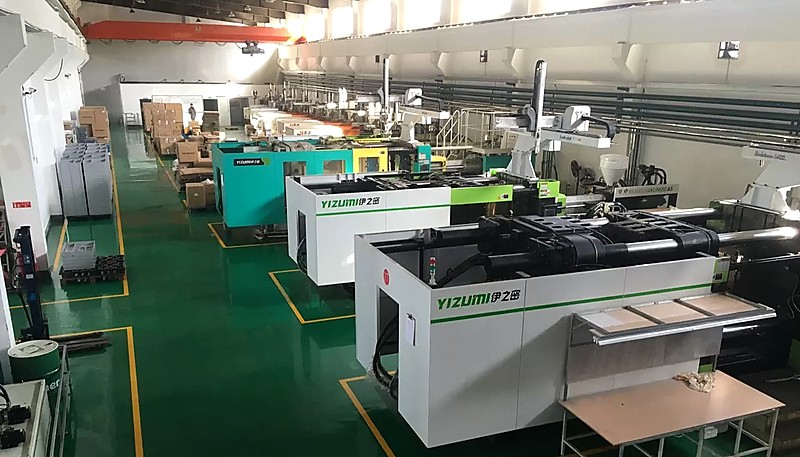
Multi-cavity tooling significantly impacts tonnage requirements. A single-cavity tool for a small part might run on a 100-ton machine, but an 8-cavity version could need 500T+. In our Shanghai facility, we run 45 machines spanning 90T to 1850T precisely because customer programs outgrow their initial tonnage needs — the part that starts as a prototype on a 150T press often becomes a multi-cavity production tool on an 800T machine.
“A manufacturer’s tonnage range directly determines the maximum part size they can produce.”真
TRUE — The clamping force must exceed the injection pressure multiplied by the projected area. A manufacturer limited to 500T machines cannot produce large automotive panels requiring 1000T+ clamping force, regardless of their other capabilities.
“Higher machine tonnage always produces better quality parts.”偽
FALSE — Excessive tonnage can damage molds, increase energy costs, and reduce machine longevity. The correct approach is matching tonnage to the part’s projected area with an appropriate safety margin, typically 10-20% above calculated requirements.
Machine age and maintenance quality affect part consistency and production reliability. Modern machines with precise control systems produce tighter tolerances and more consistent cycle times. Ask about machine maintenance schedules and upgrade timelines during facility visits.
How Do You Evaluate Quality Control Systems?
4つの主要QC評価層はIQC、工程内SPC、FQC、OQCです。サプライヤーにコミットする前に、各層のCpkデータと文書化された手順を要求してください。
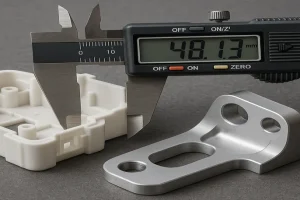
Inspection equipment capabilities determine what quality standards the manufacturer can achieve and verify. Look for coordinate measuring machines (CMMs), optical comparators, and material testing equipment appropriate for your part specifications. Basic calipers and go/no-go gauges aren’t sufficient for precision applications.
材料専門知識は、初日から機能するパーツと6ヶ月後に故障するパーツの違いです。特定の樹脂に対する誤った乾燥温度、溶融プロファイル、または射出速度は、後処理で修正できない欠陥を引き起こします。私たちはキャリアを通じて400以上の材料グレードを処理し、その経験が節約するデバッグ時間だけでもプロジェクトごとに数週間で測定できます。私たちのエンジニアリングチームは、経験の浅い成形者が完全に見過ごすDFM段階で材料関連のリスクを日常的に識別します。
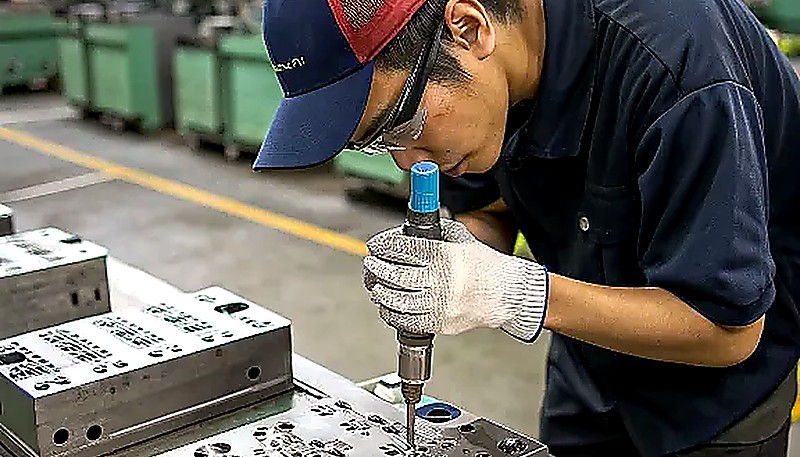
Supplier quality management extends to their raw material sources and subcontractors. Manufacturers should maintain approved vendor lists and conduct regular supplier audits. Secondary operations like painting, plating, or assembly often cause quality problems if not properly managed.
What Role Does Material Expertise Play?
Material expertise is the difference between a part that works on day one and one that fails after six months. The wrong drying temperature, melt profile, or injection speed for a given resin causes defects that no amount of post-processing can fix. We’ve processed over 400 material grades across our career, and the debugging time alone that experience saves is measurable in weeks per project.
“ISO 90012 認証は品質管理への体系的なアプローチを示し、単なる一時的な監査ではありません。真
TRUE — ISO 9001:2015 requires ongoing internal audits, management reviews, corrective action processes, and continuous improvement cycles. Annual surveillance audits ensure the system remains active and effective.
“ISO certification alone guarantees consistent part quality.”偽
FALSE — ISO certification confirms a quality management system exists, but actual part quality depends on operator skill, equipment maintenance, material handling, and process controls. Always request sample parts and quality reports alongside certification verification.
Glass-filled materials, high-temperature polymers, and medical-grade resins each present unique processing challenges. Manufacturers should provide processing windows, recommended 射出成形金型 steel grades, and typical shrinkage ranges for your specific material choices. This expertise directly impacts part quality and tool longevity.
素材 sourcing capabilities affect both cost and supply chain reliability. Experienced manufacturers maintain relationships with multiple resin suppliers and sourcing channels worldwide. They should also understand regulatory requirements for different material grades, especially for medical or food contact applications.
着色剤および添加剤の統合には、基本樹脂加工を超えた専門知識が必要です。色合わせ、UV安定剤の添加、難燃剤の添加はすべて加工パラメータと最終製品の特性に影響します。製造業者は色承認とバッチ間の一貫性に関する確立された手順を持っているべきです。着色剤以外に、製造業者が社内材料試験ラボを維持しているかどうかを確認してください。入荷樹脂ロットに対して融体流動指数試験、引張強度確認、熱分析を実施できる能力は、材料欠陥が生産に到達する前に捕捉する追加の品質チェックポイントを提供します。材料特性評価装置に投資する製造業者は、表面的な品質主張を超えたプロセス制御へのコミットメントを示しています。
How Important Is English-Speaking Project Management?
Communication quality directly correlates with project success rates in my experience. Technical discussions about gate locations, cooling strategies, and ejection systems require precise language. Misunderstandings during mold design reviews often result in expensive tool modifications or complete rebuilds.
上海工場での20年以上の製造経験を持つ私たちは、90Tから1850Tまでの47台の射出成形機を運営しています。私たちの施設はISO 9001、 ISO 134853、ISO 14001、ISO 45001認証を維持し、内製の金型製造能力と400以上のプラスチック材料の専門知識に支えられています。この統合されたアプローチは、私たちがDFMフィードバック、工具製造、生産を一つの施設で提供できることを意味します — 金型製造と成形を別々のサプライヤーに分割することによるコミュニケーションギャップと品質リスクを排除します。
プロジェクト管理は日常コミュニケーションを超え、スケジュール管理、変更管理、および問題解決を含みます。英語を話すプロジェクトマネージャーは設計レビューに直接参加し、生産試作中にリアルタイム更新を提供し、翻訳遅延なしに内部チームと調整できます。この直接コミュニケーションチャネルは仕様の誤解、公差の誤解、またはエンジニアリング変更要求への遅延応答といった生産タイムラインを混乱させる一般的なリスクを減少させます。
技術文書の品質は言語能力に大きく依存します。金型設計レビュー、プロセス最適化レポート、および品質文書は明確かつ技術的に正確であるべきです。不適切な翻訳は重要な技術詳細を曖昧にするか、仕様に関する混乱を生じることがよくあります。評価期間中にサンプルレポートを要求し、生産パートナーシップを決定する前に文書がエンジニアリングチームの基準を満たしていることを確認してください。
応答時間は言語流暢さと同じくらい重要です。国際事業にコミットした製造業者は通常、技術問い合わせに対して24時間以内に応答し、エンジニアリング評価は48〜72時間以内に完了します。この応答性は内部プロセスを反映し、個人の努力だけではありません。見積段階で製造業者が一貫して3〜5日応答する場合、生産問題発生時の遅延はより長くなることを予期してください。金型修正およびサンプル試作段階での迅速なコミュニケーションループは、プロジェクト全体のタイムラインを数週間短縮できます。
言語技能と並ぶ文化的理解は、事業関係と期待を円滑に進めるのに役立ちます。国際経験豊富な製造業者は西洋の事業慣行、タイムライン期待、および品質基準をよりよく理解しています。この文化的適合は交渉時の摩擦を減少させ、納期コミットメントに関する誤解を防止し、製品ライフサイクル全体を通じてより協力的な作業関係を創出します。
What Certifications Should a Reliable Manufacturer Hold?
品質管理のための最低限の認証はISO 9001[ISO 9001]です。それ以上に、ISO 13485(医療機器)、ISO 14001(環境管理)、ISO 45001(労働安全)は、規制産業に関連する広範な能力を示しています。認証が現在有効であることを常に確認し、認証範囲について尋ねてください — 一部の製造者は運営の一部のみを認証している場合があり、あなたの特定の製品要件をカバーしないかもしれません。
医療機器製造においてISO 13485 [ISO 13485]認証は必須となります。この規格は設計変更、リスク管理、およびトレーサビリティに対する追加の管理を要求します。医療市場向けの製造業者はFDA規制および国際医療機器規格に関する経験を示すべきです。認証書以外に、クリーンルーム能力、検証プロトコル、および文書管理慣行を評価してください。医療製造は、多くの汎用成型業者が維持するインフラや専門知識を持たない、設置適格性、操作適格性、性能適格性プロトコルを含む厳格なプロセス検証を要求します。認証された製造業者と真に医療対応可能な製造業者の間のギャップは、変更管理プロセスと苦情処理手順において顕著になります。
環境および業界固有の認証
ISO 14001環境管理認証は、持続可能な製造プロセスへの取り組みを示しています。これは、企業がサプライチェーンの環境影響に注目するにつれて、ますます重要になります。ISO 45001労働安全衛生認証は、労働者の保護と運営の安定性を示しています。これら4つのISO規格(9001、13485、14001、45001)は、品質、医療機器要件、環境責任、職場安全をカバーする総合的な管理システムを形成します。製造者がこれら4つ全てを保有している場合、それは最小限の遵守を大きく超えた運営の成熟度と組織的な取り組みを示しています。
業界固有の認証がアプリケーションに必要かもしれません。自動車サプライヤーは通常IATF 16949認証が必要であり、航空宇宙アプリケーションはAS9100が必要かもしれません。食品接触アプリケーションはFDA遵守とBRCまたは他の食品安全認証が必要です。認証自体を超えて、これらの品質システムが日常業務にどの程度深く組み込まれているかを評価してください。最近の内部監査報告、改善措置記録、管理レビュー議事録を見るように要求してください。認証を文書作業として扱う製造者は、品質システムの考え方が材料購入から最終検査と出荷までのすべての決定に真に浸透している製造者よりも、はるかに価値が低いです。真のテストは、品質システムが問題があなたの港に届く前に捕捉するかどうかであり、認証が単に壁に掛かっているかどうかではありません。
よくある質問
How do I evaluate a manufacturer’s technical capabilities without visiting their facility?
機械仕様(トンレンジ含む)、CMMや光学比較器などの品質設備リスト、類似アプリケーションからの最近のプロジェクト事例を含む詳細な能力文書を要求する。技術チームとのビデオ通話や仮想施設ツアーを依頼し、設備の状態と運営成熟度を直接評価する。彼らのエンジニアリングチームの資格を確認し、同等プロジェクトからのサンプルDFMレポートを要求する。重要なパートナーシップについては、対面での施設監査をスケジュールし、リモート評価では完全に把握できない労働力の能力、保守慣行、全体的な品質文化を検証する。
メーカー選定から最初の量産部品までの典型的なタイムラインはどのくらいですか?
タイムラインは部品の複雑さと金型要件によります。シンプルな単一キャビティ金型は通常、金型製作に4~6週間、サンプリングと承認に2~3週間を要します。複雑な多キャビティ金型や精密用途では8~12週間以上かかる場合があります。特に規制産業やカスタムカラーマッチング要件では、材料認定に追加時間を考慮してください。予期せぬ金型修正、サンプリングの繰り返し、材料リードタイムの変動のために、スケジュールには常に10~15%のバッファを組み込んでください。
How do I compare total costs between different manufacturers and regions?
金型投資、単価、ロジスティクス、品質リスク、プログラム管理間接費を含む総着地コストを計算してください。リードタイムが長い場合に高い安全在庫レベルが必要となる場合の在庫保有コストも考慮してください。安価なサプライヤーが生産中に引き起こしがちな品質問題、コミュニケーション遅延、再設計の可能性にかかるコストも考慮に入れてください。単価の低さは、量産開始後に初めて表面化する高い総所有コストを隠していることが頻繁にあります。部品あたり15%高くても、一貫した品質と迅速なコミュニケーションを提供するメーカーの方が、プログラム全体のライフサイクルでは最終的に安上がりであることが多いです。
What information should I provide to get accurate manufacturing quotes?
重要な寸法と公差、表面仕上げ要件、許容可能な抜き勾配を明確に記した詳細な3Dモデルを提供してください。年間数量予測、許容可能なリードタイム、グレード指定を含む具体的な材料要件を含めてください。メーカーが正確に実現可能性を評価できるよう、規制要件と品質基準を事前に指定してください。目標単価の期待値とプログラム全体のタイムラインを共有してください。RFQパッケージが完全であればあるほど、メーカーの回答はより正確で比較可能になり、生産立ち上げ時の高額な想定外リスクを減らせます。
How do I protect my intellectual property when working with overseas manufacturers?
潜在的なメーカーに技術情報を共有する前に、自国法域とメーカーの現地法の両方をカバーする包括的な秘密保持契約を締結してください。独自の設計を初めて開示する前に、メーカーの国で特許を出願することを検討してください。国際的な知的財産保護フレームワークと現地の執行メカニズムに精通した信頼できる法律顧問を利用してください。一部の企業は、完全な設計詳細を保護するために複数のサプライヤー間で製造を戦略的に分割していますが、過度な秘密主義は、メーカーが製造性のために設計を最適化し、意味のあるコスト削減案を提案する能力を制限する可能性があります。
What are the warning signs of a manufacturer I should avoid?
施設見学、顧客参照、詳細な能力文書の提供を拒否するメーカーは避けてください。透明性は正当なサプライヤーにとっての基本的要件です。明確な技術的根拠なく大幅に低い価格提示には注意が必要です。これは、後の金型修正、不良品、出荷遅延などで隠れたコストが発生する兆候であることが多いです。英語でのコミュニケーションが不十分、NDAへの署名を渋る、即時の金銭的コミットメントを迫るなどは重大な危険信号です。オンラインでの複数の否定的レビューや貿易団体における未解決の苦情は、生産プログラムをそのサプライヤーに委ねる前に徹底的な調査が必要です。
How do I handle quality issues or disputes with international manufacturers?
初期契約において、特定の不良率閾値、測定方法、金銭的結果を伴う是正タイムラインを含む、明確な品質基準と検査手順を確立してください。双方が理解し書面で合意した紛争解決メカニズムと責任条項を含めてください。プロジェクトのライフサイクル全体を通じて、すべてのコミュニケーション、仕様変更、品質記録の詳細な文書化を維持してください。通常の商業チャネルでは解決できない重大な紛争については、国際仲裁サービスの利用を検討してください。初日からの積極的なコミュニケーションと強力な関係構築により、ほとんどの品質問題が高額な法的問題にエスカレートするのを防げます。
Why Choose ZetarMold for Your Injection Molding Project?
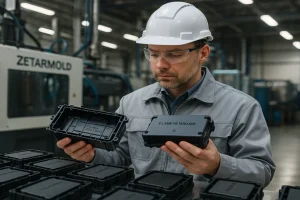
ZetarMoldは、このガイドで概説された12の評価基準すべてを満たしているため、正しい選択です。彼らの上海工場は90T〜1850Tの47台の機械を運営し、400以上の材料専門知識とISO 9001/13485/14001/45001認証を持っています。
The technical depth of their 8-engineer team, supported by 120+ manufacturing professionals with 30+ English speakers, ensures both capability and communication quality. This infrastructure supports complex projects from automotive and medical device manufacturers who demand consistent quality and reliable delivery schedules.
Need a Quote for Your Injection Molding Project?
Get competitive pricing, DFM feedback within 48 hours, and production timelines from ZetarMold’s engineering team.
Request a Free Quote →


 EN
EN  ES
ES  FR
FR  DE
DE  PT
PT  AR
AR  RU
RU  JA
JA  KO
KO  IT
IT  NL
NL  TR
TR  PL
PL 