 コンテンツへスキップ

射出成形部品のもろさは、性能低下や故障につながる可能性があります。部品の耐久性と生産効率を向上させるには、根本的な原因を特定することが不可欠です。
射出成形部品の脆さの主な原因は何ですか? 射出成形金型設計1[1]. Solutions include adjusting the molding parameters, using impact-resistant materials, and improving cooling rates.
脆性に対処するには、材料特性と工程管理を徹底的に検討する必要があります。成形品の強度と性能を向上させるために、成形条件と材料の選択を最適化する方法について詳しくご覧ください。
- Brittleness usually comes from a combined material, mold, process, and use-environment failure rather than one isolated variable.
- The fastest correction path is to verify resin condition, drying, melt temperature, injection speed, holding pressure, and cooling balance in sequence.
- A production-ready solution needs DFM, material testing, and process validation so the fix does not create new warpage or dimensional risks.
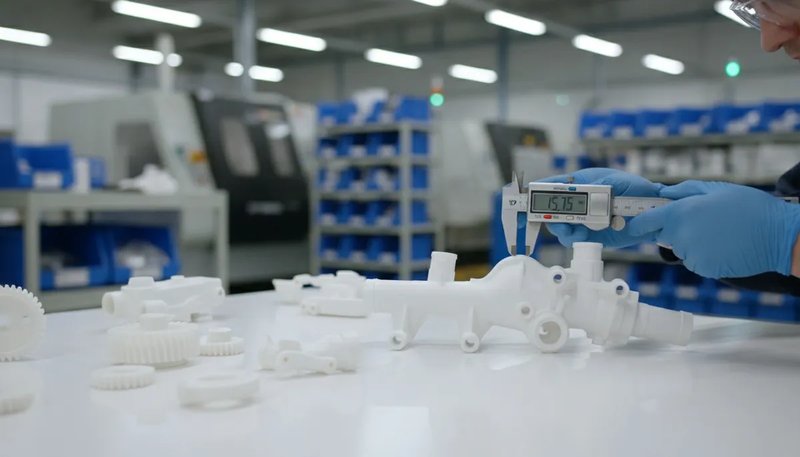
「不適切な冷却は射出成形部品の脆性を引き起こす。」真
急激な冷却や不均一な冷却は内部応力の原因となり、部品の脆性につながります。適切な冷却速度は、応力を低減し、部品の強度を向上させます。
「すべての射出成形部品に同じ材料を使用すると、脆性がなくなる。」偽
部品はその機能によって必要とされる材料が異なります。すべての材料がすべての用途に適しているわけではなく、材料の選択を誤ると脆くなる可能性があります。
射出成形品の脆性は材料の選択で決まる?
If you are comparing vendors or planning procurement, our supplier sourcing guide covers RFQ prep, qualification, and commercial risk checks.
The material choice in 射出成形2 significantly influences the brittleness of molded products. Selecting the right material is crucial for achieving the desired durability and flexibility.
ABS、ポリカーボネート、ナイロンなどの素材は、より強く耐久性のある成形品を提供します。脆性は、温度、材料特性、加工条件などの要因に影響され、製品性能に影響を与える。
不適切な材料選択
For instance, the impact strength of polystyrene (PS) and ABS injection molding3[2] can decrease at low temperatures. Using tougher materials such as polypropylene (PP), polyethylene (PE), or impact-modified grades can improve cold resistance and reduce brittle cracking in molded parts.
材料の老化
プラスチック素材は、熱、光、酸素などの要因によって時間の経過とともに損傷を受ける。材料が古くなるにつれて、材料は徐々にもろくなりますが、これは材料中に鎖状構造が存在するためです。酸化防止剤や紫外線吸収剤を添加することで、プラスチック素材に必要な特性を高め、経年変化を長持ちさせることができる。
リサイクル材料の過剰使用
再生材の機械的強度は通常、バージン材よりも低い。再生材の割合が高すぎると、製品がもろくなりやすくなる。
さらに、再生材料は再加工の段階で多少劣化している可能性もある。リサイクル材の割合を管理し、必要な品質チェックを行うことで、リサイクル材の使用による脆さの問題を最小限に抑えることができる。
「適切な材料を選択すると、射出成形製品の脆性が低減する。」真
ABSやポリカーボネートのような靭性の高い材料は、成形品の柔軟性と耐久性を向上させ、もろさを軽減する。
「材料の選択に関係なく、すべての射出成形製品は同様に脆い。」偽
素材によって応力下での挙動は異なる。ポリカーボネートのように衝撃に強く、ポリスチレンのようにもろくなりにくいものもある。
射出成形部品の脆性に金型設計要因が与える影響とは?
Mold design is a major brittleness control point. It controls melt flow, cooling balance, venting, and stress concentration, so poor gate location, unbalanced runners, sharp ribs, or uneven cooling can lock stress into the part.
ゲート位置や冷却時間などの金型設計要素は、成形部品の結晶化や内部応力に直接影響し、脆性に影響を与えます。適切な設計は、欠陥を最小限に抑え、部品の靭性と寿命を向上させます。
ランナーとゲートのデザイン
ランナーとゲートの設計が悪いと、溶融物の供給が不均等になり、その結果、鋳造物に応力亀裂が生じ、脆くなる。バランスの取れたランナー設計と複数のゲートを使用することで、溶融物の流量を増加させ、応力集中の増大を避けることができる。
金型温度制御
金型温度が低すぎても高すぎても、溶融物の流れや冷却速度に問題が生じる。金型温度が高ければ材料の劣化につながり、低ければ溶融物の流れが悪くなり、キャビティへの充填が不完全になり、内部応力が発生する。この問題に対処するため、温度コントローラーを使用して金型温度を効果的に制御することができる。
ベントデザイン
適切なベント設計は、鋳物から空気が自由に排出され、製品に応力集中を引き起こす可能性のある脆弱ゾーンが形成され、それによって製品の脆性が増大することを保証するために不可欠です。ベントとベントスロットを正しく配置し、その形状を制御することで、バーンスルー壁付近の空隙を回避し、応力集中を軽減することができます。
「金型設計を最適化すると、射出成形部品の脆性が低減する。」真
最適化されたゲート配置と制御された冷却は、内部応力を低減し、材料の流れを改善し、脆性を最小限に抑え、部品の耐久性を向上させます。
「冷却速度を速めると、常に脆性が低減する。」偽
冷却速度は脆性に影響するが、過度に速い冷却は応力分布の不均一や内部欠陥につながり、場合によっては脆性を増大させる可能性がある。
射出成形の脆さを減らすために加工パラメータをどのように調整できるか?
Processing parameter control is the fastest way to reduce brittleness after material selection. In our factory, our engineers validate trials on presses from 90 ton to 1850 ton so the final process window works under real production conditions.
In our factory, our engineers use more than 20 years of molding experience and 47 injection molding machines from 90 ton to 1850 ton to validate brittleness countermeasures against real press capacity, mold temperature control, material drying, and cooling constraints.
Excessive injection speed beyond the required level may result in high shear stress within the mold, creating turbulence in the melt that breaks molecular chains and increases the brittleness of the part.
射出速度
Excessive injection speedthat is beyond the required level may result in high shear stress within the mold creating turbulence on the melt breaks molecular chains and thus increases the brittleness of the part.
しかし、射出速度が低いか小さいと、製品に不均一または部分的に充填された部分と内部のボイドと射出成形の欠陥が生じる。以上の分析に関連して、製品の脆性を減らすために制御すべき最も重要なパラメータの一つは、当該材料の射出速度である。
射出圧力
射出圧力が高すぎると、不要な応力が加わり、分子鎖が切断され、内部応力が集中する領域が生じ、プロセスの靭性が低下する。射出圧力が低いと、製品密度が不均一になり、脆性が増加する。したがって、実験を通じて射出圧力の値を制御することで、製品の脆性を最小限に抑えることができます。
溶融温度
溶融温度が高いと、材料の熱劣化が促進され、分子鎖が破壊され、脆くなる。溶融温度が低いと流動性に影響を与え、充填ムラや品質問題につながる。
溶融温度に対する異なる材料の感度は、製品の靭性を向上させるために溶融温度をある範囲に最適化することで解決できる。
保持圧力と冷却時間
Short holding pressure time leads to uneven internal density and increased brittleness; excessive holding time can leave residual stress in the molded part. If the product is demolded before full solidification, deformation and brittle cracking can appear later. Determining the right holding pressure, holding time, and cooling time through systematic molding trials can effectively reduce brittleness while protecting dimensional stability.
「金型温度を上げると、射出成形の脆性が低減する。」真
金型温度が高いと、材料がより均一に流れ、内部応力が減少し、脆くなるのを防ぐことができる。
「冷却速度を遅くすると、射出成形の脆性は常に低減する。」偽
冷却速度を遅くすることで脆さを抑えることはできますが、すべての素材に最適とは限りません。各素材には、強度と効率のバランスをとるための理想的な冷却速度があります。
環境要因は射出成形材料の脆さにどう影響するか?
Environmental control is required because moisture, chemical exposure, and service temperature can change toughness after molding. Hygroscopic materials need drying and storage control, while cold, hot, outdoor, or chemical-use parts need resin testing that matches the real use environment.
環境因子は射出成形材料の脆さを増減させる。高湿度や極端な温度は材料の劣化につながる可能性がある一方、制御された環境は材料の靭性と寿命を向上させる可能性がある。
湿度
Some plastic materials are highly hygroscopic, and once the plastic absorbs moisture, its mechanical properties change. For example, polyamide (nylon) can become brittle and fragile after absorbing moisture. Therefore, the humidity during production and storage should be controlled, or dehumidifiers should be used to reduce this problem.
使用環境の温度変化はプラスチック製品の脆性に影響を与える。低温は材料を脆くし、高温は材料の老化と劣化を促進する。特定の使用環境に適した材料を選択し、温度管理対策を講じることで、温度変化による材料のもろさの影響を克服することができる。
化学環境
一部の化学薬品はプラスチック材料を侵し、その結果、材料の機械的特性が劣化し、全体的にもろくなることがある。例えば、酸性溶液やアルカリ性溶液、有機溶剤などである。製品の使用環境を理解し、耐薬品性を持つ材料を選択することで、化学環境による脆性を効果的に低減することができます。
「環境要因は射出成形材料の脆性を増加させることがある。」真
高湿度、極端な温度、化学薬品にさらされると素材が弱くなり、ひび割れや破損が起こりやすくなる。
「射出成形材料は環境要因の影響を受けない。」偽
環境条件は材料の性能に重要な役割を果たし、それを考慮しないと、さまざまな用途で製品の不具合につながる可能性がある。
応力集中因子は射出成形品の脆さにどう影響するか?
Stress concentration is a local geometry or loading problem that makes cracks start early. Thin walls, sharp corners, weak weld lines, and assembly loads should be corrected with radius transitions, uniform wall thickness, and validation testing.
射出成形品の応力集中要因は、局所的な応力を引き起こし、亀裂や脆性につながります。これらの要因は、材料特性、設計、成形条件によって異なります。鋭角部を減らし、設計を最適化することで、製品の強度を高めることができます。
不合理な構造設計
製品設計における薄肉や鋭角は、局部的な応力集中を引き起こしやすく、脆性を増大させる。応力集中を避けるために、適度な角の丸みや均一な肉厚を採用する必要があります。有限要素解析やその他のコンピュータ支援設計ソフトウェアツールは、設計中に応力を評価し、製品構造を修正するために使用することができます。
組み立て時および使用時のストレス
組み立て時や使用中に外力が加わると、応力が集中し、特に動的な負荷がかかる場合には、応力が集中した部分に亀裂が生じやすくなるため、脆い材料が作られる可能性があります。そのため、応力集中を緩和し、脆性を回避するためには、適切な組み立て方法を用いるとともに、適切な緩衝措置を講じる必要がある。
内部ストレス
射出成形時の不均一な冷却や不適切な加工パラメーターにより、製品内に内部応力が発生することがあります。内部応力は製品に力が加わると脆くなりやすくなります。アニール処理は、内部応力を効果的に除去し、機械的特性を改善することができます。
「応力集中係数は射出成形製品の脆性を増加させる。」真
鋭角なコーナーや不適切な材料配分などの要因によって引き起こされる局所的な応力は、成形部品の亀裂や脆性につながる可能性があります。
「応力集中係数は常に射出成形製品の脆性を引き起こす。」偽
応力集中因子は脆性のリスクを高めるが、材料強度や設計の最適化によっては、常に破損につながるわけではない。
射出成形部品の脆性防止に検査と品質管理が果たす役割とは?
Inspection and quality control are the safeguards that catch brittle-part risk before shipment. Based on more than 20 years of tooling and injection molding work, our team combines material testing, process-window records, first-article inspection, and functional validation.
効果的な検査と品質管理プロセスにより、材料の流れ不良、不適切な冷却、応力など、脆性につながる欠陥を特定することができます。徹底した検査を実施することで、メーカーはこれらの問題のリスクを低減し、部品全体の強度を向上させることができます。
オンライン検出
射出成形の生産中に、X線検査や超音波検査などのオンライン検出技術を適用することで、製品の品質をリアルタイムで改善し、潜在的な脆性の原因を検出して修正することができます。このように、オンライン検出技術を活用することで、製品の歩留まりと生産効率が向上します。
材料分析
入荷した原材料の場合、引張強度と衝撃強度の品質が生産基準に適合するよう、厳格な検査が実施される。材料分析により、加工前に材料に弱点がないかどうかを判断することができ、生産中に材料が脆くなることはありません。
製品テスト
エージング試験や耐寒試験など、実際の使用に近い試験条件を設定することで、製品の脆性問題を早期に発見し、それに対応した改良を行うことができる。製品試験は、製品が本来の用途で安全かつ効率的に使用されることを保証する品質保証の一環である。
プロセス・バリデーション
プロセス・バリデーションは、生産される前のプロセスが、生産に使用される前に必要とされるだけの安定性と信頼性があることを確立するのに役立つ。プロセス・バリデーション、少量試作のパターン、パラメーターの最適化など。および性能試験は、生産中の脆性を制御する上で重要な役割を果たすことができる。
「検査と品質管理は射出成形部品の脆性を低減する。」真
入念な検査によって、エアポケットや不適切な硬化など、脆性につながる欠陥を特定し、部品を使用する前に修正することができる。
「品質管理は常に射出成形部品の脆性を防止するのに十分である。」偽
品質管理は脆性を大幅に低減させるが、材料の選択や金型設計といった他の要因も、部品の不具合を防ぐ上で重要な役割を果たす。
射出成形品の脆さに対処するための一般的な解決策とは?
Some common solutions to address brittleness in injection-molded products are the main categories or options explained in this section. Brittleness in injection-molded products can be addressed through various techniques like optimizing material selection, adjusting processing conditions, and adding reinforcements to improve durability and toughness.
脆さを減らす一般的な解決策には、耐衝撃性ポリマーの使用、金型温度の変更、冷却速度の調整、材料の柔軟性を高めるための充填剤や可塑剤の添加などがあります。これらの方法は、製品の弾力性を向上させ、破損のリスクを減らすのに役立つ。
材料選択の最適化
最終用途と要求性能に応じて、適切なプラスチックの種類を選択します。高い靭性が必要な場合は、ポリエチレン(PE)やポリプロピレン(PP)など、より優れた素材を選ぶことができます。耐高温性や耐薬品腐食性が要求される場合は、ポリアミド(PA)やポリエステル(PET)などの素材を選ぶことができます。
金型設計の改善
均一なメルトフローを確保するために、ランナーとゲートを設計する。金型温度が極端なレベルに達しないように制御する。応力集中を抑える手段として、複数のゲートを使用することを推奨する。スムーズな空気排出を確保し、ボイドや応力集中を避けるため、ベント設計を最適化する。
処理パラメータの調整
Control the injection speed and pressure within a reasonable range to make the melt fill the mold cavity evenly and reduce internal stress. Change the melt temperature according to material properties to prevent material damage. Other process parameters such as holding pressure and cooling time should also be set to make the product material density evenly distributed and reduce the impact of residual stress.
生産環境の改善
生産環境の湿度と温度を管理する。これは材料の含水率に影響するからである。デリケートなものには除湿装置を使用する。化学的環境による材料の腐食を避けるため、適切な化学的保護措置をとる。
合理的な構造設計
設計においては、薄い壁や鋭角のコーナーを設けるべきではなく、緩やかな変化と均等な厚さの壁が最適である。応力集中を避けるため、組み立て時や使用時に部品の応力を均等に分散させる必要がある。有限要素解析ソフトウェアを活用して、特定の製品の構造に関して改善すべき点を特定する。
検出と品質管理の強化
オンライン検出技術を使用して、リアルタイムで製品の品質を監視します。原材料を厳格に検査し、生産要件を満たしていることを確認する。実際の使用環境を模擬した試験を行い、脆性問題を早期に発見し、改善する。新工程や新素材の工程検証を徹底的に行い、安定性と信頼性を見極める。
「耐衝撃性材料を使用すると、射出成形製品の脆性が低減する。」真
PC/ABSブレンドやポリカーボネートなどの素材は耐衝撃性が高く、成形部品の強靭性を向上させる。
「冷却速度を遅くすれば、射出成形部品の脆性は常に防止できる。」偽
冷却を遅くすれば内部応力を低減できるが、冷却が遅すぎるとサイクル時間が長くなり、反りが生じる可能性がある。
How Can Manufacturers Effectively Overcome Brittleness in Injection Molded Parts?
A system-level fix is the safest way to overcome brittleness in injection molded parts. The action plan should connect resin selection, mold design, drying, melt temperature, pressure control, cooling balance, and final inspection.
Injection molding is a complex process that demands comprehensive consideration of all contributing factors. By implementing the solutions outlined above—from scientific material selection to advanced online detection—production teams can systematically eliminate brittleness problems and deliver consistently high-quality products.
For a comprehensive overview of best practices across the entire injection molding process, see our Injection Molding Complete Guide次のプロジェクトで専門家のサポートが必要な場合、ZetarMoldのエンジニアリングチームがDFMフィードバック、材料推奨、競争力のある見積もりを提供します。
For a comprehensive overview of best practices across the entire injection molding process, see our Injection Molding Complete Guide[3]. If you need expert support for your next project, ZetarMold engineering team provides DFM feedback, material recommendations, and competitive quoting.
よくある質問
What is the main cause of brittleness in injection molded parts?
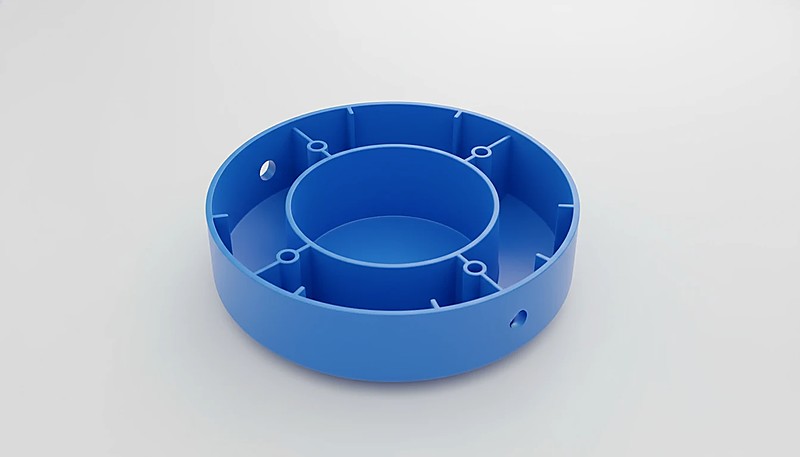
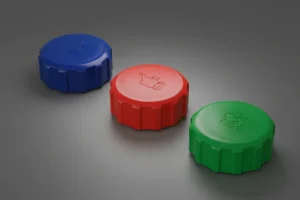
青い射出成形部品は、応力を集中させることができる幾何学的形状を示しています
How does mold design affect the brittleness of injection molded parts?
Mold design affects brittleness because it controls how plastic fills, packs, cools, and releases from the tool. Poor gate placement can create weld lines, shear stress, or uneven flow length. Unbalanced runners may leave one cavity overpacked while another is weak. Inadequate venting can trap gas and create burn marks or weak zones. Cooling channels that remove heat unevenly can lock internal stress into the part. A good mold design reduces these risks by balancing flow, venting air, and stabilizing cooling.
Can recycled materials cause brittleness in injection molding?
Yes, recycled material can cause brittleness when the ratio is too high or when the recycled stream is not controlled. Each heat history can shorten polymer chains, reduce impact strength, and introduce contamination or colorant variation. Regrind can still be useful for noncritical parts, but it needs a defined blend ratio, drying control, and mechanical testing. For structural, safety, or appearance-critical parts, the safer approach is to limit recycled content and validate toughness with actual production samples before approving mass production.
How can environmental factors be managed to prevent brittleness?
Environmental factors should be managed by matching the resin to the real service environment and then controlling storage, drying, and production conditions. Hygroscopic materials such as nylon need moisture control before molding, because absorbed water can change mechanical properties. Parts used in cold, hot, chemical, or outdoor environments need material selection and testing based on those conditions. Aging, cold impact, humidity, and chemical exposure tests help confirm that the molded part will not become brittle after shipment or daily use.
What quality control measures help prevent brittle injection molded parts?
Useful quality control measures include incoming resin inspection, moisture checks, melt temperature records, process window validation, first-article inspection, and impact or tensile testing where toughness is critical. In-process monitoring can catch abnormal pressure, speed, or temperature changes before they create brittle batches. Final inspection should look for cracks, stress whitening, weak weld lines, and dimensional distortion. The strongest prevention method is to connect material testing, DFM review, molding parameters, and production inspection into one controlled validation plan before shipment approval.
-
injection mold design: injection mold design refers to the tooling decisions that define gate placement, cooling behavior, ejection, venting, wall thickness, and other factors that influence brittleness. ↩
-
injection molding: injection molding refers to the production process that melts plastic, injects it into a mold cavity, cools the part, and repeats the cycle for stable volume manufacturing. ↩
-
ABS injection molding: ABS injection molding refers to molding acrylonitrile butadiene styrene resin where grade choice, drying, melt temperature, and mold design affect toughness. ↩



 EN
EN  ES
ES  FR
FR  DE
DE  PT
PT  AR
AR  RU
RU  JA
JA  KO
KO  IT
IT  NL
NL  TR
TR  PL
PL 