Che cosa significa ridurre il peso del componente nello stampaggio a iniezione?
Ridurre il peso dei pezzi nello stampaggio a iniezione significa progettare e produrre componenti in plastica che usino meno materiale mantenendo le prestazioni meccaniche, l’accuratezza dimensionale e la qualità superficiale richieste. È uno dei modi più efficaci per ridurre i costi dei materiali, abbreviare i cicli e soddisfare requisiti sempre più rigorosi di sostenibilità ed efficienza dei carburanti nei vari settori.
Nella nostra esperienza presso ZetarMold, i progetti di riduzione del peso mirano tipicamente a un risparmio di materiale di 10–30%. L’approccio dipende dalla funzione della parte, dal materiale e dal volume di produzione. Un housing per elettronica di consumo con pareti sottili richiede strategie diverse rispetto a un supporto strutturale automobilistico. La chiave è comprendere quale combinazione di design, materiale e modifiche di processo offre il miglior rapporto peso-performance per la tua specifica applicazione.
La domanda di pezzi stampati a iniezione più leggeri è trainata da diverse tendenze convergenti: OEM automobilistici impegnati a rispettare gli standard di consumo, marchi di elettronica di consumo alla ricerca di dispositivi più sottili e requisiti di sostenibilità che spingono a ridurre il consumo di plastica. Secondo i dati di settore, ogni riduzione del 10% del peso del veicolo può migliorare l’efficienza del carburante del 6–8%.
“La riduzione dello spessore della parete indebolisce sempre il pezzo e ne causa il cedimento.”False
Se abbinate a un adeguato rinforzo con nervature e alla corretta scelta del materiale, pareti più sottili possono mantenere o persino migliorare la rigidità. Nervature pari al 60% dello spessore della parete aggiungono supporto strutturale senza avvallamenti, consentendo una significativa riduzione del peso senza perdita di prestazioni.
“Il rinforzo tramite nervature permette pareti più sottili mantenendo la rigidità della parte.”True
Le nervature progettate correttamente, pari al 50–60% dello spessore nominale della parete e con uno sformo di 1–3°, aumentano il momento d'inerzia senza aggiungere una quantità significativa di materiale. È l'approccio standard nei settori automobilistico ed elettronico per i pezzi ottimizzati in termini di peso.
Quali sono le principali strategie per ridurre il peso del pezzo?
Esistono cinque strategie fondamentali per ridurre il peso dei pezzi nello stampaggio a iniezione: ottimizzazione dello spessore delle pareti, nervature e rinforzo strutturale, sostituzione dei materiali, modifica del processo e consolidamento dei pezzi. Ciascuna affronta un aspetto diverso dell’equazione del peso e i progetti più efficaci combinano più approcci.
| Strategia | Riduzione di peso tipica | Complessità | Il migliore per |
|---|---|---|---|
| Ottimizzazione dello spessore delle pareti | 15–35% | Medio | Alloggiamenti, involucri, pannelli |
| Rinforzo a nervature | 10–20% | Basso | Parti strutturali, staffe |
| Sostituzione del materiale | 10–25% | Basso–Medio | Tutti i tipi di componenti |
| Stampaggio assistito da gas / con schiuma | 15–30% | Alto | Sezioni spesse, maniglie, pannelli di grandi dimensioni |
| Consolidamento dei componenti | 5–15% | Medio-alto | Assiemi multicomponente |
Nella nostra fabbrica iniziamo normalmente con un’analisi del flusso nello stampo1 per individuare dove rimuovere materiale senza compromettere il riempimento o le prestazioni strutturali. Questo approccio basato prima di tutto sulla simulazione evita in seguito costose modifiche dello stampo.
In che modo l’ottimizzazione dello spessore di parete riduce il peso?
L’ottimizzazione dello spessore delle pareti è il modo più diretto per ridurre il peso dei pezzi. Poiché il peso è direttamente proporzionale al volume, ridurre lo spessore di un pannello piano da 3,0 a 2,0 mm riduce il peso di circa il 33% e spesso abbrevia il raffreddamento del 40–50%, riducendo anche il ciclo.
La sfida è mantenere una rigidità adeguata ed evitare difetti di stampaggio. Pareti più sottili richiedono pressioni di iniezione più elevate e velocità di riempimento più rapide, e sono più suscettibili a iniezioni incomplete e deformazioni. Ecco cosa abbiamo imparato da centinaia di progetti con pareti sottili:
- Lo spessore minimo della parete dipende dal materiale: per pezzi piccoli il PP può scendere a 0,8 mm, mentre il PC richiede in genere almeno 1,2 mm.
- L’uniformità dello spessore delle pareti è essenziale: variazioni superiori al 25% causano raffreddamento differenziale e deformazioni.
- Il rapporto tra lunghezza di flusso e spessore deve restare entro i limiti del materiale (in genere 150:1 per il PP e 100:1 per il PC).
- La posizione e le dimensioni del punto d’iniezione devono essere ottimizzate per la sezione più sottile.
| Materiale | Densità (g/cm³) | Spessore minimo della parete (mm) | Rapporto massimo di flusso | Applicazioni tipiche |
|---|---|---|---|---|
| PP | 0.90–0.91 | 0.8 | 150:1 | Imballaggi, contenitori |
| ABS | 1.04–1.07 | 1.0 | 120:1 | Alloggiamenti per elettronica |
| PC | 1.20–1.22 | 1.2 | 100:1 | Lenti, componenti di sicurezza |
| PA (poliammide) | 1.13–1.15 | 0.8 | 130:1 | Automobilistico, strutturale |
| POM | 1.41–1.43 | 0.8 | 100:1 | Ingranaggi, pezzi di precisione |
L’ottimizzazione dei parametri del processo di stampaggio a iniezione è fondamentale per produrre parti più leggere in modo costante. Pareti più sottili e materiali più leggeri richiedono impostazioni della macchina diverse rispetto allo stampaggio convenzionale, e il corretto definizione di questi parametri è la differenza tra parti buone e scarti.
La progettazione delle nervature è la strategia complementare alla riduzione dello spessore delle pareti. Quando si assottigliano le pareti, si compensa la perdita di rigidità aggiungendo nervature, elementi sottili e sporgenti sul lato non estetico del pezzo. Nervature progettate correttamente possono aumentare la rigidità del pezzo di 3–5 volte con un incremento dell’uso di materiale di appena il 10–15% rispetto al peso risparmiato grazie alle pareti più sottili.
Per la progettazione delle nervature nei progetti di riduzione del peso seguiamo queste linee guida collaudate:
- Spessore delle nervature: 50–60% dello spessore della parete adiacente (ad es. nervatura da 1,2 mm per una parete da 2,0 mm)
- Altezza delle nervature: massimo 3 volte lo spessore della parete
- Angolo di sformo: 1–3° per lato per un’espulsione pulita
- Distanza tra le nervature: almeno 2 volte lo spessore della parete
- Raggio alla base: 0,25–0,5 volte lo spessore della parete per ridurre la concentrazione delle tensioni
In un progetto automobilistico, abbiamo ridotto la parete di un supporto del dashboard da 2,8 mm a 1,8 mm e aggiunto un pattern di nervature trasversali. Il risultato: una riduzione del peso di 28% con solo una diminuzione della deflessione sotto carico di 5%. Le pareti più sottili hanno anche ridotto il tempo di ciclo da 45 a 32 secondi.
Quali materiali offrono il miglior potenziale di riduzione del peso?
La selezione del materiale è uno strumento efficace per ridurre il peso, perché polimeri diversi hanno densità notevolmente differenti. Il passaggio da un materiale a densità maggiore a un’alternativa a densità inferiore — oppure l’uso di composti caricati che consentono pareti più sottili — può ridurre il peso del 10–25% senza modificare la geometria del pezzo.
Ecco le strategie di sostituzione dei materiali che utilizziamo più spesso:
- PP al posto dell’ABS: passando dall’ABS (1,05 g/cm³) al PP (0,90 g/cm³) si risparmia circa il 14% di peso. Il PP costa inoltre meno al kg.
- PA caricato con fibra di vetro al posto del metallo: sostituendo lo zinco pressofuso (6,6 g/cm³) con PA6-GF30 (1,36 g/cm³), il peso delle staffe strutturali si riduce di circa l’80%.
- Compositi con fibra di vetro lunga (LGF): consentono pareti più sottili con maggiore rigidità, riducendo il peso mediante l’ottimizzazione delle pareti.
- Gradi espandibili: i materiali progettati per lo stampaggio a iniezione con espansione contengono agenti espandenti chimici o fisici che riducono la densità dell’8–20%.
“I materiali più leggeri costano sempre più, rendendo la riduzione del peso finanziariamente impraticabile.”False
Il PP è sia più leggero (0,90 g/cm³) e più economico per kg rispetto all'ABS (1,05 g/cm³) o al PC (1,20 g/cm³). Molti progetti di riduzione del peso in realtà riducono i costi del materiale perché si usa meno materiale per parte, e i materiali più leggeri spesso hanno prezzi per kilogrammo più bassi.
“Il rinforzo con fibre di vetro permette pareti più sottili che compensano la maggiore densità del compound.”True
Sebbene i compound caricati con fibra di vetro siano più densi, ad esempio PA6-GF30 a 1,36 g/cm³ contro PA6 non caricato a 1,13 g/cm³, l'aumento di rigidità di 2–3 volte consente di ridurre lo spessore delle pareti del 30–40%, ottenendo un calo netto del peso del 15–20%.
In che modo i processi di stampaggio assistito da gas e di stampaggio con schiuma riducono il peso?
Lo stampaggio a iniezione assistito da gas e lo stampaggio a microcellule (MuCell®) sono i due approcci più efficaci basati sul processo per la riduzione del peso. Entrambi creano strutture interne cave o cellulari che riducono l’uso di materiale di 15–30% mantenendo le dimensioni esterne e l’apparenza superficiale della parte.
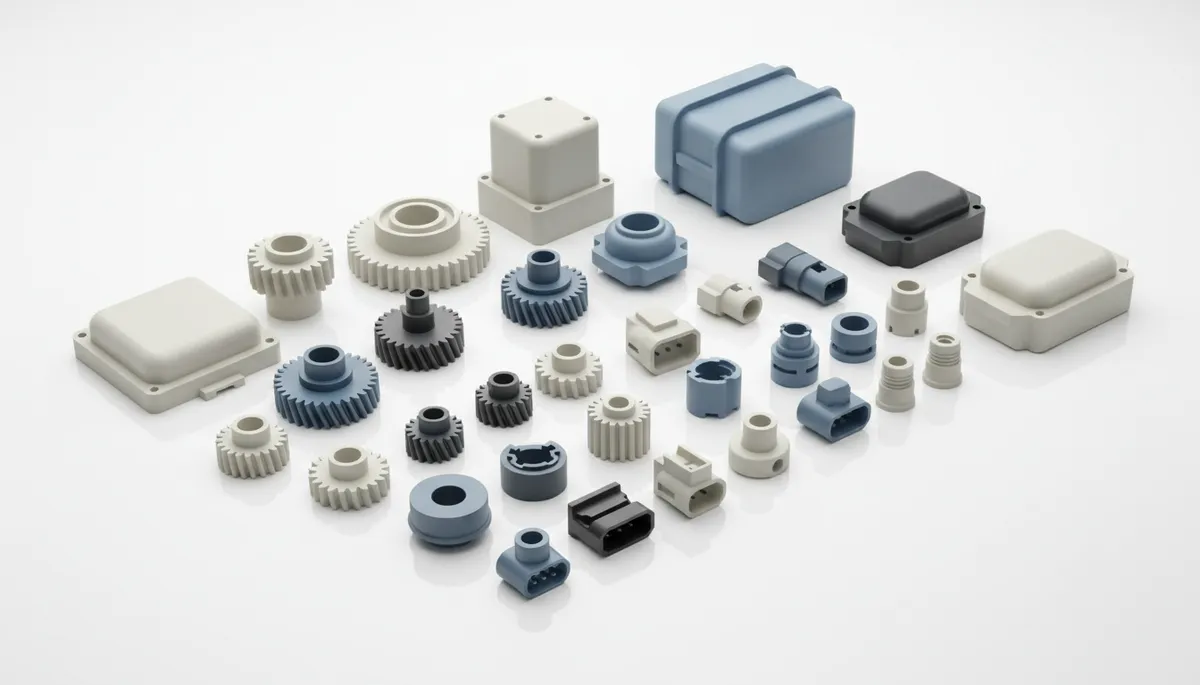
Stampaggio a iniezione assistito da gas
Nel stampaggio assistito da gas, gas nitrogeno viene iniettato nelle sezioni spesse dopo la prima iniezione di plastica. Il gas crea canali cavi dentro la parte, riducendo l’uso di materiale di 20–40% in componenti con pareti spesse come maniglie, telai e elementi strutturali. Abbiamo utilizzato questa tecnica sui braccioli di mobili dove abbiamo ridotto il peso della parte da 380 g a 260 g — un risparmio di 32%.
Stampaggio con schiuma microcellulare (MuCell)
La tecnologia MuCell introduce azoto supercritico o CO₂ nel polimero fuso, creando milioni di celle microscopiche (5–100 μm) in tutto il pezzo. Ciò consente di ottenere:
- Riduzione del peso dell’8–20% a seconda della geometria del pezzo
- Tempi di ciclo più brevi del 15–30% (minor tempo di raffreddamento e nessuna fase di compattazione)
- Requisiti di forza di chiusura ridotti (fino al 50% in meno)
- Risucchi e deformazioni praticamente eliminati
Il compromesso è un lieve motivo a vortice sulla superficie dei pezzi non rivestiti, che limita MuCell alle superfici non estetiche o ai pezzi che verranno verniciati o testurizzati.
Quale ruolo svolge la progettazione dello stampo nella riduzione del peso del pezzo?
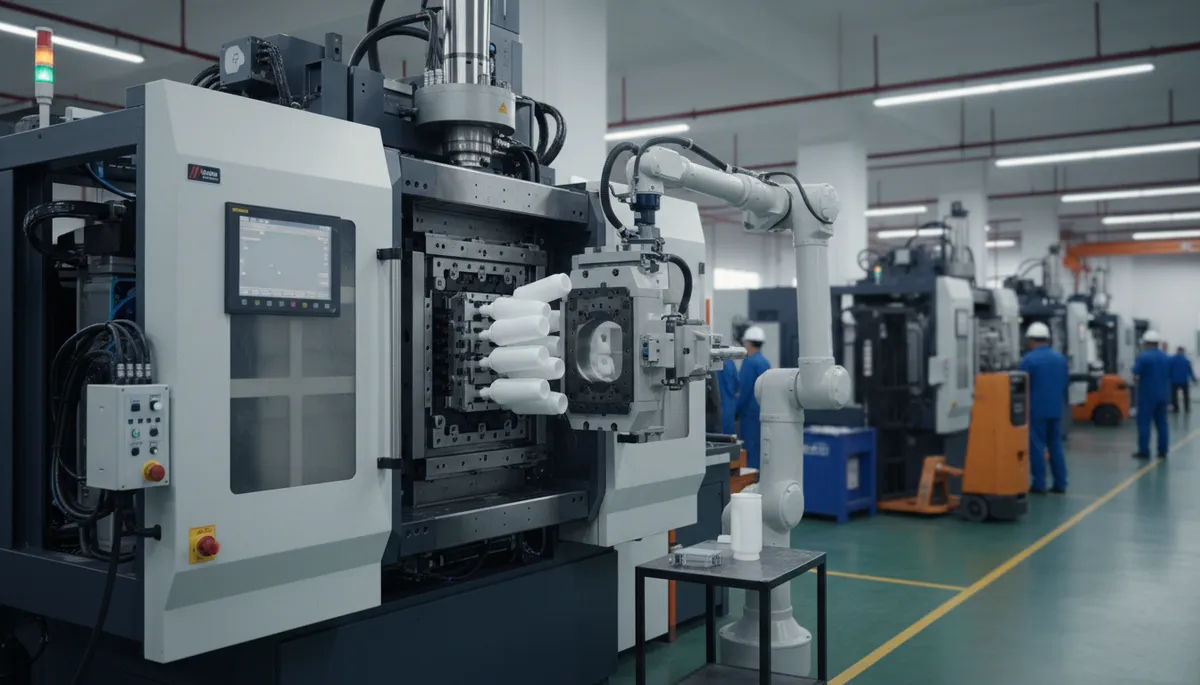
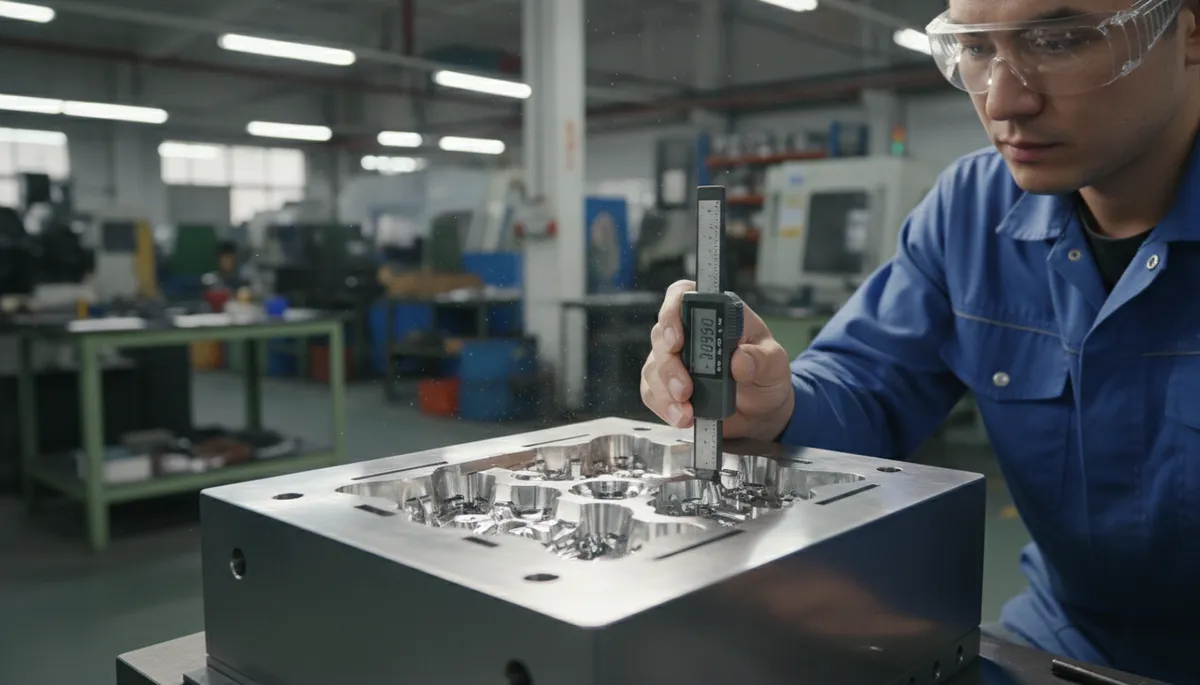
La progettazione dello stampo influisce direttamente sulla possibilità di ridurre il peso del pezzo. Uno stampo progettato per un pezzo con pareti da 3,0 mm non può essere utilizzato semplicemente con pareti da 1,5 mm senza modifiche. La progettazione dello stampo deve supportare la specifica strategia di riduzione del peso mediante l’ottimizzazione dei punti di iniezione, del raffreddamento e dello sfiato.
Considerazioni critiche sulla progettazione dello stampo per pezzi leggeri:
- Progettazione dei punti d’iniezione: le pareti più sottili richiedono punti d’iniezione più grandi o più numerosi per completare il riempimento prima della solidificazione. I sistemi a canale caldo con ugelli a otturazione offrono il controllo migliore.
- Configurazione del raffreddamento: un raffreddamento uniforme è ancora più importante per le pareti sottili. I canali di raffreddamento conformato2 (inserti stampati in 3D) possono ridurre il tempo di raffreddamento del 30–40%.
- Sfiato: le cavità sottili si riempiono più velocemente e intrappolano l’aria più facilmente. Per la maggior parte delle resine, gli sfiati devono avere una profondità di 0,02–0,03 mm.
- Scelta dell’acciaio: nelle zone critiche, gli acciai ad alta conducibilità termica, come le leghe rame-berillio, migliorano l’estrazione del calore.
Abbiamo scoperto che investire nella simulazione del flusso dello stampo prima di tagliare il metallo salva 2–3 cicli di revisione dello stampo nei progetti con pareti sottili. Identifica problemi di bilanciamento del riempimento, posizioni delle linee di saldatura e problemi di uniformità del raffreddamento che altrimenti richiederebbero modificazioni costose dello stampo.
Quali parametri di processo ottimizzare per ottenere pezzi più leggeri?
L’ottimizzazione dei parametri del processo di stampaggio a iniezione è essenziale per produrre con costanza pezzi più leggeri. Pareti più sottili e materiali più leggeri richiedono impostazioni della macchina diverse rispetto allo stampaggio convenzionale, e la corretta regolazione di questi parametri fa la differenza tra pezzi conformi e scarti.
| Parametro | Steel-safe si riferisce a una direzione di modifica dello stampo in cui il metallo viene rimosso dallo stampo anziché aggiunto. Le asportazioni di nucleo e le aggiunte di nervature sono modifiche steel-safe perché richiedono l'asportazione di acciaio, il che è più semplice ed economico rispetto alla saldatura o alla sostituzione degli inserti. | Parete sottile / leggero | Perché cambia |
|---|---|---|---|
| Velocità di iniezione | 50–100 mm/s | 200–500 mm/s | Previene la solidificazione prematura nelle sezioni sottili |
| Pressione di iniezione | 80–120 MPa | 120–200 MPa | Supera una maggiore resistenza al flusso |
| Temperatura di fusione | Gamma standard | Fascia superiore (+10–20 °C) | Migliora il flusso nelle cavità sottili |
| Temperatura dello stampo | 40–60°C | 60–90°C | Ritarda il congelamento per migliorare il riempimento |
| Pressione di mantenimento | 60–80% dell'iniezione | 40–60% della pressione di iniezione | Il punto di iniezione solidifica più rapidamente, è necessaria meno compattazione |
| Tempo di raffreddamento | 15–30 s | 8–15 s | Le pareti più sottili si raffreddano più rapidamente |
Un consiglio pratico dal nostro reparto produttivo: passando a pareti più sottili, aumentare la velocità di iniezione con incrementi del 10% e monitorare il peso del pezzo con una bilancia di precisione. La stabilità del peso del pezzo (entro ±0.5%) è il miglior indicatore che il processo è ottimizzato per il nuovo progetto.
Quali sono le applicazioni reali della riduzione del peso nello stampaggio a iniezione?
La riduzione del peso nello stampaggio a iniezione offre benefici misurabili nell’automotive, nell’elettronica di consumo, nei dispositivi medici e nel packaging. Ecco alcuni esempi specifici da progetti che abbiamo gestito e benchmark del settore.
Settore automobilistico
Un fornitore Tier-1 con cui abbiamo collaborato ha sostituito una staffa HVAC in alluminio pressofuso con PA66-GF50, riducendo il peso da 420 g a 185 g (56%) e unificando tre pezzi in uno. Il pezzo stampato a iniezione ha inoltre eliminato le lavorazioni secondarie.
Elettronica di consumo
Per il guscio di un laptop abbiamo ottimizzato lo spessore delle pareti da 2,0 mm a 1,4 mm usando una miscela PC/ABS con il 15% di fibra di vetro. Il peso è sceso da 145 g a 98 g e il tempo ciclo da 28 s a 19 s. Il progetto più sottile ha richiesto il passaggio a un sistema a canale caldo3 con 8 ugelli a otturazione.
Dispositivi medici
Gli involucri per dispositivi medici monouso beneficiano della riduzione del peso ottenuta risparmiando materiale negli alti volumi. Abbiamo aiutato un cliente a ridurre del 18% il peso di una cartuccia diagnostica mediante stampaggio a parete sottile in PP, con un risparmio annuo sui materiali superiore a $200,000 su una produzione di 5 milioni di unità/anno.
Imballaggio
Gli imballaggi a parete sottile rappresentano il caso estremo di riduzione del peso: vasetti di yogurt con pareti di 0,4 mm e contenitori alimentari da 0,6 mm. Queste applicazioni utilizzano gradi di PP ad alto MFI (50–100 g/10 min) e velocità di iniezione superiori a 500 mm/s.
FAQ
Quanto peso si può realisticamente ridurre in un pezzo stampato a iniezione?
La maggior parte dei progetti di alleggerimento ottiene riduzioni del 10–30%. La sola ottimizzazione dello spessore delle pareti può offrire il 15–35%, mentre lo stampaggio con schiuma microcellulare aggiunge un ulteriore 8–20%. Nelle applicazioni automobilistiche, strategie combinate hanno raggiunto una riduzione del peso fino al 50% passando dal metallo a una plastica tecnica.
La riduzione del peso della parte influisce sulla resistenza strutturale?
Non necessariamente. Rimuovendo il materiale in modo strategico — assottigliando le pareti e aggiungendo nervature, utilizzando materiali con maggiore rigidità o impiegando anime in espanso — il rapporto resistenza-peso migliora. È essenziale utilizzare strumenti di simulazione come l’analisi del flusso nello stampo e la FEA per convalidare il progetto prima della produzione.
Qual è l’impatto della riduzione del peso sui costi?
La riduzione del peso generalmente diminuisce il costo unitario perché si utilizza meno materiale per componente. Tuttavia, i costi iniziali dello stampo possono aumentare per stampi a parete sottile (acciaio di qualità superiore, raffreddamento più complesso, sistemi a canale caldo). Per volumi di produzione superiori a 50.000 componenti, il risparmio di materiale compensa quasi sempre il maggiore investimento nello stampo.
È possibile modificare gli stampi esistenti per ottenere pezzi più leggeri?
A volte. Aggiungere nervature o svuotare sezioni spesse è fattibile perché comporta la rimozione di acciaio dallo stampo, una modifica «steel-safe»4. Ridurre lo spessore delle pareti richiede invece di aggiungere acciaio sul lato dell’anima: un intervento più complesso che talvolta impone nuovi inserti o la sostituzione completa dell’anima.
Che cos’è MuCell e come riduce il peso?
MuCell (stampaggio a iniezione di schiuma microcellulare) è un processo che introduce gas supercritico (N₂ o CO₂) nel fuso polimerico per creare milioni di cellule microscopiche. Queste cellule riducono la densità del pezzo dell’8–20%, eliminando al contempo i risucchi, riducendo la deformazione e abbreviando i tempi ciclo del 15–30%. Richiede un’unità di iniezione speciale con sistema di erogazione del gas.
Quali settori traggono maggiori vantaggi dalla riduzione del peso mediante stampaggio a iniezione?
Il settore automobilistico guida la domanda a causa delle normative sull’efficienza dei consumi: ogni chilogrammo conta. L’elettronica di consumo segue da vicino, poiché dispositivi più leggeri migliorano l’esperienza dell’utente. Gli imballaggi medicali e i dispositivi monouso beneficiano del risparmio di materiale nei grandi volumi. Il settore aerospaziale utilizza componenti leggeri stampati a iniezione per elementi interni non strutturali.
Come si verifica che un pezzo leggero rispetti le specifiche?
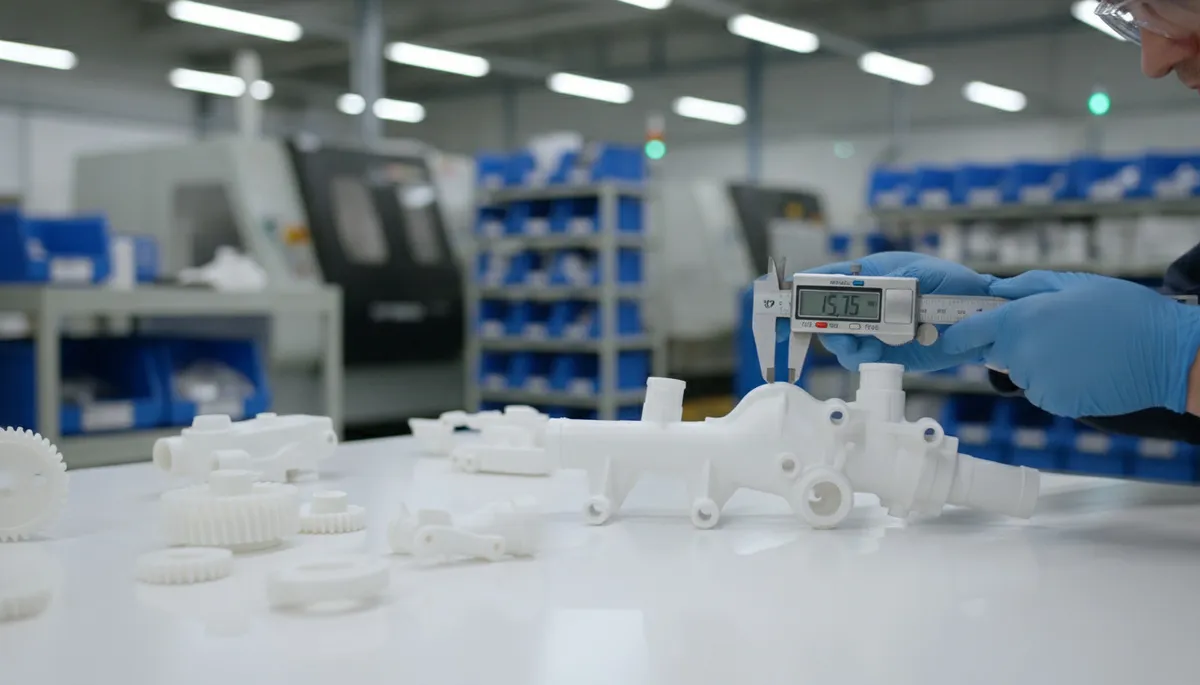
Utilizziamo una combinazione di: (1) monitoraggio del peso del pezzo a ogni iniezione (tolleranza ±0.5%), (2) ispezione dimensionale mediante CMM, (3) prove meccaniche (trazione, urto, flessione) secondo gli standard ASTM/ISO e (4) prove funzionali nell’applicazione. Per i componenti critici, la scansione CT può verificare la struttura interna dei componenti stampati con schiuma.
Sintesi
Ridurre il peso dei pezzi nello stampaggio a iniezione è una sfida ingegneristica sistematica che combina ottimizzazione progettuale, scienza dei materiali e tecnologia di processo. L’approccio più efficace parte dall’ottimizzazione dello spessore delle pareti e dal progetto delle nervature, le modifiche meno costose e di maggiore impatto. La sostituzione del materiale offre vantaggi immediati quando si passa a polimeri a densità inferiore. Per la massima riduzione del peso, processi avanzati come lo stampaggio assistito da gas e quello con schiuma microcellulare portano il risparmio al 20–30% o più.
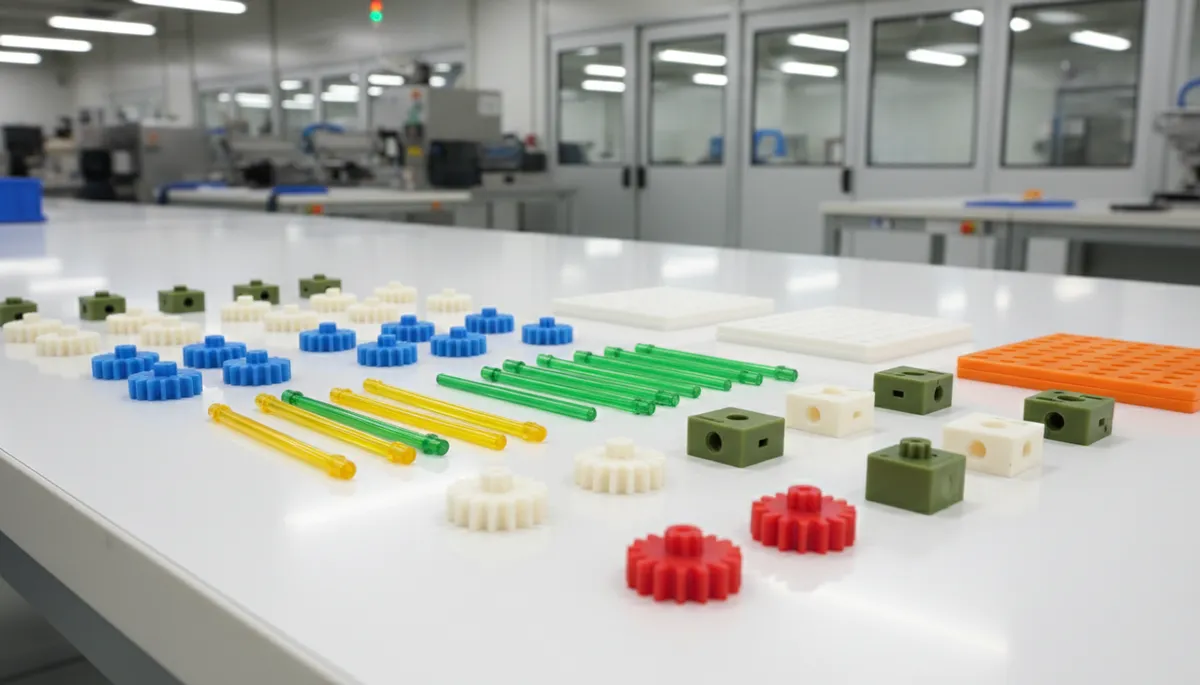
In ZetarMold affrontiamo ogni progetto di riduzione del peso con una progettazione basata sulla simulazione e decenni di esperienza diretta in produzione. Che dobbiate ridurre del 10% un prodotto di consumo o del 30% un componente automobilistico, la giusta combinazione di queste strategie vi permetterà di raggiungere l’obiettivo. Contattate il nostro team di ingegneria per discutere i vostri obiettivi di riduzione del peso. Consultate la nostra Guida completa allo stampaggio a iniezione per una panoramica esaustiva. Consultate la nostra Guida completa allo stampaggio a iniezione per una panoramica esaustiva. Consultate la nostra Guida completa allo stampaggio a iniezione per una panoramica esaustiva. Consultate la nostra Guida completa allo stampaggio a iniezione per una panoramica esaustiva. Consultate la nostra Guida completa allo stampaggio a iniezione per una panoramica esaustiva. Consultate la nostra Guida completa allo stampaggio a iniezione per una panoramica esaustiva.
-
L’analisi del flusso nello stampo è una tecnica di simulazione informatica che prevede come la plastica fusa riempirà la cavità, individuando prima della costruzione dello stampo problemi potenziali quali sacche d’aria, linee di giunzione e raffreddamento non uniforme. ↩
-
Il raffreddamento conformato impiega canali che seguono il profilo della cavità dello stampo, generalmente prodotti mediante stampa 3D in metallo (DMLS). A differenza dei tradizionali canali rettilinei forati, assicura un’estrazione uniforme del calore, riduce il tempo di raffreddamento del 30–40% e migliora la qualità dei pezzi. ↩
-
Un sistema a canale caldo mantiene la plastica nei canali di alimentazione alla temperatura di fusione, eliminando gli scarti delle materozze e consentendo cicli più rapidi. Nello stampaggio a parete sottile, i canali caldi con ugelli a otturazione permettono di controllare con precisione l’equilibrio del riempimento tra più punti d’iniezione. ↩
-
Steel-safe indica una direzione di modifica dello stampo in cui il metallo viene rimosso anziché aggiunto. Gli svuotamenti dell’anima e l’aggiunta di nervature sono modifiche steel-safe perché richiedono di asportare acciaio, un’operazione più semplice ed economica rispetto alla saldatura o alla sostituzione degli inserti. ↩
Richiedi prezzi competitivi, feedback DFM e tempistiche di produzione al team tecnico di ZetarMold.