 Skip to content

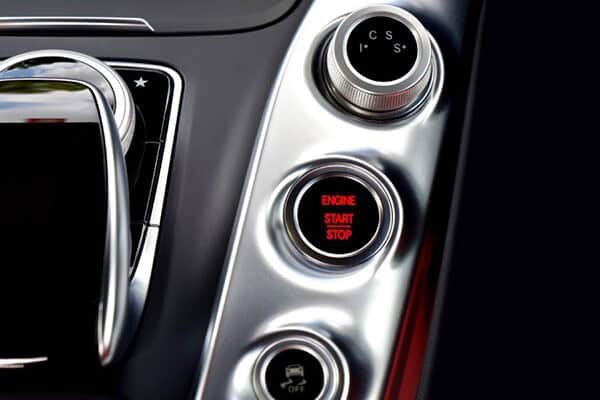
Yeah, injection molding machines can make car parts. There are a lot of injection molded parts used in cars, like circuit connectors, plastic parts for instruments, plastic parts for lights, plastic parts for engines and starters, decorative panels, and so on. If you look closely at different kinds of cars, you’ll see that there are a ton of plastic parts.
When it comes to making cars today, injection molding processing technology and injection molding machines are key. This technology makes a wide range of automotive parts, from interior parts to engine casings, and injection molding applications are found throughout automotive manufacturing. This article takes a deep dive into injection molding applications in the automotive industry and how it affects vehicle performance, design and sustainability.

Ⅰ.Basic knowledge of injection molding machine
1.1 Introduction to injection molding machine
An injection molding machine is a machine that makes plastic stuff. It works by squirting melted plastic into a mold and letting it cool down to make the thing you want. Injection molding machines are used in lots of different places, like making car parts, toys, plastic boxes, and lots of other things.
1.2 Advantages of injection molding machine
1. High Production Efficiency
Compared to old school manual manufacturing, injection molding machines are super fast. They can make a ton of stuff really fast.

2. High Production Precision
Injection molding machines use computer-controlled technology to make stuff, so it’s always perfect. Stuff made by injection molding machines is always the same size and looks great.
3. Low Production Cost
Because injection molding machines can make a ton of stuff really fast, it’s cheap. Plus, you can use the same stuff over and over again, so it’s even cheaper.
1.3 Injection Molding Process
Injection molding is a molding method for injection molding. The advantages of injection molding are fast production speed and high efficiency. The operation can be automated. There are many designs and colors. The shapes can be from simple to complex. The sizes can be from large to small. The product dimensions are accurate. The products are easy to replace. Complex shapes can be made. Injection molding is suitable for mass production and complex-shaped products and other molding processing fields.
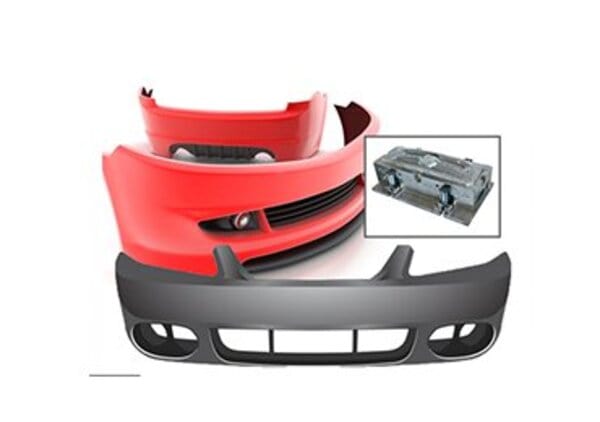
After the plastic is plasticized in the heated barrel of the injection molding machine, it is injected into the cavity of the closed mold by a plunger or reciprocating screw to form a plastic product. This method can process products with complex shapes, precise dimensions or with inserts, and has high production efficiency. Most thermoplastics and some thermosetting plastics (such as phenolics) can be processed using this method. The material used for injection molding must have good fluidity in order to fill the mold cavity to obtain the product.

Ⅱ. Advantages of using plastic parts in automobiles
1. Plastic is very light and has a very small specific gravity.
The automotive industry is trying to make cars lighter, and plastic can help. Most plastics weigh between 0.9 and 1.5. Fiber-reinforced composites weigh less than 2.0. A3 steel weighs 7.6. Brass weighs 8.4. Aluminum weighs 2.7. So, using plastic is a good way to make things lighter.
2. Plastic molding is easy.
It can make complicated shapes easier. For example, if you make a dashboard out of steel, you have to make a bunch of different parts and then put them together. You have to weld them or use screws or something. It’s a lot of work. With plastic, you can make the whole thing in one shot. It’s faster and more accurate.
3. Plastic products have good elasticity.
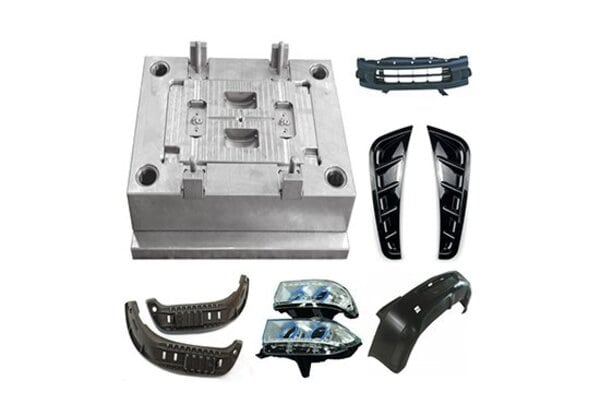
Plastics can absorb a lot of collision energy through elastic deformation, which has a great buffering effect on strong impacts and can protect the vehicle and passengers. Therefore, modern cars use plastic dashboards and steering wheels to enhance the cushioning effect. The front and rear bumpers and body trim are made of plastic materials to reduce the impact of external objects on the body. In addition, plastics have the ability to absorb and attenuate vibration and noise, which can improve ride comfort.
4. Plastics can be easily formed into composites.
Composite materials with different component matching include particle composites containing hard metals, layered composites mainly composed of sandwich panels and resin-bonded fibers, and fiber composites mainly composed of glass fibers and carbon fibers. These composite materials have high mechanical strength and can replace steel plates to make body panels or structural parts, thereby reducing the weight of the car.
5. Plastic is highly corrosion-resistant.
Plastics don’t corrode easily. If a plastic part is damaged, only that part is damaged, while steel parts rust and corrode if the paint is damaged or if the anti-corrosion work is not done well. Plastics are more resistant to acid, alkali, salt, and other corrosive substances than steel. If plastic is used as a body covering, it is ideal for use in heavily polluted areas.
6. Plastics can easily change various properties.
Different fillers, plasticizers, and hardeners can be added to plastics to give them the properties required. This can change the mechanical strength, processing, and molding properties of the material to meet the needs of different parts on the vehicle. For example, bumpers need to be strong, while seat cushions and backs need to be made of soft polyurethane foam. It’s also convenient because you can mix plastic pigments with additives to make different colors, which saves you from having to paint. Some plastic parts can also be plated. For example, ABS plastic plates well and can be used to make decorative strips, signs, switch knobs, wheel covers, and so on.

Ⅲ.The Key Role of Injection Molding Machine in the Automobile Industry
Injection molding machines are widely used and deeply used in the manufacturing of automobile parts. First of all, the manufacturing of automotive interior parts is inseparable from injection molding machines. For example, parts such as car seats, dashboards, door interior panels, etc. can be manufactured through injection molding machines with precise shapes and smooth surfaces, improving the quality and comfort of car interiors.

Secondly, the manufacturing of automotive exterior parts is also inseparable from injection molding machines. For example, the injection molding machine can produce products with good appearance quality and impact resistance, improving the safety and aesthetics of the car. In addition, the injection molding machine can also be used in the manufacturing of components such as automotive power systems and suspension systems, improving the performance and reliability of the vehicle.
3.1 Advantages of Injection Molding Technology and Injection Molding Machines in the Automotive Industry
1. Lightweight Design
Injection molding can use lightweight plastic materials to replace traditional metal parts. This reduces the overall weight of the car and improves fuel efficiency and environmental performance.

2. Complex Geometry
Injection molding machines can create complex parts such as dashboards, door panels, seat components, etc. These parts may have complex curves and shapes that are difficult to create using other manufacturing methods.
3. Durability and Performance
Automotive parts must operate under extreme conditions, and injection molding materials can be adjusted as needed to meet high temperature, high pressure, wear resistance and other requirements. These materials also offer excellent impact resistance, ensuring the car is protected in the event of a crash.

4. Energy Saving and Environmental Protection
The injection molding process is relatively energy efficient because it generates less waste during processing. Additionally, using recyclable plastic materials reduces waste and environmental burden.
5. Cost-Effectiveness
Injection molding is a relatively cost-effective manufacturing method that is particularly suitable for mass production because it can quickly produce large quantities of the same or similar parts.
6. Repeatability
In the automotive industry, repeatability—or the ability to consistently produce the same parts—is critical. Because automotive plastic injection molding typically relies on a solid metal mold, the final molded automotive parts produced using this mold are virtually identical. Certain factors can affect injection molding, but if the mold is well designed and finished, injection molding is a highly repeatable process.
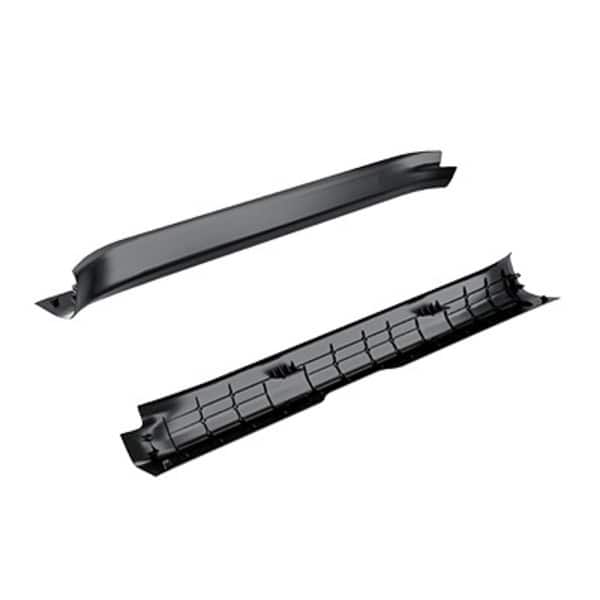
7. Material Availability
One of the great things about injection molding in automotive production is that it works with a wide range of rigid, flexible, and rubbery plastics. There are many different polymers used in the automotive industry for different applications, including ABS, polypropylene, acrylic, acetal, nylon, polycarbonate, and more.
8. High Precision and Surface Finish
Injection molding is great for making plastic parts with relatively simple geometries and getting a high-quality surface finish. There are a lot of options for surface treatments when making parts, including different surface textures (like glossy, rough, or matte) that you can put right on the mold instead of on the part. But different plastic materials can also affect the final surface finish.
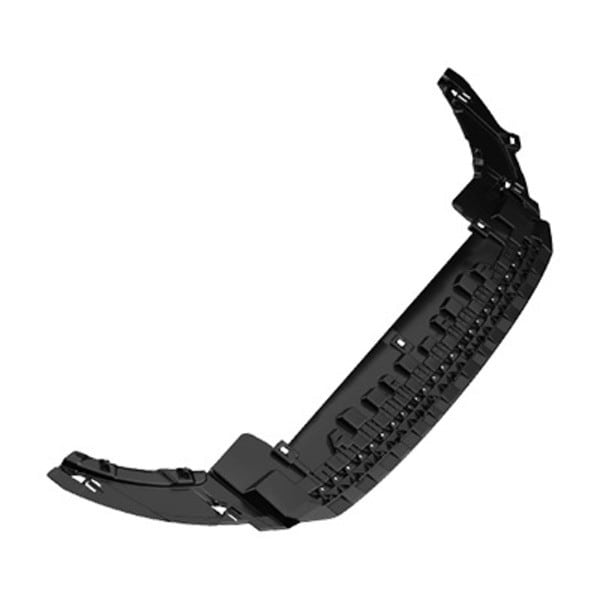
9. Color Options
With automotive plastic injection molding, it’s easy to change the color of the molded automotive parts to match the color scheme of the vehicle. Unlike other processes, you can mix the dye with the raw material pellets before you start making the parts. This gives you a solid, consistent color after the parts are molded without having to paint or stain them.
10. Rapid Prototyping with Rapid Tools
Automakers use injection molding to mass-produce auto parts, but they also use it as a prototyping tool. By using rapid tooling to make fast, low-cost aluminum molds—usually through additive manufacturing or CNC machining—automotive moldmakers can make low-volume prototype auto parts faster than with traditional (steel) molds.
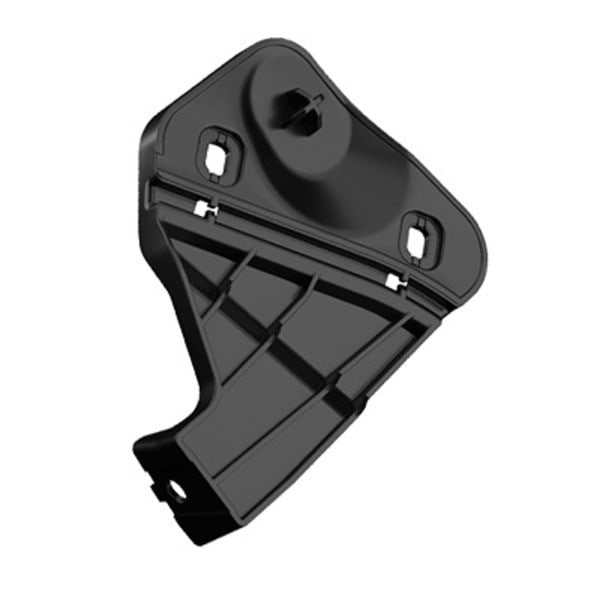
3.2 Application of Injection Molding Machines in Different Automotive Parts
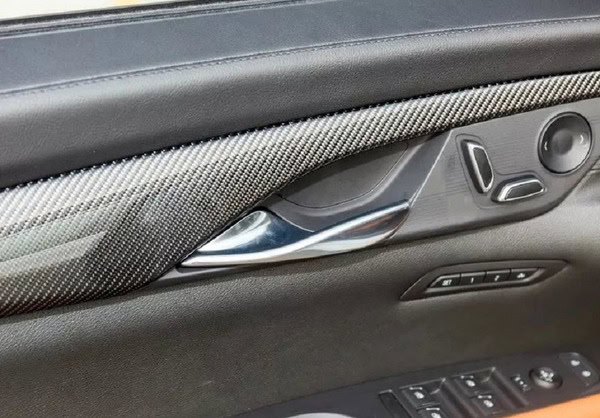
1. Interior Parts
Injection molding machines make instrument panels, door panels, seat parts, center consoles, and other inside stuff that makes cars comfortable, look good, and work right.
2. Engine Parts
Injection molding machines also make engine parts like fan blades, fuel tanks, air filter housings, and other stuff that has to work in hot, corrosive environments.

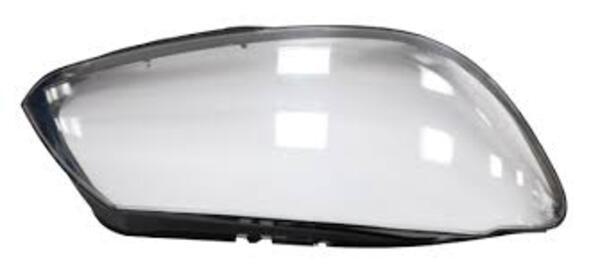
3. Lamps and Lenses
Injection molding machines make the lenses for car headlights, taillights, and turn signals. They use special plastic that’s made to be clear and not mess up the light.
4. Electronic Components
Injection molding machines are also used to make the housings and brackets for many electronic components used in automotive electrical systems and electronic control units.

5. Suspension Parts
Some suspension components are made using high-strength plastics to provide lightweighting and corrosion resistance.
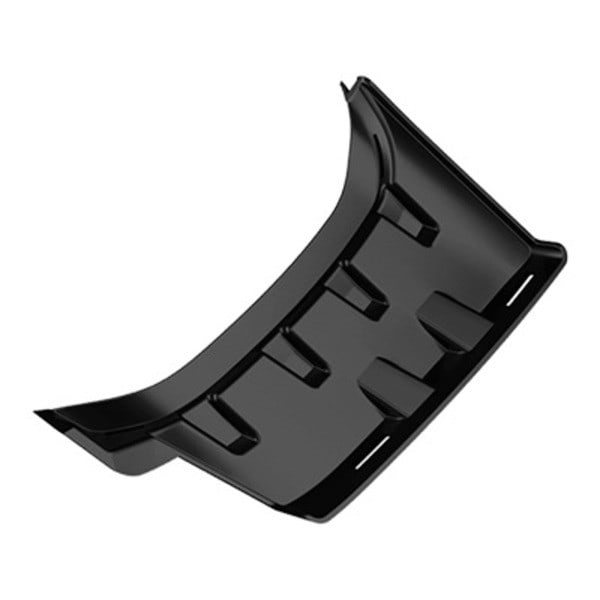
6. External Components
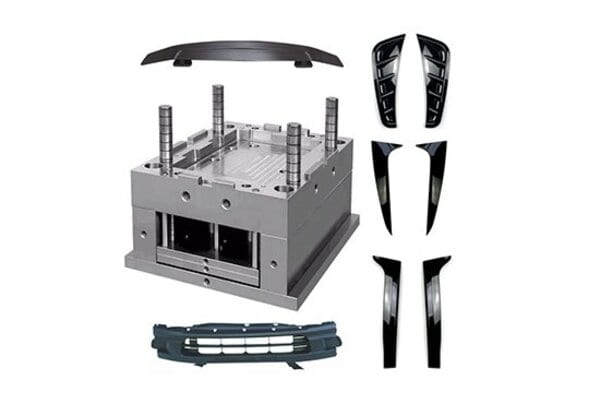
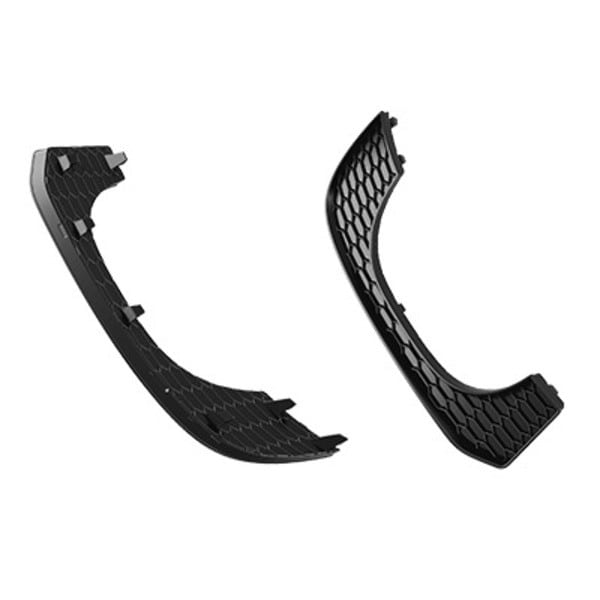
Injection molding is a well-established process for many exterior car parts, including fenders, grills, bumpers, door panels, floor rails, light covers, and more. Splash guards are a great example of the durability of injection molded parts. Additionally, the parts that protect your car from road debris and minimize splash are often made of rubber or other durable and flexible materials.

Ⅳ.Case Study: New Energy Vehicles Bring New Opportunities to the Injection Molding Machine Industry
Nowadays, low-carbon development has become a hot topic in the auto industry. All kinds of car companies and parts companies are trying to find ways to reduce vehicle maintenance quality and reduce fuel consumption without affecting product performance and safety. New energy vehicles have a more urgent need for lightweight due to their “innate” disadvantages of large power batteries and their pursuit of driving range.

Plastics that are lightweight, strong, tough, easy to process, and recyclable are one of the best alternative materials for lightweight and environmentally friendly cars. As the plastic injection molding machine with the highest output and the most usage among plastic processing machinery at this stage, it is also taking advantage of the development of new energy vehicles to usher in new opportunities. Therefore, how companies can seize development opportunities in the injection molding machine market has become a hot topic in the industry.

4.1 New Energy Vehicles Pay More Attention to Lightweight
According to research from professional institutions, every 100 kilograms of weight reduction in a vehicle can save 0.3 liters of fuel per 100 kilometers. A 10% reduction in vehicle weight can increase fuel efficiency by about 7%, and the energy-saving and emission-reducing effects are significant. Among them, for every 10 kilograms of weight reduction in an electric vehicle, the driving range can be increased by 2.5 kilometers.
The development trend of new energy vehicles and vehicle lightweighting has caused a significant increase in the demand for plastic parts in the automotive industry. A car weighing 1.5 tons contains an average of 12% to 15% plastic materials and more than 2,000 plastic components. Plastic has become the most important raw material in cars besides metal.
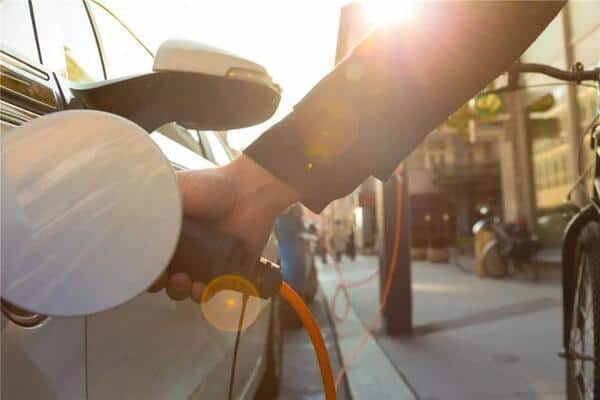
Injection molding machines are the most important machines for making plastic products. They are used in the automotive industry to make complex and important parts. These parts include things like the inside and outside parts of cars, parts for electronics and electrical systems, and parts for the engine.
4.2 Enterprises Benefit from New Energy Vehicles
The booming sales of new energy vehicles have brought a huge market demand to the injection molding machine industry. Injection molding machine companies are strengthening cooperation with the automotive industry to ensure that their products and technologies are highly matched to the needs of the automotive industry. When new energy vehicles grow significantly, their products and technologies can quickly meet customer needs and enjoy market growth dividends.

V. Challenges and Considerations
Injection molding for automotive parts also has its own challenges and problems. One of the important issues is material selection. Automotive parts need to be resistant to high temperatures, wear, and chemical corrosion, so they need to choose suitable plastic materials.
Secondly, mold design and manufacturing is also a key link. Automotive parts have complex and diverse shapes, and molds need to be highly precise and durable, which requires a lot of investment in R&D and manufacturing costs. In addition, the injection molding process also requires reasonable process parameter design to ensure product quality and performance.
Ⅵ.Conclusion
Injection molding machines are widely used processing equipment that can produce various plastic products, including auto parts, toys, electrical appliance casings, daily necessities, etc. Injection molding machines have the advantages of high production efficiency, high production precision, and low production costs. Injection molding machines and injection molding processes play an important role in the manufacturing of automotive parts. By improving production efficiency, manufacturing parts with complex shapes, and achieving material savings and recycling, the injection molding process provides an advanced and effective method for the manufacturing of automotive parts. However, the injection molding process also faces some challenges in the manufacturing of automotive parts and requires continuous innovation and improvement. It is believed that with the advancement of science and technology and the improvement of processes, the application of injection molding technology in automobile parts manufacturing will become more and more extensive, making greater contributions to the development of the automobile industry.
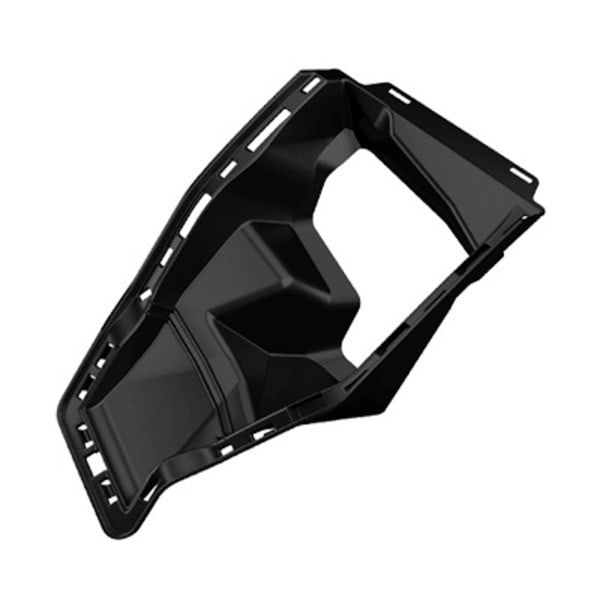
Injection molding technology is a big deal in the automotive industry. It makes cars better and cooler, and it helps make cars in a way that’s better for the environment. As technology gets better, injection molding will keep making cars better and cooler, and it will keep helping the environment.


 EN
EN  ES
ES  FR
FR  DE
DE  PT
PT  AR
AR  RU
RU  JA
JA  KO
KO  IT
IT  NL
NL  TR
TR  PL
PL 