Quelles sont les différences fondamentales entre les systèmes MUD et les carcasses de moule standard ?
Pour choisir la stratégie d’outillage appropriée, il faut comprendre les différences structurelles et fonctionnelles entre un système Master Unit Die (MUD) et une carcasse de moule autonome standard.
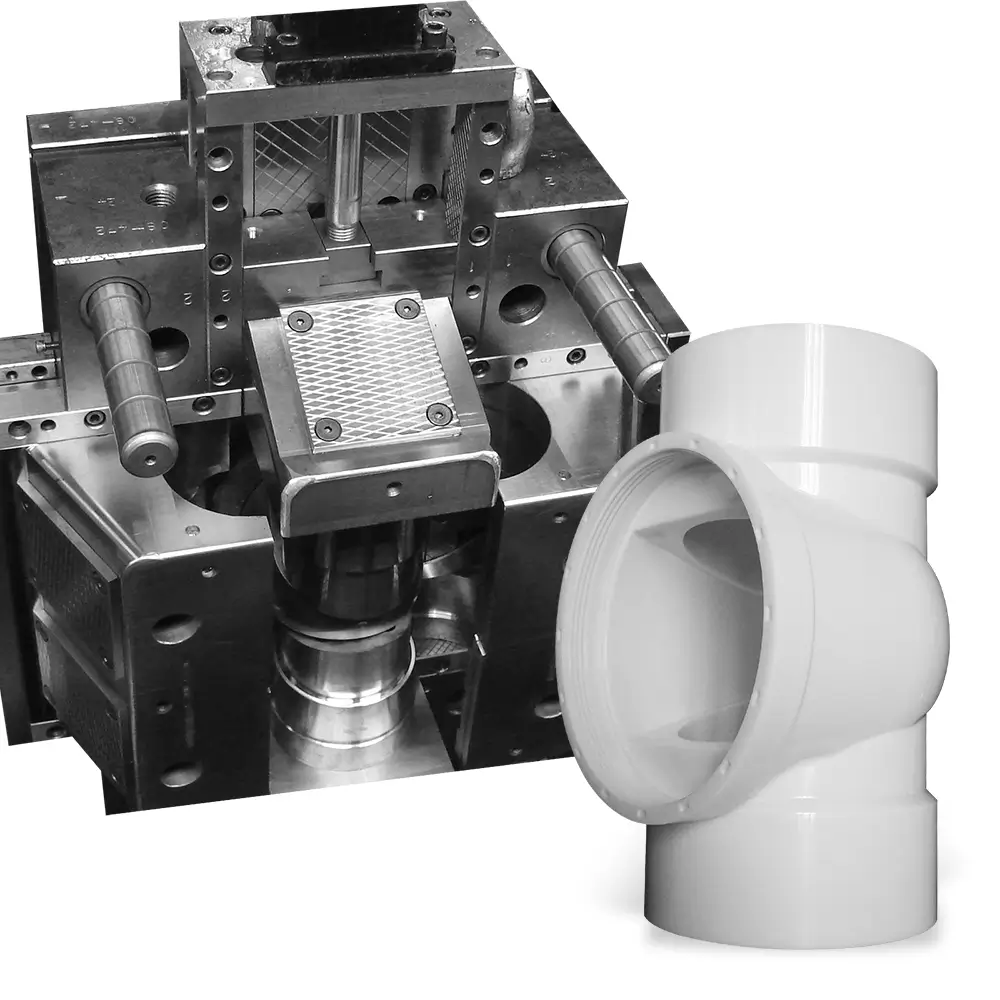
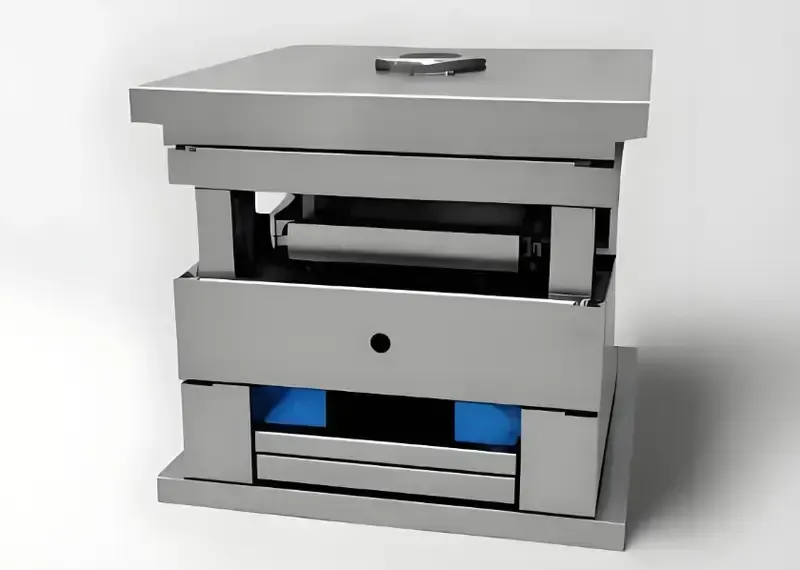
Système Master Unit Die (MUD) : Un système MUD utilise un cadre standardisé et réutilisable1 (cadre en H ou en U) capable de recevoir des inserts de moule interchangeables2. Le mouleur possède le cadre, qui reste dans la presse d’injection, tandis que le client ne paie généralement que l’« insert » (les plaques d’empreinte et de noyau).
- Contexte : développé à l’origine par DME (Detroit Mold Engineering), MUD est devenu un terme générique désignant les systèmes d’inserts à changement rapide.
- Mécanisme : le mécanisme d’éjection et le système de guidage sont souvent partagés.
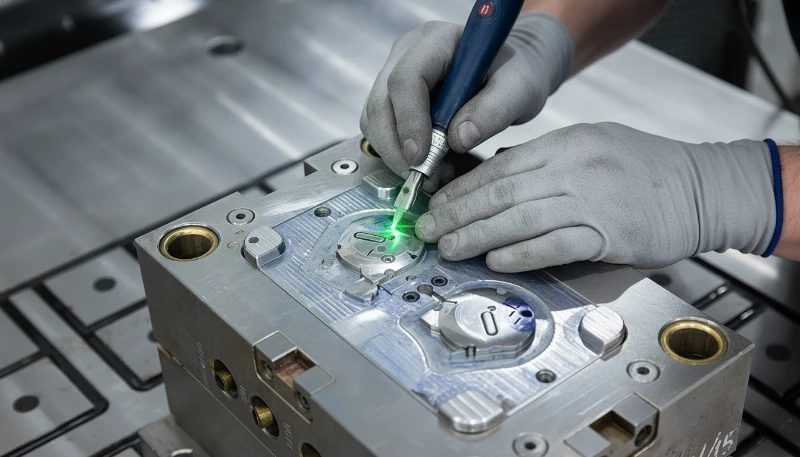
Carcasse de moule standard (outillage autonome) : Une carcasse de moule standard est un ensemble d’outillage complet et autonome dans lequel l’empreinte, le noyau, le système d’éjection et les canaux de refroidissement sont intégrés à un cadre dédié (plaques A et B, entretoises, plaques de bridage, etc.).
- Contexte : souvent fabriquée selon des normes précises telles que LKM (Lung Kee Metal), HASCO ou FUTABA.
- Mécanisme : chaque aspect de l’outillage est adapté à la pièce concernée, y compris les systèmes indépendants de refroidissement et d’éjection.
Comment les paramètres essentiels se comparent-ils ?
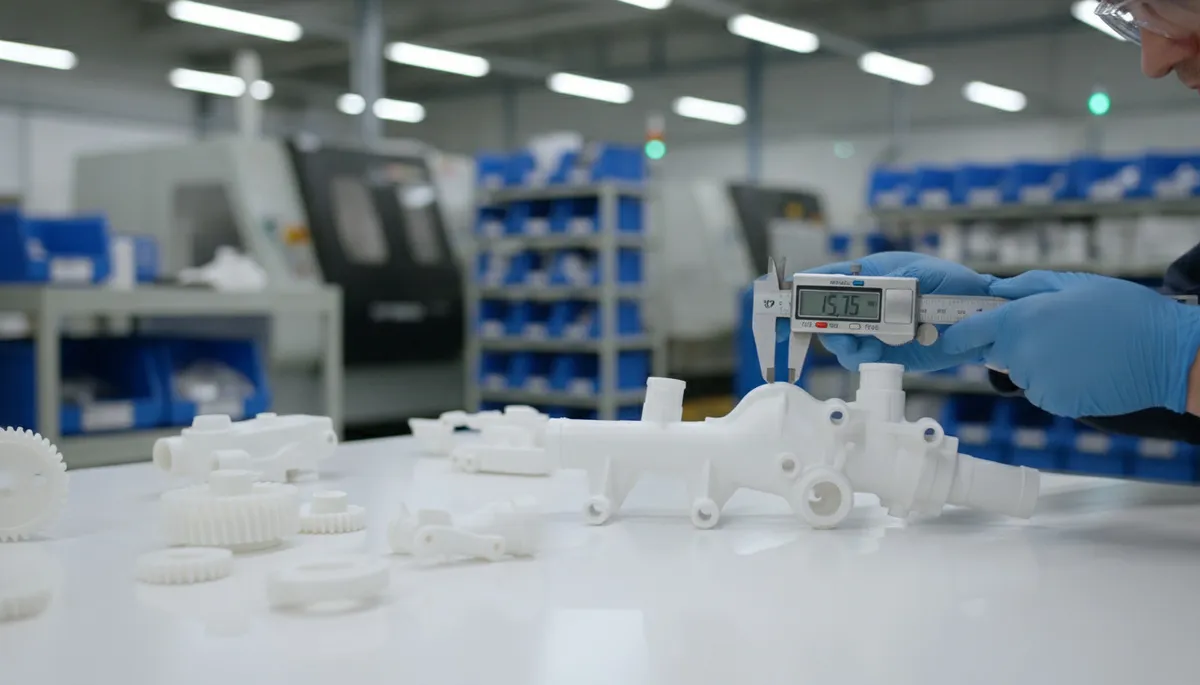
Le tableau suivant compare les spécifications techniques et les paramètres opérationnels des inserts MUD à ceux des carcasses standard.
| Paramètres | Système MUD (Master Unit Die) | Carcasse de moule standard |
|---|---|---|
| Coût d’investissement initial | Faible (peut être inférieur de 30 à 50 % à la norme) | Élevé (comprend le coût de toute la carcasse en acier) |
| Délai d'exécution | Court (1–3 semaines en général) | Moyen à long (généralement 4 à 10 semaines) |
| Temps de changement de série | Rapide (5–20 minutes) | Lent (1 à 4 heures) |
| Efficacité du refroidissement | Limitée (contrainte par la géométrie du châssis) | Élevé (refroidissement conforme entièrement personnalisable) |
| Limite de taille des pièces | Restreint (généralement pièces petites à moyennes) | Flexible (limité uniquement par le tonnage de la machine) |
| Volume de production | Du prototypage à la moyenne série (1 000 à 100 000) | Grande série / production de masse (100 000–1 million et plus) |
| Précision des tolérances | Modérée (tolérance cumulée du châssis et de l’insert) | Élevé (contrôle strict de toutes les plaques) |
| Types d’acier | Aluminium (Alum), P20, NAK80 | P20, H13, S7, 420SS (acier inoxydable) |
Les inserts MUD sont nettement moins coûteux et plus rapides à produire, car ils ne nécessitent pas la fabrication d’une carcasse de moule dédiée.True
Choisir la bonne stratégie dépend de la
Les moules MUD ne peuvent pas être utilisés pour des séries de production et sont strictement réservés au prototypage.False
Les inserts MUD sont souvent utilisés pour la production en petites et moyennes séries, comme outillage de transition, et peuvent durer des dizaines de milliers de cycles s’ils sont fabriqués dans un acier durable tel que le P20.
Quelles sont les implications en matière de coûts et d’exploitation ?
Pour comprendre les coûts d’outillage du moulage par injection, il faut analyser à la fois l’investissement initial et les dépenses d’exploitation à long terme (OpEx).
1. Investissement initial (Capex)
- MUD : l’absence de carcasse de moule réduit le coût de l’acier et le temps d’usinage. Pour une famille de pièces (par exemple, 5 variantes d’un boîtier), l’utilisation d’un cadre MUD avec 5 inserts est nettement moins coûteuse que la fabrication de 5 outillages autonomes.
- Standard : vous payez l’ensemble complet (plaque de bridage supérieure, plaque A, plaque B, plaque support, boîtier d’éjection). L’investissement est important, mais procure un actif tangible facilement transférable d’un mouleur à l’autre.
2. Efficacité opérationnelle (OpEx)
- Changements de série : les cadres MUD permettent de remplacer les inserts sans retirer le cadre du plateau. Cette possibilité de « changement à chaud » réduit les temps d’arrêt, ce qui rend le MUD idéal pour une production à forte diversité et faible volume.
- Temps de cycle : les carcasses de moule standard permettent d’optimiser l’emplacement des canaux de refroidissement (circuits d’eau). En grande série, gagner 2 secondes par cycle grâce à une carcasse standard compense souvent, sur la durée de vie de l’outillage, les économies initiales offertes par un insert MUD.
3. Maintenance et usure
- MUD : l’interface entre l’insert et le cadre peut s’user avec le temps, ce qui risque de provoquer des bavures ou des problèmes d’alignement si le mouleur n’entretient pas le cadre.
- Standard : l’éjection guidée et les colonnes de guidage sont propres à l’outillage, ce qui garantit un alignement constant pendant des millions de cycles.
Quels sont les avantages et les inconvénients de chaque approche ?
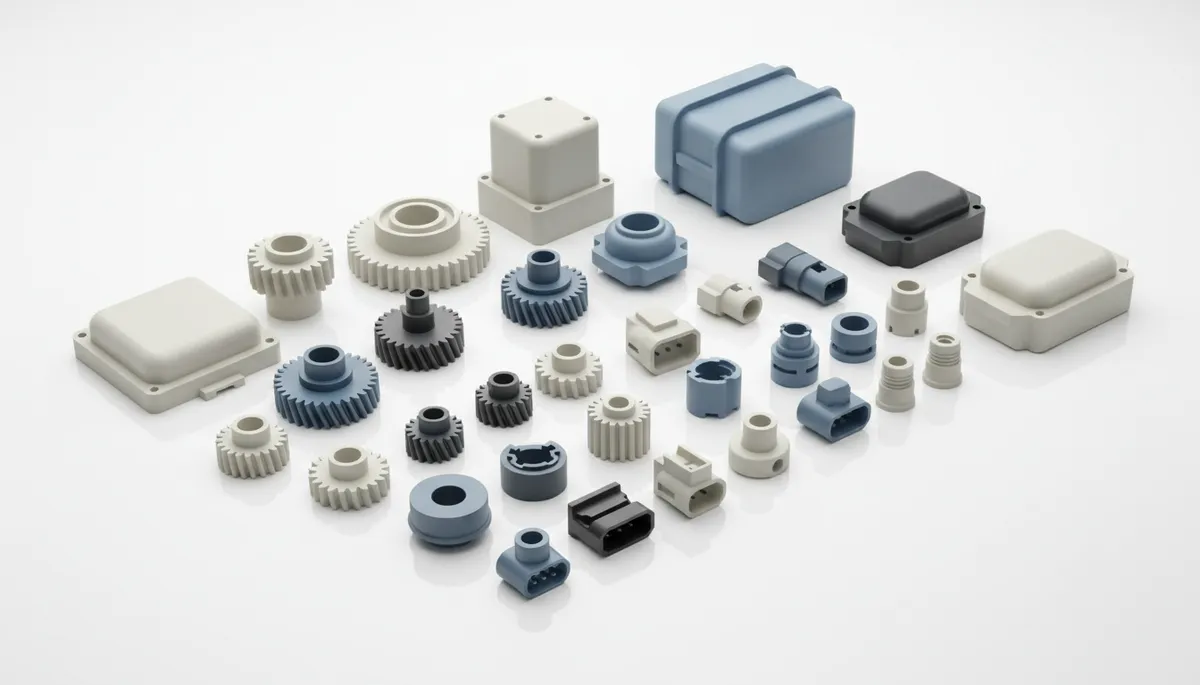
Systèmes MUD (inserts à changement rapide)
| Avantages | Inconvénients |
|---|---|
| Coût d'outillage réduit : seuls l'empreinte et le noyau sont facturés. | Limites dimensionnelles : ne convient pas aux grands panneaux automobiles ni aux pièces embouties en grande profondeur. |
| Mise sur le marché plus rapide : moins d'acier à usiner signifie un délai de livraison plus court. | Contraintes de refroidissement : les circuits d'eau doivent traverser le cadre ou rester strictement dans les limites de l'insert. |
| Stock réduit : les moules occupent moins d'espace physique sur les rayonnages. | Complexité de la propriété : si vous changez de fournisseur, vous ne pouvez pas emporter le cadre MUD ; seul l'insert vous appartient. |
| Agilité : solution idéale pour les itérations de conception et les tests A/B. | Limites d'éjection : souvent restreinte aux configurations standard de broches prévues par le cadre principal. |
Carcasses de moule standard
| Avantages | Inconvénients |
|---|---|
| Personnalisation illimitée : les tiroirs, les éjecteurs inclinés et les mécanismes de dévissage sont plus faciles à intégrer. | Coût initial élevé : il faut payer des centaines de livres d’acier de construction. |
| Temps de cycle optimisés : refroidissement dédié = dissipation thermique plus rapide. | Logistique lourde : le transport et le stockage de bâtis complets sont coûteux et encombrants. |
| Portabilité : l’outillage constitue une unité autonome, facile à transférer chez un nouveau mouleur. | Changements de série lents : chaque production nécessite un levage par grue, un refroidissement complet et une nouvelle mise en place. |
| Durabilité : conçu selon les normes SPI classe 101/102 (plus de 1 million de cycles). | Délai plus long : l’approvisionnement et l’usinage du bâti ajoutent plusieurs semaines au calendrier. |
Les carcasses de moule standard permettent une meilleure optimisation du refroidissement, ce qui réduit les temps de cycle en production de série.True
Les semelles dédiées permettent de placer les circuits d'eau précisément aux endroits requis, sans les contraintes géométriques d'un châssis maître préexistant.
Vous pouvez facilement transférer un insert MUD vers n’importe quelle usine de moulage par injection sans problème de compatibilité.False
Les cadres MUD ne sont pas universels ; un insert conçu pour un cadre DME peut ne pas s’adapter à un cadre HASCO ou à un cadre personnalisé sans modification.
Quand faut-il choisir des moules MUD plutôt que des bâtis standard ?
Le choix de la bonne stratégie dépend de l’intention de recherche de votre projet, notamment en matière de volume et de complexité géométrique.
Choisissez les moules MUD lorsque :
- Prototypage : vous avez besoin de 50 à 500 pièces pour des essais fonctionnels et êtes susceptible de modifier prochainement la conception.
- Outillage relais : vous avez besoin de pièces immédiatement, en attendant la fabrication d’un moule de production à grand nombre d’empreintes.
- Production en faible volume : la demande annuelle est inférieure à 20 000 unités. Le retour sur investissement d’un bâti standard serait trop long.
- Pièces de famille : vous moulez plusieurs petits composants dans le même matériau.
- Contraintes budgétaires : le projet est soumis à une limite stricte de dépenses d’investissement.
Choisissez des carcasses de moule standard lorsque :
- Production en grande série : la demande dépasse 100 000 unités par an. Les économies unitaires permises par des cycles plus rapides amortiront le bâti.
- Géométrie complexe : la pièce exige des mouvements latéraux complexes, plusieurs coulisseaux hydrauliques ou des moules à trois plaques que les châssis MUD peuvent difficilement accueillir.
- Haute précision : la pièce exige des tolérances extrêmement serrées (par ex. +/- 0,01 mm), incompatibles avec le cumul de tolérances supplémentaire d’un insert MUD.
- Portabilité de l’actif : vous devez pouvoir transférer librement l’outillage chez un autre fournisseur partout dans le monde, sans risque de compatibilité.
- Matériaux haute température : la transformation de résines techniques comme le sulfure de polyphénylène (PPS) ou le polyétheréthercétone (PEEK) exige des températures de moule élevées susceptibles d’endommager les châssis ou joints MUD standard.
Comment calculer le ROI de votre projet ?
Pour déterminer le meilleur retour sur investissement de l’outillage3, suivez cette méthode de calcul étape par étape :
- Obtenir des devis : demandez un devis pour un insert MUD et pour un moule autonome de classe 102.
- Exemple : insert MUD : 4 000 $ | Moule standard : 9 000 $.
- Estimer le temps de cycle : demandez au mouleur les temps de cycle estimés pour les deux solutions.
- Exemple : MUD : 35 secondes | Standard (refroidissement optimisé) : 28 secondes.
- Calculer l’écart de prix par pièce : déterminez le taux horaire de la machine (par ex. 60 $/h).
- Coût MUD/pièce (temps machine) : $(60 / 3600) * 35 = $0.583
- Coût standard/pièce (temps machine) : $(60 / 3600) * 28 = 0,466 $
- Économie par pièce avec le moule standard : 0,117 $
-
Déterminer le seuil de rentabilité :
- Différence de coût : 9 000 $ – 4 000 $ = 5 000 $.
- Quantité au seuil de rentabilité : 5 000 $ / 0,117 $ = 42 735 pièces.
- Décision : si le volume total prévu est <42 000, choisissez MUD. S’il est >42 000, choisissez le moule standard.
Questions fréquentes sur les outillages MUD et standard
Q1 : puis-je transformer ultérieurement un insert MUD en moule standard ?
En général, non. Bien qu’il soit physiquement possible de retirer l’insert, celui-ci est usiné pour s’adapter à un châssis spécifique. Le convertir en moule autonome nécessiterait la fabrication d’un châssis sur mesure adapté à cet insert précis, ce qui coûte souvent autant que la construction d’une nouvelle carcasse de moule.
Q2 : l’utilisation d’un moule MUD affecte-t-elle la qualité des pièces ?
Pour la plupart des pièces plastiques standard, non. Cependant, pour les pièces de qualité optique ou celles nécessitant une concentricité extrêmement précise, le léger “jeu” ou l’accumulation des tolérances dans un système MUD (entre le cadre et l’insert) peut introduire des variations mineures par rapport à une base standard rigide.
Q3 : À qui appartient le châssis MUD ?
Typiquement, l’usine de moulage par injection possède le cadre (Master Unit). Le client possède l’insert. Cela crée un effet de “verrouillage” ; si vous souhaitez déplacer votre production, vous ne prenez que les inserts, et le nouveau fournisseur doit disposer d’un cadre compatible.
Q4 : les moules MUD sont-ils limités à l’acier doux ou à l’aluminium ?
Non. Bien que souvent associés à l’aluminium pour les prototypes, les inserts MUD peuvent être usinés dans des aciers trempés comme le H13 ou le S7 pour les séries de production. La limite réside dans la capacité du bâti, et non dans le matériau de l’insert.
Q5 : quelle est la taille maximale d’un insert MUD ?
Les châssis MUD standards courants (comme les séries DME 84/90) acceptent généralement des inserts mesurant jusqu’à environ 12” x 15” (300mm x 380mm). Il existe des dimensions supérieures, mais elles sont moins standardisées et perdent l’avantage en coût et en rapidité.
Résumé
Le choix entre un outillage MUD et un moule standard repose en définitive sur l’équilibre entre la préservation du capital initial et l’efficacité des coûts unitaires à long terme. Les systèmes Master Unit Die sont le meilleur choix pour le prototypage, les tests de marché et les petites séries, grâce à leur rapidité et à leur faible coût d’accès. À l’inverse, les bâtis de moule standard constituent l’investissement nécessaire pour une fabrication de grande série et de haute précision, où la réduction du temps de cycle et la portabilité de l’actif sont primordiales. En analysant le seuil de rentabilité à partir des économies de temps de cycle, les équipes achats peuvent prendre des décisions fondées sur les données afin d’optimiser le retour sur investissement de l’outillage. Consultez notre Guide complet du moulage par injection pour une vue d’ensemble détaillée.
-
Découvrez comment des châssis réutilisables peuvent réduire les coûts et accélérer la production de multiples variantes de pièces. ↩
-
Découvrez comment des inserts interchangeables apportent flexibilité et économies au prototypage et aux petites séries. ↩
-
Suivez un guide étape par étape pour évaluer le retour sur investissement de différentes stratégies d’outillage de moule. ↩
Obtenez des prix compétitifs, un retour DFM et un calendrier de production auprès de l’équipe d’ingénierie de ZetarMold.