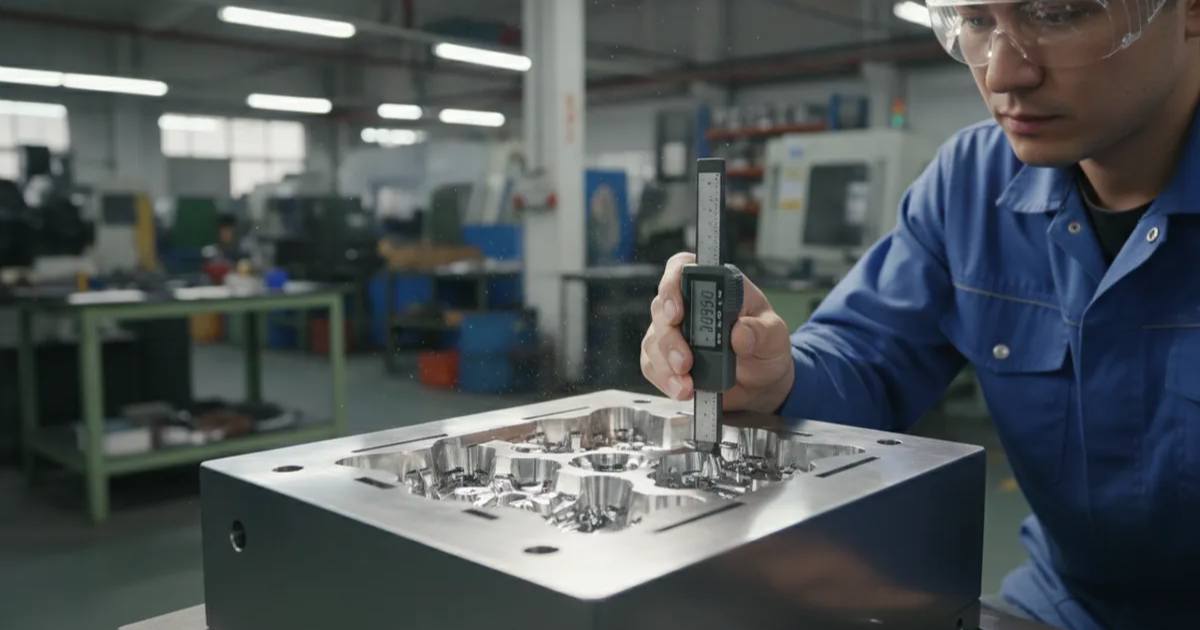
Vous n'imagineriez pas combien de projets nous avons vu échapper à tout contrôle parce que quelqu'un avait choisi le devis fournisseur le moins cher et considéré cela comme une victoire. Dans le moulage par injection, la maîtrise des coûts ne consiste pas à trouver le chiffre le plus bas dans une feuille de calcul — elle consiste à comprendre les véritables facteurs qui déterminent ce chiffre et à les gérer avant qu'ils ne deviennent de coûteuses surprises. Après plus de 20 ans consacrés à des projets de moulage par injection, nous avons vu les mêmes erreurs de maîtrise des coûts se répéter encore et encore chez les fournisseurs : demandes de devis imprécises, hypothèses cachées sur l'outillage, dérive des tolérances et redoutable boucle de reprises.
Cet article analyse les sept erreurs de maîtrise des coûts les plus courantes commises par les acheteurs avec les fournisseurs de moulage par injection et, surtout, ce que vous pouvez concrètement faire pour chacune d'elles.
- Le devis le moins cher débouche rarement sur le résultat le moins coûteux
- Les demandes de devis imprécises favorisent la dérive du périmètre — précisez dès le départ le matériau, les tolérances, l'état de surface et le volume
- Le coût de l'outillage dépend des hypothèses relatives à la durée de vie du moule
- Les modifications tardives de conception après T1 peuvent multiplier les coûts d'outillage par 2-5x
- Les lacunes de communication avec le fournisseur sont à l'origine de la plupart des dépassements de coûts
Quelles sont les erreurs les plus courantes de maîtrise des coûts chez les fournisseurs de moulage par injection ?
La principale erreur de maîtrise des coûts consiste à traiter un devis de moulage par injection comme le prix d'un produit de base. Le moulage par injection est un procédé de fabrication sur mesure — chaque référence possède ses propres exigences d'outillage, spécifications de matériaux et paramètres de transformation. Lorsque les acheteurs se concentrent uniquement sur le prix unitaire sans comprendre ce qui le détermine, ils s'exposent à des dépassements de coûts qui peuvent facilement doubler ou tripler le budget initial. D'après notre expérience avec plus de 400 matières plastiques sur 47 presses à injecter, les projets les plus coûteux ne sont jamais ceux dont les devis sont les plus élevés — ce sont ceux pour lesquels l'acheteur a choisi le devis le plus bas avant d'en payer le prix en reprises, retards et défauts de qualité.
Les sept erreurs présentées ci-dessous représentent la grande majorité des dépassements de coûts que nous constatons dans les relations entre acheteurs et fournisseurs.
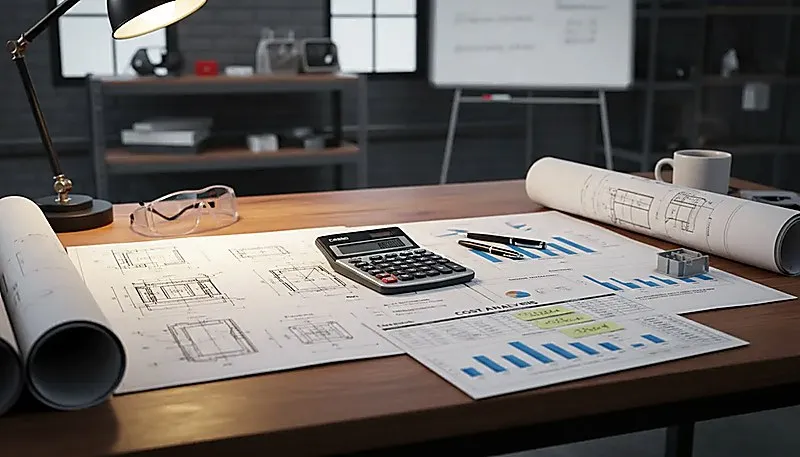
Pourquoi des demandes de devis imprécises entraînent-elles des dépassements de coûts inattendus ?
Une demande de devis imprécise invite aux suppositions — et chaque supposition de votre fournisseur peut entraîner une hausse des coûts. Lorsque vous envoyez une demande de devis indiquant « J'ai besoin d'une pièce en plastique, semblable à celle-ci, environ 10,000 unités », vous laissez des variables essentielles indéfinies. Le fournisseur doit deviner le grade de matériau, les exigences de tolérance, l'état de surface attendu, la durée de vie du moule et les critères de contrôle. Chacune de ces suppositions comporte une prime de risque intégrée au devis. Pour une même pièce, nous avons vu des devis varier de 40-60% simplement parce qu'un fournisseur avait supposé un outillage de classe de moule SPI1 101 (adapté à plus d'un million de cycles), tandis qu'un autre avait proposé la classe 103 (adaptée à moins de 500,000 cycles).
Aucun des deux n'a tort — mais l'acheteur qui ne précise pas ce dont il a besoin compare des pommes à des obus d'artillerie.
La solution est simple, mais elle exige un travail préparatoire. Avant d'envoyer une demande de devis, définissez les paramètres suivants : grade de matériau précis (pas seulement « ABS », mais « ABS, ChiMei PA-747 ou équivalent »), classe de tolérance (générale, de précision ou fine), norme d'état de surface (SPI A-2, B-1, etc.), plage de volume annuel et classe de moule attendue. Une demande de devis bien spécifiée réduit généralement la variation des devis à 10-15% — une plage qui reflète de véritables différences d'efficacité entre les fournisseurs plutôt que des écarts d'hypothèses. Dans notre usine de Shanghai, nous aidons régulièrement les acheteurs à affiner leurs demandes de devis pendant la phase DFM, car des spécifications claires en amont évitent les avenants en aval.
Comment les coûts d'outillage cachés grèvent-ils le budget de votre projet ?
L'outillage est l'éléphant dans la pièce lorsqu'il s'agit de maîtriser les coûts du moulage par injection. Un moule peut coûter de 5000 dollars pour un simple moule prototype mono-empreinte en aluminium à plus de 100000 dollars pour un moule de production multi-empreintes équipé de poussoirs inclinés, de coulisseaux et de systèmes à canaux chauds. L'erreur ne réside pas dans le coût lui-même — elle consiste à ne pas comprendre ce qui le détermine ni l'incidence de vos décisions sur celui-ci. Chaque caractéristique de conception ajoute de la complexité : les contre-dépouilles nécessitent des mécanismes latéraux, les tolérances serrées exigent un acier de qualité supérieure et un usinage plus précis, et les finitions très brillantes requièrent des surfaces d'empreinte polies. Chacun de ces éléments est un facteur de coût légitime, mais de nombreux acheteurs ne se rendent compte qu'ils les paient qu'à l'arrivée de la facture.
L'un des coûts cachés les plus courants est l'inadéquation de la classe du moule. Si votre projet nécessite 500000 pièces sur toute sa durée de vie, mais que l'on vous a proposé un moule de classe 104 (prévu pour moins de 100000 cycles), ce moule s'usera en cours de production. Vous devrez alors payer soit la remise en état du moule, soit un outillage entièrement neuf — des coûts qui auraient dû être pris en compte dès le départ. À l'inverse, payer une classe de moule SPI 101 pour une série de 10000 pièces est tout aussi inutile. Avec notre atelier intégré de fabrication de moules qui produit plus de 100 jeux de moules par mois, nous constatons constamment ce décalage, et la solution est toujours la même : adapter la classe de votre moule à votre volume de production réel.

Qu'est-ce que la dérive des tolérances et comment multiplie-t-elle vos coûts ?
La dérive des tolérances est le resserrement progressif des exigences dimensionnelles à mesure qu'un projet passe du concept à la production. Tout commence de manière assez anodine : le concepteur indique des tolérances générales sur le plan, l'outilleur fabrique conformément à ces spécifications, les échantillons T1 reviennent avec un résultat satisfaisant, puis un responsable qualité décide que quelques dimensions critiques doivent être tenues plus serrées. Vous cherchez alors à atteindre des dimensions pour lesquelles le moule n'a pas été conçu, et chaque 0.01mm de précision supplémentaire coûte exponentiellement plus cher à maintenir.
En pratique, passer d'une tolérance générale de plus ou moins 0.1mm à une tolérance de précision de plus ou moins 0.05mm peut augmenter le coût du moule de 20-40% et les coûts de transformation de 15-25%, car le mouleur doit adopter des temps de cycle plus lents et des fenêtres de procédé plus étroites.
Il est essentiel de comprendre la courbe du coût des tolérances2. Le remède consiste à analyser les tolérances pendant la phase de conception, et non pendant la production. Déterminez quelles dimensions sont réellement fonctionnelles (surfaces d'accouplement, éléments d'alignement, interfaces d'emmanchement à force) et spécifiez-les avec précision. Conservez une tolérance générale pour tout le reste. Nous avons vu des projets dans lesquels 90% des indications de tolérances serrées étaient purement esthétiques — la pièce fonctionnait parfaitement avec une tolérance générale, mais le plan exigeait de la précision parce que le concepteur avait utilisé par défaut un modèle à tolérances serrées. Travailler avec des ingénieurs expérimentés qui savent quelles tolérances sont importantes et lesquelles ne le sont pas constitue l'une des mesures de maîtrise des coûts les plus efficaces.
Avec plus de 20 ans d'expérience dans le moulage par injection et des machines allant de 90T à 1850T pour fabriquer des moules d'injection de précision, nous avons vu la dérive des tolérances engloutir des budgets de projet entiers. Nos 8 ingénieurs seniors réalisent une analyse de cumul des tolérances lors de l'examen DFM précisément pour l'éviter — ils repèrent les exigences serrées inutiles avant qu'elles ne se transforment en modifications d'outillage.
Quand les modifications tardives de conception deviennent-elles l'erreur la plus coûteuse ?
Les modifications tardives de conception sont les erreurs les plus coûteuses du moulage par injection, les changements effectués après l'échantillonnage T1 multipliant les coûts d'outillage par 2 à 5 fois. Le coût d'une modification suit une courbe exponentielle brutale qui reste modérée pendant la CAO, mais s'envole rapidement une fois l'acier usiné.
Une modification pendant la phase de CAO ne coûte presque rien. Une modification pendant la conception du moule coûte davantage. Une modification après l'usinage du moule est coûteuse. Et une modification après l'échantillonnage T1 fait exploser les budgets — en particulier lorsqu'elle concerne les plans de joint ou l'emplacement des seuils et impose de réusiner entièrement les inserts d'empreinte.
Les modifications tardives de conception après l'échantillonnage T1 sont les erreurs les plus coûteuses du moulage par injection, car elles multiplient les coûts d'outillage par 2 à 5 fois.
Pourquoi les lacunes de communication avec le fournisseur causent-elles plus de dommages que les défaillances techniques ?
Voici une vérité dérangeante : la plupart des dépassements de coûts dans le moulage par injection ne sont pas causés par des problèmes techniques. Ils sont causés par des problèmes de communication. Le fournisseur rencontre un défaut de moulage (retassures, gauchissement, remplissages incomplets) et soit n'en informe pas rapidement l'acheteur, soit l'en informe sans proposer de solution claire. L'acheteur reçoit des pièces non conformes aux spécifications et répond par un commentaire imprécis tel que « celles-ci ne semblent pas correctes ». Les jours deviennent des semaines. Chaque aller-retour dû à une communication imprécise augmente les coûts — du temps machine est réservé puis perdu, les ingénieurs d'outillage sont mobilisés, les délais d'expédition dérivent et les frais d'accélération s'accumulent.
Une maîtrise efficace des coûts exige un rythme de communication structuré : points d'avancement hebdomadaires accompagnés de photos pendant la fabrication du moule, rapports de contrôle dimensionnel à chaque série d'échantillonnage et voie d'escalade définie en cas de problème. Les meilleures relations avec les fournisseurs que nous ayons observées — celles dont les projets respectent le budget — ont toutes un point commun : les deux parties conviennent des protocoles de communication avant le début du projet, et non après l'apparition du premier problème. C'est l'une des raisons pour lesquelles nous disposons d'une équipe de plus de 30 chefs de projet anglophones spécialement chargés de la communication internationale. Les barrières linguistiques ne sont pas seulement gênantes — elles coûtent cher.
Notre équipe de plus de 30 chefs de projet anglophones travaille directement avec plus de 120 collaborateurs de production afin que tout problème de moulage soit communiqué à l'acheteur sous 24 heures, avec des photos, une analyse des causes racines et des actions correctives proposées. Cette organisation élimine les retards de communication à l'origine de la plupart des dépassements de coûts.
Comment les erreurs de sélection des matériaux peuvent-elles faire exploser votre budget ?
Le choix du matériau est un levier de maîtrise des coûts que la plupart des acheteurs sous-estiment. Choisir une résine de qualité technique alors qu'un grade courant conviendrait revient à commander un filet mignon pour préparer un hamburger. L'écart de prix entre l'ABS courant à environ 1.50 dollars par kilogramme et le PC-ABS de qualité technique à environ 4.00 dollars par kilogramme paraît modeste à l'unité, mais sur une série de 100000 pièces de 50 grammes chacune, il représente la différence entre 7500 dollars et 20000 dollars pour le seul coût de la matière. Et cela ne tient pas encore compte des températures de transformation plus élevées, des temps de cycle plus longs et des taux de rebut potentiellement supérieurs associés aux matériaux techniques.
L'erreur inverse est tout aussi coûteuse : sous-spécifier le matériau pour l'application. Utiliser du polypropylène non chargé pour un composant structurel qui exige du nylon chargé de fibres de verre entraînera des défaillances sur le terrain, des demandes de garantie et éventuellement un rappel de produit — des coûts sans commune mesure avec les économies de matériau. La clé réside dans une analyse honnête de l'application : quelles sont les exigences mécaniques, thermiques, chimiques et réglementaires réelles ? Notre expérience de plus de 400 matériaux nous permet généralement de recommander un grade qui satisfait les exigences réelles sans surdimensionnement. Parfois, la meilleure façon de maîtriser les coûts est de consacrer 15 minutes à discuter de ce que la pièce doit réellement accomplir.
Pourquoi négliger le coût total rendu conduit-il à de mauvaises décisions concernant les fournisseurs ?
Le coût total rendu3 correspond à la somme de tout ce que vous payez réellement pour recevoir les pièces, et non au seul prix unitaire du devis. Il comprend les éléments évidents — prix unitaire, amortissement de l'outillage, transport — et ceux qui le sont moins : droits de douane, coûts de contrôle, coûts de possession des stocks dus aux quantités minimales de commande et coût des défauts qualité non détectés. De nombreux acheteurs comparent uniquement les fournisseurs en fonction du prix par pièce et choisissent le moins cher, avant de découvrir que des délais plus longs imposent des stocks de sécurité plus importants, que des taux de défauts supérieurs nécessitent un contrôle à réception ou que le fournisseur se trouve dans une région soumise à des droits de douane plus élevés. Le prix par pièce le moins élevé peut facilement aboutir au coût total rendu le plus élevé.
Construire un modèle de coût total rendu ne nécessite pas de logiciel complexe — une feuille de calcul comportant huit à dix postes sera toujours plus pertinente qu'une comparaison des prix par pièce. Les principaux facteurs à inclure sont les suivants : prix unitaire, amortissement de l'outillage (coût de l'outillage divisé par le volume attendu sur sa durée de vie), coût de transport par unité, droits de douane et taxes, coûts des contrôles qualité (à réception et en cours de production), provision pour rebuts et reprises fondée sur l'historique du fournisseur, coût de possession du stock de sécurité, ainsi que frais de communication et de gestion de projet. Lorsque vous comparez les fournisseurs sur cette base, leur classement change souvent radicalement.
Un fournisseur dont le prix par pièce est supérieur de 15%, mais dont le taux de défauts est 3x inférieur, le délai 30% plus court et la communication réactive, offrira presque toujours le coût total rendu le plus bas.
Que se passe-t-il lorsque vous sautez la série pilote et passez directement à la production ?
Sauter la série pilote risque de faire découvrir des problèmes lors de la production à grande échelle, lorsque les coûts sont exponentiellement plus élevés. La tentation de la sauter est compréhensible : vous disposez d'un moule validé, les échantillons T1 ont passé le contrôle, le calendrier de production est serré et l'acheteur veut ses pièces immédiatement. Mais sauter la série pilote est un pari dont les chances de succès sont très faibles. Une série pilote de 100 à 500 pièces révèle des problèmes que l'échantillonnage T1 ne peut pas détecter : variations d'une empreinte à l'autre dans les moules multi-empreintes, dérive du procédé pendant les séries prolongées, régularité des vestiges de seuil, stabilité dimensionnelle au fil des différents cycles machine et homogénéité de la couleur ou du matériau aux cadences de production. Sans série pilote, vous découvrez ces problèmes en pleine production — alors que vous avez déjà engagé le matériau, le temps machine et le calendrier.
Le coût d'une série pilote est modeste — il correspond généralement au coût de la quantité pilote, auquel s'ajoutent un à deux jours de temps machine et un rapport de contrôle. Le coût de la découverte d'un problème de production pendant une série complète est supérieur de plusieurs ordres de grandeur : matériau mis au rebut, retards dans le calendrier, dommages potentiels au moule et coût de nouvelles séries accélérées pour rattraper le planning. Nous recommandons une série pilote pour chaque nouvel outillage et chaque révision importante de la conception. Avec 47 presses à injecter disponibles, la planification d'une série pilote ne crée pas de goulot d'étranglement en production — mais son omission peut tout à fait en créer un.

« Préciser la classe de moule exigée dans la demande de devis peut réduire la variation des devis de 40 pour cent à 10 pour cent. »Vrai
Vrai. Lorsque les acheteurs précisent dès le départ la classe de moule, le grade de matériau et les exigences de tolérance, les fournisseurs établissent leurs devis à partir des mêmes hypothèses, ce qui réduit considérablement les écarts de prix.
« Le devis affichant le prix unitaire le plus bas est toujours le meilleur choix pour maîtriser les coûts. »Faux
Faux. Le prix unitaire le plus bas dissimule souvent des coûts liés à la qualité de l'outillage, aux taux de défauts, aux lacunes de communication et au coût total rendu, qui le rendent globalement plus élevé.
La différence entre une demande de devis bien spécifiée et une demande imprécise apparaît le plus clairement pendant la phase d'échantillonnage. Lorsque les deux parties s'accordent sur le grade de matériau, la classe de tolérance, l'état de surface et la durée de vie du moule avant le début de l'outillage, l'échantillonnage T1 devient une formalité. Les pièces reviennent conformes aux spécifications, car chacun a compris la cible dès le départ. Lorsque la demande de devis était imprécise, l'échantillonnage T1 devient une négociation. L'acheteur affirme que les pièces sont incorrectes et le fournisseur qu'elles respectent les spécifications du devis. Chaque série d'échantillonnage supplémentaire augmente le coût en temps machine, en matériau et en retard de calendrier.
« Les lacunes de communication entre l'acheteur et le fournisseur causent plus de dépassements de coûts que les défaillances techniques. »Vrai
Vrai. Une communication structurée, avec des mises à jour hebdomadaires et des voies d'escalade définies, évite les coûteux allers-retours dus à des commentaires imprécis qui entraînent la plupart des dépassements de budget.
« Les modifications de conception après l'échantillonnage T1 coûtent à peu près autant que celles effectuées pendant la phase de CAO. »Faux
Faux. Les modifications tardives de conception suivent une courbe de coût exponentielle. Les changements après T1 peuvent multiplier les coûts d'outillage par 2-5x par rapport aux modifications réalisées pendant les phases de CAO ou de conception du moule.
Questions fréquemment posées sur la maîtrise des coûts du moulage par injection
Questions fréquemment posées
Combien l'outillage de moulage par injection devrait-il coûter ?
Le coût de l'outillage de moulage par injection va de 5000 dollars pour de simples moules prototypes mono-empreinte en aluminium à plus de 100000 dollars pour des outillages de production multi-empreintes complexes dotés de canaux chauds, de poussoirs inclinés et d'empreintes polies. Le coût dépend de la complexité de la pièce, du nombre d'empreintes, de la classe du moule, des exigences d'état de surface et du matériau moulé. Au lieu de comparer uniquement les montants finaux, demandez à chaque fournisseur une ventilation détaillée de l'outillage indiquant la classe du moule, la nuance d'acier, la durée de vie prévue en cycles et l'entretien inclus. Cette transparence vous permet de comparer la valeur réelle de l'outillage et d'éviter les surprises lorsque le moule s'use prématurément.
Quel est le principal coût caché du moulage par injection ?
Le principal coût caché du moulage par injection est la reprise causée par des spécifications initiales imprécises. Lorsqu'une demande de devis ne contient pas de détails précis sur le grade de matériau, la classe de tolérance, la norme d'état de surface et la durée de vie attendue du moule, les fournisseurs formulent des hypothèses qui correspondent rarement aux besoins réels de l'acheteur. Ces écarts d'hypothèses entraînent des attentes divergentes, plusieurs séries d'échantillonnage, des avenants après la fabrication de l'outillage et des cycles de reprise coûteux. D'après notre expérience, préciser clairement les exigences dès le départ peut réduire le coût total du projet de 20 à 30 pour cent en éliminant la majorité de ces frais de reprise cachés avant qu'ils ne se matérialisent.
Comment comparer équitablement les fournisseurs de moulage par injection ?
Pour comparer équitablement les fournisseurs de moulage par injection, construisez un modèle de coût total rendu au lieu de considérer uniquement le prix unitaire. Le coût total rendu comprend l'amortissement de l'outillage réparti sur le volume attendu pendant sa durée de vie, les frais de transport par unité, les droits de douane et taxes, les coûts des contrôles à réception et en cours de production, les provisions pour rebuts et reprises fondées sur l'historique des défauts du fournisseur, les coûts de possession du stock de sécurité et les frais de gestion de projet. Un fournisseur dont le prix par pièce est supérieur de 15 pour cent, mais dont le taux de défauts est trois fois inférieur et le délai 30 pour cent plus court, offrira presque toujours un coût total plus bas.
Quand dois-je demander une série pilote ?
Vous devez toujours demander une série pilote de 100 à 500 pièces pour tout nouvel outillage ou après toute modification importante de la conception. La série pilote révèle des problèmes que l'échantillonnage T1 ne peut tout simplement pas détecter : variation dimensionnelle d'une empreinte à l'autre dans les moules multi-empreintes, dérive des paramètres de procédé lors de séries de production prolongées, régularité des vestiges de seuil d'un cycle à l'autre et stabilité dimensionnelle lorsque le moule atteint l'équilibre thermique. Sans série pilote, ces problèmes apparaissent pendant la production complète, alors que vous avez déjà engagé le matériau, le temps machine et les délais de livraison. Le coût d'une série pilote est modeste et évite des perturbations de production bien plus coûteuses.
Changer de grade de matériau peut-il permettre d'économiser sur le moulage par injection ?
Changer de grade de matériau peut permettre d'économiser, mais uniquement lorsque cette modification découle d'une analyse honnête de l'application plutôt que d'une réduction arbitraire des coûts. Passer d'une résine de qualité technique à un grade courant qui satisfait toujours toutes les exigences mécaniques, thermiques, chimiques et réglementaires peut réduire le coût des matériaux de 50 à 60 pour cent. En revanche, sous-spécifier le matériau pour réduire les coûts entraînera des défaillances sur le terrain, des demandes de garantie et d'éventuels rappels dont le coût sera supérieur de plusieurs ordres de grandeur aux économies de matériau. Un fournisseur qualifié peut vous aider à déterminer les aspects que vous surdimensionnez et ceux qui exigent réellement un grade haut de gamme.
Quelle tolérance dois-je spécifier pour les pièces moulées par injection ?
Pour les pièces moulées par injection, appliquez par défaut une tolérance générale de plus ou moins 0.1mm à toutes les dimensions non critiques. Réservez les tolérances de précision de plus ou moins 0.05mm uniquement aux caractéristiques véritablement fonctionnelles telles que les surfaces d'accouplement, les pions d'alignement, les interfaces d'emmanchement à force et les surfaces d'étanchéité. Le surdimensionnement des tolérances est l'une des erreurs les plus courantes et les plus coûteuses du moulage par injection, car chaque 0.01mm de précision supplémentaire augmente exponentiellement à la fois le coût de fabrication du moule et les coûts de transformation. Effectuez une analyse de cumul des tolérances pendant la phase DFM afin de déterminer quelles dimensions nécessitent réellement un contrôle serré et lesquelles peuvent conserver sans risque une tolérance générale.
Cessez de perdre de l'argent à cause des erreurs de maîtrise des coûts du moulage par injection
La maîtrise des coûts du moulage par injection repose sur des spécifications claires, une classe d'outillage adaptée, une validation de conception effectuée en amont et une communication structurée. Elle ne consiste pas à trouver le fournisseur le moins cher — elle consiste à gérer les variables qui déterminent réellement les coûts.
Si vous planifiez un projet de moulage par injection et recherchez un fournisseur qui vous aidera à maîtriser les coûts, contactez-nous. Nous examinerons votre conception, recommanderons le matériau et la classe de moule adaptés à votre volume, puis vous fournirons un devis transparent.
-
Classe de moule SPI : le système de classes de moules SPI est défini comme une classification de cinq types de moules (classes 101 à 105) fondée sur la durée de vie attendue en cycles de production, la nuance d'acier et la qualité de construction ↩
-
Courbe du coût des tolérances : la courbe du coût des tolérances est définie comme la relation exponentielle entre le resserrement des tolérances dimensionnelles et le coût total de fabrication par pièce ↩
-
Coût total rendu : le coût total rendu est défini comme le coût complet d'acquisition et de réception des marchandises, y compris le prix unitaire, l'outillage, le transport, les droits de douane, le contrôle et les coûts de possession des stocks ↩