...

¿Cuáles son los Beneficios del Moldeo por Inyección Vertical?

¿Cómo calcular el área proyectada en el moldeo por inyección? | ZetarMold
• Plastic Injection Mold Manufacturing Since 2005
• Built by ZetarMold engineers for buyers comparing mold and molding solutions.

What should buyers know first?

This section is about buyers know first and its impact on cost, quality, timing, or sourcing risk. If you have ever struggled to mold metal inserts into plastic parts, or wished your production floor could fit one more machine without a costly expansion, moldeo por inyección in a vertical configuration might be exactly what you need. vertical injection molding1 machines solve real manufacturing headaches that horizontal machines simply cannot address — from gravity-assisted insert placement to a dramatically smaller footprint.

In this guide, we break down the ventajas del moldeo por inyección vertical with the kind of detail you need to make an informed equipment decision. We cover how these machines work, when they outperform horizontal alternatives, and what to look for when specifying one for your production line.

Principales conclusiones
  • Vertical machines take up 30–50% less floor space than comparable horizontal presses
  • Gravity naturally holds inserts in place, reducing fixture complexity and defect rates
  • Ideal for insert molding, overmolding, and multi-component assemblies
  • Rotary table options enable continuous multi-station production cycles
  • Lower upfront cost and energy consumption for many insert-molding applications
Diagram of a plastic injection molding machine
Vertical molding machine

What Is Vertical Injection Molding?

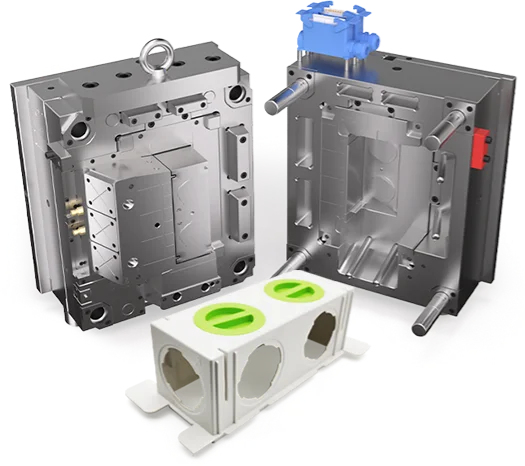
Vertical injection molding is defined by the function, constraints, and tradeoffs explained in this section. Vertical injection molding¹ is a specialized form of plastic injection molding where the molde de inyección opens and closes along a vertical axis rather than the horizontal axis used by conventional machines. The injection unit sits directly above the mold, and the clamping mechanism pushes the lower mold half upward to meet the upper half.

This vertical orientation changes the physics of the pasos del proceso de moldeo por inyección in useful ways. Gravity pulls molten plastic downward into the cavity, helping to fill complex geometries. More importantly, when you need to place metal inserts, electronic components, or threaded fasteners into the mold before each shot, gravity holds them firmly in position on the lower mold half — no elaborate fixtures required.

The core components are the same as any injection molding machine: a hopper, barrel, screw, heaters, clamping unit, and mold. The difference is purely in orientation. Vertical machines typically use a shuttle or rotary table³ system that moves the lower mold half between stations, so an operator or robot can load inserts at one station while the machine injects at another.

🏭 ZetarMold Factory Insight
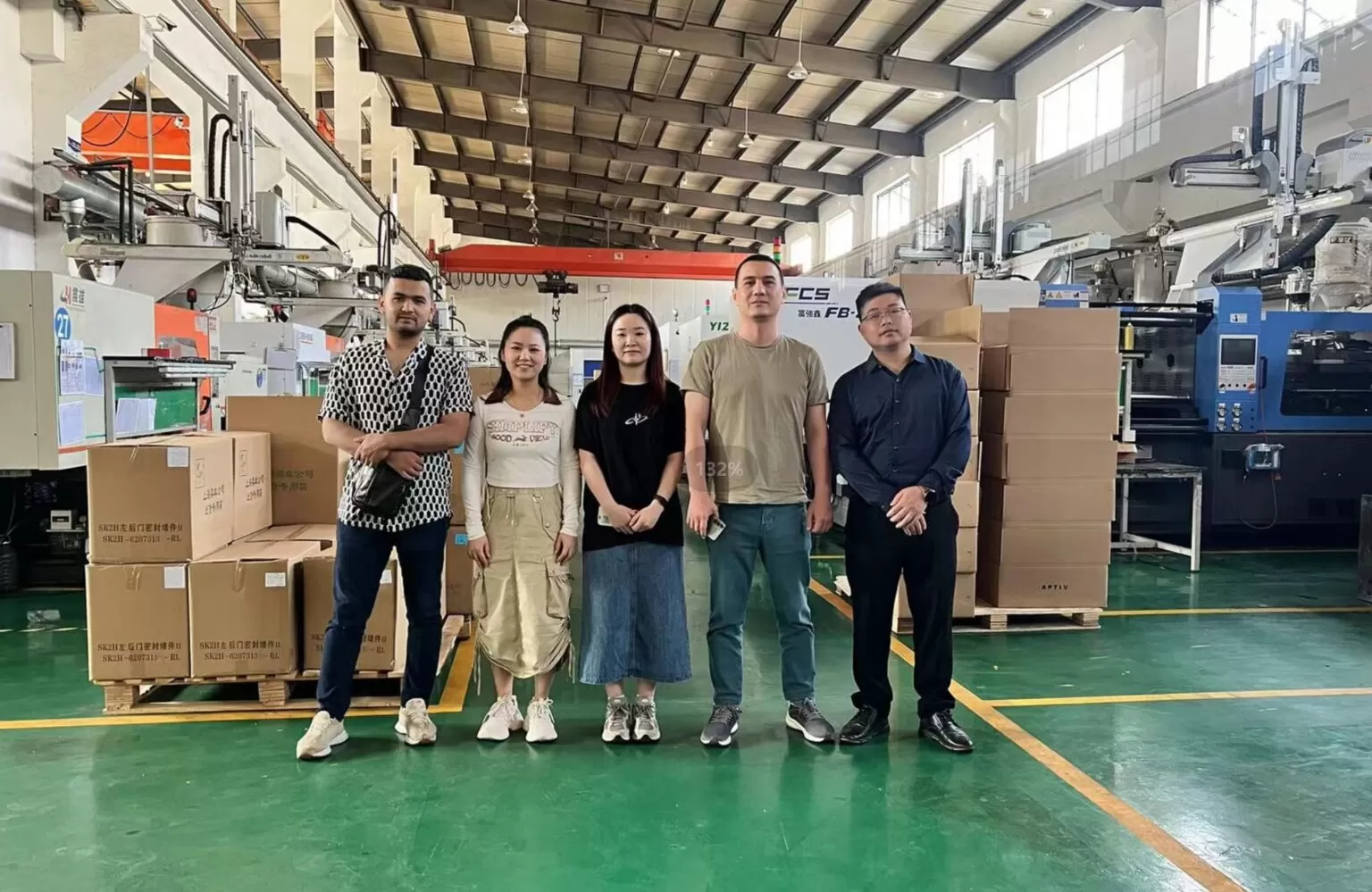
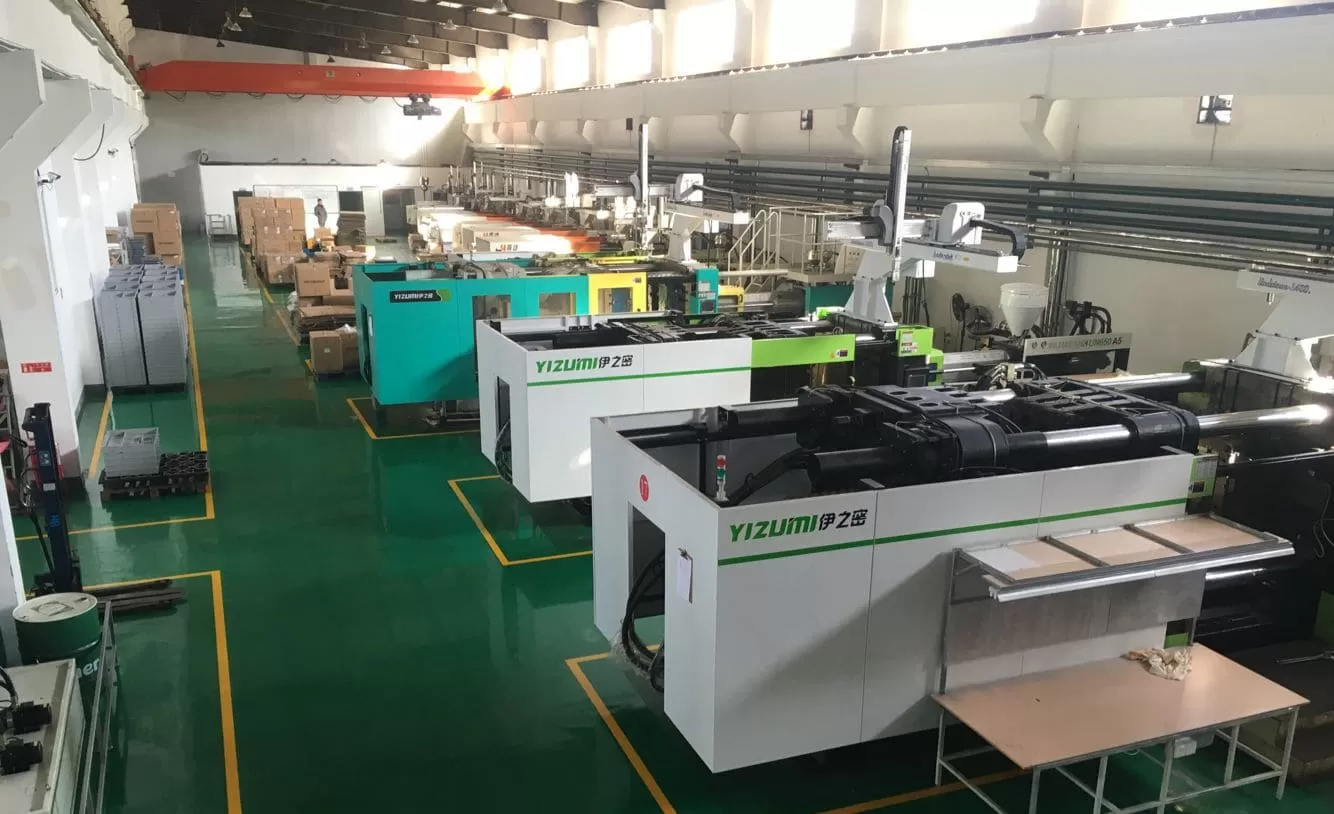
In our Shanghai factory, our team operates 47 injection molding machines ranging from 90T to 1850T. In our experience, vertical machines are most useful for moldeo por inserción2 y sobremoldeo3 jobs where gravity-assisted positioning delivers measurable quality improvements.

What Are the Key Benefits of Vertical Injection Molding?

Space Efficiency and Compact Footprint

Vertical machines occupy significantly less floor space than horizontal machines of equivalent clamping force. Because the clamp and injection units are stacked vertically rather than laid out horizontally, a vertical press with 100 tons of fuerza de sujeción⁵ can fit into roughly half the footprint of a comparable horizontal machine.

This is a real advantage for facilities where floor space is at a premium. If you are running a factory in a high-rent industrial zone, every square meter matters. We have seen shops add two or three vertical machines in the space previously occupied by a single horizontal press, effectively doubling or tripling their insert-molding capacity without expanding the building.

Superior Insert Molding and Overmolding Performance

This is where vertical machines truly shine. Moldeo por inserción² — the process of molding plastic around a pre-placed metal or electronic component — is dramatically easier on a vertical machine. Gravity keeps the insert seated on the lower mold half. On a horizontal machine, you need complex fixtures, magnets, or robotic arms to hold inserts in the correct position during mold closing.

The same principle applies to sobremoldeo⁴. When you mold a second material over a previously formed substrate, the vertical orientation ensures the substrate stays firmly in place. In practice, we see insert rejection rates drop by 60–80% when moving complex insert jobs from horizontal to vertical machines, because gravity does the work that expensive fixtures used to do.

“Vertical injection molding machines can reduce insert rejection rates by 60–80% compared to horizontal machines on complex insert jobs.”Verdadero

True. The vertical orientation allows gravity to hold inserts firmly in place, eliminating the need for complex fixtures that can fail and cause misalignment or displacement during mold closing.

“Horizontal injection molding machines are always better than vertical machines for insert molding applications.”Falso

False. Vertical machines are specifically superior for insert molding because gravity naturally holds inserts in position on the lower mold half, reducing fixture complexity and defect rates. Horizontal machines require additional fixtures or robotic systems to achieve the same result.

Lower Tooling and Fixture Costs

Because gravity holds inserts and substrates in position, you can often skip the custom fixtures and magnetic holders that horizontal machines require. For a typical insert-molded connector with four brass threaded inserts, the fixture savings alone can run $2,000–$5,000 per mold — and the fixture maintenance costs disappear entirely.

Mold design is also simpler in some cases. The lower mold half acts as a natural shelf for inserts, reducing the complexity of the mold itself. Combined with in-house mold manufacturing capabilities, the total tooling investment for a vertical molding project can be 15–25% lower than the equivalent horizontal setup.

Multi-Station Rotary Tables for Continuous Production

Many vertical machines come with rotary table or shuttle table options that enable continuous multi-station production. While the machine injects plastic into a mold at station A, an operator loads inserts into the mold at station B. The table rotates, and the cycle repeats without pause.

This setup effectively gives you two production cycles overlapping in time. For high-volume insert molding jobs — think automotive connectors, medical device housings, or consumer electronics components — rotary table vertical machines can match or exceed the throughput of horizontal machines at a lower total cost per part, but the final plan should still be checked against realistic tiempo de producción del moldeo por inyección.

“Rotary table vertical injection molding machines allow insert loading and injection to occur simultaneously at different stations.”Verdadero

True. Rotary tables have multiple stations that index between positions. While one station is under the injection unit being filled with plastic, another station is accessible to the operator for loading inserts, enabling continuous production without stopping the machine cycle.

“Vertical injection molding machines are slower than horizontal machines in all production scenarios.”Falso

False. While vertical machines may have slightly slower cycle times for simple parts, rotary table configurations enable overlapping cycles where insert loading happens concurrently with injection. For insert molding applications specifically, vertical machines can match or exceed horizontal machine throughput.

Types of plastic injection molding gates
Gate type selection

How Does Vertical Injection Molding Compare to Horizontal?

Vertical injection molding is more competitive than horizontal when the cost, lead time, and quality tradeoffs below match your program needs. The choice between vertical and horizontal injection molding is not about one being universally better — it is about matching the machine orientation to the application requirements. Here is an honest comparison based on two decades of hands-on experience with both machine types.

Vertical machines are the best choice when your part requires moldeo por inserción, sobremoldeoo multi-component assembly. They also excel in low-to-medium volume production of parts with embedded components, and in any application where floor space is constrained. If your part has metal inserts, threaded fasteners, electronic components, or requires a second material overmold, a vertical machine is almost always the better choice.

Horizontal machines are the better choice for producción de gran volumen of standard plastic parts without inserts, multi-cavity molds producing large numbers of identical parts, very large parts that exceed the clamping capacity of available vertical machines, and applications where fully automated robotic part removal is the primary goal.

In terms of cost, vertical machines in the 50–200 ton range typically cost 20–30% less than equivalent horizontal machines. The savings come from simpler construction (no need for the large horizontal platen and tie-bar assembly), smaller footprint, and lower shipping and installation costs.

“Vertical injection molding machines in the 50–200 ton range typically cost 20–30% less than equivalent horizontal machines.”Verdadero

True. Vertical machines have simpler mechanical construction, smaller footprints, and lower shipping/installation costs, which translates to a meaningful price advantage in the small-to-medium tonnage range.

“Vertical injection molding machines can handle any part size that horizontal machines can produce.”Falso

False. Vertical machines are generally limited to smaller part sizes and lower clamping forces than horizontal machines. For very large parts or high-cavitation production molds, horizontal machines remain the practical choice due to their larger platen sizes and higher available clamping forces.

What Are Common Applications of Vertical Injection Molding?

Common applications of vertical injection molding are the main categories or options explained in this section. Vertical machines also offer easier access to the mold cavity. The operator can see and reach the mold surface from above, which simplifies insert loading, mold inspection, and part removal. On a horizontal machine, the mold faces are oriented vertically, making access more awkward and increasing the risk of dropping inserts into the mechanism. This ergonomic advantage translates to faster operator training and fewer handling errors on the production floor.

In the automotive industry, vertical molding produces connectors and sensor housings with precisely placed brass or steel inserts. Modern vehicles contain dozens of such components, and vertical machines handle these insert-molding jobs efficiently, producing parts with strong material bonds and accurate insert positioning that meets strict automotive quality standards.

Medical device manufacturing relies on vertical molding for overmolding soft, biocompatible materials over rigid substrates. The vertical orientation ensures the substrate stays firmly positioned during the second-shot injection, which is critical for maintaining consistent wall thickness and seal integrity in devices that must meet FDA biocompatibility requirements.

Vertical injection molding is widely used across industries for producing parts that require embedded components. The electronics industry relies on it for USB connectors and cable assemblies, while automotive manufacturers use it for sensor housings and connector blocks with integrated metal terminals.

Choose vertical injection molding when your part requires insert molding, overmolding, or embedded components. Best suited for vertical machines: parts with metal inserts, threaded fasteners, electronic components, or second-material overmolds. The gravity advantage alone can save thousands of dollars per year in fixture costs and scrap reduction. If your application involves placing anything inside the mold before each shot, a vertical machine is almost always the better choice.

🏭 ZetarMold Factory Insight
With experience across 400+ materials and over 20 years in production, we regularly run vertical molding jobs for automotive, medical, and electronics clients. The vertical machines are dedicated to insert and overmolding work where the gravity advantage is most valuable.
Common plastic injection molding defects
Common molding defects

How to Choose the Right Vertical Injection Molding Machine?

This section is about to choose the right vertical injection molding machine and its impact on cost, quality, timing, or sourcing risk. Selecting the right vertical machine requires evaluating several key specifications. Here is what matters most in practice:

Fuerza de sujeción: Calculate the projected area of your part (including the runner system) and multiply by the injection pressure, then add a 10–20% safety margin. For most insert-molded parts, 50–150 tons is sufficient. Do not oversize — a larger machine costs more, uses more energy, and cycles slower.

Injection capacity: Match the shot volume to your part weight plus runner weight. The injection unit should be rated for 1.2–1.5× your required shot volume for optimal fill consistency and pressure retention.

Table configuration: Decide between a single-station fixed table, a shuttle table (two stations), or a rotary table (3–4 stations). Shuttle tables are the most common compromise between cost and productivity. Rotary tables maximize throughput but add machine complexity and cost.

Platen size: Ensure the platen can accommodate your mold plus any required insert loading fixtures. Leave at least 50mm clearance on all sides. For multi-cavity molds, verify that the platen is large enough for the full mold layout.

If you are unsure about the specifications for your specific part, our engineering team can review your part design and recommend the appropriate machine configuration. Having run proveedor de moldeo por inyección operations for over 20 years, we can tell you pretty quickly whether a vertical machine is the right fit for your project.

What is the final takeaway?

Vertical injection molding is not a replacement for horizontal machines — it is a complementary technology that excels in specific applications. When your project involves moldeo por inserción, sobremoldeoo multi-component assembly, the gravity-assisted process, compact footprint, and lower tooling costs make vertical machines the clear choice.

The key benefits are straightforward: smaller floor footprint, natural insert positioning, lower fixture costs, rotary table productivity, and lower machine cost in the small-to-medium tonnage range. These advantages add up to real cost savings on the production floor.

If you have an insert molding or overmolding project in development, we can help you evaluate whether a vertical machine configuration is the right approach. Our engineering team will review your part geometry, material requirements, and production volume targets to recommend the most cost-effective production method.

Interested in a quote for your injection molding project? Get pricing, DFM feedback, and a production timeline from our engineering team.

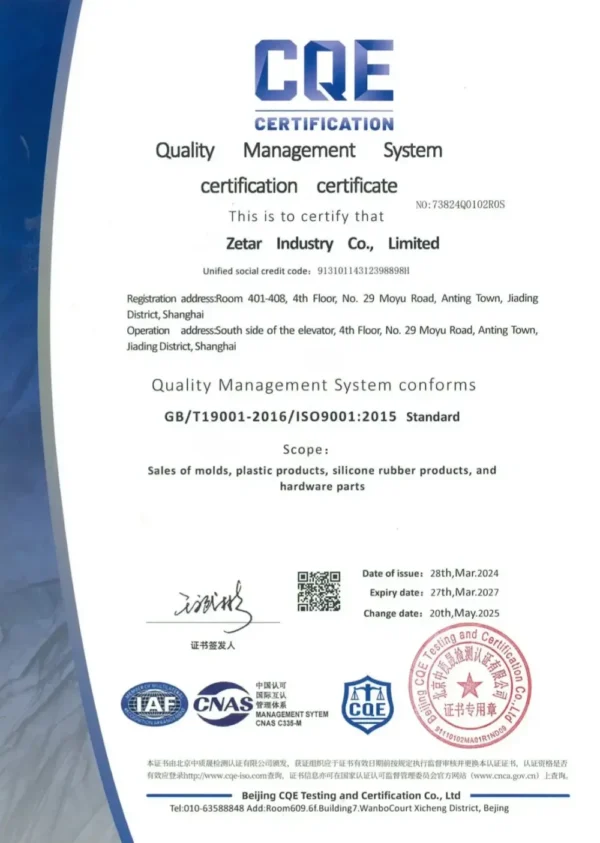
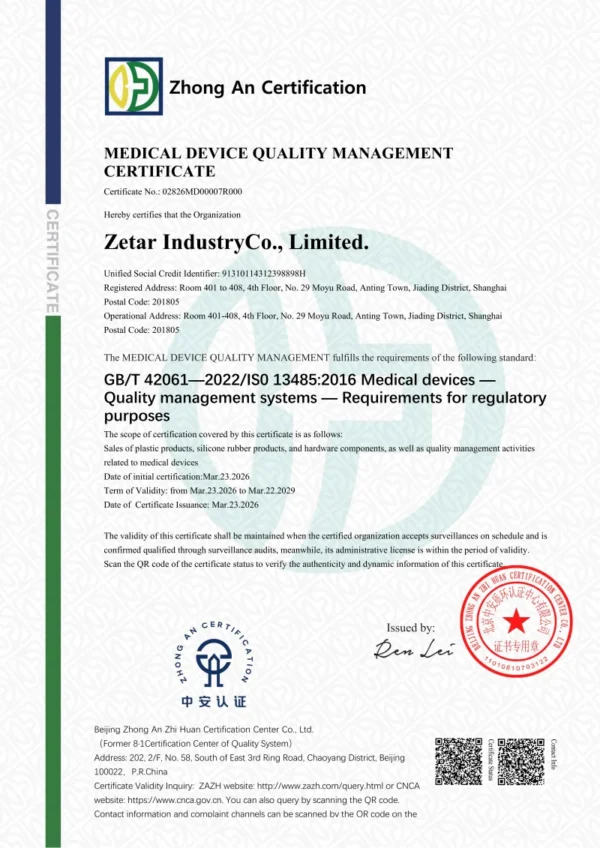
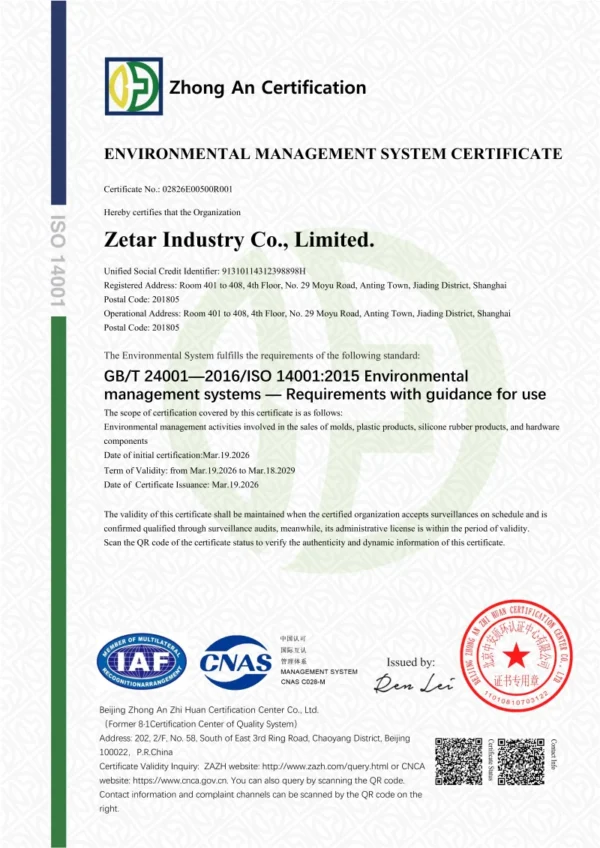
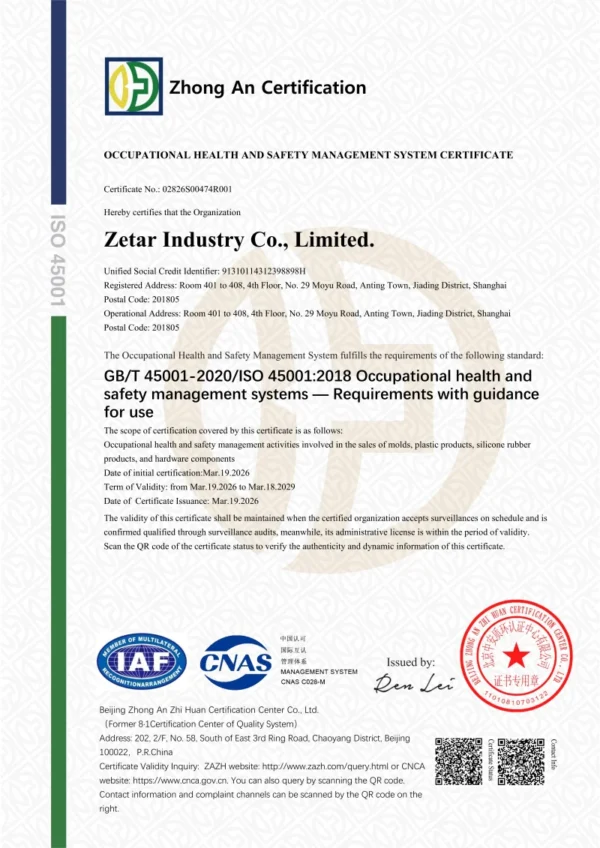
Get competitive pricing, DFM feedback, and a production timeline from ZetarMold’s engineering team. With ISO 9001, ISO 13485, ISO 14001, and ISO 45001 certified operations, we deliver precision-molded parts on time and on budget.

Request a free quote from our engineering team to discuss your vertical injection molding project. We provide competitive pricing, DFM feedback, and a detailed production timeline within 24 hours. Request a Free Quote

Preguntas frecuentes

What is the main advantage of vertical injection molding?

The primary advantage of vertical injection molding is gravity-assisted insert placement during the molding cycle. Unlike horizontal machines where metal inserts must be held in position using expensive custom fixtures, magnets, or robotic arms, vertical machines let gravity do the work naturally by holding inserts firmly on the lower mold half. This reduces fixture costs by thousands of dollars per mold, lowers defect rates significantly, and simplifies the overall production process. Vertical machines also have a substantially smaller footprint than horizontal presses, making them an excellent choice for facilities where production floor space is constrained.

Can vertical injection molding machines handle multi-material parts?

Yes, vertical machines are particularly well suited for overmolding and multi-material applications because the vertical orientation keeps the first-shot substrate firmly in position during the second injection cycle. This ensures consistent material bonding and uniform wall thickness across the entire finished part. The process is especially valuable for medical devices where a soft biocompatible TPE layer is overmolded onto a rigid polycarbonate substrate for improved grip and patient comfort, or for power tools where a rubberized grip surface is permanently molded over a hard nylon housing to provide ergonomic comfort and long-lasting impact resistance in demanding industrial environments.

How much floor space does a vertical injection molding machine save?

Vertical injection molding machines typically occupy 30 to 50 percent less floor space than horizontal machines with equivalent clamping force. The reason is straightforward: the clamp and injection units are stacked vertically rather than laid out horizontally, which dramatically reduces the machine footprint on the production floor. This compact size makes vertical machines ideal for manufacturing facilities where space is at a premium, or for companies that want to add production capacity by installing additional machines without constructing new building space.

What types of inserts work best in vertical injection molding?

A wide variety of inserts work well in vertical injection molding, including brass threaded inserts for mechanical fastening, steel fasteners for structural reinforcement, stamped metal terminals for electrical connectivity, metal shielding cans for EMI protection, and pre-molded plastic substrates for multi-shot assemblies. Essentially, any component that requires precise positioning inside a molded plastic part will benefit from the gravity-assisted placement that a vertical machine provides. Common production examples range from automotive sensor housings with brass thread inserts to USB-C connectors with stamped metal contact terminals.

Is vertical injection molding more expensive than horizontal?

No, el moldeo por inyección vertical generalmente es menos costoso que el moldeo horizontal para aplicaciones de moldeo con insertos y sobremoldeo. En el rango de fuerza de cierre de 50 a 200 toneladas, las máquinas verticales suelen costar entre 20 y 30 por ciento menos que las máquinas horizontales comparables del mismo fabricante. Los costos de herramienta también son notablemente menores porque la gravedad mantiene los insertos en su posición correcta, lo que elimina la necesidad de dispositivos personalizados costosos, magnetos o sistemas de carga robóticos. Los costos operativos también son frecuentemente menores, ya que las máquinas verticales en este rango de tonelaje tienden a tener sistemas de accionamiento hidráulicos o totalmente eléctricos más simples que consumen menos energía por ciclo.

¿Qué es una mesa rotativa en una máquina de moldeo por inyección vertical?

Una mesa rotativa es una plataforma rotativa motorizada con dos o más estaciones de molde que permite ciclos de producción continuos y superpuestos en una máquina de moldeo por inyección vertical. Su funcionamiento es sencillo: mientras la unidad de inyección llena el molde en una estación con plástico fundido, un operador o brazo robótico carga insertos metálicos en el molde vacío de la estación adyacente. Una vez que la inyección se completa, la mesa rotativa indexa para llevar el molde cargado a la posición de inyección mientras la pieza recién moldeada se retira del molde ahora enfriado. Este proceso superpuesto efectivamente duplica su producción para aplicaciones de moldeo con insertos sin requerir una segunda máquina.

¿Cuándo debería elegir moldeo por inyección vertical sobre horizontal?

Debe elegir el moldeo por inyección vertical cuando el diseño de su pieza requiera moldeo con insertos, sobremoldeo o la inserción de componentes metálicos dentro de una carcasa plástica. Las máquinas verticales también son la mejor opción cuando el espacio de producción es limitado, cuando los volúmenes de producción son bajos o medios, o cuando desea reducir el costo y la complejidad de los dispositivos de retención de insertos. Por el contrario, elija máquinas horizontales cuando produzca grandes volúmenes de piezas plásticas estándar que no contengan insertos, cuando las piezas sean muy grandes y requieran altas fuerzas de cierre, o cuando su proceso de producción dependa de sistemas robóticos de extracción totalmente automatizados que funcionen a máxima velocidad.

¿Qué fuerza de cierre necesito para el moldeo por inyección vertical?

La mayoría de las piezas producidas con moldeo con insertos requieren entre 50 y 150 toneladas de fuerza de cierre. Para determinar la especificación correcta para su aplicación, debe calcular la superficie proyectada de su pieza terminada incluyendo el sistema de canal, luego multiplicar esa área por la presión de inyección requerida para el material plástico elegido. Una vez que tenga ese número base, añada un margen de seguridad de 10 a 20 por ciento para considerar las variaciones de viscosidad del material y las fluctuaciones del proceso. Es importante evitar sobredimensionar su máquina porque las máquinas más grandes son más costosas de comprar y operar, consumen más energía por ciclo y generalmente funcionan más lentamente que una máquina correctamente adaptada a los requisitos de su pieza.


  1. moldeo por inyección vertical: el moldeo por inyección vertical se refiere a un proceso de fabricación donde la unidad de inyección y la unidad de cierre están orientadas verticalmente, con el molde abriendo y cerrándose en un eje vertical, ideal para aplicaciones de moldeo con insertos y sobremoldeo.

  2. insert molding: el moldeo con insertos se refiere a un proceso de moldeo por inyección que implica colocar un componente preformado (inserto metálico, parte electrónica o otra pieza plástica) en la cavidad del molde antes de inyectar plástico fundido alrededor para crear una pieza integrada única.

  3. overmolding: el sobremoldeo se refiere a un proceso de moldeo por inyección de dos pasos donde una segunda capa de material se moldea sobre un substrato previamente formado, creando una pieza multimaterial con propiedades mejoradas de agarre, sellado o estructura.

Últimas entradas
Facebook
Twitter
LinkedIn
Pinterest
Foto de Mike Tang
Mike Tang

Hi, I'm the author of this post, and I have been in this field for more than 20 years. and I have been responsible for handling on-site production issues, product design optimization, mold design and project preliminary price evaluation. If you want to custom plastic mold and plastic molding related products, feel free to ask me any questions.

Conecta conmigo →

Solicite un presupuesto rápido

Envíe los planos y los requisitos detallados a través de 

Emial:[email protected]

O rellene el siguiente formulario de contacto:

Solicite un presupuesto rápido

Envíe los planos y los requisitos detallados a través de 

Emial:[email protected]

O rellene el siguiente formulario de contacto:

Solicite un presupuesto rápido

Envíe los planos y los requisitos detallados a través de 

Emial:[email protected]

O rellene el siguiente formulario de contacto:

Solicite un presupuesto rápido

Envíe los planos y los requisitos detallados a través de 

Emial:[email protected]

O rellene el siguiente formulario de contacto:

Solicite un presupuesto rápido

Envíe los planos y los requisitos detallados a través de 

Emial:[email protected]

O rellene el siguiente formulario de contacto:

Solicite un presupuesto rápido para su marca

Envíe los planos y los requisitos detallados a través de 

Emial:[email protected]

O rellene el siguiente formulario de contacto:

Спросите быструю цитату

Мы свяжемся с вами в течение одного рабочего дня, обратите внимание на письмо суффиксом "[email protected]".

Solicite un presupuesto rápido

Envíe los planos y los requisitos detallados a través de 

Emial:[email protected]

O rellene el siguiente formulario de contacto:

Solicite un presupuesto rápido

Envíe los planos y los requisitos detallados a través de 

Emial:[email protected]

O rellene el siguiente formulario de contacto: