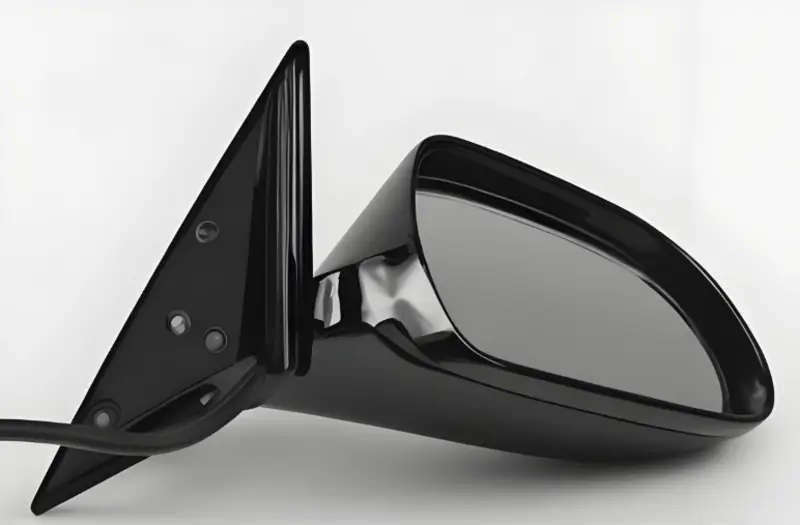
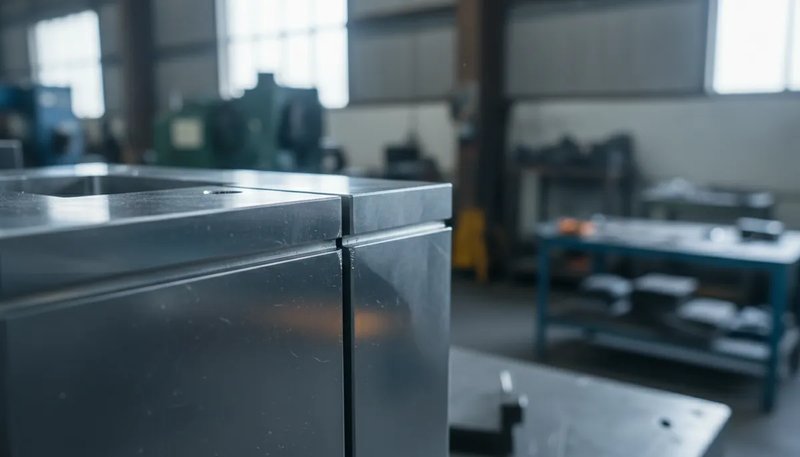
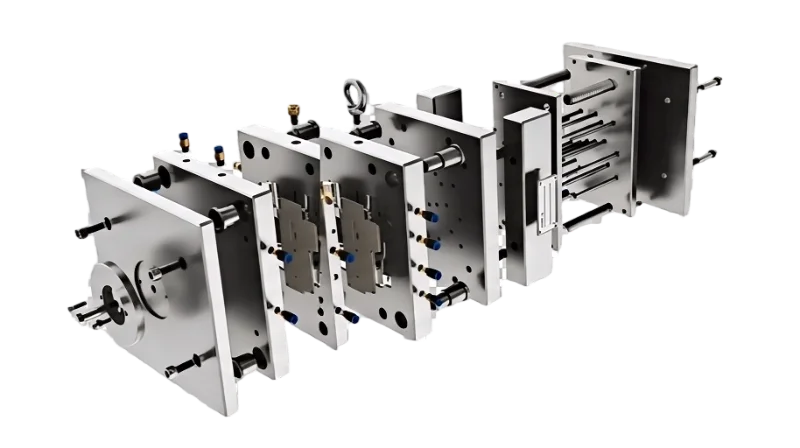
Automotive injection molds are tools used in the production of vehicle parts through the injection molding process. They create high-precision, durable components for the automotive industry.
Automotive injection molds are specialized molds used to manufacture precise and durable vehicle components. They provide efficient production of parts like bumpers, dashboards, and interior panels, ensuring high-quality standards and cost-efficiency.
To understand how automotive injection molds work and their benefits, it’s essential to explore the various mold types and materials used in automotive manufacturing. Continue reading to discover how they streamline vehicle production.
- Steel molds (P20, H13) handle over 1 million shots for high-volume production
- Hot runner systems eliminate runner waste, saving 10-20% material
- Precision tolerances of ±0.01 mm are achievable with advanced CNC machining
- Mold flow analysis cuts development time by 30-50%
“Automotive injection molds are used for making vehicle parts.”True
Automotive injection molds are designed to produce various high-precision vehicle components such as bumpers and dashboard panels.
“Automotive injection molds are only used for large-scale production.”False
While often used for mass production, automotive injection molds can also be applied in smaller batch runs, depending on the project requirements.
What is Automotive Plastic Injection Molding?
Automotive plastic injection molding1 is defined by the function, constraints, and tradeoffs explained in this section. If you are comparing vendors or planning procurement, our injection molding supplier sourcing guide covers RFQ prep, qualification, and commercial risk checks.
Automotive plastic injection molding is a manufacturing process used to create durable, complex plastic parts for vehicles. It offers precision and cost-effectiveness in automotive production. For a broader overview of the process, see our injection molding complete guide.
Automotive plastic injection molding involves injecting molten plastic into molds to form components like bumpers, dashboards, and trim. This process ensures high precision, durability, and scalability for mass production.
Automotive injection molding refers to the use of injection molding process in the automotive industry
“Plastic injection molding is used to produce car parts.”True
Plastic injection molding is commonly used in automotive manufacturing to create parts like dashboards, bumpers, and trim components due to its precision and efficiency.
“Automotive plastic injection molding is only suitable for large-scale production.”False
While often used for high-volume production, automotive plastic injection molding can also be effective for smaller batches depending on the design and material used.
What is Automotive Injection Mold?
Automotive injection mold is defined by the function, constraints, and tradeoffs explained in this section. Automotive injection molding involves creating car parts using molds and molten plastic. It’s essential for producing precise, durable, and high-quality automotive components.
Automotive injection molding shapes car parts by injecting molten plastic into molds under high pressure. It’s widely used to produce various components like dashboards, bumpers, and trim parts, offering efficiency and durability.
The cover mold is the most important part of the automotive mold. This type of mold is mainly a cold stamping moldity
. In a broad sense, automotive mold is a general term for molds that make all parts on a car. For example, stamping molds, injection molds, forging molds, casting wax molds, glass molds, etc.
Car molds are molds that make all the parts on a car. Car stamping molds are molds that punch all the stamping parts on a car. Car body stamping molds are molds that punch all the stamping parts on a car body. Car cover stamping die is the die for stamping all the cover parts on the car body.
“Automotive injection molding improves part durability and precision.”True
Injection molding ensures tight tolerances, making parts durable and fit for the demanding automotive industry.
“All car parts can be made using injection molding.”False
While injection molding is ideal for many automotive components, it’s not suitable for all parts, especially those requiring metal or highly complex designs.
What are the Main Features of Automotive Injection Molds?
Automotive injection molds are key to producing precise, durable parts used in vehicles. These molds ensure high-quality, repeatable results for automotive components.
Automotive injection molds are designed for durability, precision, and efficiency. They are used to create complex, high-performance parts for vehicles, such as bumpers, dashboards, and engine components. Benefits include fast production times, consistent part quality, and the ability to produce complex geometries that would be impossible with other methods.
“Automotive injection molds can produce parts with tolerances as tight as ±0.01 mm.”True
Precision molds equipped with advanced CNC machining can achieve extremely tight tolerances, especially for critical automotive components like gear housings and connector seals.
“Automotive injection molds are only used for exterior parts.”False
Automotive injection molds are used for both interior and exterior components, such as dashboards, trim, and under-the-hood parts, contributing to the overall vehicle design.
High Production Efficiency
The injection mold uses mechanical injection molding process, which can quickly and efficiently produce injection molded parts products of various shapes, with high production efficiency and suitable for mass production.
High Precision
The injection mold uses advanced CNC processing technology, so the mold structure is simple, the processing accuracy is high, and the product size produced is accurate. It is suitable for industries with high requirements for product size accuracy.
Low Structural Complexity
The injection mold has a simple structure, is easy to manufacture and maintain, and does not require additional supporting equipment, which can greatly reduce production costs.
Strong Material Plasticity
You can make injection molds with different plastic materials that have different properties. They’re really flexible and can work for all sorts of industries and products.
Long Mold Life
The injection mold is made of high-quality mold steel material with good wear resistance. It is suitable for mass production and has a long mold life, which can significantly reduce manufacturing costs.
Wear Resistance:During injection, molten material flows under high pressure across cavity surfaces. Over time, this causes surface wear that affects part quality and dimensional accuracy.
Toughness
Most of the toughness of injection molds is very poor, and some are often subjected to large impact loads, resulting in brittle fracture. In order to avoid sudden fracture of the mold machine, precision metal molds must have high-strength toughness. The toughness of the mold depends on the carbon content, grain size and structure of the material, etc.
Fatigue Fracture:When the mold is being processed, it is often subjected to long-term stress, which can cause fatigue and breakage. In this case, there is a small amount of energy that can repeatedly attack the fatigue fracture.The fatigue fracture function of the injection mold depends on its strength, toughness, hardness, and the amount of inclusions in the material.
What are the Types of Automotive Injection Molds?
The types of automotive injection molds are the main categories or options explained in this section. Automotive injection molds come in various types, each tailored to meet the demands of the automotive industry, ensuring precision, durability, and cost-efficiency in production.
Automotive injection molds include cold runner, hot runner system2, multi-cavity, and family molds. Each type offers distinct benefits, such as improved cycle time, material savings, and better part quality. From prototype display molds used in early-stage validation to production-grade multi-cavity tools, choosing the right mold type directly affects development cost and time-to-market.
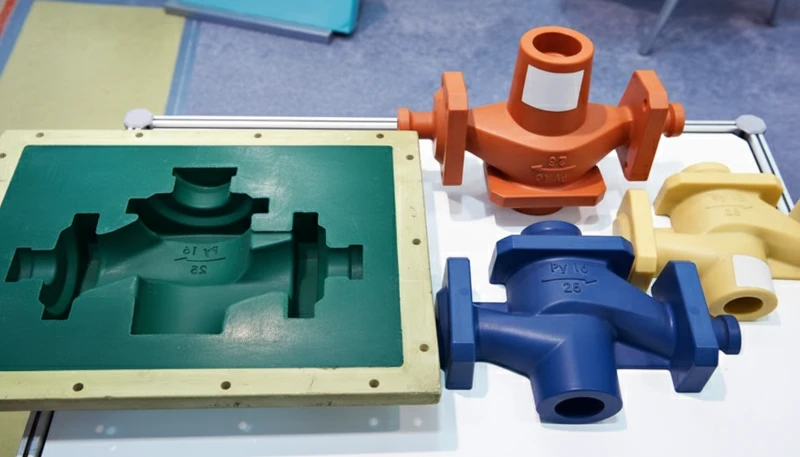
There are many types of automotive molds, such as injection molds, stamping molds, forging molds, casting molds, etc. Each type of mold corresponds to different types of accessories. Now more and more accessories are starting to use plastic raw materials, and injection molds play a very important role. The classification of automotive plastic molds can be roughly divided into the following types.
There are many ways to classify automotive plastic molds. According to the different methods of plastic parts molding, they can be divided into the following categories:
Injection Mold
Injection mold, also known as injection mold, is a mold used in the molding process. The molding process of this mold is characterized by placing the plastic raw material in the heated barrel of the injection machine. The plastic is melted by heat and, under the push of the screw or plunger of the injection machine, enters the mold cavity through the nozzle and the pouring system of the mold. The plastic is cured and molded in the mold cavity by heat preservation, pressure maintenance, cooling and curing.
Injection molding is a process that uses a heating and pressurizing device to mold plastic parts. It can mold plastic parts with complex shapes, and it has high production efficiency and good quality. So, injection molding is used a lot in the molding of plastic parts. Injection molds account for more than half of plastic molding molds. Injection machines are mainly used for the molding of thermoplastics. In recent years, they have also been used for the molding of thermosetting plastics.
Compression Mold
Compression mold, also known as compression mold or rubber compression mold, is a type of mold used for molding. The molding process of this mold is characterized by adding the plastic raw material directly into the open mold cavity, and then closing the mold. After the plastic is melted under the action of heat and pressure, it fills the cavity with a certain pressure.
Right now, the plastic’s molecular structure is doing a chemical cross-linking reaction and slowly getting hard and set. Compression molds are mostly used for thermosetting plastics
, and the molded plastic parts are mostly used for the shells of electrical switches and daily necessities.
Transfer Mold
Transfer mold, also known as injection mold or rubber extrusion mold, is a type of mold used in the manufacturing process. The process involves adding plastic raw material to a heated feeding chamber and then applying pressure to the material using a pressure column.
The plastic melts under high temperature and pressure and enters the cavity through the casting system of the mold, and then undergoes chemical cross-linking reaction and gradually solidifies and forms. The transfer molding process is mostly used for thermosetting plastics, and can form plastic parts with relatively complex shapes.
Extrusion Mold
Extrusion mold, also known as extrusion head, can continuously produce plastics with the same cross-sectional shape, such as plastic pipes, rods, sheets, etc. The heating and pressurizing device of the extruder is the same as that of the injection molding machine. The molten plastic will form a continuous molded plastic part through the die head, and the production efficiency is particularly high.
Stamping Die
Stamping die is one of the most commonly used molds in the automobile manufacturing process. It can stamp metal sheets into various shapes of automobile exterior components,These parts include frames, chassis,cylinder head covers, doors, roofs, etc., which take up most of the processes in the whole car manufacturing process. The production cost of stamping dies is relatively low, but special machines and equipment are needed for processing.
Casting Mold
Casting molds are mainly used to melt and cast metals, and are usually used to make car parts like engine parts, transmission parts, wheels, etc. The cost of making casting molds is high, but the process of making castings is relatively simple, and you can make a lot of parts.
“Cold runner molds are cost-effective for high-volume production.”True
Cold runner molds are ideal for high-volume, low-cost production, though they may lead to more material waste compared to hot runner molds.
“Hot runner molds are always better than cold runner molds.”False
While hot runner molds reduce material waste and improve part quality, they come with higher initial costs and are better suited for specific production needs.
What are the Design Principles of Automotive Injection Molds?
Automotive injection molds are essential for producing high-quality, durable components. Their design ensures precise fitting and optimal performance in vehicle manufacturing.
Automotive injection molds are designed to meet specific performance standards, ensuring precise and durable parts. Key design principles include optimal material flow, cooling efficiency, and part ejection mechanisms. These factors impact the speed, cost, and quality of production.
Reasonableness Principle
The mold design should meet the actual needs of production, consider the feasibility and economy of production, minimize the cost of making the mold, and maximize production efficiency.
Stability Principle
The mold should be stable during normal production, without any weird stuff like getting bent, so you can make stuff fast.
Principle of Variability
The mold design should be made of plastic, be able to make a lot of different parts, and be able to make different parts at different times.
“Automotive injection molds are designed for durability and precision.”True
These molds are built to withstand the rigorous demands of high-volume production while ensuring accurate part formation.
“Automotive injection molds prioritize cooling efficiency over material flow.”False
While cooling efficiency is vital, material flow is equally important for ensuring uniformity and strength of the molded parts.
What is the Material Selection for Automotive Injection Molds?
Choosing the right material for automotive injection molds is key to enhancing performance, durability, and cost-effectiveness in manufacturing.
The ideal material for automotive injection molds depends on factors like strength, heat resistance, and cost. Common choices include steel, aluminum, and specialty alloys, each offering unique benefits for different automotive components.
What Materials are Used for Injection Molds
Stuff like cast iron, steel, aluminum, and magnesium alloys are all used to make car molds.
Cast Iron Mold:Cast iron mold is a mold material with high wear resistance and hardness, which is widely used in the automotive manufacturing industry.Cast iron molds are simple to produce, inexpensive, and easy to machine. However, they are not tough and are prone to cracking and damage. As a result, cast iron molds are not widely used for complex automotive mold structures.
Steel Mold:When it comes to automotive mold tool steel3, steel molds are the most commonly used material in automotive molds. Tool steel grades like P20 and H13 offer excellent hardness and wear resistance, making them ideal for high-volume production runs.
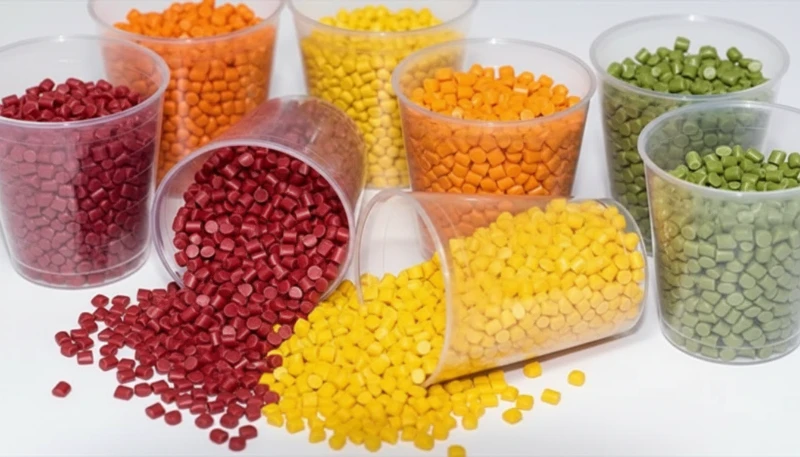
Aluminum and Magnesium Alloy Molds:Aluminum and magnesium alloy molds are a lightweight mold material with low density and good thermal conductivity. The processing and production cycle of aluminum and magnesium alloy molds is shorter than that of steel molds, and the cost is relatively low.But, because aluminum and magnesium alloys are not as hard as steel, the mold life is relatively short, which is good for some small automotive structural molds or trial molds.
Tips for Accurate Selection of Mold Materials
Balance of Strength and Wear Resistance:When designing car molds, the mold has to pass two tests: the injection molding process and the strength requirements of the parts. So when choosing mold materials, you have to balance their strength and wear resistance.Good mold materials are strong and can handle the high pressure and squeezing forces of production, and they also have good wear resistance to fight the friction and wear of plastic resin particles in the mold.
| Material Property | Importance | Typical Target |
|---|---|---|
| Hardness (HRC) | Resists cavity surface wear | 45–55 HRC |
| Toughness | Prevents cracking under cyclic load | High impact energy |
| Thermal Conductivity | Enables faster cooling cycles | 25–50 W/m·K |
| Corrosion Resistance | Extends mold life with aggressive resins | Stainless or coated |
Matching Corrosion Resistance with Production Environment:Different automotive parts production environments may involve different chemicals and lubricants that can cause corrosion to mold materials.So, when you’re choosing mold materials, you need to think about the production environment and pick materials that can handle chemicals so your mold will last a long time.
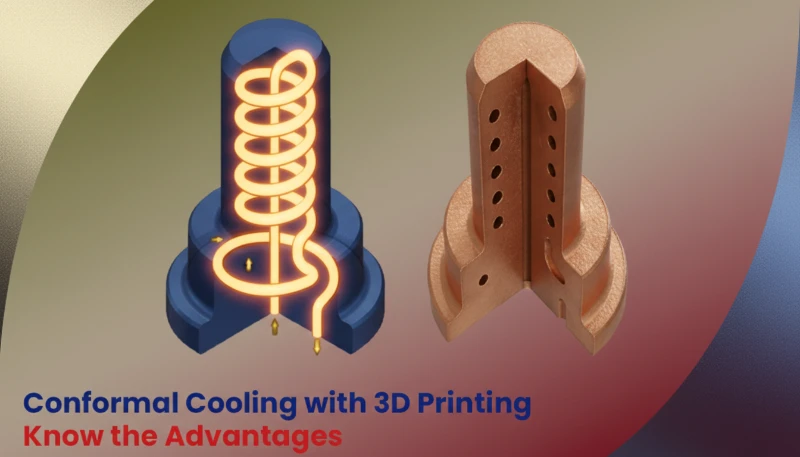
Excellent Thermal Stability and Thermal Conductivity:Mold materials must withstand high temperatures without degrading and transfer heat efficiently for uniform heating and cooling. Beryllium copper inserts can cut cycle time by 15-25 percent in critical areas.
Balance of Processability:Good mold materials must be easy to cut and shape while maintaining stable performance. When selecting materials, balance processability with performance and cost to improve production efficiency. Pre-hardened steels like P20 reduce post-hardening distortion for complex cavity geometries.
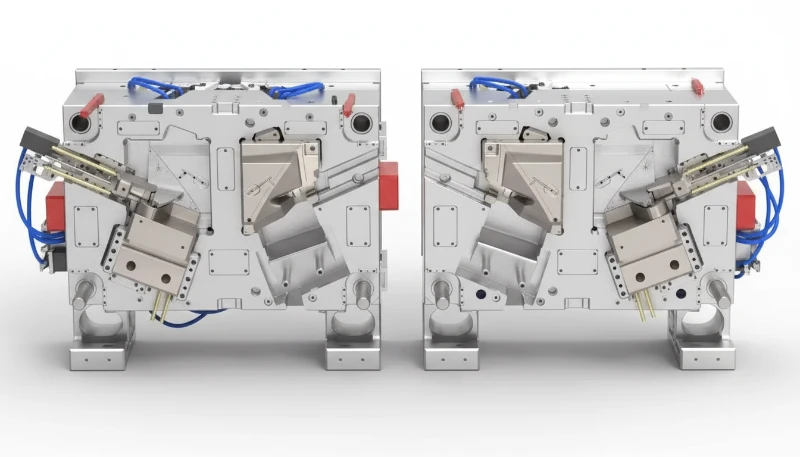
Corrosion-resistant steels are essential when molding glass-filled or flame-retardant resins that accelerate cavity wear. Thermal conductivity directly impacts cooling time — beryllium copper inserts can cut cycle time by 15-25% in critical areas. Machinability matters for complex cavity geometries; pre-hardened steels like P20 reduce post-hardening distortion.
What About Sustainability and Continuous Improvement?
Environmental Awareness and Sustainable Development:Nowadays, people care more and more about the environment and sustainable development. When choosing materials for molds, we need to think about whether the materials are sustainable and environmentally friendly. We should choose materials that can reduce the impact on the environment, so that we can meet the requirements of sustainable development.
Practical Application and Case Verification:When you’re picking mold materials, you can learn a lot from real-world applications and case studies. If you know how different materials perform under similar production conditions, you’ll have a good idea of what to choose.
Continuous Learning:Automotive mold technology evolves rapidly. Engineers must stay current with new materials, processing techniques, and simulation tools to design molds that meet changing industry standards and vehicle requirements.
What is Automotive Mold Technology?
Automotive mold technology is essential for manufacturing precise, durable components in the automotive industry. It includes various molding techniques that optimize production speed and material usage.
Automotive mold technology involves advanced injection molding processes, such as hot runners and multi-cavity molds, to create high-quality automotive parts. These processes reduce waste, enhance efficiency, and ensure the consistency of molded components.
Mold Design
The first step in making a car mold is to design the mold. When designing a mold, you need to consider the shape, size, material, and process of the parts to ensure the quality and reliability of the final parts. In addition, mold design should include mold structure design, mold parameter calculation, and mold component selection.
Mold manufacturing
Material Selection:The mold material is usually high-quality steel to ensure the hardness, toughness, and wear resistance of the mold, and to withstand the complex processing of automotive parts. The choice of mold materials is very important in the mold process.
Engraving Processing:Engraving processing is when you engrave the part design onto the mold steel. You need to use high-precision simulation technology to make sure the mold is accurate and precise.
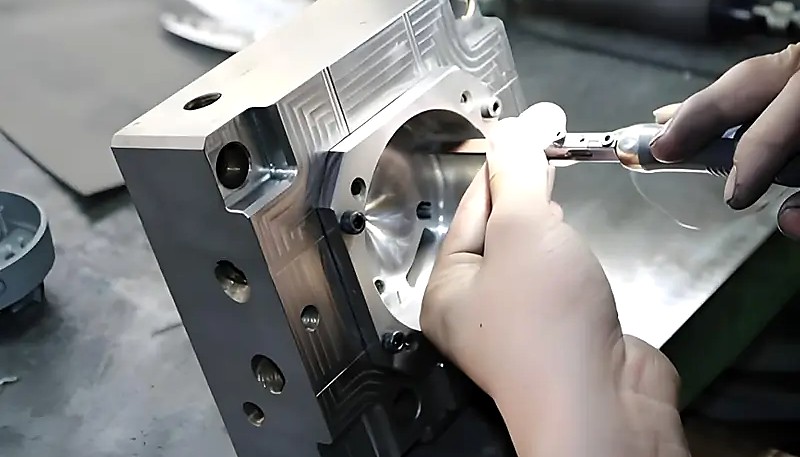
CNC Processing:CNC machining is a high-precision machining technology that can complete the machining of complex structural molds in a short time. CNC machining
can not only ensure the quality of the mold, but also shorten the manufacturing cycle.
EDM Processing:EDM processing is short for electric spark discharge machining, which can make odd-shaped parts in high-precision molds. With this technology, mold manufacturers can make complex and high-quality automotive parts.
Mold Trial
Mold trial is a key step in the mold process. It can evaluate the effect of mold design and manufacturing. During the mold trial process, we need to verify whether the manufactured mold can run smoothly and meet the customer\’s requirements.
The mold trial can also help to further fine-tune the parameters and design of the mold in order to enhance the mold’s efficiency and quality.
Subsequent Processing Links
In the following processing steps, the parts need to be processed and treated on the surface to meet the high quality requirements of the automotive industry. Subsequent processing includes heat treatment, assembly, gold plating, polishing and other processes.
“Automotive mold technology ensures high-quality parts for vehicles.”True
The precision and advanced techniques used in automotive mold technology help produce durable, high-performance vehicle components.
“Automotive mold technology is only used in high-end vehicles.”False
Automotive mold technology is widely used across all vehicle categories, from economy to luxury models, to ensure consistent quality and efficiency in mass production.
What are the Advantages of Automotive Injection Molds?
The advantages of automotive injection molds are the main categories or options explained in this section. Automotive injection molds offer precision, cost-efficiency, and durability in the production of automotive parts, ensuring high-quality components that meet stringent industry standards.
Automotive injection molds enable high precision, low waste, and faster production cycles. Benefits include reduced material costs, improved part consistency, and the ability to manufacture complex shapes for automotive components.
High production efficiency: Automotive injection molds utilize automated production processes, allowing for the rapid production of a large quantity of parts in a short amount of time.
“Automotive injection molds reduce production time.”True
By enabling faster cycle times, automotive injection molds improve the overall efficiency of mass production in the automotive industry.
“Automotive injection molds are always more expensive than traditional methods.”False
While the initial setup cost of automotive injection molds may be higher, their long-term benefits in terms of efficiency and material savings can offset the extra expense.
Consistent production quality: The manufacturing technology for automotive injection molds is well-established, the mold structure is sound, and a large quantity of automotive parts with consistent quality can be produced.
Cheap material cost: In the process of making car injection molds, the material usage is low, and the production cost is relatively low.
Various shapes: Car injection molds can be designed and made according to different needs, and can produce car parts of various shapes and sizes.
Why Do Automotive Injection Molds Matter for Manufacturing?
Automotive injection molds are a must-have tool in the automotive manufacturing process. The quality and performance of the molds are directly related to the quality and production efficiency of the car. In our experience, a well-maintained automotive mold can run over 500,000 cycles without measurable dimensional drift — while a poorly designed one fails before 100,000 shots.
Understanding automotive injection molds — from material selection and design principles to mold technology and maintenance — directly impacts part quality, production cost, and time-to-market. Whether you are sourcing a single-cavity prototype mold or a multi-cavity production tool with hot runners, the decisions you make at the mold design stage echo through millions of production cycles.

At ZetarMold, we bring over 20 years of hands-on experience in automotive injection mold design and manufacturing. Our Shanghai factory operates 47 injection molding machines ranging from 90T to 1850T, giving us the flexibility to produce everything from small precision connectors to large bumper molds under one roof.
Frequently Asked Questions
Frequently Asked Questions
What materials are commonly used in automotive injection molds?
Common mold materials include P20 and H13 tool steels for high-volume production, aluminum alloys for prototyping and short production runs, and beryllium copper inserts for improved cooling in critical areas. The choice always depends on production volume, resin type, and required surface finish. P20 steel is the most widely used for molds producing over 500,000 parts due to its excellent balance of hardness and machinability, while H13 is preferred for glass-filled or high-temperature resins where thermal fatigue resistance is critically important.
How long does an automotive injection mold typically last?
A well-maintained automotive injection mold made from hardened tool steel like H13 can produce over one million shots during its service life. P20 steel molds typically last between 300,000 and 500,000 cycles before requiring significant refurbishment, while aluminum prototype molds may only sustain 1,000 to 10,000 shots. Actual mold life depends on the abrasiveness of the resin being molded, operating temperature, maintenance frequency, and any surface treatments applied such as nitriding or chrome plating. Establishing a regular preventive maintenance schedule including cleaning, polishing, and component replacement can extend mold life by thirty to fifty percent, reducing your per-part tooling cost significantly.
What is the typical lead time for an automotive injection mold?
Lead times for automotive injection molds range from six to twelve weeks for standard single or multi-cavity molds, while complex molds with hot runner systems, side actions, or tight tolerances can take fourteen to twenty weeks. Prototype molds in aluminum can often be delivered in two to four weeks for initial sampling and testing. Factors that influence lead time include design complexity, material availability, the number of iterations needed during mold trials, and the level of dimensional validation required before production approval. Using mold flow simulation and concurrent engineering practices can compress the overall development timeline by twenty to thirty percent.
How does a hot runner system improve automotive injection molding?
Hot runner systems improve automotive injection molding by keeping the plastic material in a molten state between the machine nozzle and the mold cavity, which eliminates the cold runner waste that would otherwise need to be reground or discarded. This typically reduces material consumption by ten to twenty percent and improves cycle times by eliminating the need to cool and eject runners. For high-volume automotive production runs exceeding 500,000 parts, the material savings alone can offset the higher initial tooling cost within the first production batch. Hot runners also improve part consistency by delivering more uniform melt temperature to each cavity.
What tolerances can automotive injection molds achieve?
Precision automotive injection molds can achieve tolerances of plus or minus 0.01 to 0.05 millimeters for critical dimensions, depending on the material, part geometry, and mold construction quality. Tight tolerances below 0.02 mm typically require specialized tooling with hardened steel inserts, in-process measurement systems, and tightly controlled environmental conditions including temperature and humidity regulation. Factors that affect achievable tolerance include mold design precision, material shrinkage behavior during cooling, processing parameters such as injection speed and holding pressure, and cooling uniformity across the part. Most automotive interior and exterior components specify tolerances in the 0.05 to 0.25 mm range.
Why is mold flow analysis important for automotive injection molds?
Mold flow analysis is a computer simulation that models the filling, packing, and cooling phases of the injection molding process before any steel is cut. It identifies potential defects such as air traps, weld lines, sink marks, and uneven shrinkage, allowing designers to modify the mold layout or processing parameters virtually rather than through costly physical iterations. In practice, mold flow analysis reduces the number of mold modifications by thirty to fifty percent and shortens overall development time. For complex automotive parts with varying wall thicknesses, multiple gates, or insert-molded features, this simulation is considered essential for first-shot success.
Need a Quote for Your Injection Molding Project?
Get competitive pricing, DFM feedback, and production timeline from ZetarMold’s engineering team.
Request a Free Quote →
-
injection molding: injection molding refers to a manufacturing process for producing parts by injecting molten material into a mold. ↩
-
hot runner system: A hot runner system is a molten plastic delivery system that maintains the plastic in a molten state within the mold until it reaches the cavity. ↩
-
tool steel: Tool steel refers to a variety of carbon and alloy steels particularly well-suited for making molds, dies, and cutting tools due to their hardness, abrasion resistance, and ability to retain shape at elevated temperatures. ↩