 Skip to content

injection molding1 is widely used for producing high-volume parts, but it comes with some challenges, including high initial setup costs and potential for defects. Before committing to this process, engineers and buyers need to weigh the trade-offs carefully. Understanding the disadvantages of injection molding helps you decide when it is the right manufacturing method for your project and when alternative processes might serve you better. This guide covers the main drawbacks including tooling costs, lead times, design constraints, and material limitations.
For broader context, compare this topic with our injection mold design guide and supplier sourcing guide. Choosing the right manufacturing partner is just as important as choosing the right process, and understanding the limitations of injection molding will help you evaluate potential suppliers more effectively.
- High initial mold cost: $5,000 to $100,000 depending on part complexity
- Long lead times: 4 to 8 weeks for production mold tooling
- Process irreversibility: design changes require new mold investment
- High scrap rate from temperature and pressure variations causing warpage and flash
- Size and design limitations: large parts and complex geometries increase cost
What is Injection Molding?
Injection molding is a widely used manufacturing process where molten plastic is injected into molds to create complex parts quickly and efficiently. It is ideal for high-volume production.
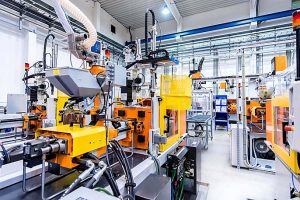
Key Machine Components: Hopper, Barrel, and Clamping Unit Diagram

Injection molding is a process where melted plastic is injected into a mold cavity to form parts. It’s known for high efficiency, precision, and the ability to produce complex shapes with minimal waste. It’s used in industries like automotive, electronics, and medical.
Injection molding is when you take hot, melted plastic and shoot it into a mold. Then you let it cool and harden into the final shape. Here’s how it works: You take plastic pellets or powder and put them in the hopper at the top of the machine. The hopper feeds them into a heated barrel where a reciprocating screw melts them.
Then it squirts the liquid into a cold, closed mold through a nozzle at the end of the machine. The mold cools the liquid down and makes it hard. When you open the mold and take out the plastic, you’re done. That’s one cycle.
The injection molding process can use a wide variety of thermoplastic and thermosetting materials. Common materials include ABS, polycarbonate, nylon, and polypropylene, each offering different mechanical properties.
“Injection molding is a quick and cost-effective production method.”True
Injection molding allows for high-speed production and efficient use of materials, making it a cost-effective method for mass-producing parts.
“Injection molding is only used for plastic parts.”False
While commonly used for plastic, injection molding can also be used with other materials like metals, rubber, and glass-filled compounds.
What are the Steps in the Injection Molding Process?
The steps in the injection molding process are clamping, injection, cooling, and ejection. Each step must be precisely controlled for quality output.
The injection molding process includes clamping, injection, cooling, and ejection. It begins with melting plastic, injecting it into a mold, allowing it to cool, and then ejecting the finished part. These steps ensure precision, speed, and minimal waste in manufacturing.
Injection Molding Machine Schematic: Barrel, Hopper, and Screw Representation
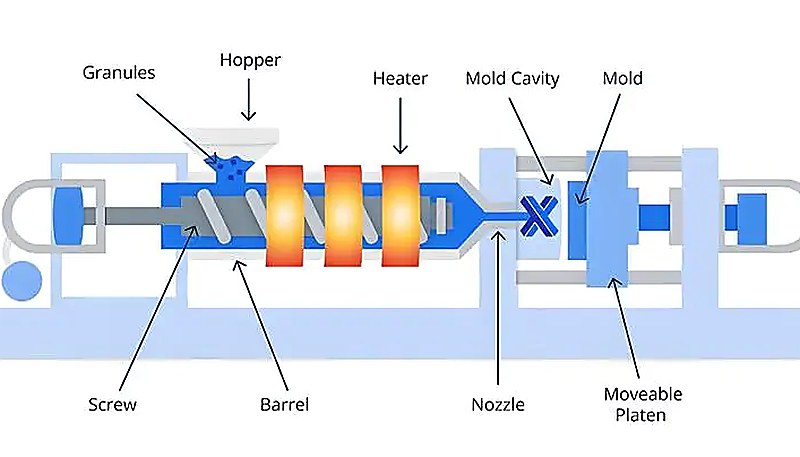
Each stage requires careful control of temperature, pressure, and timing. The quality of the final part depends heavily on how well these parameters are managed throughout the cycle.
Proper process control can mean the difference between a dimensionally accurate part and a costly reject. Variables such as melt temperature, injection speed, and holding pressure all interact in ways that require careful optimization for each new mold.
A typical injection molding cycle takes between 2 seconds and 2 minutes, depending on part size and material. The process must be precisely tuned for each mold to ensure consistent part quality.
Cycle time optimization is one of the most important factors in controlling production costs. Even a one-second reduction per cycle can save thousands of dollars over a production run of 100,000 parts.
Filling Stage
Filling is the first step in the whole injection molding process. The time starts from the mold closing and the injection molding until the mold cavity is filled to about 95%. In theory, the shorter the filling time, the higher the molding efficiency, but in practice, the molding time or injection speed is subject to many conditions.
Pressure Holding Stage
The pressure holding stage is there to keep the pressure on, pack the melt, make the plastic denser (densification), and compensate for the plastic’s shrinkage. The back pressure is high during the pressure holding stage because the mold cavity is already full of plastic.
During the pressure holding and packing stage, the screw of the injection molding machine can only move forward a little bit and slowly, and the plastic’s flow rate is also slow. This flow is called pressure holding flow. Since the plastic is cooled and solidified by the mold wall during the holding stage, and the melt viscosity increases quickly, the resistance in the mold cavity is very high.
In the later part of the holding stage, the plastic material reaches density keeps going up, and the plastic part starts to form. The holding stage should keep going until the gate is solid and sealed. At this point, the cavity pressureduring the holding stage is high.
Cooling Stage
The cooling system design is very important in injection molding molds. This is because only when the molded plastic products are cooled and solidified to be rigid enough can the plastic products be prevented from being deformed by external forces after demolding.
Since the cooling timeaccounts for about 70% to 80% of the entire molding cycle, a well-designed cooling system can greatly shorten the molding time, improve injection molding productivity, and reduce costs. Improperly designed cooling systems will prolong the molding time and increase costs; uneven cooling lines will further cause warping and deformation of plastic products.
Demolding Stage
Demolding is the last link in an injection molding cycle. Although the product has been cold-formed, demolding still has a very important impact on the quality of the product. Improper demolding methods may cause uneven force on the product during demolding and product deformation during ejection.
There are two main ways to demold: ejector and stripper. When designing a mold, choose the appropriate demolding method based on the structural characteristics of the product to ensure product quality.
“Injection molding has high initial costs.”True
The cost of mold creation and machine setup can be significant, making it more suitable for large-scale production runs.
“Injection molding only works with certain types of plastic.”False
Injection molding can work with a variety of thermoplastic and thermosetting materials, not just a limited selection of plastics.
What are the Disadvantages of Injection Molding?
Injection molding is a popular manufacturing process, but it has downsides including high initial costs and design limitations.
Disadvantages of injection molding include high setup costs, the need for expensive molds, and limited flexibility with material choices. It’s less effective for small production runs due to expensive mold-making and setup.
High Initial Mold Cost
One of the big downsides of injection molding is the high cost of making the mold. Designing and making molds that fit a specific part shape can be really expensive, especially for complex or fancy designs. This upfront cost can be a deal breaker for companies with smaller production or limited budgets.
Disadvantages of injection molding include high setup costs, the need for expensive molds, and limited flexibility with material choices. It is less effective for small production runs due to expensive mold-making and setup. Choosing the right supplier2 early in the process can help mitigate some of these disadvantages through better DFM feedback and tooling strategy.
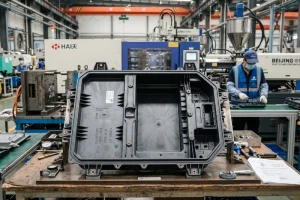
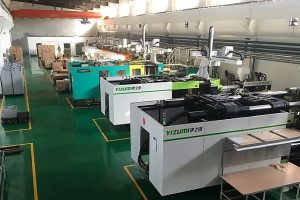
In our Shanghai factory, we operate 47 injection molding machines ranging from 90T to 1850T. Based on our experience, the cost of producing large, complex molds is one of the biggest barriers for new customers, which is why we offer DFM reviews and cost-reduction suggestions before committing to tooling.
Low Efficiency
The speed of plastic injection molding depends on the size of the injection machine and the process conditions. The bigger the injection machine, the faster the production.
But even with a big injection machine, it takes tens of seconds to inject one shot. So, the production speed of plastic injection molding is relatively slow compared to other manufacturing processes, which affects the production efficiency of industrial products.
Process Irreversibility
While injection molding can shape multiple plastic materials into any form, it’s a one-way street. Once the molding is done, the shape is set. If you need to change or modify the design, you have to make a new mold, which costs time and money.
High Scrap Rate
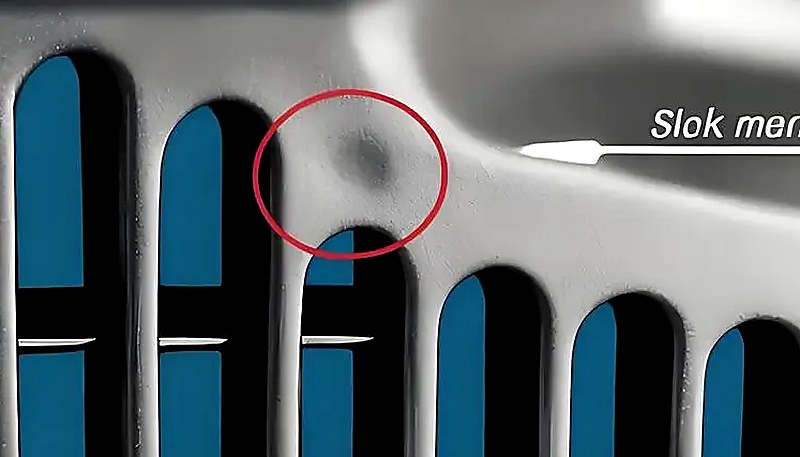
The scrap rate in the production process of plastic injection molding is also relatively high. This is because the changes in temperature and pressure during the injection molding process can cause defects such as warpage, flash, and voids. Once these problems exist, the injection mold3 needs to be remade or the bad part needs to be thrown away, increasing the waste of money and time.
Size Limitations
Injection molding has size limits, especially for big parts. The size of the injection molding machine determines the maximum part dimensions you can produce. Machines are rated by clamping force, typically ranging from 90 tons to over 1,850 tons. Larger machines can produce bigger parts but cost significantly more to operate and maintain on a daily basis. For parts exceeding standard machine capacity, such as automotive body panels or large containers, you may need to use alternative processes like rotational molding, blow molding, or structural foam molding.
Multi-cavity molds can increase output for smaller parts, but scaling up part size means fewer cavities per mold and higher per-part costs. For very large components, a single-cavity mold may be the only option, which eliminates the economies of scale that make injection molding cost-effective. Engineers should also consider the impact of part size on cooling time, since thicker sections take longer to solidify and can extend cycle times significantly.
Design Limitations
When designing plastic parts for injection molding, you need to follow some basic design rules: uniform wall thickness, appropriate draft angles, and smooth transitions between sections. Parts with uneven wall thickness may cool unevenly, causing warpage, sink marks, or internal stresses. Draft angles of one to two degrees per side are essential for clean ejection from the mold. Without adequate draft, parts can get stuck or sustain surface damage during demolding. Undercuts require side actions in the mold, which increase complexity and cost significantly.
Material selection also plays a role in design constraints. Some engineering plastics require higher processing temperatures, which can limit mold material choices and increase wear over time. Others have high shrinkage rates that must be compensated for in the mold design. Understanding the interaction between material properties and mold design is critical for producing dimensionally accurate parts consistently.
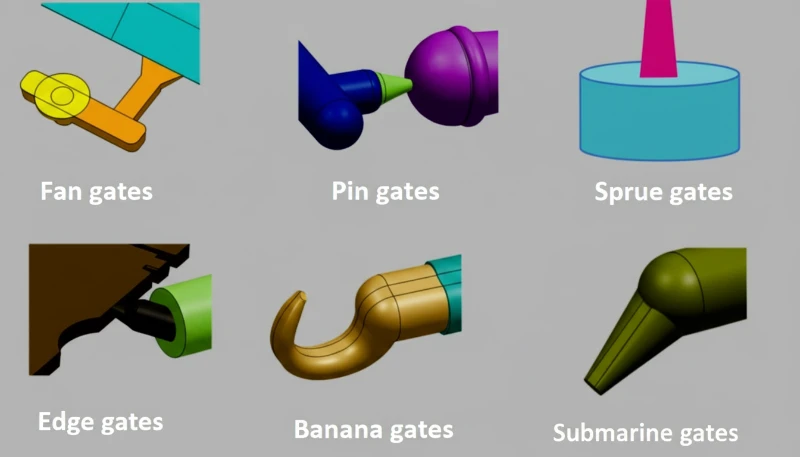
Remember, tools are usually made of steel or aluminum, so it is hard to make design changes once the mold is built. If you need to add plastic to a part, you can make the tool cavity bigger by cutting away the steel or aluminum. But to take plastic away, you have to make the tool cavity smaller by adding aluminum or metal. This is really hard and in a lot of cases means you have to throw the tool away and start over. That is why design for manufacturability (DFM) reviews are so critical before tooling begins — catching issues early saves thousands of dollars in mold rework costs.
Also, the weight and size of the part will determine the tool size and press size you need. The bigger the part, the harder and more expensive it is to produce. Large parts may require specialized equipment or multiple mold cavities, both of which add significant cost and complexity to the project. Suppliers with a wide range of machine tonnage can offer more flexibility in accommodating larger part dimensions without outsourcing to third-party facilities.
Injection molding is a versatile process for making all kinds of shapes and details, but there are limits to what you can do. Some shapes, like sharp corners, thin walls, or deep holes, can make it hard to fill the mold, cool the part, or get it out of the mold. Working with an experienced supplier who understands these constraints can help you avoid costly design mistakes that only become apparent after the first trial shots.
Our team of engineers specializes in DFM reviews to minimize design limitations. With our in-house mold manufacturing capability and experience across 400+ plastic materials, we can often suggest design modifications that reduce tooling costs by 15 to 30 percent.
What are the Key Takeaways about Injection Molding Disadvantages?
Injection molding disadvantages are high mold costs, limited design flexibility, size constraints, and material constraints.
These disadvantages include low efficiency, high initial cost, irreversible injection molding process, and high scrap rate. While using this process, companies need to be aware of these problems in order to better solve them and improve production efficiency and economic benefits. See our injection molding for a comprehensive overview.
Need a Quote for Your Injection Molding Project?
Get competitive pricing, DFM feedback, and production timeline from ZetarMold’s engineering team.
Whether you need a single prototype mold or high-volume production tooling, our team can provide a detailed quote within 24 hours. Contact us to discuss your project requirements.
Frequently Asked Questions
Frequently Asked Questions
What is the biggest disadvantage of injection molding?
The biggest disadvantage is the high initial tooling cost. A production-grade steel mold can range from $5,000 to over $100,000 depending on part complexity, number of cavities, and surface finish requirements. This makes injection molding economically viable only when the cost can be amortized over a large production volume, typically 10,000 or more units. For low-volume runs, alternatives like 3D printing or urethane casting are much more cost-effective. Buyers should calculate the per-part tooling cost before committing to ensure the project economics work.
How long does it take to make an injection mold?
A typical production mold takes 4 to 8 weeks from design approval to first sampling. Simple molds with basic geometry can be completed in 3 to 4 weeks, while complex multi-cavity molds with side actions or unscrewing cores may take 10 to 12 weeks. The timeline includes mold design, CNC machining, EDM, polishing, assembly, and trial runs. Rush orders can reduce this by 30 to 50 percent but increase cost significantly. Working with a supplier that has in-house tooling capability can shorten lead times by eliminating handoffs between separate mold shops.
Can injection molding produce large parts?
Yes, but with limitations. The maximum part size depends on the machine clamp tonnage and the mold size. Large parts like automotive bumpers require machines with 1,500T or higher clamping force, which limits the number of suppliers capable of producing them. Large parts also face higher defect rates due to uneven cooling and shrinkage across the part surface. Designing uniform wall thickness and strategic gate placement helps mitigate these issues. Suppliers with a wide tonnage range, such as 90T to 1850T, can handle a broader spectrum of part sizes.
What causes defects in injection molded parts?
Common defects include sink marks, warpage, flash, short shots, and voids. These are caused by improper temperature control, insufficient holding pressure, uneven cooling, or poor mold design. For example, sink marks appear when thick sections cool unevenly, while flash occurs when injection pressure exceeds the clamping force. Process optimization and mold flow analysis can prevent most of these issues before production starts. Experienced suppliers will run mold flow simulations during the design phase to identify potential defect areas and adjust the tooling or process parameters accordingly.
Is injection molding suitable for prototyping?
Generally no, due to the high upfront tooling cost and long lead time. Prototyping is better served by 3D printing, CNC machining, or silicone molding, which offer faster turnaround and lower cost for small quantities. However, if the prototype must use the exact production material and process, a soft aluminum mold can be used for short prototype runs of 100 to 1,000 parts before committing to production steel tooling. This bridge tooling approach lets you validate the design and process while deferring the full production mold investment.
What are the design rules for injection molded parts?
Key design rules include maintaining uniform wall thickness between 1.5mm and 4mm, adding draft angles of at least 1 degree per side for ejection, using fillets instead of sharp internal corners with a minimum radius of 0.5mm, and avoiding undercuts unless side actions are planned. Following these rules reduces tooling cost, shortens cycle time, and minimizes defect rates during production. A thorough DFM review with your supplier before tooling begins will identify violations of these rules and suggest corrections that save both time and money.
How can I reduce injection molding costs?
To reduce costs, focus on design for manufacturability: simplify part geometry, reduce undercuts, minimize the number of side actions, and use standard surface finishes. Consolidating multiple parts into a single molded component can also save assembly costs downstream. From the sourcing side, choosing a supplier with in-house tooling and engineering support can cut mold iteration costs by 15 to 30 percent compared to outsourcing mold fabrication separately. Requesting quotes from multiple suppliers and comparing both price and DFM feedback helps identify the best overall value.
When should I choose a different manufacturing process instead?
Consider alternative processes when your annual volume is below 1,000 parts, when your design is still changing frequently, or when you need multi-material parts in a single component. 3D printing excels for complex geometries in low volumes, CNC machining is better for tight-tolerance metal parts, and thermoforming works well for large thin-walled parts. Each process has its own cost and capability tradeoffs that should be evaluated against your specific requirements. A knowledgeable supplier can help you determine the most cost-effective process for your particular application and volume.
-
injection molding: injection molding refers to is the production process that melts plastic, injects it into a mold cavity, cools the part, and repeats the cycle for stable volume manufacturing. ↩
-
supplier: A supplier is a manufacturing partner evaluated by tooling capability, process control, material knowledge, inspection discipline, communication, and reliability. ↩
-
injection mold: injection mold refers to an injection mold is the precision tool that defines part geometry, cooling behavior, ejection, gating, surface finish, and repeatability. ↩




 EN
EN  ES
ES  FR
FR  DE
DE  PT
PT  AR
AR  RU
RU  JA
JA  KO
KO  IT
IT  NL
NL  TR
TR  PL
PL 