

選択 射出成形 supplier is only half the battle. Before you commit to mass production, you need a systematic inspection process that catches capability gaps, quality risks, and hidden costs early—when changes are still cheap. This checklist distills what we have learned from 20+ years of manufacturing and serving overseas buyers since 2013. Whether you are sourcing from a new supplier or scaling with an existing partner, these are the non-negotiable checkpoints that protect your investment and your delivery schedule. A comprehensive supplier audit covers facility capabilities, quality management systems, material control procedures, tooling condition, and process stability documentation.
Skipping any of these areas creates blind spots that only surface after you have committed production volumes and paid for tooling.
- Request a full facility tour with machine tonnage verification
- Always require First Article Inspection reports with dimensional data
- Verify ISO certifications directly, not just certificates on a wall
- Confirm material traceability with lot numbers and COAs
- Schedule a pre-production meeting to lock process parameters and tolerances
What Should You Inspect Before Mass Production Starts?
The single biggest mistake buyers make is skipping the pre-production audit. You negotiate pricing, approve samples, and then jump straight into volume runs—only to discover that the supplier’s quality system is held together with spreadsheets and goodwill. A proper inspection covers five pillars: facility capability, quality management, material control, tooling condition, and process stability. You need to walk the floor, check the machines, review inspection records, and verify that the supplier’s documented processes match what actually happens on the production line. In our 射出成形金型 operations, we have seen too many projects where a 30-minute facility tour would have revealed that the supplier lacked the tonnage range or the clean-room environment the project demanded.
How Do You Evaluate a Supplier’s Manufacturing Capabilities?
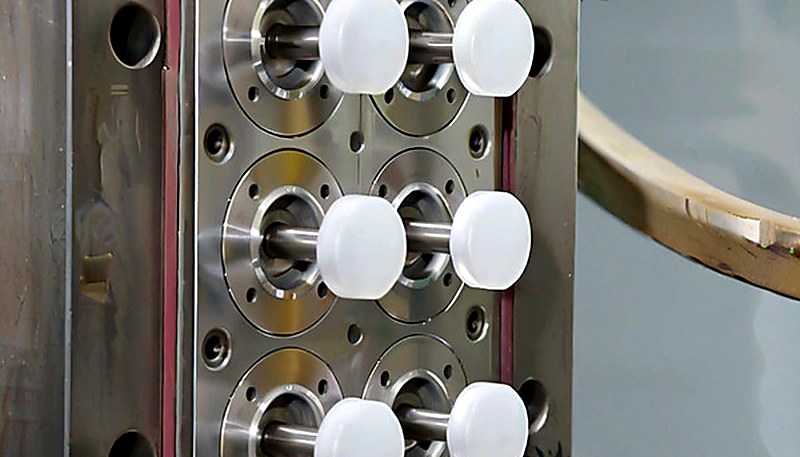
Manufacturing capability evaluation is about physically verifying machine inventory, checking tonnage ranges, and confirming backup capacity. Walk the production floor and count the machines—not the number on the brochure, but the ones actually running. Check tonnage ranges against your part requirements. A supplier claiming capability from 50T to 2000T sounds impressive, but if your part needs a 1200T press and they only have one, you are one breakdown away from a delayed shipment. Look at machine age and maintenance logs. A 15-year-old hydraulic press can still produce excellent parts, but only if it has been properly maintained.
Ask to see the last calibration records for their clamping force and injection pressure gauges. Check if they have backup machines in the same tonnage range—this is a detail most buyers never think about until a machine goes down mid-production and their order gets deprioritized. Also verify their in-house mold manufacturing capability. If your supplier has to outsource tooling repairs, every mold issue adds weeks to your timeline instead of days. The difference between a supplier with in-house tooling and one without is not just speed—it is the ability to iterate on mold modifications during sampling without coordinating with an external vendor’s schedule.
In our Shanghai factory, we run 47 injection molding machines from 90T to 1850T specifically to avoid this single-point-of-failure risk. Also verify their in-house mold manufacturing capability—if your supplier has to outsource tooling repairs, every mold issue adds weeks to your timeline instead of days.
At our Shanghai facility, we maintain 47 injection molding machines spanning 90T to 1850T, backed by an in-house mold manufacturing shop capable of turning around tooling modifications in days rather than weeks. This dual capability means that when a dimensional drift is detected during pilot runs, we can adjust the mold and re-validate parts without waiting on an external tooling vendor.
Why Is First Article Inspection (FAI) Non-Negotiable?
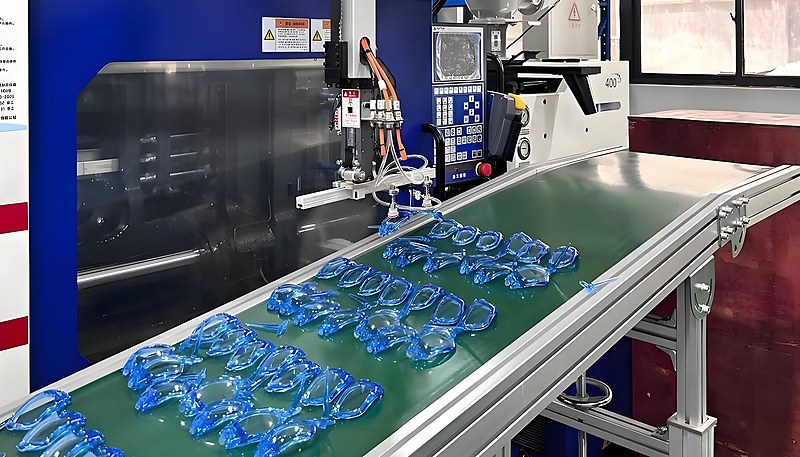
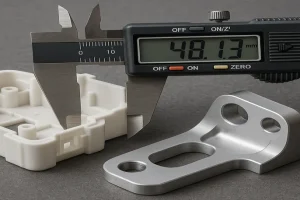
First Article Inspection (FAI, per AS9102D1 standard) is a thorough dimensional and visual check of the very first parts off the production tool. It establishes the baseline for every part that follows. Without FAI, you are approving production based on trust rather than data. A proper FAI report should include a full dimensional layout matching the part drawing—every critical dimension, every tolerance callout, every GD&T requirement. Photographs of the parts from multiple angles. Material certification matching the specified resin grade. Weight measurement. Visual inspection for sink marks, flash, short shots, weld lines, and any surface defects.
The FAI should be performed at production-intent conditions—the same machine, same cycle parameters, same mold temperature that will be used for the actual run. We require FAI sign-off from our 10+ QC specialists before any job moves to volume production because catching a 0.1mm drift at part 1 is infinitely cheaper than discovering it at part 50,000.
“FAI only needs to check critical dimensions”真
Wrong. A thorough First Article Inspection covers every dimension on the drawing, not just the critical ones. Non-critical dimensions can drift during production and become critical when they affect assembly fit or function downstream.
“If the FAI passes, you can skip in-process inspections during mass production”偽
False. FAI validates initial capability, but tooling wear, material batch variation, and environmental changes can shift dimensions over a production run. In-process inspections at defined intervals remain essential.
The distinction between these misconceptions matters because each one maps to a real failure mode we have encountered in production. FAI scope creep leaves dimensions unchecked. Skipping in-process inspection assumes the process never drifts. Trusting certificates without verification assumes the audit was thorough. And ignoring material documentation assumes visual inspection can substitute for chemical analysis. None of these assumptions hold in high-volume production environments where small deviations compound into large quality escapes. The supplier inspection checklist must address all four areas explicitly, with documented acceptance criteria and trained personnel responsible for each checkpoint.
“A supplier ISO certificate is all you need to verify their quality system”真
Misleading. An ISO certificate confirms a quality management system exists on paper, but it does not guarantee consistent execution. You need to verify actual practices: calibration records, inspection frequency, nonconformance handling, and corrective action effectiveness.
“Material certificates from the resin supplier are unnecessary if parts pass visual inspection”偽
False. Visual inspection cannot detect wrong material grade, recycled content contamination, or moisture-related degradation. Certificates of Analysis from the resin supplier provide lot-level traceability that visual checks cannot replace.
What Quality Certifications Should You Verify?
The certifications you need are ISO_90012 at minimum, ISO_134853 for medical parts, and ISO 14001 and 45001 for operational rigor. Do not just look at the framed certificates in the lobby—ask for the actual audit reports from the certification body. ISO_9001 confirms a supplier has documented processes. ISO_13485 is essential for medical device components because it adds design controls, risk management, and traceability that ISO_9001 alone does not cover. ISO 14001 (environmental) and ISO 45001 (occupational health) indicate a supplier invests in sustainable and safe operations, which correlates with better overall process discipline.
We operate under ISO_9001, ISO_13485, ISO 14001, and ISO 45001 systems simultaneously—not because it is easy, but because it forces the kind of rigor that catches problems before they reach the customer. During your audit, ask to see how nonconformances are documented and resolved. A supplier who cannot show you a closed-loop corrective action process is a supplier who learns from mistakes only when the customer complains.
During your audit, ask to see how nonconformances are documented and resolved. A supplier who cannot show you a closed-loop corrective action process is a supplier who learns from mistakes only when the customer complains.
How Do You Validate Material Compliance and Traceability?
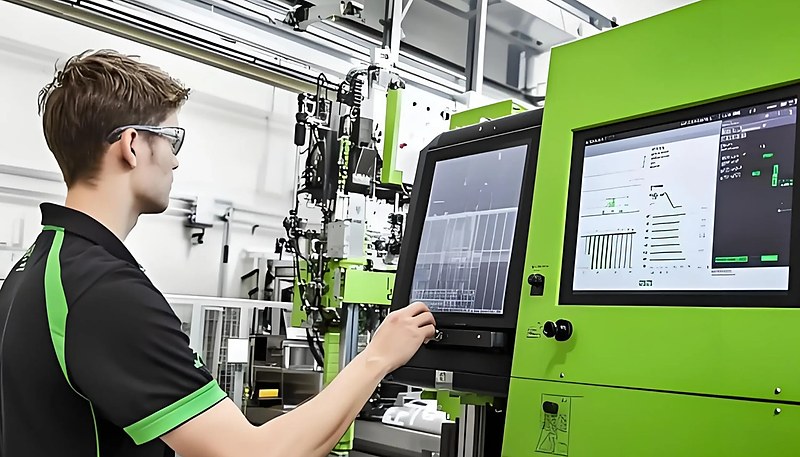
Material problems are the silent killers of injection molding projects. The part looks fine, measures fine, but fails in the field because the supplier swapped in a cheaper resin grade or used regrind beyond the allowed percentage. Your inspection checklist must include: resin supplier qualification (are they buying from authorized distributors or grey market?), Certificate of Analysis (COA) for every lot—verify melt flow index, tensile strength, and impact values against the datasheet, material storage conditions (temperature, humidity, FIFO rotation), regrind percentage policy and enforcement, colorant and additive batch control. Ask the supplier to show you their incoming material inspection process.
If they cannot produce a record of checking the COA values against specifications for the last three material deliveries, that is a red flag. We have experience processing over 400 plastic materials and have learned that material discipline is the foundation of everything else.
Having processed over 400 plastic materials under ISO_9001, ISO_13485, ISO 14001, and ISO 45001 systems, we have built incoming material inspection into every production workflow. Every resin lot is checked against its COA before it reaches the hopper—no exceptions, no shortcuts.
What Role Does Mold and Tooling Inspection Play?
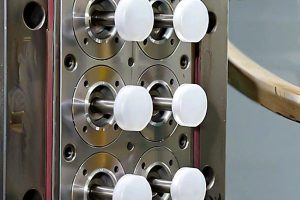
Mold inspection is critical because tool condition directly determines part consistency and surface quality throughout the entire production run. Before mass production begins, the mold itself needs a thorough inspection—not just a visual once-over. Check for cavity and core wear patterns that indicate the tool has been heavily used without refurbishment. Verify venting is adequate (poor venting causes burning, short shots, and gas traps). Confirm cooling channel flow rates and temperatures—uneven cooling is the number one cause of warpage and dimensional instability.
A well-maintained mold should have documented service intervals for cleaning, polishing, and component replacement. If the supplier cannot produce maintenance records, you are trusting the tool condition to luck. Our in-house mold manufacturing capability means we can inspect, maintain, and modify tools without the delays of outsourcing these critical tasks to a third-party tool shop.
Our in-house mold manufacturing capability means we can inspect, maintain, and modify tools without the delays of outsourcing these critical tasks to a third-party tool shop.
When Should You Conduct a Pre-Production Audit?
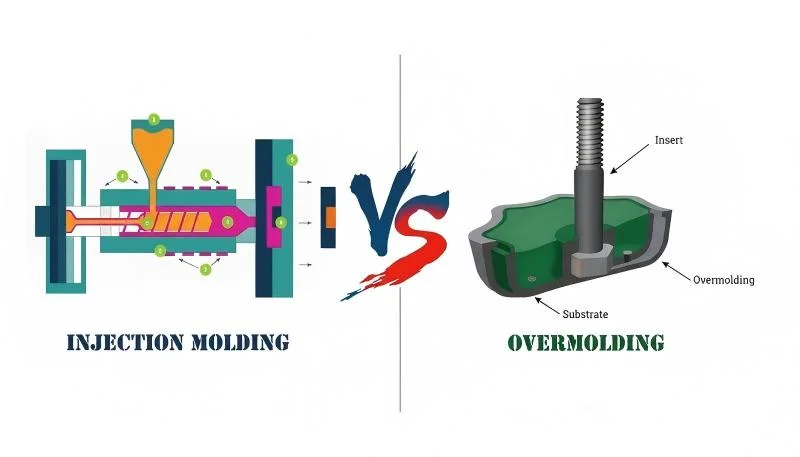
Timing is everything. Schedule the audit after tooling is complete and T0 samples have been approved, but before the supplier purchases resin for the full production run. This window gives you leverage—the supplier has invested in the tool but has not yet committed production resources. The audit should include: a complete review of the production process flow chart and control plan, verification that process parameters from the sampling phase are documented and will be used for production, confirmation that inspection frequencies and acceptance criteria are defined, a review of packaging and labeling specifications, agreement on hold-and-notify triggers (what happens when dimensions go out of spec mid-run?). Bring your own quality engineer if possible.
A fresh pair of professional eyes will catch things that familiarity has blinded the supplier to. With 30+ English-speaking project managers and 8 senior engineers, we encourage our clients to visit and audit us thoroughly—transparency builds the trust that makes long-term partnerships work.
With 30+ English-speaking project managers and 8 senior engineers, we encourage buyers to audit our facility thoroughly before committing to volume production. For a deeper dive into supplier evaluation methodology, see our injection molding supplier sourcing guide.
よくある質問
よくある質問
What documents should I request from an injection molding supplier before mass production?
Request the full quality manual, process flow diagram, control plan, FAI report, material Certificates of Analysis, ISO audit reports from the last certification cycle, mold maintenance records, and a copy of their nonconformance handling procedure. If a supplier hesitates to provide any of these documents, treat it as a clear warning sign. A well-organized supplier will have these documents readily accessible and be able to walk you through each one without needing days to prepare or making excuses about confidentiality.
How long does a pre-production supplier audit typically take?
A thorough on-site audit takes one to two full days for a standard injection molding project covering facility walkthrough, quality system review, and document verification. For medical or automotive parts requiring tighter documentation and process validation, plan for two to three full days. Remote audits using video walkthroughs can screen suppliers before you invest in travel, but they should never replace the on-site visit for production-critical programs where physical verification of equipment and processes is essential for effective risk management.
What are the most common red flags during a supplier facility tour?
Yes, absolutely. A trading company recommendation reduces initial search risk but does not eliminate quality risk at all. The trading company has a financial incentive to close the deal quickly, not to guarantee the factory’s process discipline or long-term production reliability. Visit the factory yourself, run through the same inspection checklist, and make your own independent assessment of their manufacturing capabilities, quality culture, and genuine willingness to be transparent about their actual daily operations and process controls on the floor.
Should I audit a supplier even if they have been recommended by a trading company?
Third-party inspection services are valuable for ongoing production monitoring and routine quality checks during volume production runs, but the initial pre-production audit always benefits enormously from direct buyer involvement. You understand your product requirements, application context, and critical failure modes much better than any third-party inspector could. Use third parties for routine checks after you have established the quality baseline through your own on-site audit and personally approved the production process parameters with the supplier’s engineering team and quality staff.
Can I use third-party inspection services instead of visiting the supplier myself?
Document every single finding with photographs, specific references to the acceptance criteria, and a clear severity rating. Issue a formal corrective action request with a deadline for response. Minor findings can be resolved while production proceeds with increased inspection frequency and tighter monitoring. Major findings such as missing certifications, inadequate process controls, or FAI dimensional failures require complete resolution before committing any production volume. Be prepared to walk away if the supplier cannot demonstrate timely and effective corrective action within the agreed timeline.
What happens if the supplier fails the pre-production inspection?
Document every finding with photographs, specific references to the acceptance criteria, and a clear severity rating. Issue a formal corrective action request with a deadline for response. Minor findings can be resolved while production proceeds with increased inspection frequency and tighter monitoring. Major findings such as missing certifications, inadequate process controls, or FAI dimensional failures require complete resolution before committing any production volume. Be prepared to walk away if the supplier cannot demonstrate timely and effective corrective action within the agreed timeline.
How do I verify that production parameters match the approved sampling phase?
Require the supplier to document all machine settings from the approved sampling run including injection pressure, hold pressure, melt temperature, mold temperature, cooling time, and total cycle time. During production start-up, verify these parameters are loaded into the machine controller and physically record the first ten cycles. Compare actual values to the approved parameters using calibrated measurement tools. Any unexplained deviation beyond the established tolerance range is grounds to stop production immediately until the root cause is identified, documented, and corrected.
Ready to work with a supplier who welcomes your inspection? At ZetarMold, our Shanghai factory runs 47 machines from 90T to 1850T with in-house tooling, 120+ production staff, and 10+ QC specialists. We maintain ISO_9001, ISO_13485, ISO 14001, and ISO 45001 certifications and encourage every client to audit our facility before committing to volume production. Get a free quote and see why buyers trust us with their most demanding injection molding programs.




 EN
EN  ES
ES  FR
FR  DE
DE  PT
PT  AR
AR  RU
RU  JA
JA  KO
KO  IT
IT  NL
NL  TR
TR  PL
PL 