Choosing an 射出成形 supplier halfway across the world is a calculated gamble. You are betting tooling money, production timelines, and product quality on a partner you may have never met in person. A single bad supplier decision can cost you tens of thousands of dollars in wasted molds, months of delays, and lost market opportunities.
- Supplier risk goes beyond price — evaluate quality systems, communication, and tooling ownership
- Always verify ISO certifications and request third-party audit reports before committing
- Own your mold tooling outright and clarify IP terms in the contract
- Factory visits reveal risks that emails and video calls cannot
- Use milestone-based payments and clear defect rate agreements to protect your investment
What Is Supplier Risk in Injection Molding?
Supplier risk is the probability that your manufacturing partner fails to deliver parts meeting your specifications, timeline, or budget. Unlike commodity purchasing, injection molding ties you to a specific supplier for the life of the mold.
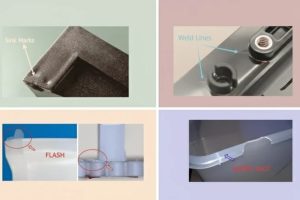
Quality risk means the supplier cannot hold tolerances or lacks proper inspection equipment. Tooling risk means your mold is built with substandard steel, causing flash, sink marks, or warpage after just a few thousand cycles.
Communication risk covers language barriers and time zone gaps that lead to incorrect specifications. Financial risk arises when suppliers demand large upfront payments then deliver late. Supply chain risk occurs when the supplier relies on a single raw material source or lacks backup power.
Why Do Overseas Injection Molding Deals Fail?
Overseas deals fail because the lowest quote is rarely reliable. Buyers who skip verification pay the difference later in rework, delays, and wasted tooling.
Unrealistic pricing leads to shortcuts. When a supplier quotes 30 to 50 percent below market rate, they are cutting corners — usually in 型鋼1 grade, surface finish, or inspection rigor. Initial samples may look fine, but production parts diverge as the mold wears prematurely.
No sample approval process. Buyers who skip first-article inspection (FAI) are setting themselves up for disasters. A proper FAI checks every critical dimension against the drawing and establishes the quality baseline.
Vague quality agreements. Without a documented AQL and defect classification system, disputes become subjective. Research shows 64 percent of injection molding sourcing professionals report significant quality issues2 with offshore suppliers.
“Requesting third-party audit reports is worth the expense”真
Third-party audits catch issues that supplier self-reporting misses. The cost of an audit is a fraction of a failed production run.
“The lowest quote is always the best deal for injection molding”偽
Extremely low quotes often mean the supplier cuts corners on mold steel, surface finish, or inspection. The real cost appears during production when parts fail quality checks.
How Can You Evaluate a Supplier Before Signing?
Yes, you can evaluate a supplier effectively before committing. Use a five-step verification checklist that covers certifications, capabilities, references, communication, and sample quality.
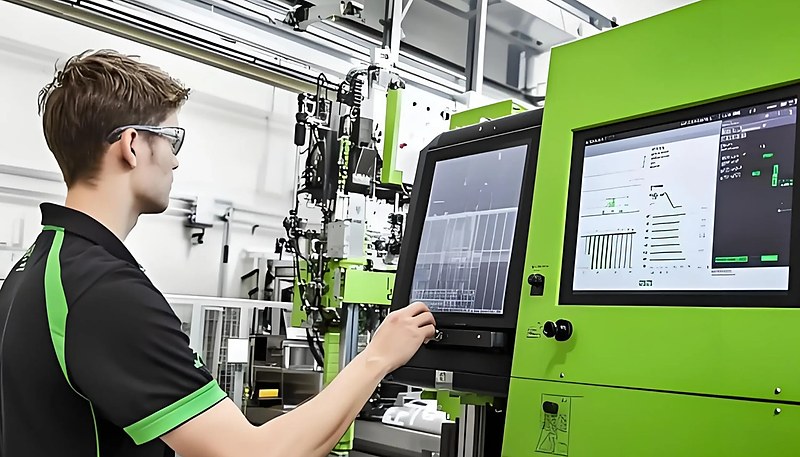
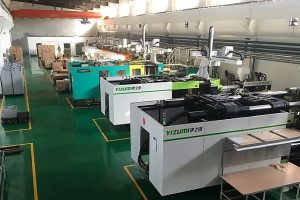
Our Shanghai factory maintains 47 injection molding machines from 90T to 1850T, with in-house mold manufacturing producing over 100 mold sets per month under ISO 9001, ISO 13485, ISO 14001, and ISO 45001 systems.
Step 1: Verify certifications independently. Ask for ISO 9001, ISO 13485, or IATF 16949 certificates, then verify through the issuing registrar. A supplier working under ISO 9001, ISO 13485, ISO 14001, and ISO 45001 demonstrates commitment to quality.
Step 2: Request a facility capabilities sheet. List machine tonnage range, maximum mold size, materials, and inspection equipment. A factory with 45 or more presses from 90T to 1850T can handle most part sizes.
Step 3: Ask for recent customer references. Not website testimonials — actual contact information for customers in your industry. Call them about delivery rates and quality consistency.
Step 4: Test English communication quality. Send a technical inquiry with specific dimensions and material requirements. A team with 30 or more fluent English speakers handles complex projects without costly misunderstandings.
Step 5: Review sample quality with data. Never approve a sample based on appearance alone. Request a full dimensional report with GD&T callouts.
What Quality Systems Should You Look For?
A robust quality management system (QMS) is your best insurance against supplier risk. Look for these specific elements.
Incoming material inspection. Every batch of raw material should be tested for melt flow index, moisture content, and contamination before production. Suppliers who skip this may mix regrind into virgin material.
In-process monitoring. Modern machines record shot weight, injection pressure, and cycle time for every shot. Statistical process control3 charts flag drift before it produces out-of-tolerance parts.
Final inspection with documented results. Your supplier should provide a dimensional report for every run, not just first articles. AQL sampling per ISO 2859-1 is standard practice.
Traceability and CAPA. Each lot should trace back to raw material batch, machine, operator, and cavity. When defects occur, a documented 8D process is essential — “we will try harder” is not corrective action.
How Do You Protect Your Tooling Investment?
“Owning your mold tooling protects you if you need to switch suppliers”真
When your contract states mold ownership with transfer provisions, you can move tooling to a new supplier. Without this clause, the original supplier may refuse release.
“ISO 9001 certification alone guarantees consistent part quality”偽
ISO 9001 certifies a quality management system exists, not that every part meets spec. Verify actual inspection capabilities and process control.
Tooling protection is straightforward: own your mold, specify quality steel, and enforce clear transfer provisions in your contract.
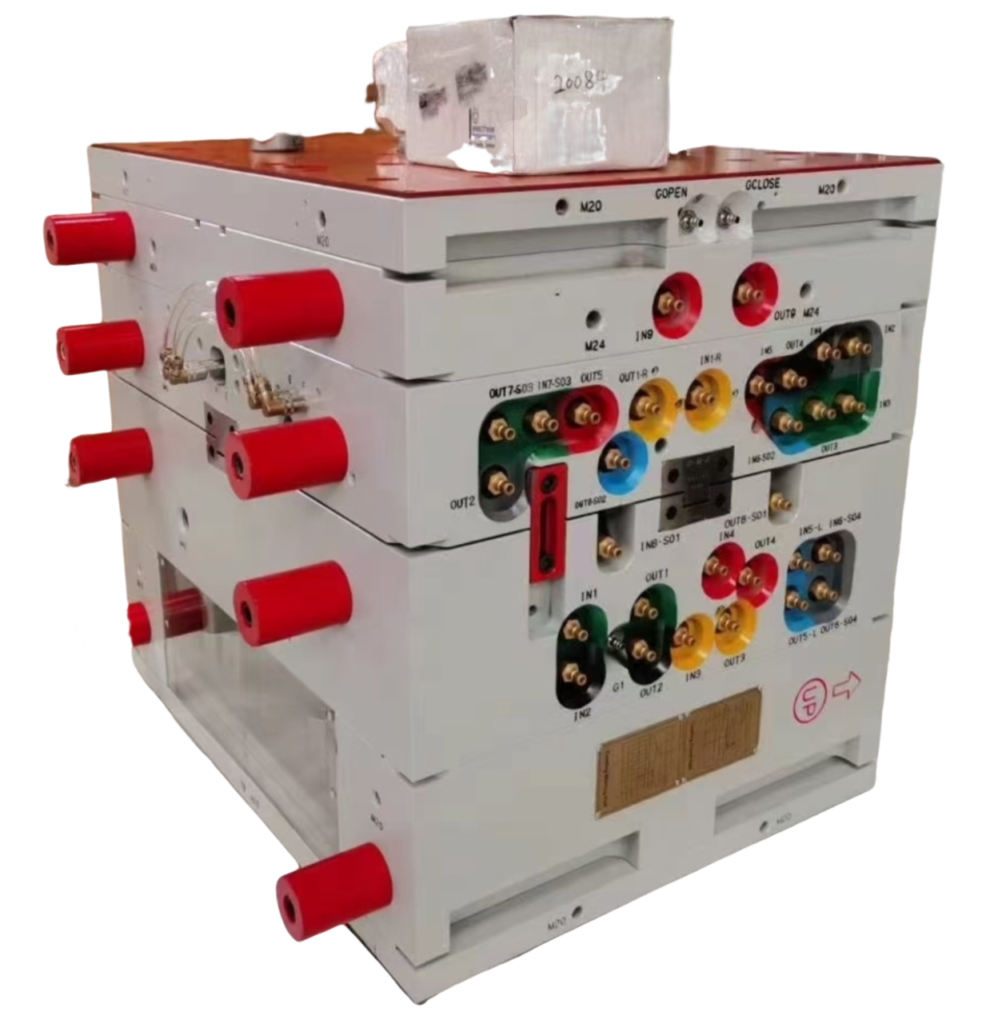
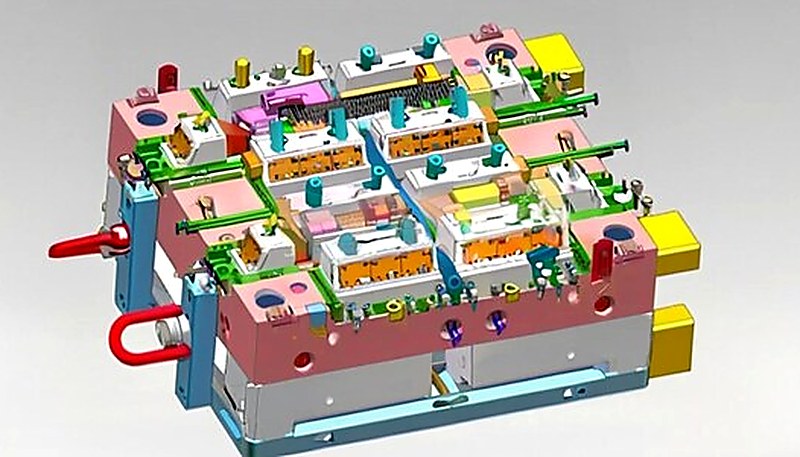
With in-house mold manufacturing supporting over 100 mold sets per month and 20-plus years of tooling experience, we maintain lifecycle records for every mold. Our 8 senior engineers oversee design reviews before steel is cut.
Own the mold outright. Your purchase agreement must state the mold is your property. Include a clause preventing the supplier from using your mold for other customers.
Specify mold steel and components. Demand P20 or H13 steel for production molds. A mold built with quality components lasts 500,000 or more cycles; a cheap mold may fail at 50,000.
Require maintenance records and transfer provisions. Track mold cycle count and maintenance. Include a clear transfer timeline — typically 15 to 30 days after written request.
For tooling fundamentals, see our injection mold guide.
Force majeure and exit clauses. Define what happens during pandemics, natural disasters, or political disruptions. Include a termination for convenience clause with a 60 to 90 day notice period and clear mold transfer provisions.
Include a termination for convenience clause with a 60 to 90 day notice period. This gives both parties a clear exit path if the relationship is no longer working, without the legal complexity of breach-based termination.
These contractual elements work together to create accountability and protect your investment at every stage of the manufacturing relationship.
What Contract Terms Prevent Supply Chain Disruption?
Well-drafted contract terms are your primary lever for preventing disruption. Six specific clauses make the difference.
Milestone-based payments. Standard structure: 30 to 50 percent with order, 30 to 40 percent after T1 sample approval, balance after production acceptance.
Delivery schedule with penalties. Specify tooling lead times (4 to 8 weeks) and production lead times (2 to 4 weeks) with liquidated damages for delays.
AQL and defect classification. Define AQL 1.0 for critical, AQL 2.5 for major, AQL 4.0 for minor defects. Specify who pays for defective parts and the rework process.
IP protection and dispute resolution. Register designs in the supplier country before sharing. Specify arbitration venue — CIETAC is common for China-based suppliers.
When Should You Switch Injection Molding Suppliers?
Switching suppliers is costly and disruptive. The decision needs clear criteria based on trends, not single incidents.
Switch when: Your defect rate exceeds agreed AQL over three or more consecutive runs and corrective actions fail. Delivery delays exceed 20 percent of committed dates over six months. The supplier makes unauthorized material substitutions.
Do not switch when: You have had one bad run out of twelve. A single issue with a documented CAPA is normal manufacturing, not a systemic failure.
Red flags demanding immediate action: The supplier refuses quality records, produces parts for competitors using your project knowledge, or their ISO certification has lapsed. Budget for a new T1 sampling process at the replacement supplier, which typically takes two to four weeks before production can resume at full capacity.
Our Shanghai facility processes over 400 plastic materials with 10-plus QC specialists and 120-plus production staff. We welcome buyer visits because transparent operations build trust.
ZetarMoldでの経験では、工場訪問は海外のバイヤーが利用できる最も効果的なリスク評価ツールです。生産現場を歩くことで、文書ではわからないことが明らかになります。
機械の状態。 整備が行き届き、ラベルが貼られ、メンテナンススケジュールが管理されている設備は、規律ある運営を示唆しています。油漏れがあったり、手書きの設定がされている機械は、その逆を示しています。
材料保管。 適切に乾燥され、気候管理されたエリアで密閉された容器は、本格的な材料準備を示しています。吸湿性材料の開封された袋が床に置かれているのは危険信号です。
検査エリアと金型保管。 校正済みの機器に最新のステッカーが貼られているか、QCラボを訪問して確認してください。金型が空調管理、防錆処理、明確な顧客ラベル付けとともに保管されているか確認してください。
販売チームではなく、直接生産エンジニアに話を聞いてください。先月の最大の品質課題とその解決方法について尋ねてみましょう。彼らの回答の具体性は、壁に掲示されているどんな認証よりも、はるかによく運営文化を明らかにします。根本原因分析を詳細に説明できるチームは、あなたの生産を任せられる信頼できるチームです。
What Do Buyers Commonly Ask About Injection Molding Supplier Risk?
これらは、海外のバイヤーが射出成形サプライヤーのリスクと品質管理について尋ねる最も一般的な質問です。
よくある質問
射出成形サプライヤーが正当であることをどのように確認すればよいですか?
営業許可証を要求し、ISO認証は、彼らがメールで送る証明書のコピーを確認するだけでなく、発行元の登録機関を通じて確認してください。あなたの業界における3〜5社の顧客参照先を求め、実際に電話して納期遵守率、品質の一貫性、およびサプライヤーが生産問題をどのように処理するかについて話し合ってください。中国では、全国企業信用情報公示システムを通じて会社登録を確認してください。これは、法定代理人、登録資本、運営状況を含む登録されたビジネスデータへの無料アクセスを提供します。これは、海外サプライヤーとの関係と長期的な生産品質を管理するすべてのバイヤーにとって重要な考慮事項です。
射出成形部品の許容欠陥率はどのくらいですか?
業界標準では、ISO 2859-1に基づくAQLサンプリングが使用され、重要な寸法にはAQL 1.0、主要な機能欠陥にはAQL 2.5、軽微な外観上の問題にはAQL 4.0が適用されます。具体的な許容率は最終用途によって異なります。医療機器の筐体や自動車内装部品は、一般的な民生用電子機器の筐体よりも厳しい基準を必要とします。製造関係と将来の生産ロット全体を通じて、明確で測定可能な品質基準で双方が運用できるよう、生産開始前に購入契約書で欠陥分類とAQLレベルを必ず定義してください。
射出成形金型の費用は前払いすべきですか?
金型費用の全額を前払いするのは避けてください。マイルストーンに基づく支払いを採用します:通常、材料調達と初期加工をカバーするための発注書とともに30〜50%、T1サンプル承認(金型が合格部品を生産することを確認)後に30〜40%、最終生産受け入れ後に残りのバランスを支払います。この支払い構造は各段階であなたの投資を保護し、サプライヤーが実際の製造能力と品質基準を証明する前に全額を回収するのではなく、スケジュール通りに品質の高い金型を納品する経済的動機を維持します。
射出成形金型を別のサプライヤーに移管できますか?
はい、契約であなたが金型を所有していることを明確に規定し、具体的な移管条項が含まれていれば可能です。合意書には、書面による要請後15〜30日以内のリリースタイムラインと、金型の梱包・輸送に関連する費用を明記する必要があります。移管前に、受け入れ側のサプライヤーに金型の状態を徹底的に検査させ、新しい施設での完全なT1認定サンプリングプロセス(通常、フル生産が通常能力で再開されるまでに2〜4週間を要します)の予算を確保してください。
What certifications should an injection molding supplier have?
最低限、品質管理のためのISO 9001は、あらゆる射出成形サプライヤーに不可欠です。医療機器部品の場合、規制品質基準への適合性を示すためにISO 13485認証が必要です。自動車部品はIATF 16949認証を要求します。環境管理(ISO 14001)および労働安全衛生(ISO 45001)認証は、より広範な運営規律を示しています。偽造または期限切れの証明書は、ほとんどの海外バイヤーが認識しているよりも一般的であるため、写真コピーを表面的に受け入れるのではなく、発行元の登録機関を通じて認証を独立して確認してください。
射出成形金型の寿命は通常どのくらいですか?
P20またはH13工具鋼で作られた生産用金型は、通常の運転条件下で50万サイクル以上の寿命を持ちます。S50Cのような軟質鋼を使用した民生品グレードの金型は、大規模な改修または重要な部品の完全な交換が必要になる前に、5万から10万サイクルしか持たない場合があります。実際の寿命は、材料の摩耗性、部品の複雑さ、冷却チャネルのメンテナンス頻度、および生産ロット間の適切な保管条件に依存します。ガラス繊維強化ナイロンなどの摩耗性成形材料は、標準的なポリプロピレンやポリエチレンなどの非強化樹脂よりも金型を著しく速く摩耗させます。
How Can You Reduce Your Supplier Risk with a Proven Partner?
サプライヤーリスク低減は、評価、契約、検証の3段階のプロセスです。ZetarMoldでは、20年以上かけてこれらのシステムを構築してきました。
無料見積もりと技術レビューを依頼する — 当社では、お客様の部品設計をレビューし、最適な材料と金型アプローチを推奨し、1ドルもコミットする前に正直なフィードバックを提供します。



 EN
EN  ES
ES  FR
FR  DE
DE  PT
PT  AR
AR  RU
RU  JA
JA  KO
KO  IT
IT  NL
NL  TR
TR  PL
PL