 Vai al contenuto

Choosing an stampaggio a iniezione fornitore dall'altra parte del mondo è una scommessa calcolata. Stai scommettendo denaro per le attrezzature, tempistiche di produzione e qualità del prodotto su un partner che potresti non aver mai incontrato di persona. Una singola decisione sbagliata sul fornitore può costarti decine di migliaia di dollari in stampi sprecati, mesi di ritardi e opportunità di mercato perse.
- Il rischio del fornitore va oltre il prezzo — valuta i sistemi qualità, la comunicazione e la proprietà delle attrezzature
- Verifica sempre le certificazioni ISO e richiedi rapporti di audit di terze parti prima di impegnarti
- Possiedi l'utensileria dello stampo in modo completo e chiarisci i termini di proprietà intellettuale nel contratto
- Le visite in fabbrica rivelano rischi che email e videochiamate non possono
- Utilizza pagamenti basati su milestone e accordi chiari sui tassi di difettosità per proteggere il tuo investimento
Cos'è il Rischio Fornitore nello Stampaggio a Iniezione?
Il rischio fornitore è la probabilità che il tuo partner produttivo non fornisca componenti conformi alle tue specifiche, tempistiche o budget. A differenza degli acquisti di commodity, lo stampaggio a iniezione ti lega a un fornitore specifico per tutta la vita dello stampo.
Quality risk significa che il fornitore non può mantenere le tolleranze o manca di adeguate attrezzature di ispezione. Rischio utensileria significa che il tuo stampo è costruito con acciaio di qualità inferiore, causando bave, avvallamenti o deformazioni dopo solo poche migliaia di cicli.
Communication risk riguarda le barriere linguistiche e le differenze di fuso orario che portano a specifiche errate. Rischio finanziario sorge quando i fornitori richiedono grandi pagamenti anticipati e poi consegnano in ritardo. Rischio della catena di approvvigionamento si verifica quando il fornitore dipende da una singola fonte di materie prime o manca di alimentazione di riserva.
Perché falliscono gli accordi di stampaggio a iniezione all'estero?
Gli accordi esteri falliscono perché il preventivo più basso è raramente affidabile. Gli acquirenti che saltano la verifica pagano la differenza in seguito con rilavorazioni, ritardi e attrezzature sprecate.
Prezzi irrealistici portano a scorciatoie. Quando un fornitore offre un preventivo dal 30 al 50 percento sotto il prezzo di mercato, sta tagliando gli angoli — solitamente in acciaio per stampi1 grado, finitura superficiale o rigore di ispezione. I campioni iniziali possono sembrare buoni, ma le parti di produzione divergono quando lo stampo si usura prematuramente.
Nessun processo di approvazione del campione. Gli acquirenti che saltano l'ispezione del primo articolo (FAI) si stanno preparando a disastri. Una corretta FAI controlla ogni dimensione critica rispetto al disegno e stabilisce la linea di base della qualità.
Accordi di qualità vaghi. Senza un sistema documentato di AQL e classificazione dei difetti, le dispute diventano soggettive. La ricerca mostra che il 64 percento di injection molding sourcing professionisti segnalano significativi problemi di qualità2 con fornitori offshore.
"Richiedere rapporti di audit di terze parti vale la spesa"Vero
Le verifiche di terze parti individuano problemi che l'autodichiarazione del fornitore trascura. Il costo di un'audit è una frazione di una produzione fallita.
"L'offerta più bassa è sempre l'affare migliore per lo stampaggio a iniezione"Falso
Preventivi estremamente bassi spesso significano che il fornitore taglia gli angoli sull'acciaio dello stampo, la finitura superficiale o l'ispezione. Il costo reale appare durante la produzione quando i componenti non superano i controlli qualità.
Come Puoi Valutare un Fornitore Prima della Firma?
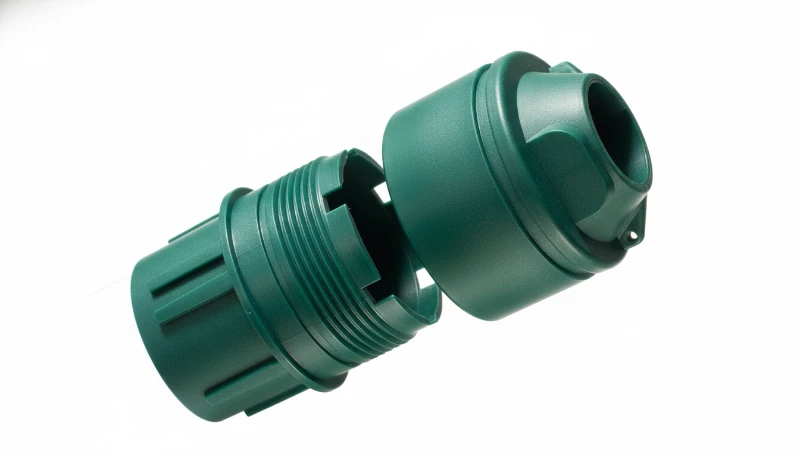
Sì, puoi valutare un fornitore in modo efficace prima di impegnarti. Usa una lista di controllo di verifica in cinque fasi che copre certificazioni, capacità, referenze, comunicazione e qualità del campione.
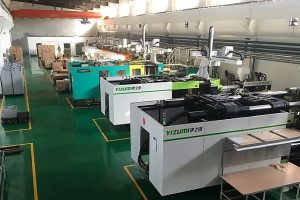
La nostra fabbrica di Shanghai mantiene 47 macchine per lo stampaggio a iniezione da 90T a 1850T, con produzione interna di stampi che produce oltre 100 set di stampi al mese sotto i sistemi ISO 9001, ISO 13485, ISO 14001 e ISO 45001.
Passo 1: Verifica le certificazioni in modo indipendente. Richiedi certificati ISO 9001, ISO 13485 o IATF 16949, quindi verifica tramite l'ente di certificazione. Un fornitore che opera secondo ISO 9001, ISO 13485, ISO 14001 e ISO 45001 dimostra impegno per la qualità.
Passo 2: Richiedi una scheda delle capacità dell'impianto. Elenca la gamma di tonnellaggio delle macchine, dimensione massima stampo, materiali e attrezzature di ispezione. Una fabbrica con 45 o più presse da 90T a 1850T può gestire la maggior parte delle dimensioni delle parti.
Passo 3: Chiedi referenze di clienti recenti. Non testimonianze del sito web — informazioni di contatto reali per clienti nel tuo settore. Chiamali per verificare i tassi di consegna e la coerenza della qualità.
Passo 4: Testa la qualità della comunicazione in inglese. Inviate una richiesta tecnica con dimensioni specifiche e requisiti dei materiali. Un team con 30 o più madrelingua inglese gestisce progetti complessi senza costosi fraintendimenti.
Passo 5: Rivedi la qualità del campione con i dati. Non approvare mai un campione basandosi solo sull'aspetto. Richiedi un rapporto dimensionale completo con indicazioni GD&T.
Quali sistemi di qualità dovresti cercare?
Un solido sistema di gestione della qualità (QMS) è la tua migliore assicurazione contro il rischio del fornitore. Cerca questi elementi specifici.
Ispezione del materiale in entrata. Ogni lotto di materia prima dovrebbe essere testato per indice di flusso allo stato fuso, contenuto di umidità e contaminazione prima della produzione. I fornitori che saltano questo passaggio possono mescolare materiale rigenerato con materiale vergine.
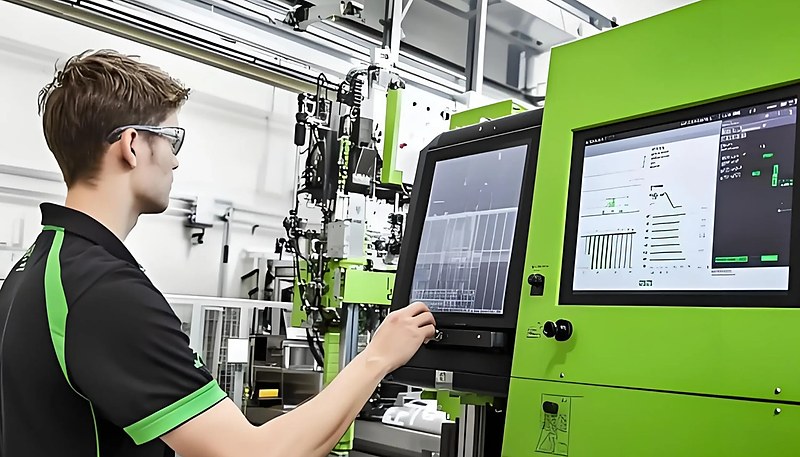
Monitoraggio in corso. Le macchine moderne registrano il peso dello sparo, la pressione di iniezione e il tempo di ciclo per ogni sparo. Controllo statistico del processo3 I grafici segnalano la deriva prima che produca pezzi fuori tolleranza.
Ispezione finale con risultati documentati. Il vostro fornitore dovrebbe fornire un report dimensionale per ogni produzione, non solo per i primi articoli. Il campionamento AQL secondo ISO 2859-1 è una pratica standard.
Rintracciabilità e CAPA. Ogni lotto dovrebbe essere rintracciabile al lotto di materia prima, macchina, operatore e cavità. Quando si verificano difetti, un processo documentato 8D è essenziale - "cercheremo di fare meglio" non è un'azione correttiva.
Come Proteggi il Tuo Investimento in Attrezzature?
“Possedere le tue attrezzature per stampi ti protegge se hai bisogno di cambiare fornitore”Vero
Quando il vostro contratto dichiara la proprietà dello stampo con disposizioni di trasferimento, potete spostare gli utensili a un nuovo fornitore. Senza questa clausola, il fornitore originale potrebbe rifiutare il rilascio.
“La sola certificazione ISO 9001 garantisce una qualità costante delle parti”Falso
ISO 9001 certifica l'esistenza di un sistema di gestione della qualità, non che ogni pezzo rispetti le specifiche. Verificate le capacità reali di ispezione e il controllo del processo.
La protezione degli utensili è semplice: possedete il vostro stampo, specificate acciaio di qualità e fate rispettare chiare disposizioni di trasferimento nel vostro contratto.
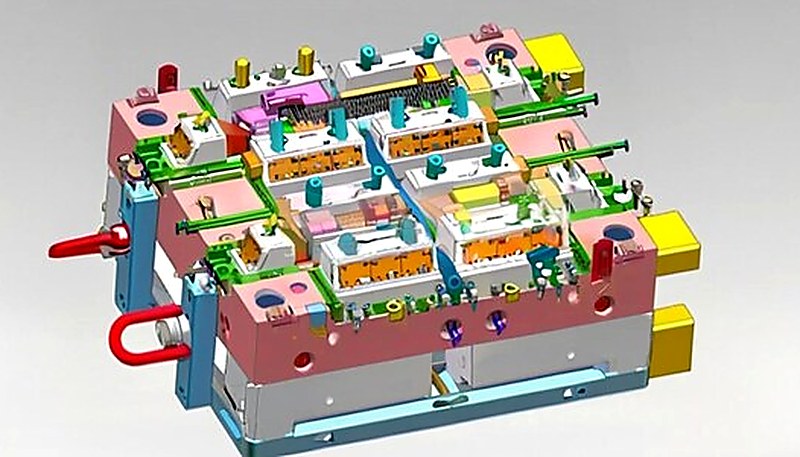
Con una produzione interna di stampi che supporta oltre 100 set di stampi al mese e oltre 20 anni di esperienza nella costruzione di attrezzature, manteniamo registri del ciclo di vita per ogni stampo. I nostri 8 ingegneri senior supervisionano le revisioni del progetto prima che l'acciaio venga tagliato.
Possiedi lo stampo in modo definitivo. Il vostro accordo di acquisto deve dichiarare che lo stampo è di vostra proprietà. Includete una clausola che impedisca al fornitore di utilizzare il vostro stampo per altri clienti.
Specificare l'acciaio dello stampo e i componenti. Richiedi acciaio P20 o H13 per gli stampi di produzione. Uno stampo costruito con componenti di qualità dura 500.000 o più cicli; uno stampo economico può fallire a 50.000.
Richiedete registri di manutenzione e disposizioni di trasferimento. Traccia il conteggio dei cicli dello stampo e la manutenzione. Includi una chiara tempistica di trasferimento — tipicamente da 15 a 30 giorni dopo la richiesta scritta.
Per le basi degli utensili, consulta il nostro injection mold guide.
Clausole di forza maggiore e di uscita. Definite cosa accade durante pandemie, disastri naturali o interruzioni politiche. Includete una clausola di recesso per comodità con un preavviso di 60-90 giorni e chiare disposizioni sul trasferimento dello stampo.
Includere una clausola di recesso per comodità con un preavviso da 60 a 90 giorni. Questo offre a entrambe le parti una via d'uscita chiara se il rapporto non funziona più, senza la complessità legale del recesso per inadempimento.
Questi elementi contrattuali collaborano per creare responsabilità e proteggere il vostro investimento in ogni fase del rapporto di produzione.

Quali Termini Contrattuali Prevengono l'Interruzione della Catena di Approvvigionamento?
Termini contrattuali ben redatti sono la vostra leva principale per prevenire interruzioni. Sei clausole specifiche fanno la differenza.
Pagamenti basati su milestone. Struttura standard: dal 30 al 50 percento con l'ordine, dal 30 al 40 percento dopo l'approvazione del campione T1, saldo dopo l'accettazione della produzione.
Programma di consegna con penali. Specifica i tempi di consegna degli utensili (da 4 a 8 settimane) e i tempi di consegna della produzione (da 2 a 4 settimane) con danni liquidati per ritardi.
AQL e classificazione dei difetti. Definisci AQL 1.0 per difetti critici, AQL 2.5 per difetti maggiori, AQL 4.0 per difetti minori. Specifica chi paga per i pezzi difettosi e il processo di rielaborazione.
Protezione della proprietà intellettuale e risoluzione delle controversie. Registrare i design nel paese del fornitore prima della condivisione. Specificare la sede di arbitrato — CIETAC è comune per i fornitori con sede in Cina.
Quando Dovresti Cambiare Fornitore di Stampi a Iniezione?
Cambiare fornitore è costoso e dirompente. La decisione richiede criteri chiari basati su tendenze, non su singoli incidenti.
Cambia quando: Il vostro tasso di difetti supera l'AQL concordato per tre o più produzioni consecutive e le azioni correttive falliscono. I ritardi di consegna superano il 20 percento delle date stabilite in sei mesi. Il fornitore effettua sostituzioni di materiale non autorizzate.
Non cambiare quando: Avete avuto una produzione difettosa su dodici. Un singolo problema con un CAPA documentato è normale nella produzione, non un fallimento sistemico.
Segnali di allarme che richiedono un'azione immediata: Il fornitore rifiuta i registri di qualità, produce parti per i concorrenti utilizzando le conoscenze del vostro progetto o la sua certificazione ISO è scaduta. Prevedere un budget per un nuovo processo di campionamento T1 presso il fornitore sostitutivo, che richiede in genere da due a quattro settimane prima che la produzione possa riprendere a pieno regime.
La nostra struttura di Shanghai lavora oltre 400 materiali plastici con più di 10 specialisti QC e oltre 120 dipendenti di produzione. Accogliamo le visite degli acquirenti perché operazioni trasparenti costruiscono fiducia.
Nella nostra esperienza presso ZetarMold, una visita in fabbrica è lo strumento di valutazione del rischio più efficace a disposizione degli acquirenti esteri. Camminare sul piano di produzione rivela ciò che nessun documento può.
Condizione della macchina. Attrezzature ben mantenute, etichettate con programmi di manutenzione suggeriscono operazioni disciplinate. Macchine con perdite d'olio o impostazioni scritte a mano suggeriscono il contrario.
Magazzinaggio dei materiali. Contenitori adeguatamente essiccati e sigillati in aree climatizzate indicano una preparazione seria dei materiali. Sacchi aperti di materiali igroscopici sul pavimento sono un segnale d'allarme.
Area di ispezione e conservazione degli stampi. Visita il laboratorio di controllo qualità per verificare la presenza di apparecchiature calibrate con adesivi attuali. Controlla che gli stampi siano conservati con climatizzazione, prevenzione della ruggine ed etichettatura chiara del cliente.
Parlate direttamente con gli ingegneri di produzione — non con il team commerciale — della loro più grande sfida di qualità del mese scorso e di come l'hanno risolta. La specificità della loro risposta rivela la cultura operativa molto meglio di qualsiasi certificazione appesa al muro. Un team che può descrivere in dettaglio l'analisi delle cause profonde è un team di cui potete fidarvi per la vostra produzione.
Cosa chiedono comunemente gli acquirenti riguardo al rischio dei fornitori di stampaggio a iniezione?
Queste sono le domande più comuni che gli acquirenti esteri pongono riguardo alla gestione del rischio e della qualità dei fornitori di stampaggio a iniezione.
Domande frequenti
Come verifico che un fornitore di stampaggio a iniezione sia legittimo?
Richiedi la loro licenza commerciale e verifica le certificazioni ISO tramite l'ente di registrazione emittente, non solo controllando la copia del certificato che ti inviano via email. Chiedi da tre a cinque referenze di clienti nel tuo settore e chiamale effettivamente per discutere i tassi di consegna puntuale, la coerenza della qualità e come il fornitore gestisce i problemi di produzione. In Cina, verifica la registrazione dell'azienda attraverso il Sistema Nazionale di Pubblicazione delle Informazioni sul Credito delle Imprese, che fornisce accesso gratuito ai dati aziendali registrati, inclusi rappresentante legale, capitale registrato e stato operativo. Questa è una considerazione cruciale per qualsiasi acquirente che gestisce relazioni con fornitori esteri e la qualità produttiva a lungo termine.
Qual è un tasso di difettosità accettabile per i pezzi stampati a iniezione?
Lo standard di settore utilizza il campionamento AQL secondo la ISO 2859-1, con AQL 1.0 per le dimensioni critiche, AQL 2.5 per i difetti funzionali maggiori e AQL 4.0 per i difetti estetici minori. Il vostro tasso accettabile specifico dipende dall'applicazione finale: gli alloggiamenti dei dispositivi medici e i componenti interni automobilistici richiedono limiti più severi rispetto ai contenitori standard per l'elettronica di consumo. Definite sempre le classificazioni dei difetti e i livelli AQL nel vostro accordo di acquisto prima dell'inizio della produzione, in modo che entrambe le parti operino con uno standard di qualità chiaro e misurabile durante tutto il rapporto di produzione e le future serie produttive.
Devo pagare anticipatamente per la produzione degli stampi a iniezione?
Non pagare mai l'intero costo degli utensili in anticipo. Utilizza pagamenti basati su milestone: tipicamente dal 30 al 50% con l'ordine di acquisto per coprire l'approvvigionamento dei materiali e la lavorazione iniziale, dal 30 al 40% dopo l'approvazione del campione T1 che conferma che lo stampo produce pezzi accettabili, e il saldo rimanente dopo l'accettazione finale della produzione. Questa struttura di pagamento protegge il tuo investimento in ogni fase e mantiene il fornitore finanziariamente motivato a consegnare utensili di qualità secondo i tempi, piuttosto che incassare il pagamento completo prima di dimostrare la loro effettiva capacità produttiva e standard di qualità.
Posso spostare il mio stampo per iniezione a un fornitore diverso?
Sì, a condizione che il tuo contratto dichiari chiaramente che sei proprietario degli utensili e includa disposizioni specifiche per il trasferimento. L'accordo dovrebbe specificare una tempistica di rilascio di 15-30 giorni dopo richiesta scritta, insieme a eventuali costi associati per l'imballaggio e la spedizione dello stampo. Prima del trasferimento, fai ispezionare a fondo le condizioni dello stampo dal fornitore ricevente e prevedi un processo completo di campionatura di qualifica T1 presso la nuova struttura, che richiede tipicamente da due a quattro settimane per essere completato prima che la produzione completa possa riprendere a pieno regime.
What certifications should an injection molding supplier have?
Come minimo, la ISO 9001 per la gestione della qualità è essenziale per qualsiasi fornitore di stampaggio a iniezione. Per i componenti dei dispositivi medici, è richiesta la certificazione ISO 13485 per dimostrare la conformità agli standard di qualità normativi. I componenti automobilistici richiedono la certificazione IATF 16949. Le certificazioni di gestione ambientale (ISO 14001) e di salute e sicurezza sul lavoro (ISO 45001) indicano una disciplina operativa più ampia. Verifica sempre le certificazioni in modo indipendente tramite l'ente di certificazione emittente, piuttosto che accettare fotocopie a valore nominale, perché certificati falsificati o scaduti sono più comuni di quanto la maggior parte degli acquirenti esteri realizzi.
Quanto dura tipicamente l'utensileria per stampi a iniezione?
Uno stampo di produzione realizzato con acciaio per utensili P20 o H13 può durare 500.000 cicli o più in condizioni operative normali. Stampi di grado consumer con acciai più morbidi come l'S50C potrebbero raggiungere solo 50.000 a 100.000 cicli prima di richiedere una ristrutturazione significativa o la sostituzione completa dei componenti critici. La durata effettiva dipende dall'abrasività del materiale, dalla complessità del pezzo, dalla frequenza di manutenzione dei canali di raffreddamento e dalle corrette condizioni di conservazione tra le serie di produzione. Il nylon caricato con vetro e altri composti per stampaggio abrasivi consumano gli stampi in modo significativamente più rapido rispetto alle resine non caricate come il polipropilene standard o il polietilene.
Come Puoi Ridurre il Tuo Rischio Fornitore con un Partner Collaudato?
La riduzione del rischio del fornitore è un processo in tre parti: valutazione, contratti e verifica. In ZetarMold, abbiamo costruito questi sistemi in oltre 20 anni.
Ottieni un preventivo gratuito e una revisione tecnica — esamineremo il design del vostro componente, raccomanderemo l'approccio ottimale per materiale e utensilatura e vi daremo un feedback onesto prima che impegniate un solo dollaro.
-
acciaio per stampi: l'acciaio per stampi si riferisce all'acciaio per utensili P20 che supporta 100.000-500.000 cicli di stampaggio; l'acciaio per utensili H13 supporta oltre 1.000.000 di cicli in applicazioni di stampaggio abrasive o ad alta temperatura. ↩
-
problemi di qualità: i problemi di qualità si riferiscono a sondaggi sull'approvvigionamento manifatturiero che riportano costantemente che oltre il 60% dei professionisti degli acquisti ha sperimentato problemi di qualità significativi con fornitori offshore. ↩
-
Controllo statistico del processo: Il controllo statistico di processo si riferisce al Manuale di riferimento SPC dell'AIAG che definisce la metodologia delle carte di controllo per il monitoraggio del processo di stampaggio a iniezione. ↩




 EN
EN  ES
ES  FR
FR  DE
DE  PT
PT  AR
AR  RU
RU  JA
JA  KO
KO  IT
IT  NL
NL  TR
TR  PL
PL 