中国対アメリカ射出成形:ZetarMoldコストガイド

• ZetarMold Engineering Guide
• Plastic Injection Mold Manufacturing Since 2005
• Built by ZetarMold engineers for buyers comparing mold and molding solutions.

Your sourcing team got two tooling quotes for the same plastic part, and the gap is big enough to make everyone suspicious. One supplier in China looks dramatically cheaper. One supplier in the United States feels safer. The real question is not which country is better in theory. It is which option fits your volume, quality target, launch schedule, and risk tolerance.

At ZetarMold, we have seen buyers save substantial cost by moving the right projects to China, and we have also told customers to keep sensitive programs in the US. This guide gives you the practical comparison: tooling, part price, quality systems, lead time, common myths, and the situations where each sourcing path makes sense.

要点
  • China is usually 30-60% lower on tooling and 40-70% lower on part cost for higher-volume programs.
  • US suppliers are often better for IP-sensitive, regulated, or urgent domestic projects.
  • Lead time is closer than many buyers expect once shipping, approvals, and mold trials are included.
  • Qualified China suppliers can meet strong quality standards when DFM, validation, and process control are managed well.
  • ZetarMold is strongest for cost-sensitive programs above 1,000 parts per year with complex tooling needs.

What Are the Main Differences Between China and USA Injection Molding?

The main differences are cost structure, supply-chain distance, communication speed, and project fit. China usually wins on price, while the US often wins on proximity.

A typical US injection molding shop has higher labor, overhead, and domestic compliance costs. That pushes tooling into the $5,000 to $100,000+ range, depending on complexity, cavitation, and steel selection. A capable China supplier may quote the same mold at $1,500 to $30,000 because labor, machining rates, and factory overhead are lower.

The second big difference is operating model. US suppliers are easier to visit, easier to call during your workday, and easier to align with domestic logistics. China suppliers ask you to manage time zones, freight planning, and clearer documentation. If your team is organized, that is manageable. If your team improvises everything, it becomes expensive.

The third difference is how each source fits your program. If you need aggressive cost-down on a mature product, China is usually more attractive. If you need near-zero tolerance for IP leakage, defense compliance, or same-week domestic replenishment, a US molder often deserves the premium.

China vs USA comparison
ファクター China manufacturer USA manufacturer
Tooling cost $1,500-$30,000 typical $5,000-$100,000+ typical
Part cost at volume 40-70% lower common Higher due to labor and overhead
Prototype mold lead time 15-25 days Often 3-6 weeks
Production mold lead time 30-45 days Often 6-10 weeks total
Communication Requires timezone planning Easier for US teams
送料 Longer international transit Faster domestic delivery
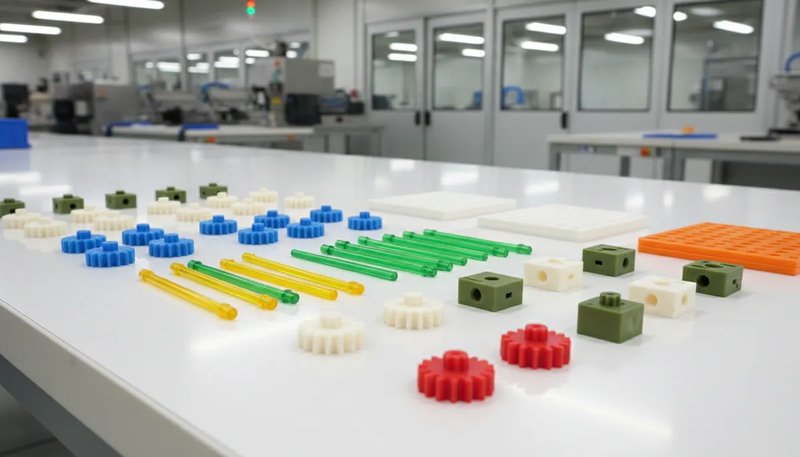
Injection molded parts comparison

How Much Cheaper Is China Injection Molding vs USA Manufacturing?

China injection molding is often 30-60% cheaper on tooling and 40-70% cheaper on part price at production volume.

Tooling is where most buyers first notice the gap. A production mold quoted at $40,000 in the US may come back closer to $18,000 to $25,000 from a serious China supplier, depending on steel, hot runner choice, texture, and cavity count. Complex tools with sliders, lifters, or family-cavity layouts often show the largest absolute savings because machining hours add up fast.

Part price becomes even more important once volume increases. If your annual demand is above 1,000 pieces, and especially above 10,000, lower labor and overhead in China can compound into meaningful savings over the life of the program. That is why cost-sensitive consumer, industrial, and appliance projects often move offshore after the first budget review.

Key Cost Factors That Drive the Price Gap

Still, cheap is not the same as low total cost. You need to add freight, tariffs where applicable, packaging, inventory carrying cost, and the cost of slower replenishment. Buyers who ignore those factors sometimes celebrate a low unit price and then lose the savings in emergency air shipments. The smart comparison is landed cost, not quote price.

Another hidden cost driver is engineering discipline. When your supplier reviews wall thickness, gate location, and tolerance stack-up early, you avoid expensive rework later. That is why a 射出成形ガイドDFM1 review matters more than chasing the absolute lowest quote. A cheap mold with poor cooling and unstable dimensions is not cheaper after three rounds of modifications. You still need a disciplined DFM review to catch issues before steel is cut.

In practice, the best China programs have three traits: clear drawings, realistic tolerances, and predictable volume. If your geometry is stable and your demand is real, China can be dramatically cheaper. If your part changes every month, your volume is tiny, or your logistics are chaotic, the savings shrink fast.

What Quality Standards Do China Injection Molding Manufacturers Follow?

The primary quality standards China injection molding manufacturers follow are ISO 9001, ISO 13485, and IATF 16949. Supplier audits, inspection plans, and traceable corrective actions are standard at qualified factories.

The best factories do not ask you to trust a country label. They show you systems. At ZetarMold, that means ISO 9001:2015 workflows, qualified supply partners aligned with IATF 16949 expectations, incoming material checks, first-article approval, in-process inspection, and final shipment verification. Those are the controls that matter when you are buying molded parts, not patriotic assumptions.

Factory capability also matters. ZetarMold operates 47 machines from 90T to 1850T, which gives flexibility for different part sizes, materials, and production plans. A wider machine range reduces scheduling bottlenecks and allows more realistic matching between mold requirements and press capacity. That matters for both quality and efficiency.

Quality Certifications That Matter Most

Quality is also built long before the first sample. Strong 射出成形金型2 design decisions control venting, cooling balance, ejection stability, and steel life. If the tooling concept is weak, even a clean factory will struggle. If the 金型設計 is robust, process validation becomes much easier and first-shot success improves.

Quality Systems at a Glance
Quality Control Area ZetarMold Practice
Management system ISO 9001:2015 certified workflows
First-pass quality rate 92% — tracked per production run
入荷材料 Resin lot traceability and incoming checks
First article Approval gate before production release
Corrective action Root-cause workflow with documented response

One useful benchmark is first-pass quality rate. ZetarMold tracks a 92% first-pass quality rate, which tells buyers that most runs meet acceptance criteria without avoidable rework. That does not mean every part is perfect. It means the factory has process discipline, and that is a better predictor of outcomes than broad assumptions about whether the mold sits in Shanghai or Ohio.

Buyers should also ask how a supplier handles measurement systems, resin traceability, tool maintenance, and response time when a sample misses spec. Those questions reveal maturity fast. A factory that can explain its gauge control, sampling logic, and root-cause workflow will usually outperform a cheaper shop that only repeats general promises about quality. Serious molding programs run on repeatable systems, not on sales language.

For buyers comparing China and USA, the smartest audit question is simple: show me how you prevent variation before it reaches my dock. If the answer includes mold maintenance intervals, sample approval gates, resin lot control, and escalation rules, you are talking to a manufacturing team. If the answer is only about being careful, you are talking to a brochure. That distinction matters more than geography when parts have cosmetic or dimensional requirements.

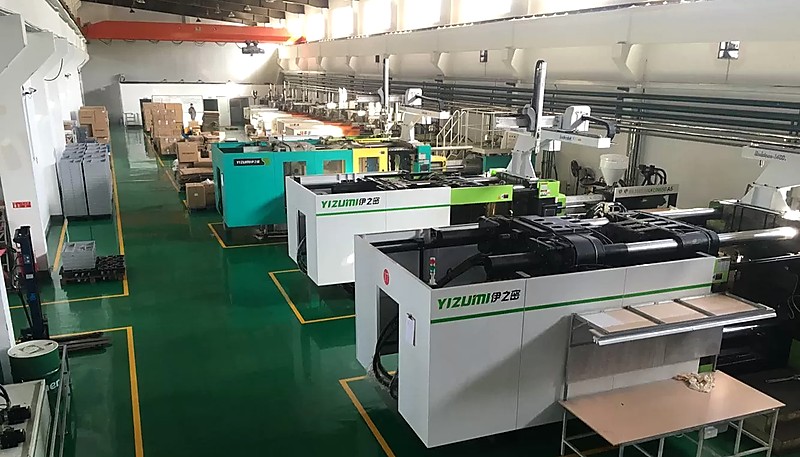
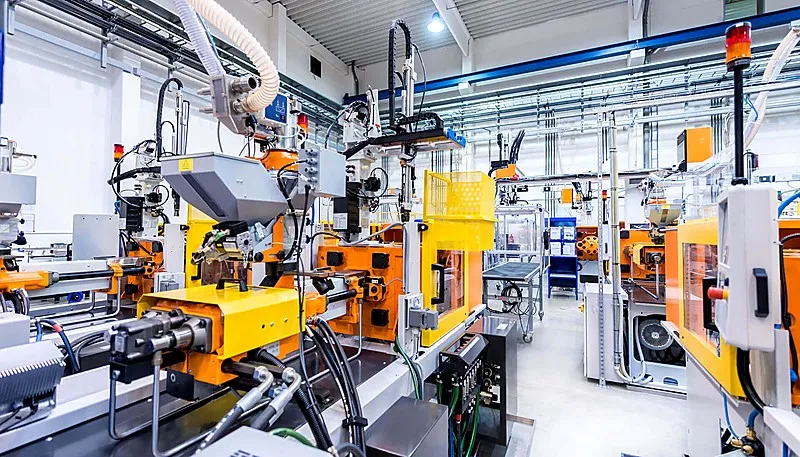
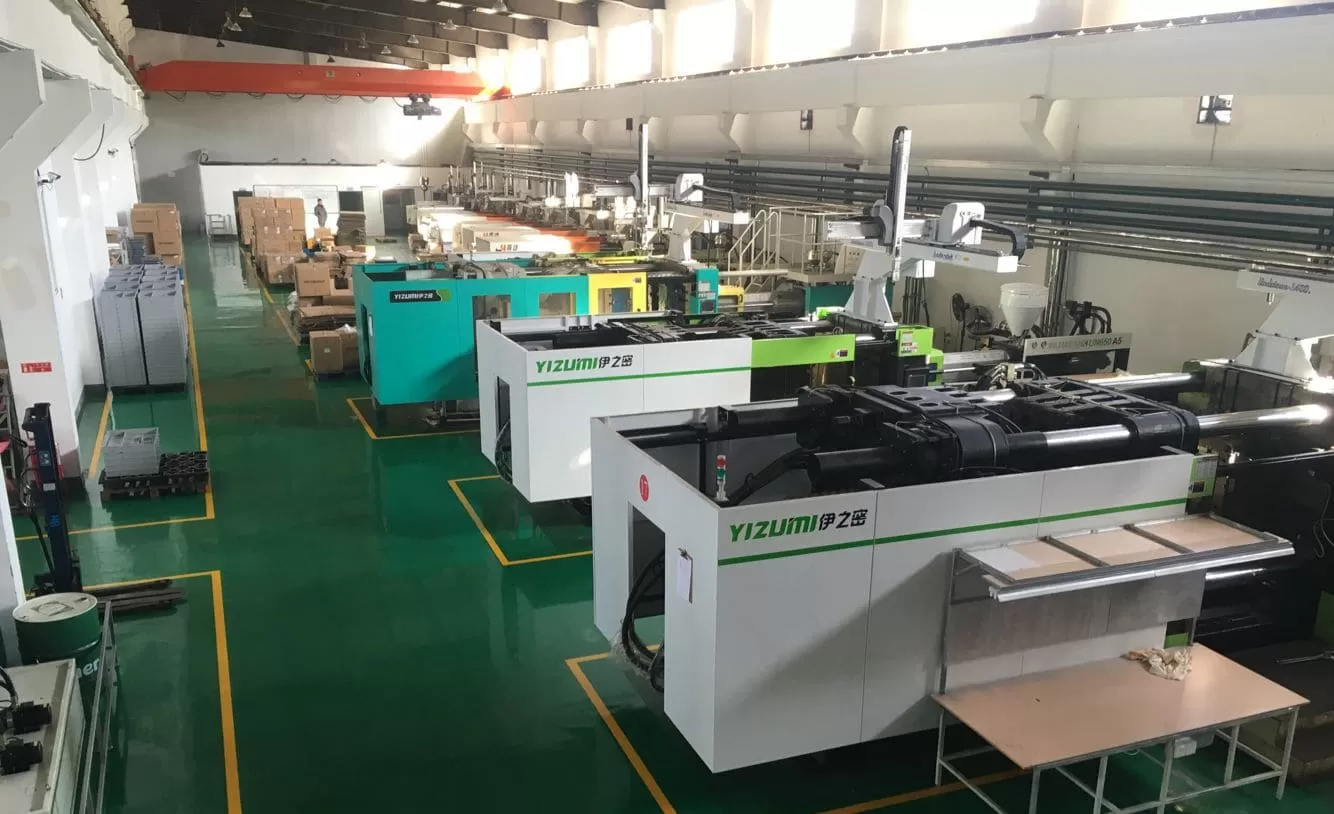
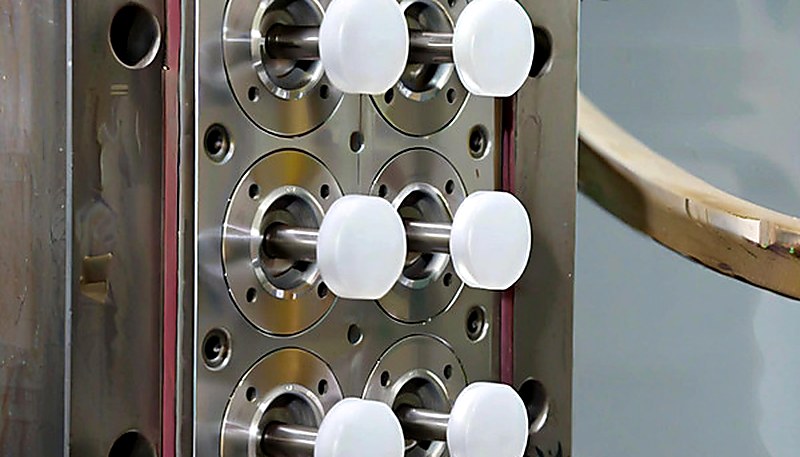
ZetarMold Injection Molding Factory
ZetarMold injection molding factory

How Does Lead Time Compare Between China and USA Injection Molding?

Lead time is closer than most buyers expect because tooling, trials, approvals, and shipping all matter more than geography alone.

Typical Lead Time Comparison
Stage China Supplier US Supplier
Prototype mold 15-25 days 3-6 weeks
Production mold 30-45 days 6-10 weeks
International freight Additional 2-4 weeks Same-day to 1 week

For prototype molds, a capable China supplier can often deliver in 15 to 25 days. Production molds commonly land in the 30 to 45 day range, assuming the part design is frozen and approvals move quickly. Many US shops quote similar core manufacturing windows, but total program timing often stretches to 6 to 10 weeks once queue time, revisions, and validation are included.

The real schedule difference appears after the mold is built. Domestic shipping is obviously faster inside the United States, and that matters if you need same-week replenishment. But for repeat offshore production, many buyers plan around container schedules or buffer inventory. When forecasting is stable, the longer transit becomes manageable. When demand is erratic, domestic molding becomes more attractive.

How Your Technical Package Affects Total Lead Time

Lead time also depends on how mature your technical package is. A detailed drawing set, resin spec, texture standard, packaging instruction, and acceptance criteria can save days or weeks. If those inputs are vague, every supplier looks slow. That is why understanding the full injection molding process helps buyers compress launch schedules more than switching countries at the last minute.

If speed matters, ask two separate questions instead of one. First: how long to tool? Second: how long to deliver saleable parts to my warehouse? Buyers who mix those together often make the wrong sourcing decision. A US molder may win on warehouse arrival. A China supplier may still win on mold completion and production cost. They are different advantages.

True or False: Myths About Outsourcing Injection Molding to China?

Some common beliefs about China sourcing are true, but several are outdated or flatly wrong. You should test each claim against project type, supplier discipline, and total landed cost.

““China is usually cheaper for tooling and volume production.””

That is generally true because labor, machining cost, and overhead are lower, especially on complex molds and annual volumes above 1,000 parts.

““China suppliers cannot meet serious quality standards.””

That is false because quality depends on systems, validation, and supplier management. Strong factories run ISO-based controls, documented inspections, and disciplined corrective action.

One more practical point: offshore sourcing only works well when the customer side is equally disciplined. If approvals take a week, if revision notes are vague, or if the team keeps changing resin and texture after tool steel is cut, every schedule slips. China does not create that problem, but distance makes the consequences more visible. The best results come from fast approvals, written change control, and a supplier that documents every trial clearly. Teams that treat offshore sourcing as a procurement task rather than a project discipline consistently see worse outcomes than teams that invest in clear technical packages and early DFM alignment.

““US suppliers are usually easier for urgent domestic delivery.””

That is true because domestic freight is faster, communication is simpler during US working hours, and rapid replenishment is easier when the plant is nearby.

““Outsourcing to China always means higher overall lead time.””

That is false because mold build time can be highly competitive. Total timing depends on drawings, approvals, shipping mode, and how well the project is planned.

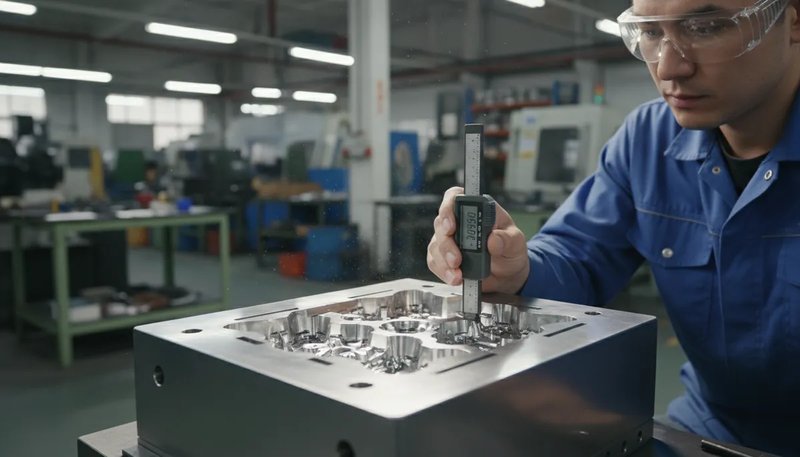
Mold tooling inspection

When Should You Choose China Over a USA Injection Molding Manufacturer?

Choose China when annual volume is above 1,000 parts, tooling is complex, and cost reduction matters more than local proximity.

China is the better fit when annual volume exceeds about 1,000 pieces, the mold is complex, and the business case depends on reducing total manufacturing cost. This is especially true for consumer products, industrial housings, appliance parts, and global programs that already ship internationally. If your company is comfortable managing overseas sourcing, the savings can be substantial and repeatable.

China also makes sense when you want one supplier to support tooling, pilot runs, production, and secondary operations. Many buyers pair molding with CNC machining, insert assembly, texture control, or packaging. A supplier that can coordinate those steps internally reduces handoff risk and simplifies accountability.

Best Use Cases for China Injection Molding

Another strong use case is engineered cost reduction. If your purchasing team is under pressure to remove 15% to 25% from product cost without changing function, offshore tooling and molding may be the cleanest lever. The move is even more compelling if the part design has already been optimized through DFM and the mold concept is stable enough to scale.

By contrast, the US is often the right choice for highly regulated medical or defense work, extremely low annual demand, or projects where IP exposure is the board-level concern. It also wins when you need very short domestic replenishment cycles. For some programs, a 少量射出成形3 strategy in the US is simply more practical than chasing offshore savings.

How Does ZetarMold Compare to US-Based Injection Molding Companies?

ZetarMold is usually stronger on cost and tooling flexibility, while US-based molders are often stronger on domestic access and replenishment speed.

ZetarMold vs US Molders: Key Comparison
Criteria ZetarMold (China) Typical US Molder
Tooling cost 30-60% lower typical Higher domestic overhead
Machine range 47 machines, 90T–1850T Varies by shop
First-pass quality rate 92% Varies
Domestic replenishment Longer international transit Fast same-week delivery
Best fit Cost-driven, high-volume export IP-sensitive, urgent domestic

ZetarMold was founded in 2005 in Shanghai, China, and brings more than 20 years of injection molding experience to export-focused programs. For buyers evaluating a China source, that matters because the real risk is not geography alone. It is whether the supplier understands engineering communication, revision control, sampling discipline, and long-cycle production support for international customers.

On the capacity side, ZetarMold runs 47 molding machines from 90T to 1850T, giving a useful range for small technical components, medium housings, and larger structural parts. Combined with a 92% first-pass quality rate and structured supplier quality controls, that gives buyers a more concrete benchmark than generic claims about being a trusted partner.

Compared with a typical US molder, ZetarMold is usually the stronger option when the project has a real scaling plan, margin pressure, and enough engineering discipline to manage offshore collaboration well. A US shop may still be the better choice if your team needs face-to-face launches, same-day site visits, or very tight domestic change loops. The right answer depends on the program, not the flag.

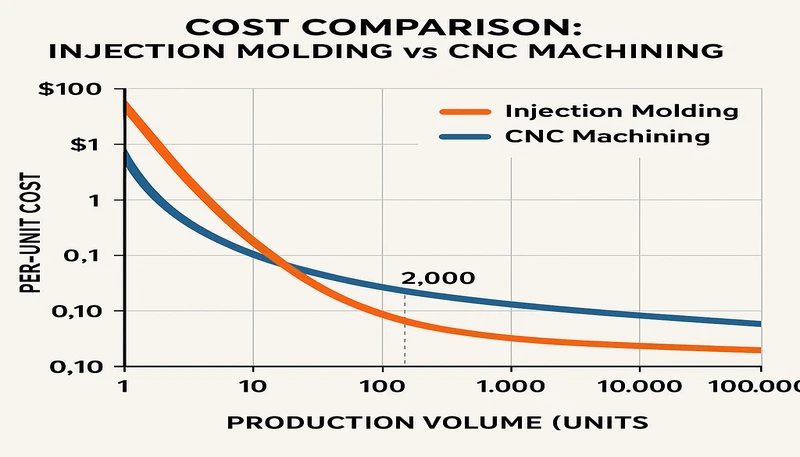
射出成形とCNC加工のコスト比較
Cost comparison analysis
🏭 ZetarMold Factory Insight
ZetarMold operates 47 injection molding machines ranging from 90T to 1850T at its Shanghai factory, with 8 senior engineers, 120+ production staff, and 30+ fluent English-speaking project managers supporting international buyers. Founded in 2005, the company runs ISO 9001:2015 certified workflows and processes over 400 engineering-grade materials.

Frequently Asked Questions About China vs USA Injection Molding

Is China always cheaper than the USA for injection molding?

No, China is not always cheaper once freight, tariffs, inventory carrying cost, and engineering delays are added. It is usually cheaper on tooling and on repeat production for stable programs, but very low annual volume, urgent domestic replenishment, or frequent design changes can shift the total landed cost back toward a US supplier. The right comparison is quote price plus logistics, quality risk, and response speed. For many mid-volume programs with predictable demand, the total cost difference remains significant enough to justify the longer lead time.

How much can I save by sourcing injection molds from China?

Many buyers save about 30% to 60% on tooling when they source from China, especially on complex molds with sliders, lifters, or multi-cavity layouts. The exact savings depend on steel grade, texture, tolerance, hot runner requirements, and expected tool life. If the part also runs at higher annual volume, part-price savings can stack on top of tooling savings and make the total business case much stronger. Ask for a detailed cost breakdown that includes tooling, sampling, freight, and expected cycle time so the comparison is realistic.

Are Chinese injection molding manufacturers reliable for tight-tolerance parts?

Yes, Chinese injection molding manufacturers can be reliable for tight-tolerance parts when they control mold design, machine selection, process windows, inspection methods, and corrective action. Reliability comes from engineering discipline rather than country alone. Ask for sample reports, tolerance capability, first-pass quality data, and validation steps. A factory that explains those clearly is usually a safer choice than one that competes only on price. ZetarMold, for example, tracks a 92% first-pass quality rate and provides full dimensional reports with every shipment.

What lead time should I expect from a China injection molding supplier?

Prototype molds often take about 15 to 25 days, while production molds commonly take 30 to 45 days before international shipment. Finished-part lead time depends on sampling speed, revision rounds, shipping mode, and whether you keep buffer stock. If your forecasts are stable, offshore timing is usually manageable. If your demand changes frequently, a domestic supplier may give you better total responsiveness even at a higher price. Most experienced China suppliers now offer air freight options that reduce door-to-door delivery to under a week after molding.

When is a US injection molding manufacturer the better option?

A US injection molding manufacturer is usually the better option when you need urgent domestic delivery, highly sensitive IP protection, or close coordination with local engineering teams. It is also the safer choice for some defense and regulated medical programs where oversight, documentation, or domestic sourcing preference matters. You often pay more, but the premium can be justified when schedule risk or compliance exposure would cost far more than the tooling delta. For routine commercial parts at medium to high volume, the China value proposition remains strong.

What should I ask before choosing a China injection molding partner?

Ask about machine range, export experience, quality certifications, mold trial process, revision control, tooling ownership, inspection reports, and packaging standards. You should also ask who reviews DFM, how the supplier manages schedule changes, and what happens if a shipment fails specification. Those questions tell you whether the factory understands long-term program management or is simply quoting a low price to win the first order. A supplier that can answer all of these clearly will usually deliver more consistent results over the life of your program.

Sources

The data and claims in this article are sourced from government trade reports, industry associations, and ZetarMold internal production records.

International Trade Administration, U.S. Department of Commerce. Manufacturing Competitiveness: Cost Comparison Data for Injection Molding. trade.gov

Plastics Industry Association. 2023 Size and Impact of the U.S. Plastics Industry Report. plasticsindustry.org

McKinsey & Company. Global Supply Chain Resilience: Nearshoring vs. Offshoring Trends. mckinsey.com

American Mold Builders Association (AMBA). Mold Cost and Lead Time Benchmarks. amba.org

ISO 9001:2015. Quality Management Systems — Requirements. iso.org


  1. DFM: DFM refers to design for manufacturability, which is a review method used to reduce tooling risk, molding defects, and unnecessary production cost.

  2. 射出成形金型: Injection mold design is an engineering discipline that defines parting lines, gating, cooling, ejection, and steel structure before tooling starts.

  3. 少量射出成形: Low-volume injection molding is a production approach for small annual demand, usually measured in hundreds or a few thousand parts rather than mass volume.

最新の投稿
フェイスブック
ツイッター
LinkedIn
ピンタレスト
Mike Tangの写真
マイク・タン

Hi, I'm the author of this post, and I have been in this field for more than 20 years. and I have been responsible for handling on-site production issues, product design optimization, mold design and project preliminary price evaluation. If you want to custom plastic mold and plastic molding related products, feel free to ask me any questions.

私とつながる

クイック見積もり

図面および詳細要件を下記までお送りください。 

Emial:[email protected]

または下記のお問い合わせフォームにご記入ください:

クイック見積もり

図面および詳細要件を下記までお送りください。 

Emial:[email protected]

または下記のお問い合わせフォームにご記入ください:

クイック見積もり

図面および詳細要件を下記までお送りください。 

Emial:[email protected]

または下記のお問い合わせフォームにご記入ください:

クイック見積もり

図面および詳細要件を下記までお送りください。 

Emial:[email protected]

または下記のお問い合わせフォームにご記入ください:

クイック見積もり

図面および詳細要件を下記までお送りください。 

Emial:[email protected]

または下記のお問い合わせフォームにご記入ください:

ブランドのクイック見積もり

図面および詳細要件を下記までお送りください。 

Emial:[email protected]

または下記のお問い合わせフォームにご記入ください:

Спроситебыструюцитату。

Мы свяжемся с вами в течение одного рабочего дня, обратите внимание на письмо с суффиксом "[email protected]".

クイック見積もり

図面および詳細要件を下記までお送りください。 

Emial:[email protected]

または下記のお問い合わせフォームにご記入ください:

クイック見積もり

図面および詳細要件を下記までお送りください。 

Emial:[email protected]

または下記のお問い合わせフォームにご記入ください: