La scelta di the right stampo a iniezioneing machine tonnage è a critical factor in producing qualità plastic componenti e optimizing produzione. In this article, we’ll explain how the experts define the principles of selecting an stampo a iniezioneing machine e what calculation methods sono needed to determine the necessaria tonnage of the machine based on your actual needs.
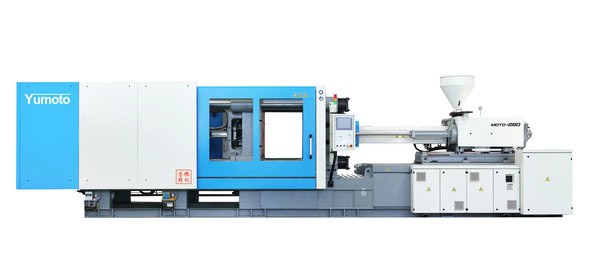
Definizione di tonnellaggio delle macchine per lo stampaggio a iniezione
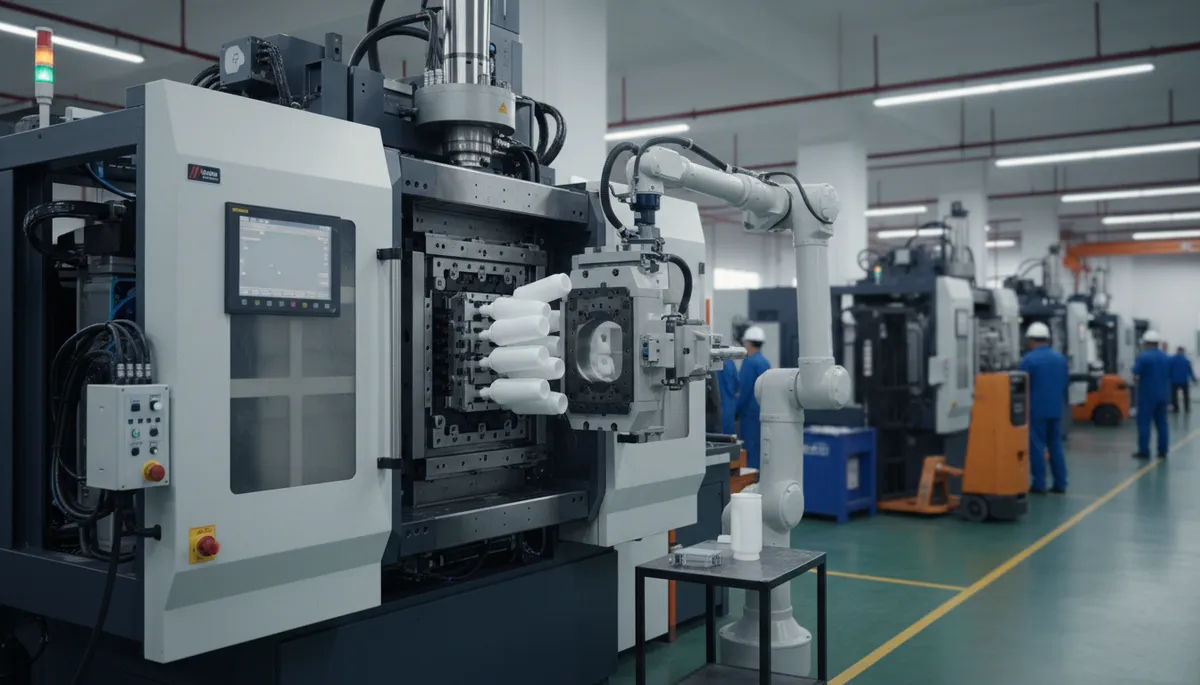
Quando si parla delle dimensioni di una macchina per lo stampaggio a iniezione, si parla della forza di chiusura, ovvero della forza massima che la macchina utilizza per tenere chiuso lo stampo durante l’iniezione. La forza di chiusura è solitamente espressa in tonnellate di pressione; maggiore è il tonnellaggio, più grande è la macchina. La forza di chiusura è importante perché influisce direttamente sulla qualità e sulla produttività dei pezzi stampati a iniezione. La scelta del giusto tonnellaggio aiuta anche a mantenere lo stampo chiuso durante il processo di iniezione, riducendo così al minimo problemi come la formazione di bolle e pezzi difettosi.
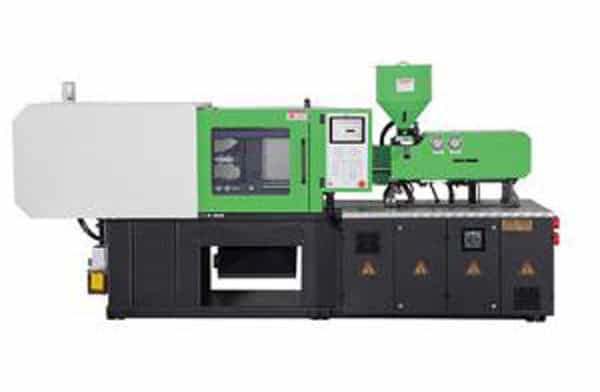
Fattori chiave nella scelta del tonnellaggio della macchina di stampaggio a iniezione
Quando si cerca di determinare la dimensione della macchina per lo stampaggio a iniezione necessaria per la propria applicazione, ci sono una serie di fattori da considerare. Bisogna pensare alle dimensioni e al design del componente da produrre, al numero di cavità che avrà lo stampo, al tipo di materiale che verrà iniettato, alla pressione necessaria per l’iniezione, al design del canale di colata, e agli standard di precisione e qualità richiesti per il componente finale. Analizzerò ciascuno di questi fattori in modo più dettagliato.
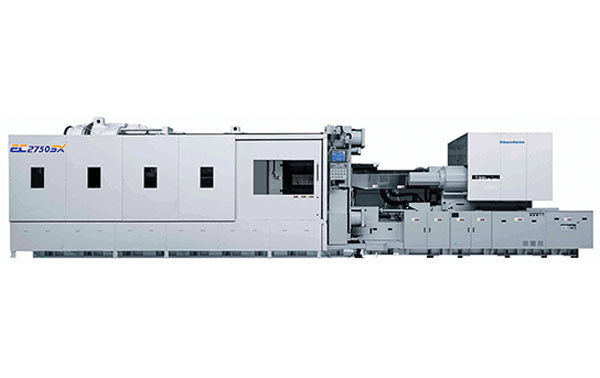
Dimensioni, peso e struttura del prodotto
- Prodotto Size: Il tonnage è what determines the basic parameters of the prodotto. Il size of the prodotto è determined by its length, width, e height e dictates the size of the clamp, e thus the clamping forza needed. Bigger prodotti put più stress on the stampo to close properly e avoid leakage of the molten plastic during injection, thus it needs higher clamping forza.
- Prodotto Weight: Il injection pressione of the stampo a iniezioneing machine è directly proportional to the tonnage of the stampo a iniezioneing macchine e è determined by the screw diameter as well as materiale frame. All things considered, the weight of the prodotto needs to be stipulated first. Traditionally, if the single prodotto weight è below 50 grams, it will require a machine con the tonnage below 50T. As for the prodotti which weigh più than 100 grams, a machine con tonnage over 100T è supposed to be used.
- Prodotto Structure: Another thing that can affect the type of clamping forza you need è how complicated the prodotto is. In complicated prodotti, there sono a lot of different shapes that the plastic has to fill. So you need più injection pressione to fill all those shapes. That means you need più clamping forza to hold the stampo closed. Per example, if you have a part con thin walls or curves in it, you need più clamping forza to make sure the plastic fills all the way.
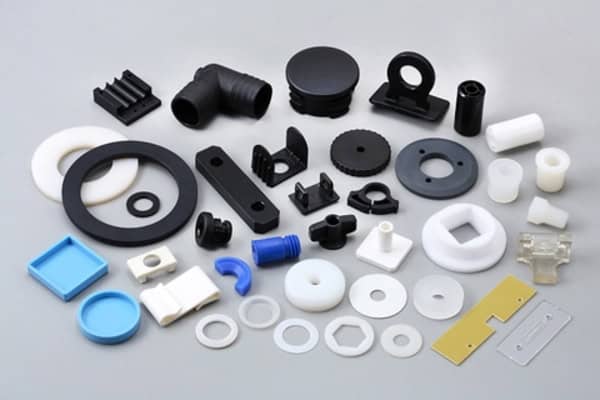
Dimensioni dello stampo e numero di cavità
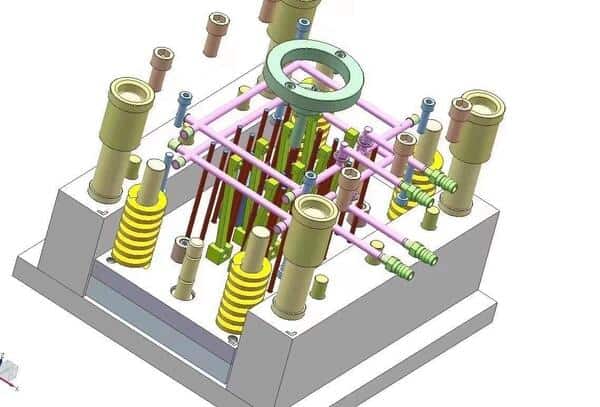
- Stampo Size: Se the stampo è big, that means you need a lot of pressione to clamp it. You need to clamp bigger stampi harder to keep them from opening when you inject. Stampo size è how long, wide, tall, e heavy the stampo is, e you need to know that to figure out how much tonnage you need.
- Stampo Cavity Count: Il number of cavities in the stampo affects the clamping forza necessaria to close the two halves of the stampo. Single-cavity stampo designs sono usually simpler e apply clamping forza to only one stampo part, while multi-cavity stampi apply clamping forza to several cavities being filled at the same tempo. Multi-cavity stampi increase prodottoivity, but require significantly più clamping forza. In general, the più cavities there are, the più clamping forza è needed to properly close the stampo.
Tipo di materiale
- Materiale Flowability: It è also important to note that, some plastics have different flow characteristics, especially when they sono melted. Questo è because con good flowability, that è PP e PE, injection pressione determines clamping forza in a negative way. D’altra parte, the materialei that have relatively poor flow characteristics which includes PC e POM, e require higher injection pressiones that in turn require higher clamp forza to counterbalance the pressione.
- Materiale Shrinkage Rate: Il shrinkage rate of plastic materialei also affects the clamping forza required. Se the materiale has a elevata shrinkage rate, it will create elevata shrinkage stress during cooling, which will require a elevata clamping forza to keep the stampo closed e allow the part to form senza distortion.
- Materiale Crystallinity: Some thermoplastics need elevata injection pressione e clamping forza to close the stampi e give high-quality crystal clear prodotti. As a rule, the clamping forza in the case of amorphous materialei è lower than that applied to crystalline ones.

Pressione di iniezione e design del canale
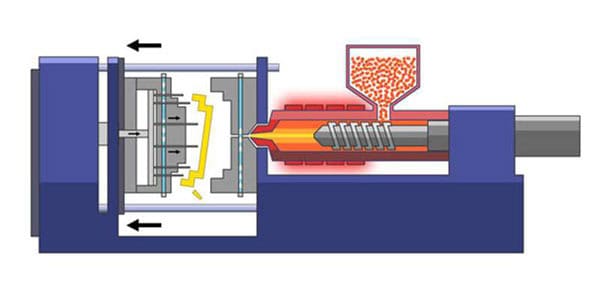
- Injection Pressure: Injection pressione, on the other hand, è the pressione that the injection screw exerts when it injects the molten plastic into the stampo. Il amount of injection pressione also affects the clamping forza needed. It è simply the sum of the total AOSC forza used to push down the presses, divided by the total number of presses. High injection pressione richiede higher clamping forza to squeeze the stampo so that it will not open e thus produce high-accuracy, high-quality prodotti.
- Runner Design: In order to succeed in runner design, you need to know that it can greatly increase injection pressione, or in other words, decrease the clamping forza required. In runner design, factors such as gate positions e geometries, runner cross-sectional areas, e runners cooling sono all critical. To optimize runner design for processoo di stampaggio a iniezione control, runner design must facilitate an equal distribution of molten plastic evenly across all cavities, thereby reducing pressione loss e yielding improved output on the end prodotto.
Precisione del prodotto e requisiti di qualità
- Precisione Products: As the precision requirements of the final prodotti increase, the clamping pressione must be correspondingly greater. Questo è because inadequate clamping forza could allow the stampo to open while injection, thus leading to materiale flash e compromising the dimensional accuracy e aesthetics of the finished prodotto. When the componenti sono precision engineered like the housing for electronic devices or for any medical equipment, the clamp forza requirement will be più critical.
- Prodotto Quality: Products for high-precision industries need più clamping forza to put a lot of pressione on the prodotto e to keep it from having holes. Se you don’t have enough pressione, you’ll get bubbles, sink marks e weld lines. So, if you want to make good componenti, e based on what I just told you, you can increase the pressione by getting a bigger machine.
Comportamento di riempimento del materiale e condizioni di processo
- Materiale Filling Behavior: Questo means that some of the materialei that sono being used in the injection processo sono different e thus have different filling patterns. An Example è the moulding materialei that have a tendency of flowing in different patterns, will lead to differential pressione points, within the mould thus need for a higher clamping pressione to ensure uniform stampo closure or avoid localized stampo opening.
- Process Conditions: Injection conditions include injection speed, hold tempo, e cooling tempo in the processoo di stampaggio a iniezione that affect the clamping forza necessaria for the processo. Higher injection speeds e shorter cooling tempos usually mean più pressione during injection, which means più clamping forza è needed. You have to consider the machine tonnage e these processo conditions.
Temperatura dello stampo e fattori ambientali
- Stampo Temperature: Questo è a fancy way of saying that the temperature you put on the stampo makes a big difference in how much clamping forza you need. High-temperature stampi usually need più clamping forza to help counteract the expansion e contraction caused by temperature changes e the pressione from the melted stuff. Molds that sono made to run at bassa temperatures don’t need as much clamping forza when you shoot the plastic in.
- Ambientali Factors: Other factors that sono related include the temperature e humidity of the produzione environment. These factors affect the work conditions of the stampo a iniezioneing machine e the necessaria clamping forza. Il heat e humidity conditions of the workpiece materiale can change the flow resistance e therefore increase the clamping forza needed. Se the temperature e humidity sono low, the concrete may not require a large amount of clamping forza.
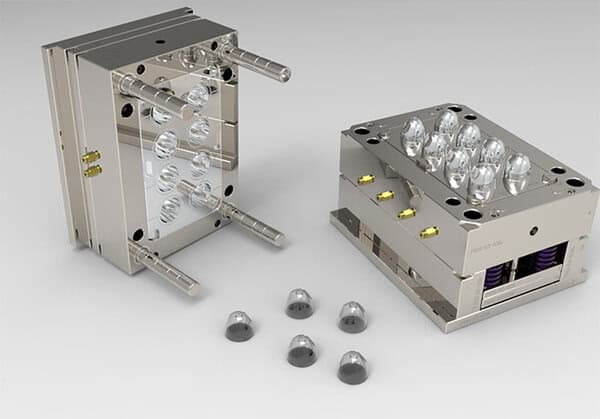
Metodo di calcolo della forza di serraggio
Ci sono alcuni fattori che possono influenzare la forza di serraggio necessaria in una macchina per lo stampaggio a iniezione per produrre pezzi di qualità. Ecco una guida passo-passo che vi aiuterà a capire la forza di serraggio necessaria:
Capire le basi
Forza di chiusura: La forza di serraggio è la forza con cui la pressa stringe lo stampo per tenerlo chiuso durante l’iniezione. È molto importante assicurarsi che lo stampo non si apra a causa della pressione della plastica che entra.

Determinare i parametri chiave
Diversi fattori influenzano il calcolo della forza di serraggio, tra cui:Diversi fattori influenzano il calcolo della forza di serraggio, tra cui:
Area proiettata (A): La parte della cavità dello stampo in cui verrà realizzato il pezzo.
Pressione di iniezione (Pi): La forza utilizzata per spingere la plastica fusa nelle cavità dello stampo e qualsiasi altra pressione necessaria durante il processo.
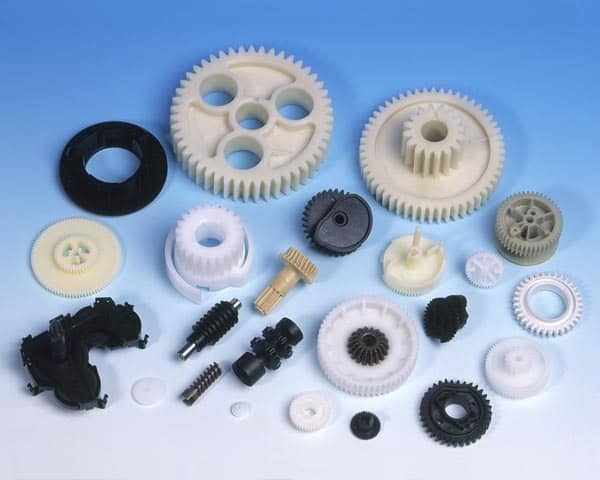
Calcolo dell’area proiettata (A)
Per calcolare l’area proiettata, è necessario conoscere la geometria del pezzo. Se si tratta di un semplice rettangolo, basta moltiplicare la lunghezza per la larghezza. Se è più complicato, potrebbe essere necessario suddividerlo in forme più semplici e sommare le loro aree.
Versione italiana: Formula: Projected Area (A)=Length×Width
Determinare la pressione di iniezione (Pi)
Anche la pressione di iniezione può variare a seconda del tipo di materiale e dei suoi requisiti esatti nel processo di stampaggio. Spesso viene indicata dal fornitore del materiale, oppure può essere stimata in base alle condizioni del trattamento termico.
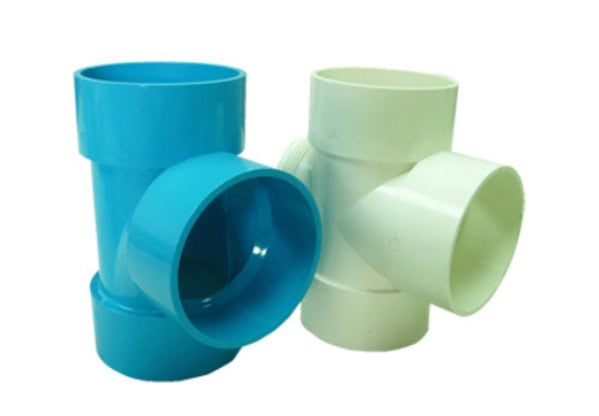
Calcolo della forza di serraggio (Fc)
La forza di chiusura necessaria per mantenere chiuso lo stampo durante l’iniezione si calcola con la seguente formula: Forza di chiusura (Fc)=Area proiettata (A)×Pressione di iniezione (Pi)
Esempio di calcolo
Assumendo i seguenti parametri:
- Area proiettata (A): 100 pollici quadrati
- Pressione di iniezione (Pi): 5000 psi
Applicando la formula: Forza di chiusura (Fc)=100 in2×5000 psi
Forza di chiusura (Fc)=500,000 lbs
Ciò significa che sono necessarie 500.000 libbre di forza di serraggio per mantenere lo stampo chiuso durante l’iniezione.
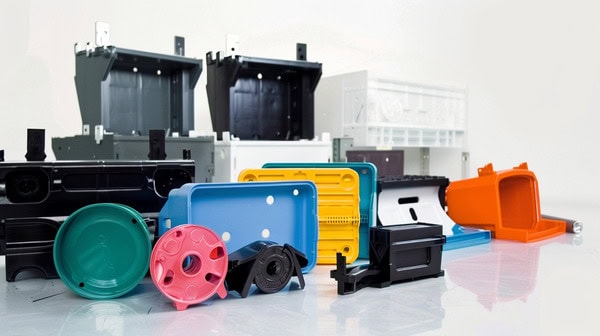
Fattore di sicurezza
Si raccomanda di includere nel calcolo un fattore di sicurezza per tenere conto delle variazioni delle condizioni di lavorazione e garantire che lo stampo rimanga chiuso in modo sicuro. Una delle misure di sicurezza più importanti è rappresentata da 1,1-1,5 volte la forza calcolata.
Considerazioni finali
Proprietà del materiale: La forza di chiusura dello stampo dipende dal tipo di materiale iniettato e dai suoi diversi intervalli di pressione.
Progettazione dello stampo: È importante notare che negli stampi complessi, il numero di cavità può richiedere una modifica dei calcoli della forza di serraggio.
Quando si determina la forza di chiusura, l’obiettivo è quello di ottenere il numero giusto per produrre pezzi di qualità senza altri problemi, come le bolle, che possono essere causate da una chiusura non corretta dello stampo. Per ottenere numeri migliori, è possibile rivolgersi ai produttori di attrezzature o a persone esperte in materia.
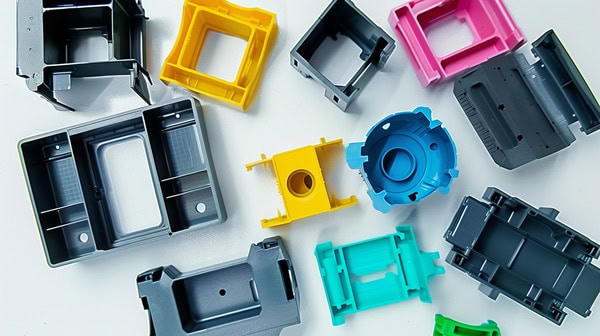
Suggerimenti per la scelta del tonnellaggio della macchina di stampaggio a iniezione
Quando si parla di macchine per lo stampaggio a iniezione, la tonnellatura necessaria dipende da alcuni fattori. È necessario considerare le dimensioni del componente che si sta producendo, la quantità da produrre e il tipo di materiale utilizzato. Ecco alcuni aspetti da valutare:
Selezione di Tonnage Based on Prodotto Size: Se you’re making small componenti, you’re probably going to use a machine that’s rated for 25 to 80 tons. Se you’re making medium-sized componenti, you’ll need a machine that’s rated for 80 to 180 tons. Se you’re making big componenti, you’ll need a machine that’s rated for 180 to 500 tons. But you should always check the dimensions of your part to be sure.
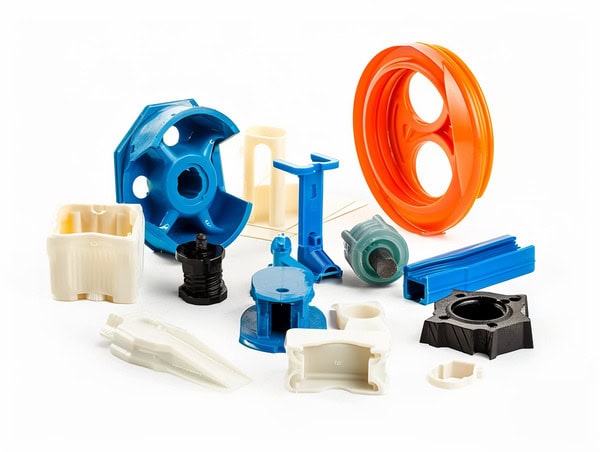
Selezione di Tonnage Based on Produzione Volume: A lot of companies need to make a lot of componenti in a short amount of tempo to be efficient e keep labor costos down. Se that’s you, you’ll need a machine con a lot of tonnage.
Selezione di Tonnage Based on Material: Different plastics have different structures e densities. That means you’ll need different tonnage ranges for different materialei. You’ll need to find a salesperson or a manufacturer who can tell you what tonnage you need for different materialei.
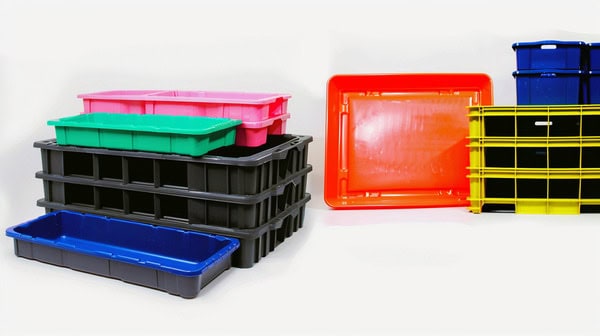
Considerazioni pratiche sulle applicazioni reali
Quando si sceglie il tonnellaggio di una macchina per lo stampaggio a iniezione, è necessario considerare anche quanto segue:
Leave a Margin: When you’re choosing the tonnage, you can choose a little bit più than you need, so that if you have any problems in produzione, you can still use it. Per example, if the materiale fluctuates, or the stampo temperature fluctuates, you will need più clamping forza.
Stampo Design e Machining Accuracy: Il clamping forza è affected by the design e machining of the stampo. Se you have the same accuracy, the stampo for pressing metal will distribute the clamping forza evenly, so you will need meno tonnage for the machine.
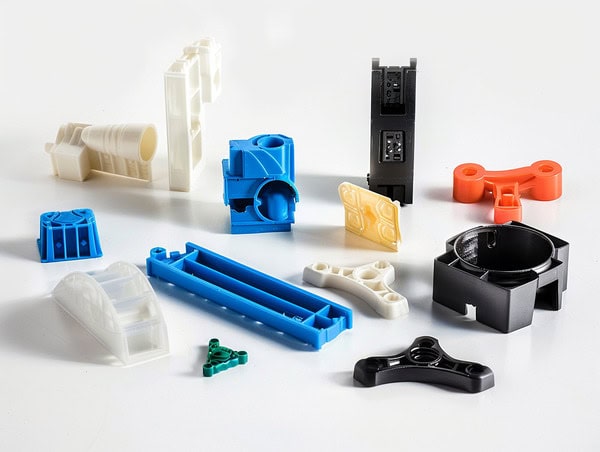
Performance e Stability of stampo a iniezioneing Machines: Different companies e manufacturers use different types of stampo a iniezioneing macchine, e their performance e stability sono different. When you’re choosing the tonnage, you should consider the overall performance e stability of the machine, so that you can use it easily.
Produzione Environment: Il temperature e humidity in the produzione processo sono controllable factors, e they will affect the dynamics of using the stampo a iniezioneing machine e the clamping forza. You should adjust the working parameters of the machine well, e choose the tonnage that suits your produzione.
Tendenze future
stampo a iniezioneing è one of the most widely used manufacturing technologies in the industry for making all kinds of stuff. As tecnologia dello stampaggio a iniezione advances, più e più stampo a iniezioneing macchine will be smart e automated. Il decision on the right tonnage of the machine will be made più by calculation e simulation technologies. Another important trend in the development of stampo a iniezioneing è environmental protection e energy saving. Per example, energy-saving e high-efficiency stampo a iniezioneing macchine sono becoming più e più popular in the market.
Conclusione
Figuring out how big of an stampo a iniezioneing machine you need è not easy. Ci sono a lot of factors to consider. You need to think about how big e thick your part è going to be, how big the stampo is, what kind of materiale you’re using, e how much pressione you’re going to use to inject the plastic. By making an educated guess e using some common sense e the basic principles of manufacturing, e by using your experience, you can pick the right kind e size of machine for your job so you can make the componenti you need e make them right. I hope this article helps you e your company make better componenti con your stampo a iniezioneing macchine.
Serve un preventivo per il tuo progetto di stampaggio a iniezione?Richiedi prezzi competitivi, feedback DFM e tempistiche di produzione al team tecnico di ZetarMold.
Richiedi un preventivo gratuito → Consulta la nostra Guida completa allo stampaggio a iniezione per una panoramica completa.