 Vai al contenuto

Il PLA può essere stampato a iniezione e molti prodotti tipo vaso hanno già adottato materiali PLA come alternativa sostenibile. La risposta breve è sì — ma richiede un controllo di processo più rigoroso rispetto alle resine comuni come PP o PE. Comprendere il PLA stampaggio a iniezione1 significa valutare i requisiti di essiccazione, le finestre di temperatura del fuso, il raffreddamento dello stampo e come questa resina biodegradabile si comporta in modo diverso dalle plastiche a base di petrolio nella produzione.
For broader context, compare this topic with supplier sourcing guida.
Per i lettori che confrontano le opzioni di stampaggio a iniezione, questo articolo collega progettazione di stampi a iniezione2, comportamento del materiale plastico, OptiMIM, una società di Form Technologies, utilizza la tecnologia all'avanguardia dello stampaggio a iniezione di metallo per creare componenti metallici di precisione di piccole dimensioni ad alte prestazioni, con quasi qualsiasi livello di complessità e praticamente qualsiasi volume.3 evaluation, and quality control decisions that determine whether a project can move from design to repeatable production.
Il PLA è considerato il materiale verde più promettente di questo secolo grazie alla sua buona lavorabilità nello stampaggio a iniezione, alla sua superiore biodegradabilità e alla sua origine vegetale.
- PLA is a biodegradable thermoplastic compatible with standard injection molding equipment when properly dried and temperature-controlled.
- PLA requires moisture control at ≤0.025% and mold temperatures of 20–30°C for consistent quality.
- PLA offers low shrinkage (0.3%) and excellent compostability but lower heat resistance than engineering plastics.
- Mold design for PLA should keep wall thickness under 4 mm with active water cooling.
- ZetarMold brings 20+ years of experience across 400+ materials, including biodegradable PLA resins.
Although PLA can be treated as a general-purpose resin, there are still some unique features in the injection molding process of PLA compared with other general-purpose resins.
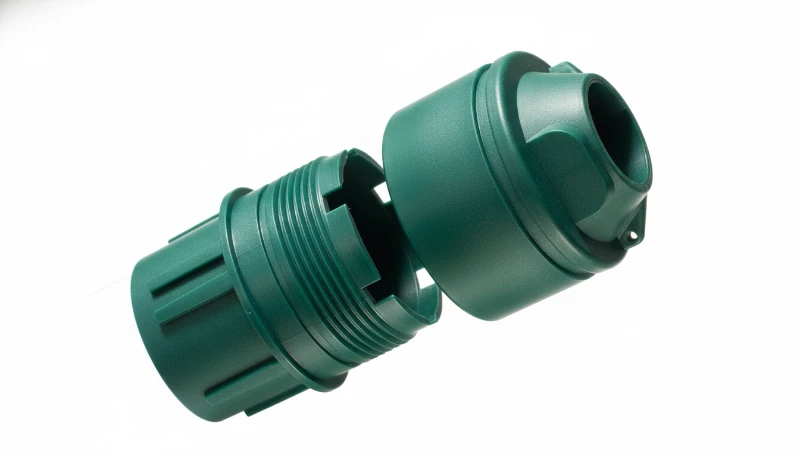
Che cos'è il PLA e perché viene utilizzato nello stampaggio a iniezione?
“Can PLA plastic be injection molded? should be evaluated through process stability, mold design, material behavior, and inspection evidence.”Vero
A reliable production decision needs more than a definition; it needs tooling, resin, process window, and quality-control context.
“A low unit price alone is enough to judge an injection molding project.”Falso
Tool life, scrap risk, dimensional drift, supplier response time, and validation records can outweigh a small quoted price difference.
PLA (Polylactic Acid) is a biodegradable thermoplastic derived from renewable plant resources like corn starch, and it is widely used in injection molding because it combines good mechanical properties with excellent compostability. PLA has high strength without curling, very low shrinkage (0.3%), and is an environmentally friendly material that is 100% degradable by composting, with excellent molding performance, stable thermoforming scale, good adhesion between layers, and good glossiness.
Il PLA ha una buona stabilità termica, una temperatura di lavorazione di 170-230℃, una buona resistenza ai solventi, può essere lavorato in molti modi, è facile da lavorare e ha un'applicazione molto ampia. Come l'estrusione e lo stampaggio a iniezione. I prodotti realizzati in PLA sono biodegradabili, oltre ad avere una buona biocompatibilità, lucentezza, trasparenza, sensazione al tatto e resistenza al calore.
What are the key material characteristics of PLA?
The key material characteristics of pla are the main categories or options explained in this section. The key characteristics of PLA include biodegradability from renewable resources, high tensile strength, low shrinkage, good gloss and transparency comparable to polystyrene, and the best antibacterial properties among biodegradable plastics. 1. PLA is a new type of biodegradable material made from starch plastic composites and raw materials from renewable plant resources (such as corn).
Il glucosio è ottenuto dalla glicazione delle materie prime amidacee, poi l'acido lattico di elevata purezza è prodotto dalla fermentazione del glucosio e di alcuni ceppi di batteri, infine il PLA di un certo peso molecolare è sintetizzato con il metodo della sintesi chimica.
Ha una buona biodegradabilità e può essere completamente degradato dai microrganismi in natura dopo l'uso, generando alla fine anidride carbonica e acqua senza inquinare l'ambiente, il che è molto vantaggioso per la protezione dell'ambiente ed è riconosciuto come un materiale ecologico.
Il metodo di trattamento delle plastiche comuni è ancora la combustione e la cremazione, che causano l'emissione di molti gas serra nell'aria, mentre la plastica PLA viene interrata nel terreno per essere degradata e l'anidride carbonica prodotta entra direttamente nella materia organica del terreno o viene assorbita dalle piante, senza essere scaricata nell'aria e senza causare l'effetto serra.
Quali proprietà del PLA influenzano lo stampaggio?
2. Buone proprietà meccaniche e fisiche. Il PLA è adatto a diversi metodi di lavorazione, come il soffiaggio, la termoplastica, ecc. È facile da lavorare e molto diffuso.
Può essere utilizzata per la lavorazione di vari prodotti in plastica, da quelli industriali a quelli civili, alimenti confezionati, lunch box per fast food, tessuti non tessuti e tessuti industriali e civili.
A sua volta, può essere trasformato in tessuti agricoli, tessuti per l'assistenza sanitaria, salviette, prodotti sanitari, tessuti per la protezione dai raggi UV all'aperto, tessuti per tende, tappetini, ecc. Le prospettive di mercato sono molto promettenti.
3. Buona compatibilità e degradabilità. Il PLA è anche ampiamente utilizzato nel campo della medicina, come apparecchi per infusione monouso, suture chirurgiche non rimovibili, ecc. e il PLA a basso contenuto molecolare è utilizzato come agente di confezionamento a lento rilascio di farmaci, ecc.
4. Oltre alle caratteristiche di base delle plastiche biodegradabili, il PLA ha anche caratteristiche uniche. La forza, la trasparenza e la resistenza ai cambiamenti climatici delle plastiche biodegradabili tradizionali non sono altrettanto buone di quelle delle plastiche ordinarie.
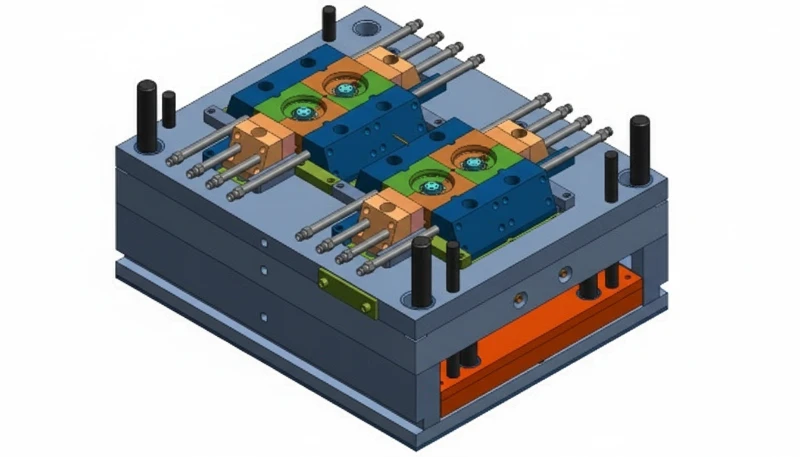
5. Il PLA ha proprietà di base simili a quelle delle plastiche sintetiche petrolchimiche, il che significa che può essere utilizzato in un'ampia gamma di applicazioni. Il PLA ha anche una buona lucentezza e trasparenza, paragonabile a quella dei film di polistirene, che non sono disponibili in altri prodotti biodegradabili.
6. Il PLA ha la migliore resistenza alla trazione e la migliore duttilità e può essere prodotto con una varietà di processi comuni.
For example, melt extrusion, injection molding, blow molding, foam molding, and vacuum molding have similar forming conditions to widely used polymers, and it has the same printing properties as conventional films.
Inoltre, presenta le stesse proprietà di stampa dei film convenzionali. In questo modo, il PLA può essere utilizzato in una varietà di applicazioni per soddisfare le esigenze di diversi settori.
7. Il film di PLA ha una buona permeabilità all'aria, all'ossigeno e all'anidride carbonica e ha anche la proprietà di isolare gli odori.
Virus e muffe si attaccano facilmente alla superficie delle plastiche biodegradabili, per cui esistono problemi di sicurezza e di salute; tuttavia, il PLA è l'unica plastica biodegradabile con eccellenti proprietà antibatteriche e antimuffa.
8. Quando si incenerisce il PLA, il suo potere calorifico è pari a quello dell'incenerimento della carta, ovvero la metà di quello dell'incenerimento delle plastiche tradizionali (come il polietilene), e l'incenerimento del PLA non rilascia gas tossici come composti dell'azoto e solfuri.
Il corpo umano contiene acido lattico anche in forma di monomero, il che indica la sicurezza di questo prodotto decomponibile.
What are the mold requirements for PLA injection molding?
PLA injection molding requires active water cooling in the mold, wall thickness kept below 4 mm, and mold temperatures controlled between 20–30°C. The mold must be equipped with a water chiller — for example, a 200g injection molding machine typically pairs with a 2kW chiller to maintain proper cooling.
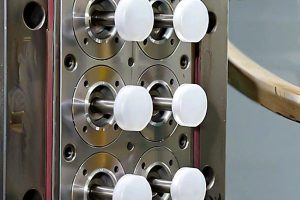
Poiché la velocità di iniezione dei prodotti a parete spessa è relativamente bassa rispetto a quella dei prodotti a parete sottile, lo stampo deve essere progettato in modo da controllare lo spessore dei prodotti al di sotto dei 4 mm; inoltre, l'anima, la cavità, le sagome anteriori e posteriori e i blocchi scorrevoli dello stampo devono essere raffreddati mediante il passaggio di acqua e la temperatura dello stampo deve essere controllata tra 20~30℃.
What drying conditions does PLA resin require before molding?
L'essiccazione del PLA è obbligatoria prima dello stampaggio perché l'umidità provoca perdita di viscosità e difetti superficiali. La resina dovrebbe raggiungere un contenuto di umidità di ≤0.025% (250 ppm) prima dello stampaggio a iniezione. Le tipiche condizioni di essiccazione sono temperatura dell'aria a 80°C, punto di rugiada di -40°C, portata d'aria >1.85 m3/h-kg, per 2-3 ore; o essiccazione sottovuoto a 80°C per 2-3 ore. Nella nostra esperienza, mantenere la tramoggia sigillata dopo l'essiccazione è importante tanto quanto raggiungere il valore iniziale di essiccazione.
Le condizioni tipiche di essiccazione sono: temperatura dell'aria 80°C, punto di rugiada dell'aria -40°C, portata d'aria >1,85m3/h-kg ed essiccazione per 2-3 ore; oppure temperatura dell'aria 80°C ed essiccazione sotto vuoto per 2-3 ore.
La resina essiccata non deve essere esposta all'aria e deve essere posta in sacchetti di alluminio riempiti di azoto, oltre a scatole o sacchetti per la protezione. La confezione deve essere mantenuta sigillata prima dell'uso e il materiale non utilizzato deve essere sigillato rapidamente dopo l'uso.
Se il materiale viene esposto all'aria per più di 1 ora, deve essere ri-essiccato come descritto sopra.
Si noti che nella produzione è necessario utilizzare una macchina di essiccazione e deumidificazione in linea per garantire che la resina PLA aggiunta alla tramoggia non assorba umidità durante il processo.
“Early DFM review for PLA parts reduces mold rework and production surprises.”Vero
Wall thickness, gate placement, draft angles, ejection strategy, cooling channel layout, and resin-specific shrinkage behavior are cheaper to adjust before steel is cut — and PLA’s low shrinkage and hygroscopic nature add extra DFM considerations.
“If a molded PLA part looks acceptable on the first shot, the process is automatically production-ready.”Falso
Production readiness requires repeatable cycles, documented moisture control, stable melt temperature, and clear dimensional acceptance criteria — especially for hygroscopic resins like PLA.
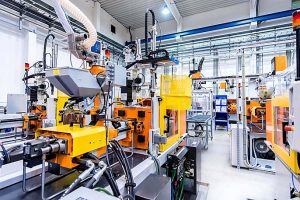
In our Shanghai factory, we run 47 injection molding machines (90T–1850T) and have experience processing over 400 plastic materials, including biodegradable resins like PLA. Drying, melt temperature control, and mold cooling are critical for PLA — our process engineers monitor these parameters on every biodegradable resin run.
What is the PLA injection molding process?
Il processo di stampaggio a iniezione del PLA è definito dalla funzione, dai vincoli e dai compromessi spiegati in questa sezione. Pulire la macchina per lo stampaggio a iniezione con polistirene o polipropilene a bassa viscosità è il primo passo del processo di stampaggio a iniezione prima di iniettare la resina PLA, quindi la macchina dovrebbe essere mantenuta a una temperatura di lavorazione costante.
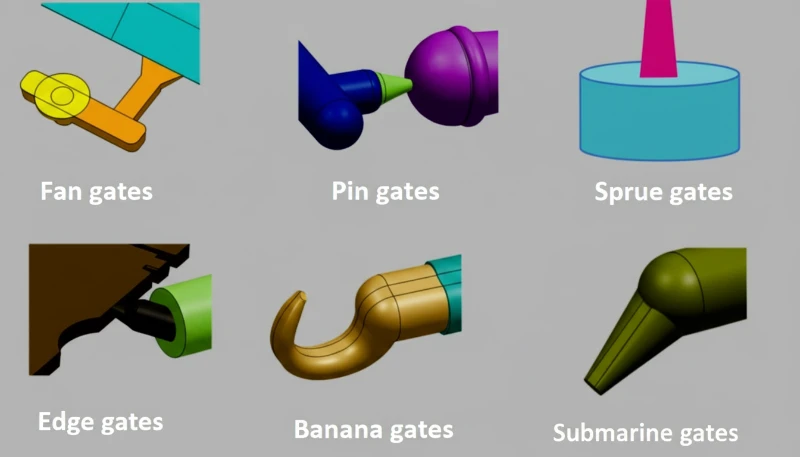
Assicurarsi che l'umidità dell'aria nella tramoggia di riempimento raggiunga un punto di rugiada inferiore a -40°C e che si eviti la contaminazione da polvere; nel rispetto delle condizioni di cui sopra, versare la resina PLA nella macchina per lo stampaggio a iniezione; infine, regolare la temperatura dell'apparecchiatura in base alla temperatura di lavorazione della resina PLA.
During the PLA injection molding process, if you need to stop the machine for a short time (usually within half an hour), make sure to seal the baffle plate at the bottom of the hopper first, and then empty the remaining material in the barrel to prevent the feeding throat from being blocked.
Quando si conferma la ripresa della produzione, aprire il deflettore solo per aggiungere materiale. Se durante la lavorazione si verificano scolorimenti e degradazioni del materiale, svuotare immediatamente il magazzino del barile, quindi aggiungere nuovo materiale e osservare lo stato del materiale per vedere se è tornato alla normalità.
Se è normale può continuare la produzione; se non è normale, effettuare la regolazione corrispondente. Quando è necessario spegnere la macchina dopo la produzione, utilizzare polistirolo o polipropilene ad alta viscosità per pulire la macchina.
Come si colloca il PLA rispetto alle altre plastiche convenzionali per quanto riguarda lo stampaggio a iniezione?
Il PLA è una plastica ricavata da risorse rinnovabili, come l'amido di mais. Il PLA è biodegradabile e rappresenta un'alternativa interessante alle plastiche tradizionali. Per lo stampaggio a iniezione, il PLA ha un punto di fusione più basso rispetto ad altre plastiche e può essere più fragile.
Pertanto, non è adatto a tutte le applicazioni. Tuttavia, il PLA può essere miscelato con altri materiali per migliorarne le proprietà.
For example, adding cellulose fibers can help increase the strength of the finished product. Overall, PLA is a promising injection molding material, but further research is needed to develop blends suitable for all applications.
Quali sono i vantaggi dell'utilizzo del PLA nei progetti di stampaggio a iniezione?
The benefits of using pla in injection molding projects are the main categories or options explained in this section. PLA is a biodegradable plastic derived from renewable resources, such as corn starch, and wood-plastic composites PLA has many advantages over traditional petroleum-based plastics, making it an attractive option for injection molding projects.
PLA can be compounded with biodegradable thermoplastic elastomeric materials to modify the physical properties of PLA without compromising its compostability.
Uno dei maggiori vantaggi dell'uso del PLA è che è più ecologico di altri tipi di plastica. Il PLA può essere compostato in impianti commerciali, il che significa che alla fine si decompone in sostanze naturali come acqua e anidride carbonica.
Al contrario, le plastiche a base di petrolio possono impiegare centinaia di anni per decomporsi. Il PLA è anche molto più sicuro da produrre rispetto ad altre plastiche. La produzione di PLA emette molti meno gas serra rispetto alla produzione di altre plastiche e non richiede l'uso di sostanze chimiche tossiche.
Pertanto, utilizzare il PLA può aiutare a ridurre l'impatto della vostra azienda sull'ambiente. Il programma di lancio dovrebbe comunque essere verificato rispetto ai tempi realistici di produzione dello stampaggio a iniezione, perché l'essiccazione, il raffreddamento e il lavoro di validazione possono compensare il beneficio del materiale se la pianificazione è troppo ottimistica. Infine, il PLA è più resistente e duraturo di molte altre plastiche polimeriche biodegradabili. Può essere utilizzato in un'ampia gamma di applicazioni, rendendolo un materiale versatile per i progetti di stampaggio a iniezione.
Come si può stabilire se il PLA è la plastica giusta per le esigenze del proprio progetto?
PLA is becoming a popular choice for eco-conscious consumers. However, PLA has some drawbacks that you should consider before choosing it for your next project. In contrast to the cooling process from a melt below the glass transition temperature to a lower temperature, PLA crystallization is a slower process.
PrimoIl PLA non è resistente come altre materie plastiche, quindi potrebbe non essere adatto a progetti che richiedono un alto grado di durata.
SecondoIl PLA può essere difficile da lavorare, quindi potrebbe non essere la scelta migliore per i principianti.
InfineIl PLA è più costoso di altre materie plastiche, quindi è necessario tenerne conto nel budget.
Se siete alla ricerca di un'opzione ecologica e relativamente facile da usare, il PLA può essere la plastica giusta per le vostre esigenze.
Tuttavia, se la resistenza e l'economicità sono le vostre priorità, potreste scegliere un altro tipo di plastica.
How is PLA recycled material handled in production?
Esistono due modi per riciclare e smaltire la resina PLA riciclata: uno è quello di frantumarla direttamente durante il processo di produzione e trasferirla nella tramoggia tramite caricamento automatico per essere miscelata con il nuovo materiale.
Questo metodo è consigliato agli utenti perché è più efficiente; l'altro metodo consiste nell'accumulare e immagazzinare, poi schiacciare e asciugare in modo uniforme e quindi mescolare con il nuovo materiale.
Nota: La condizione di essiccazione del materiale riciclato è diversa da quella del materiale nuovo, il tempo di permanenza deve essere esteso a 4-6 ore e la temperatura dell'aria deve scendere a 45℃.
Quali sono le applicazioni dei materiali PLA?
The applications of pla materials are the main categories or options explained in this section. Plastics have been widely used in agriculture, the plastics industry, construction, packaging, and other fields. In our daily life, we cannot live without a variety of plastic products. However, with the need for environmental sustainability, the plastic ban is gradually proposed and implemented.
Allo stesso tempo, le materie prime PLA hanno iniziato lentamente ad entrare nel mercato e vengono utilizzate sempre più diffusamente. Il PLA ha buone caratteristiche di biocompatibilità, degradabilità e bioassorbibilità ed è stato utilizzato nei materiali medici, nei prodotti per l'igiene, nell'agricoltura, nell'imballaggio, nei prodotti di consumo rapido e in altri campi.
Tra questi, gli imballaggi alimentari e le stoviglie monouso sono i mercati più grandi per la loro applicazione. Il basso consumo di monomeri plastici, la facilità di provocare inquinamento e la difficoltà di separarli in modo efficiente fanno sì che le plastiche biodegradabili possano sostituire le plastiche tradizionali in questi settori.
Cosa dovresti portarti a casa riguardo allo stampaggio a iniezione del PLA?
Il PLA è il materiale verde più promettente di questo secolo. Il PLA è un nuovo tipo di materiale biodegradabile ottenuto da materie prime amidacee proposte da risorse vegetali rinnovabili come il mais.
How to get satisfactory PLA products, injection mold factories about PLA material injection mold design, and PLA injection molding product production has put forward higher requirements.
Many injection molder factories have not been exposed to this material, if you have a PLA injection molding material-related project to do, you can seek the help of ZetarMold, we already have a wealth of experience in PLA material injection mold and plastic injection molding product production. See our stampaggio a iniezione for a comprehensive overview.
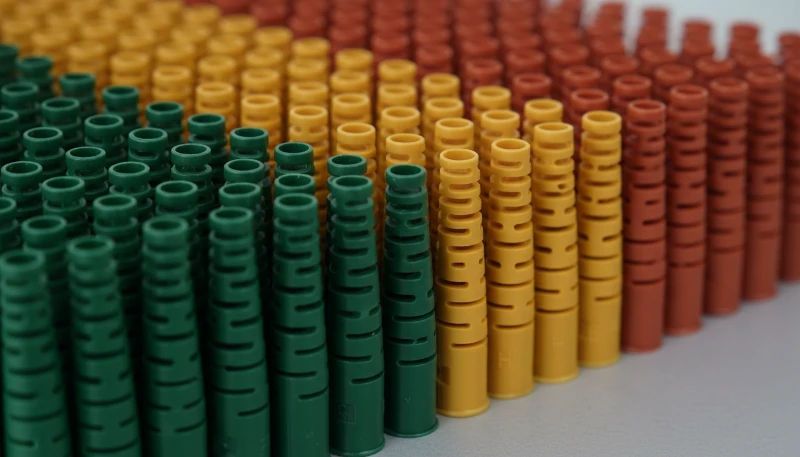
Quali FAQ sullo stampaggio a iniezione del PLA dovrebbero conoscere gli acquirenti?
Il PLA può essere stampato a iniezione su macchine standard?
Sì. Il PLA può essere lavorato su macchine standard per lo stampaggio a iniezione quando l'essiccazione, la temperatura, la vite e le condizioni di raffreddamento sono controllate attentamente. La macchina non deve essere speciale, ma la finestra di processo è più stretta rispetto a PP, PE o ABS. Mantenere la resina asciutta, evitare tempi di permanenza eccessivi e utilizzare un raffreddamento dello stampo stabile per prevenire fragilità, aloni di ritiro e deformazioni. Per la pianificazione della produzione, trattare il PLA come una resina sensibile che necessita di un'impostazione disciplinata piuttosto che di una plastica commodity plug-and-play. Una breve prova dovrebbe confermare aspetto, peso e dimensioni.
Quale temperatura è necessaria per lo stampaggio a iniezione in PLA?
Il PLA di solito necessita di temperature del cilindro intorno a 170-230°C e temperature dello stampo intorno a 20-30°C. L'impostazione esatta dipende dalla qualità della resina, dallo spessore della parete del pezzo, dalla dimensione della boccola e dal tempo di permanenza nel cilindro. Evitare di spingere il fuso sopra i 240°C perché il PLA può degradarsi rapidamente e perdere resistenza meccanica. Un profilo di temperatura stabile è più importante di un'impostazione aggressiva ad alta temperatura. Iniziare in modo conservativo, confermare il bilanciamento del riempimento, quindi regolare in base all'aspetto, al peso e alla stabilità dimensionale del pezzo. Registrare la finestra finale per la produzione ripetuta.
Il PLA richiede essiccazione prima dello stampaggio a iniezione?
Sì. Il PLA dovrebbe essere essiccato prima dello stampaggio a iniezione perché l'umidità riduce rapidamente la viscosità del fuso e indebolisce i pezzi finiti. Un obiettivo pratico è ≤0,0251% di umidità, spesso raggiunto con essiccazione a 80°C per 2-3 ore o un ciclo controllato di essiccazione sottovuoto. Durante la produzione, la tramoggia dovrebbe rimanere sigillata o collegata a un essiccatore deumidificante in linea. Il PLA umido crea comunemente bolle, striature superficiali, linee di saldatura deboli e dimensioni inconsistenti, quindi il controllo dell'essiccazione è uno dei primi controlli prima di risolvere i problemi dello stampo.
Quali sono le principali sfide dello stampaggio a iniezione in PLA?
Le principali sfide sono la sensibilità all'umidità, una finestra di temperatura ristretta, una resistenza al calore relativamente bassa e la fragilità rispetto alle plastiche tecniche. Il PLA può degradarsi se le temperature della canna sono troppo alte o il tempo di permanenza è troppo lungo, ma può anche riempire male se il fuso è troppo freddo. Il raffreddamento dello stampo deve essere bilanciato perché un raffreddamento irregolare aumenta il rischio di deformazione. Secondo la nostra esperienza, la maggior parte dei problemi di stampaggio del PLA deriva da una scarsa disciplina di essiccazione, una temperatura del fuso instabile o un raffreddamento dello stampo progettato per una resina meno sensibile.
Come si confronta il PLA con l'ABS per lo stampaggio a iniezione?
Il PLA è migliore dell'ABS quando il progetto valorizza l'approvvigionamento rinnovabile, la biodegradabilità, il basso ritiro e una temperatura di lavorazione più bassa. L'ABS è solitamente migliore quando il progetto richiede tenacità, resistenza agli urti, resistenza al calore e prestazioni strutturali durevoli. Il PLA viene comunemente lavorato intorno a 170-230°C, mentre l'ABS spesso necessita di temperature del fuso più elevate e offre una finestra di durabilità nel mondo reale più ampia. Scegli il PLA per imballaggi ecologici, articoli monouso e applicazioni a basso calore; scegli l'ABS per custodie, componenti automobilistici e parti esposte a carico o calore.
Quale spessore della parete è consigliato per lo stampaggio a iniezione in PLA?
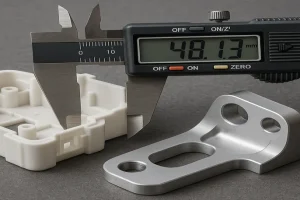
I pezzi stampati a iniezione in PLA dovrebbero mantenere uno spessore della parete inferiore a 4 mm, con un intervallo ideale da 1,5 mm a 3 mm per un riempimento e raffreddamento uniforme della cavità. Sezioni più spesse di 4 mm rischiano aloni di ritiro, vuoti interni e tempi di ciclo prolungati a causa del tasso di cristallizzazione relativamente lento del PLA. Mantenere uno spessore della parete uniforme con transizioni graduali tra sezioni sottili e spesse riduce significativamente il rischio di deformazione. I progettisti dovrebbero anche incorporare canali di raffreddamento ad acqua attivi nello stampo per garantire una qualità costante del pezzo e stabilità dimensionale tra i lotti di produzione.
Come può ZetarMold supportare il tuo progetto di stampaggio a iniezione in PLA?
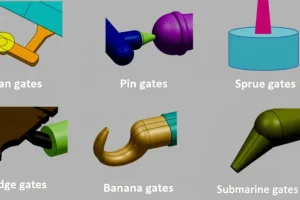
ZetarMold può supportare i progetti in PLA rivedendo la selezione della resina, le condizioni di essiccazione, il raffreddamento dello stampo, il layout delle boccole, lo spessore della parete e il volume di produzione previsto prima dell'inizio della costruzione dello stampo. Il nostro team verifica se il PLA è adatto all'ambiente del pezzo, o se PP, ABS, PET o un'altra resina ridurrebbero il rischio. Per i lavori in PLA, le decisioni iniziali più importanti sono il controllo dell'umidità, la temperatura del fuso, il raffreddamento dello stampo e la geometria del pezzo. Questa revisione iniziale aiuta a evitare pezzi deboli, cicli instabili e modifiche allo stampo dopo il campionamento. Possiamo anche validare l'impostazione durante il campionamento.
-
injection molding: Lo stampaggio a iniezione è un processo produttivo che scioglie la plastica, la inietta in una cavità dello stampo, raffredda il pezzo e ripete il ciclo per una produzione stabile su grandi volumi. ↩
-
injection mold design: La progettazione dello stampo per iniezione è un processo di ingegneria degli stampi che definisce il layout delle boccole, il raffreddamento, l'espulsione, la finitura superficiale e la ripetibilità per un pezzo stampato. ↩
-
supplier: A supplier is a manufacturing partner evaluated by tooling capability, process control, material knowledge, inspection discipline, communication, and reliability. ↩




 EN
EN  ES
ES  FR
FR  DE
DE  PT
PT  AR
AR  RU
RU  JA
JA  KO
KO  IT
IT  NL
NL  TR
TR  PL
PL 