Choosing an injection molding supplier is a high-stakes decision. A single quality failure—a dimensional drift on a critical housing, contamination in a medical component, or surface defects on a consumer-visible part—can disrupt production and create avoidable scrap. Yet buyers who focus only on price and lead time can miss the quality assurance questions that separate controlled processes from vague promises. More than 20 years of hands-on production experience has shown our author how recurring injection molding supplier quality failures develop.
This article lays out the specific quality assurance questions you should ask any supplier before signing a contract—questions about certifications, incoming material control, in-process inspection, final inspection, tooling quality, traceability, and documentation.
Every question here is one we would want a buyer to ask us, because the answers reveal whether a supplier’s quality system is real or just a certificate on the wall.
- Ask about ISO certifications—but verify scope and actual audit results, not just the certificate
- Demand details on IQC procedures: material certificates, moisture checks, and lot traceability
- Verify in-process inspection methods: SPC, first article inspection, and cavity-specific monitoring
- Confirm FQC and OQC protocols including AQL sampling plans and dimensional reports
- Require documented tooling maintenance schedules and mold history records
What Quality Certifications Should an Injection Molding Supplier Have?
Begin with ISO 90011, but read the certificate rather than relying on its logo. A quality management system certificate records the holder, standard, scope, validity period, and certification status at the time of issue. It does not by itself prove that the scope covers your required manufacturing process or that every documented procedure is followed on every shift.
When evaluating an injection molding supplier’s certifications, ask these follow-up questions: Does the certificate name the legal entity you will contract with? Does its scope cover the products, services, or quality activities relevant to your order? Is it current? For a regulated project, ask which additional standard and customer-specific requirements apply, then verify them against the certificate and the supplier’s project documents.
Where the supplier can share them, recent audit findings and corrective-action records add operational evidence beyond the certificate itself. Repeated or unresolved findings deserve follow-up before supplier approval.
Automotive and Medical Certification Scopes
For automotive or medical work, do not infer capability from the name of a standard alone. Check the exact scope, the legal certificate holder, the current validity dates, and the controls that apply to your part. An ISO 13485 certificate, for example, should be read together with its stated medical-device activities; an automotive buyer should separately verify any claimed IATF 16949 status and customer-specific requirements.
"ISO 9001 certification guarantees that an injection molding supplier follows quality procedures every day."False
False. The certificate identifies an audited management system and its scope, but it does not guarantee daily execution. Verify the scope, validity, audit evidence, and project-level process records.
"A supplier can choose an outgoing sampling plan without buyer agreement."False
False. The purchase specification should define the sampling standard, inspection level, lot treatment, and acceptance criteria appropriate to the product risk.
Zetar Industry Co., Limited holds current certificates for ISO 9001, ISO 13485, ISO 14001, and ISO 45001. Their recorded scopes differ, so buyers should review each certificate's exact scope and validity instead of treating the four labels as one blanket manufacturing approval.
How Do Suppliers Control Incoming Material Quality?
Incoming material verification is the first quality gate. The receiving plan should identify each resin lot, retain the agreed supplier documents, and define any material-specific tests before release to production. Incoming Quality Control—IQC—is where the supplier confirms that the delivered grade and lot match the purchase specification. Ask whether the supplier requires certificates of analysis (CoAs) for specified resins and how each certificate is linked to the material lot.
Ask which characteristics are checked at receiving and when independent testing—such as moisture, melt-flow, mechanical-property, or contamination testing—is required. The answer should follow the material specification and project risk, not a one-size-fits-all checklist.
What happens when incoming material fails inspection? The answer should be straightforward: the lot is quarantined, the resin supplier is notified, and the material is returned or disposed of. If a supplier says they “use it anyway with adjustments,” that is a serious warning sign. Material adulteration—mixing regrind percentages higher than specified, substituting grades—is one of the most common quality problems in contract molding. Do they perform moisture content testing on hygroscopic materials before processing? Materials like nylon, polycarbonate, and PET absorb moisture rapidly. If resin is not properly dried before molding, you get splay marks, reduced mechanical properties, and dimensional instability.
A supplier should define drying and moisture-verification requirements for hygroscopic materials before molding. The correct limits and method depend on the resin grade and the material supplier’s processing specification.
Material Integrity and Nonconforming Lots
When incoming material fails inspection, the lot should be identified and segregated while the supplier follows a documented disposition process. Any proposed use-as-is decision, regrind percentage, or grade substitution must remain within the agreed specification or receive written customer approval. Ask to see how a nonconforming lot is blocked from accidental use and how its final disposition is recorded.
Moisture Testing and Material Verification
Materials such as nylon, polycarbonate, and PET can absorb moisture, so their receiving, storage, drying, and pre-process verification must follow the selected grade’s specification. ZetarMold’s published capability data covers more than 400 material types; the relevant question for a buyer is whether the supplier can show the material-specific control plan for the exact grade on the order. See the injection mold guide for the broader tooling context.

ZetarMold's published capability data lists 400+ material types. For a specific project, ask for the receiving, traceability, drying, and release controls that apply to the selected grade rather than assuming one procedure fits the entire material range.
What In-Process Quality Checks Should You Expect During Production?
In-process inspection is where a supplier either catches problems early or discovers them only after producing thousands of defective parts. The questions here separate proactive manufacturers from reactive ones. Does the supplier perform first article inspection (FAI) before full production begins? First article inspection means measuring the first shots off the tool against the drawing specifications before the operator starts the production run. This catches tooling issues, machine setup errors, and material problems when the cost of correction is minimal. Do they use Statistical Process Control (spc2) on critical dimensions? SPC involves plotting measurement data on control charts and acting when trends drift toward specification limits—before parts actually go out of tolerance.
Every production run at a well-controlled supplier begins with first article inspection—measuring the first shots against drawing specifications before the operator starts the run.
Statistical Process Control involves plotting measurement data on control charts and acting when trends drift toward specification limits—before parts actually go out of tolerance. This approach is far more effective than relying solely on end-of-line pass/fail inspection, which catches defects after they have already occurred across an entire production batch. This proactive approach to process monitoring is a hallmark of suppliers who take quality seriously rather than treating inspection as an afterthought. Control charts for critical dimensions should be reviewed at the start of each shift and whenever a process parameter change occurs. Documented SPC records should be available for review during any supplier audit.
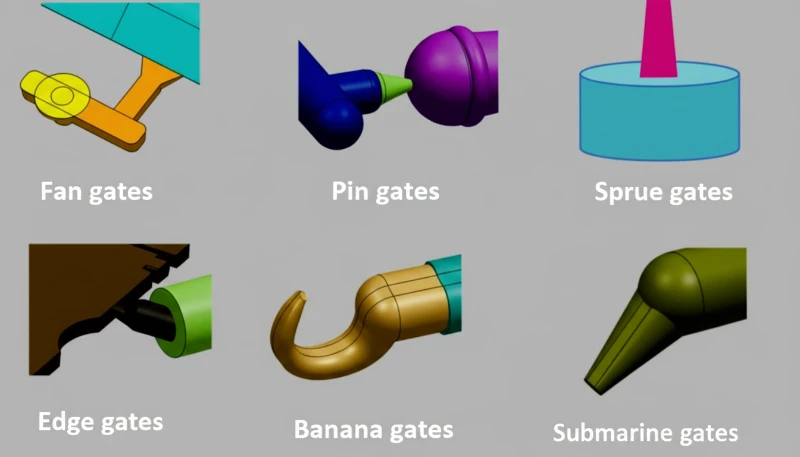
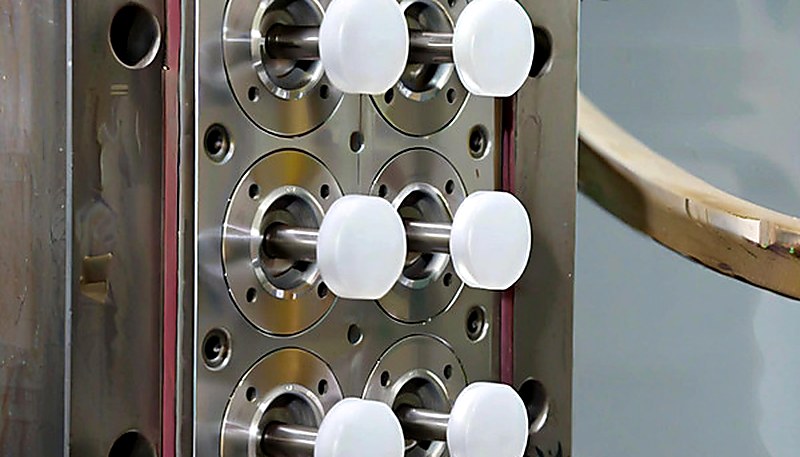
Suppliers who rely solely on go/no-go gauges at the end of the run are not controlling the process; they are sorting the results. How frequently are parts inspected during the run? Best practice for precision molding is inspection at regular intervals—every hour, every 100 shots, or at defined gate points in the process. Ask the supplier for their inspection frequency and whether they adjust it based on process capability data. For multi-cavity molds, do they monitor cavity-to-cavity variation separately? In a 4-cavity or 8-cavity mold, each cavity can produce slightly different parts due to flow balance, cooling, and tooling wear. A supplier who only measures one cavity per cycle may miss systematic variation in the others.
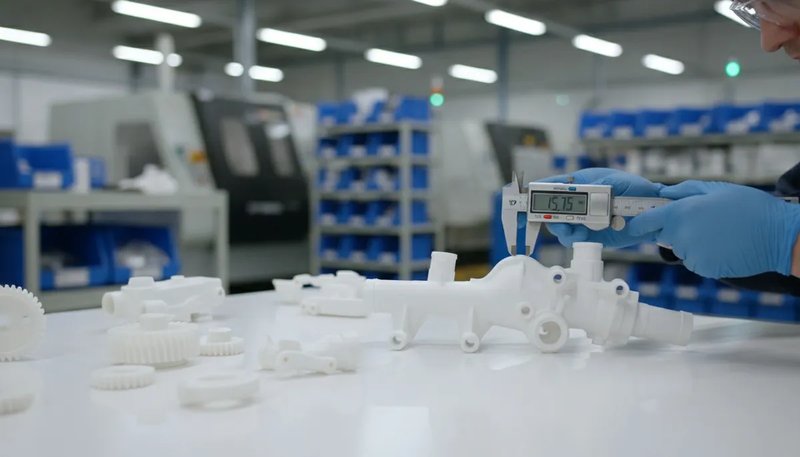
When evaluating a supplier, ask specifically how often they perform in-process dimensional checks and whether they use calibrated instruments with current calibration certificates for these measurements. The frequency of inspection tells you as much about the quality system as the methods used.
For multi-cavity molds, each cavity can produce slightly different parts due to flow balance, cooling variations, and tooling wear patterns. A supplier who only measures one cavity per cycle may miss systematic variation in the others, leading to inconsistent quality across the production lot.
How Do Suppliers Detect Defects in Final Inspection and Outgoing Quality Control?
Final Quality Control (FQC) and Outgoing Quality Control (OQC) are the last inspection stages before parts leave the factory. Weak controls allow defects to travel farther downstream, where containment and correction become more disruptive. Ask which acceptance-sampling standard the supplier uses, such as ANSI/ASQ Z1.43 for attributes, and confirm the inspection level and acceptance criteria in the purchase specification. The appropriate AQL values depend on defect severity, product risk, regulatory requirements, and the agreement between buyer and supplier. Also ask whether each shipment includes the required dimensional inspection report.
A proper outgoing inspection report should include actual measured values for critical dimensions, not just a pass/fail stamp. If you are paying for precision molding, you should receive data proving the parts meet specification. What happens when an OQC lot fails? The correct answer is: the lot is quarantined, a root cause analysis is performed, corrective actions are documented, and parts are either reworked or scrapped. If the supplier says they “re-inspect and ship the good ones,” they are sorting, not controlling quality—and you will see recurring problems.
"Mold flow analysis before tooling construction can prevent expensive modifications later."True
True. Mold flow simulation predicts fill patterns, weld lines, air traps, and shrinkage before steel is cut, allowing design optimization that prevents costly tooling changes.
"If a supplier has ISO certification, you do not need to conduct a facility audit."False
False. Walking the production floor reveals whether documented procedures are actually followed. Look for calibrated equipment, organized workstations, and labeled materials—not just certificates on the wall.
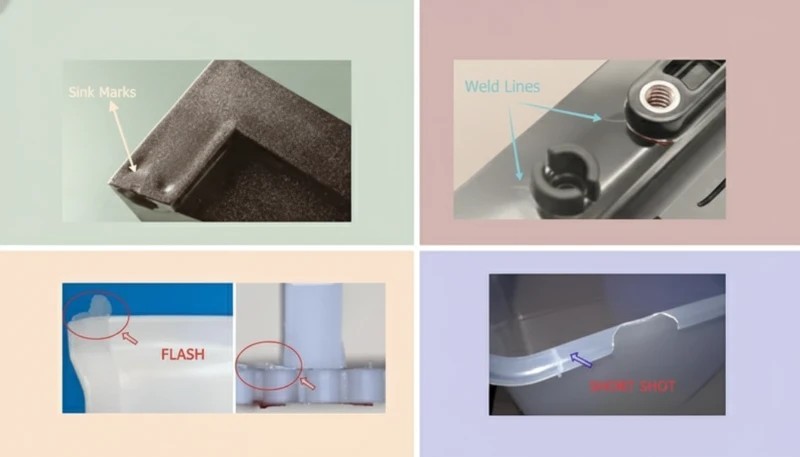
When qualifying ZetarMold for a project, ask the quality contact to show a recent, redacted outgoing inspection package that matches the proposed control plan. The evidence should identify the lot, measured characteristics, sampling basis, disposition, and approval.
What Tooling Quality Assurance Questions Matter Most?
The quality of the mold determines the quality of every part it produces. A mold built to loose tolerances, with poor cooling channel design or inadequate venting, will produce defective parts no matter how good the molding machine or the operator. Here are the tooling questions that matter. Does the supplier have in-house tooling capability, or do they outsource molds to a third party? In-house tooling means the supplier can maintain, repair, and optimize the mold without waiting for an external vendor. It also means they control the entire quality chain from tool steel selection to final mold qualification. Ask about mold maintenance schedules. Every mold wears over time—ejector pins develop play, cavity surfaces degrade, cooling channels accumulate scale.
A supplier who cannot show a preventive-maintenance plan is not demonstrating how wear will be controlled over the tool’s intended life. Ask which steel grades and heat treatments are specified for the mold base, cavities, cores, and wear components, and require the choices to match the resin, surface finish, geometry, volume, and maintenance plan. Do they perform mold-flow analysis before cutting steel where the part risk warrants it? Simulation can identify likely fill patterns, weld-line locations, air traps, and shrinkage early enough to change the design before machining.
How Can You Verify a Supplier’s Quality Track Record?
A practical method is to request recent reject-rate trends, complaint trends, and corrective-action records for a defined period. Certifications and procedures do not prove performance by themselves. A supplier may need to redact customer-confidential information, but should still be able to explain its metrics, definitions, and trend. Compare results against the requirements for your product and process rather than applying a single cross-industry benchmark.
Ask for references from customers in your industry. A supplier who specializes in automotive parts may struggle with medical device requirements, and vice versa. Industry-specific experience means the supplier already understands the regulatory requirements, documentation standards, and quality expectations that apply to your parts. Conduct a facility audit—or hire a third-party auditor. Walking the production floor tells you more than any certificate. Look for organized workstations, labeled material bins, calibrated measurement equipment with current calibration stickers, and clean molding machines. If the floor is chaotic, material identification is inconsistent, and measurement tools lack calibration records, the quality system exists on paper but not in practice. Review their corrective action process.
Ask for a redacted example of a recent quality issue, how the root cause was investigated, which corrective actions were implemented, and how effectiveness was verified. If the supplier cannot demonstrate that chain, the buyer lacks evidence that the corrective-action process works in practice.
What Corrective Action and Continuous Improvement Practices Should a Supplier Demonstrate?
Beyond an individual corrective action, ask how the supplier reviews recurring defects, audit findings, customer complaints, process-capability trends, and overdue actions. The review should identify patterns across projects and assign preventive or systemic improvements with named owners and effectiveness checks.
Ask for an example that connects containment, root-cause analysis, corrective action, responsibility, due date, and effectiveness review. The record should make clear which action changed the process and how recurrence was checked.
What Documentation Should a Quality Supplier Provide?
Documentation is the backbone of traceability. Without proper records, you cannot reliably trace a quality problem to its source or demonstrate compliance to customers and regulators. Material traceability records should connect each applicable production lot to the resin lot and required supplier documentation. The required depth depends on the product, contract, regulation, and customer requirements. Inspection records should capture the dimensional, visual, and functional results defined by the control plan.
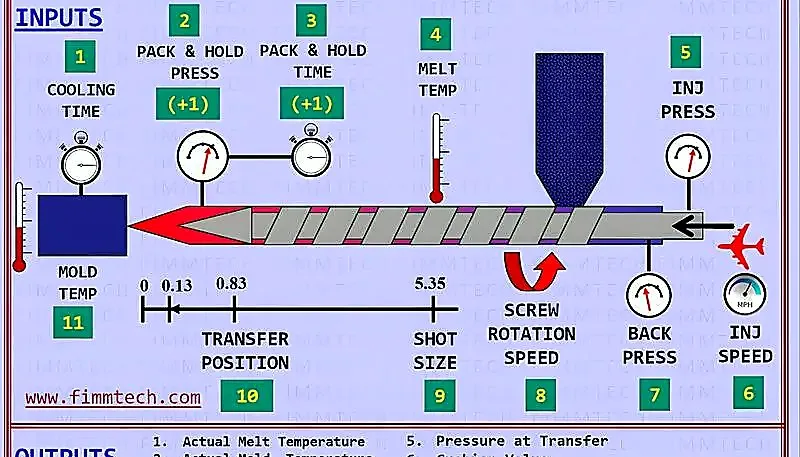
These records should be retained for the period defined by the contract, applicable regulation, customer requirements, and the supplier’s controlled procedure. Process parameter records: The control plan should identify which molding parameters—such as injection pressure, hold pressure, melt temperature, mold temperature, and cycle time—must be recorded and reviewed for each run. Certificates of conformance with each required shipment: A CoC should reference the purchase order, part number, lot quantity, applicable specifications, and the supplier’s conformity declaration. Combined with the agreed inspection data, it creates a traceable quality record for the delivery.
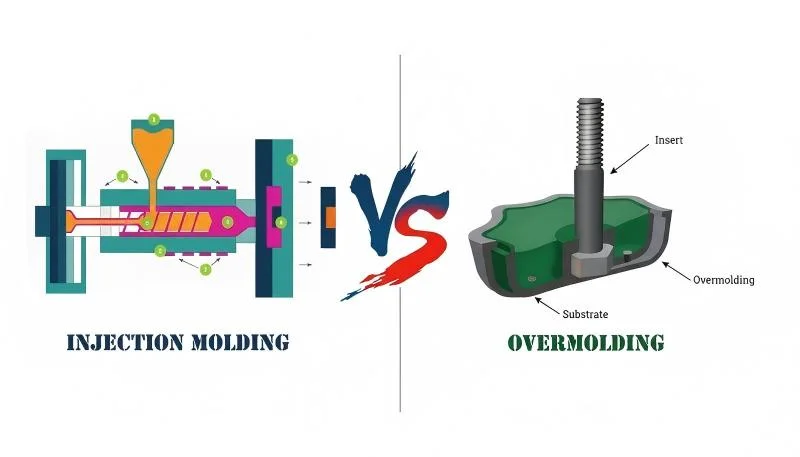
When sourcing from an injection molding supplier, agreeing on this documentation before tooling reduces ambiguity, supports incoming inspection, and creates a stronger evidence trail for later investigations.
Frequently Asked Questions
What are the most important quality questions to ask an injection molding supplier?
Focus on five areas: certifications and their scope, incoming material verification (IQC), in-process inspection methods including SPC, final and outgoing inspection protocols with defined AQL levels, and documentation for full traceability. A supplier who can answer specifically in all five areas has a quality system that extends beyond paper. Ask each question with follow-ups—do not accept vague assurances. The depth and specificity of the answers tell you more about the supplier’s quality culture than any certificate displayed in the lobby.
How do I verify that a supplier actually follows their documented quality procedures?
Request recent external audit reports, ask for their reject rate and customer complaint data for the past 12 months, and conduct a facility audit or hire a third-party auditor. Walking the production floor reveals whether calibrated measurement equipment, organized material storage, and documented processes match what the certificates claim. Pay close attention to whether the quality team has real authority to halt production—if only the production manager can stop a run, the quality system is advisory, not operational. This single question about stop-work authority tells you more about quality culture than any certificate.
What AQL level should I require from an injection molding supplier?
There is no universal AQL set for every molded part. Define defect classes, inspection level, sampling standard, acceptance criteria, and lot disposition from the product risk and customer or regulatory requirements. The supplier should be able to explain the agreed plan and show the required inspection records for each applicable lot.
Is in-house tooling capability important for quality assurance?
It can be valuable because design, construction, maintenance, repair, and molding feedback remain within one operating chain. Outsourced tooling can also work, but the supplier must show clear ownership, revision control, maintenance responsibility, and response times across the external boundary. Evaluate the control system and evidence, not the ownership label alone.
What documentation should I receive with each shipment from a molding supplier?
Expect the documents required by the purchase specification, which may include a certificate of conformance, dimensional results for critical characteristics, material traceability records, and process-parameter records. Set the retention period from the applicable regulation, customer requirement, contract, and product life rather than using a generic number. Without an agreed documentation package, investigating a later quality issue becomes slower and less reliable.
How important is first article inspection in injection molding?
First article inspection verifies selected characteristics on initial parts before the supplier releases full production. Define the triggers in the control plan—for example, a new tool, a significant repair, a setup transfer, or a material or process change—according to project risk. The inspection should occur early enough to contain setup or tooling errors before the production lot proceeds.
What role does SPC play in injection molding quality?
Statistical Process Control monitors critical dimensions in real time using control charts, allowing the supplier to detect process drift before parts actually go out of tolerance. This is significantly more effective than relying solely on end-of-line pass/fail inspection, which only catches defects after they have already occurred across an entire production batch. SPC data also provides the statistical basis for process capability indices like Cpk and Ppk, which quantify how consistently a manufacturing process produces parts within specification limits over time.
How Can You Ensure Long-Term Quality Success with Your Injection Molding Supplier?
The quality assurance questions in this article are not theoretical. They are the questions that separate suppliers who catch problems early from those who ship defects and explain them later. Certifications matter, but only if the scope covers your processes and the supplier actually follows their documented procedures. IQC, in-process inspection, FQC, and OQC each serve a distinct purpose in the quality chain—and a gap in any one of them means defective parts can reach your production line.
ZetarMold’s published facts include more than 400 material types, eight expert mold engineers, and current ISO 9001, ISO 13485, ISO 14001, and ISO 45001 certificates with distinct scopes. Those facts are a starting point, not a substitute for project evidence. Get a free quote and ask us to provide the certificate scopes, control plan, traceability method, inspection records, and tooling ownership relevant to your part.
For a ZetarMold project, ask who owns the mold design, revision record, preventive-maintenance plan, repair approval, and post-maintenance verification. Named ownership and reviewable records provide stronger project evidence than a headline capacity figure.
ISO 9001: ISO 9001 is the international standard for quality management systems and their requirements. ↩
SPC: Statistical Process Control uses process data and statistical methods to monitor variation and identify changes that require investigation. ↩
ANSI/ASQ Z1.4: ANSI/ASQ Z1.4 defines sampling procedures and tables for inspection by attributes. ↩