 Skip to content
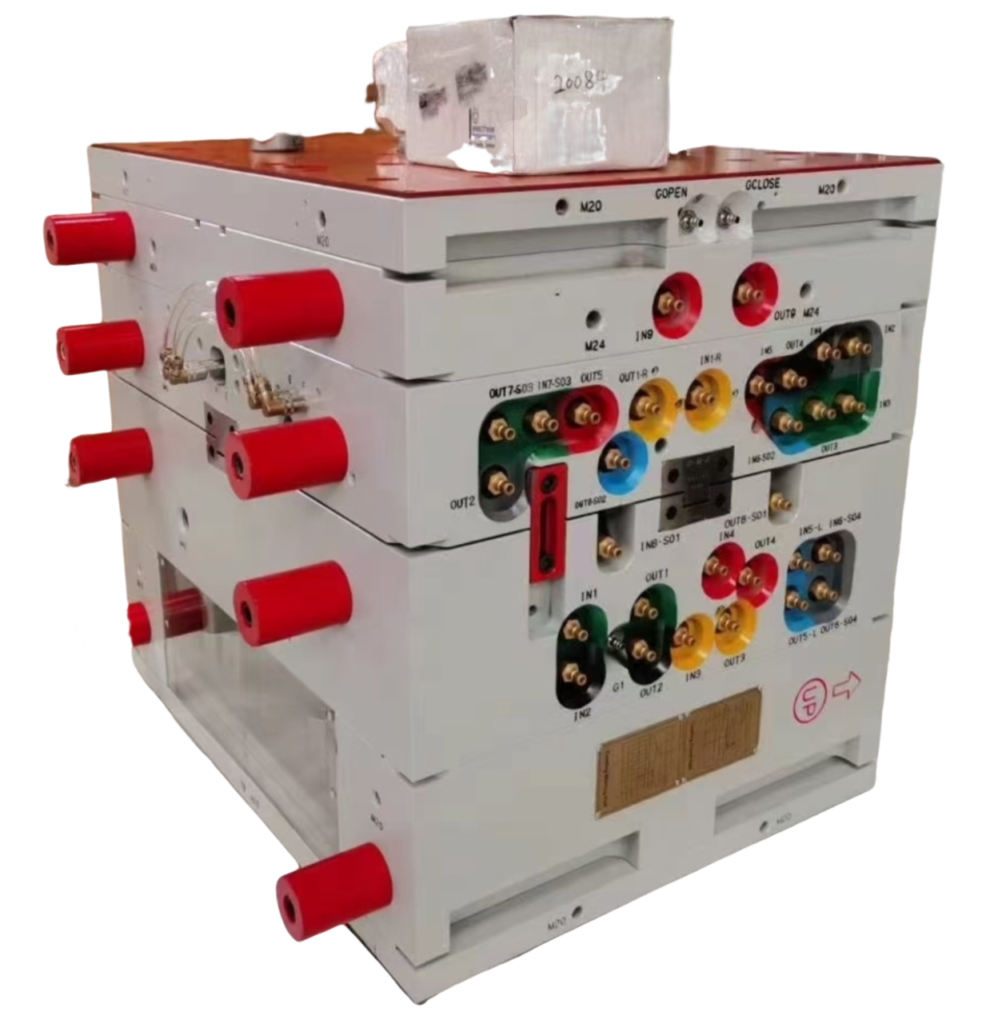
Injection molding is a manufacturing process that produces parts from thermoplastic and thermoset polymers.
Plastic Injection molding is used to make a wide variety of products, from small individual parts to large, complex assemblies. The custom plastic injection molding process is versatile, but it is also prone to defects.
The phenomena and solutions of various defects in injection molding refer to the phenomena of cracking, underfilling, wrinkling and pockmarking, shrinkage pits and overflowing edges of plastic products in injection molding, and the corresponding solutions.

In this blog post, we analyze the causes of common injection molding defects in plastic molded components according to the plastic molding process and propose a method to solve molding defects based on the injection molding processes.
Cracking
Cracking is a more common defect in plastic products, the main reason is due to stress deformation. There are mainly residual stress, external stress, and stress deformation caused by the external environment.
A. Cracking caused by residual stress
Residual stress is mainly caused by the following three cases, i.e. overfilling, mold release, and metal inlay.
As the cracking in the case of overfilling, the solution can be mainly in the following aspects.
(1) Since the pressure loss in the straight gate is the smallest, if the cracking is mainly generated near the straight gate, consider using multi-point distribution point gates, side gates, and shank gates.
(2) Under the premise of ensuring the resin does not decompose and deteriorate, properly increasing the resin temperature can reduce the melt viscosity, improve the fluidity, and reduce the injection pressure to reduce the stress.
(3) In general, when the mold temperature is low, it is easy to produce stress, and the temperature should be increased appropriately. However, when the injection speed is high, even if the mold temperature is lower, it can also reduce the generation of stress.
(4) Long injection and holding time will also generate stress, and it is better to shorten it appropriately or carry out Th time holding pressure switching.

(5) Non-crystalline resins, such as AS resin, ABS resin, PMMA resin, etc. are more likely to produce residual stress than crystalline resins such as polyethylene, polyformaldehyde, etc., and should be noted.
When the mold is released and pushed out, due to the small release slope, mold type rubber, and convex mold roughness, the push-out force is too large, resulting in stress, and sometimes even in the push-out of the rod around the phenomenon of whitening or rupture. The cause can be determined by carefully observing the the lock cracking location.
B. Cracking caused by external stress
The external stress here is mainly caused by unreasonable design and stress concentration, especially at the sharp corners that need more attention.
C. External environment caused by cracking
Chemicals, water degradation caused by moisture absorption, and excessive use of recycled materials can cause physical deterioration and crack.

Underfiling
The main reasons for underfilling are as follows:
(1) Low temperature of the material barrel, nozzle, and mold
(2) Insufficient filling quantity
(3) Too much leftover material in the barrel
(4) Injection pressure is too small
(5) Injection speed is too slow
(6) The size of the runner and gate is too small, the number of the gates is not enough, the position of the cutting gate is not proper
(7) Bad cavity exhaust
(8) Injection time is too short
(9) Blocking of the pouring system
(10) The flowability of plastic is too poor

As improvement measures, we can mainly start from the following aspects:
(1) Increase the injection time to prevent the molding cycle from being too short, causing the resin to flow backward before the gate cures and making it difficult to fill the mold cavity.
(2) Increase the injection speed
(3) Increase the mold temperature
(4) Increase the resin temperature
(5) Increase the injection pressure
(6) Enlarge the gate size. Generally, the height of the gate should be equal to 1/2 to 1/3 of the wall thickness of the product.
(7) Set the gate at the maximum wall thickness of the product
(8) Set the exhaust slot (average depth 0.03mm, width 3~5mm) or exhaust rod. This is more important for smaller workpieces.
(9) Leave a certain (about SMM) buffer distance between the screw and the injection nozzle
(10) Use low viscosity grade material
(11) Add lubricant

Sticky mold
In the production process of injection molding, sticky mold conditions can be said to occur frequently, this problem is relatively troublesome to solve.
Once this happens, it not only requires a lot of manpower and material resources to take the product out of the mold but also affects the normal production efficiency, which invariably increases the cost.
Generally, for the sticky mold problem, mainly take the method of prevention in advance to prevent the occurrence of sticky mold.
General sticky mold cause analysis
(1) Poor polishing, for example, sticky front mold is largely due to the back mold polishing than the front mold polishing good, mold trial mold in the production process directly sticky in the front mold.
(2) Unreasonable design of the release slope, theoretically the release slope of the front mold is larger than the back mold, the release slope may also lead to the product sticky front mold if put in reverse.
(3) When the mold is opened, there is a vacuum, and the product is directly sucked in the front or back mold, and cannot be released normally, which is more common for shell and box products.
(4) The mold temperature is too low when the mold starts to operate, and the clamping force of the product on the mold is too large.

According to the reasons, we can give good preventive measures to prevent the occurrence of the problem of sticky mold, the main preventive measures are as follows:
(1) Re-polish the inner film of the mold to prevent the sticky mold caused by the polishing problem.
(2) For products with more sticky mold in the back mold, increase the slope of the mold release, but it depends on the processing of the product.
(3) If there is a vacuum in the front mold when the mold is opened, the front mold should be exhausted to eliminate the effect of the vacuum.
(4) If the product structure requires the mold temperature, we should increase the mold temperature when we start the mold trial to reduce the impact of the mold being too low at the beginning on the product package best effort.

Shrinkage pit
The main reasons for the shrinkage of the product pit are as follows:
(1)Insufficient amount of material added
(2)The material temperature is too high
(3)The difference between the wall thickness of the product and the wall thickness is too large
(4)Injection and pressure-holding time is too short
(5)Injection pressure is too small
(6)Injection speed is too fast
(7)Inappropriate gate position
As improvement measures, the main aspects can be started from the following:
The cause of shrinkage pit is also the same as underfilling, in principle, it can be solved by overfilling, but there is a risk of stress, attention should be paid to uniform wall thickness in the design, and the wall thickness of reinforcing ribs, convex columns and other places should be reduced as much as possible.

Overflow edge
The main reasons for the overflow of the product are as follows:
(1) Barrel, nozzle, and mold temperature is too high
(2) Injection pressure is too large, clamping force is too small
(3) Mold fit is not tight, there are debris or template has been deformed
(4) Poor cavity exhaust
(5) Plastic flow is too good
(6) The amount of material added is too large
For the overflow side of the treatment, the focus should be mainly on the improvement of the mold
And in the molding conditions, it can start in reducing the liquidity. Specifically, the following methods can be used.
(1) Reduce the injection pressure
(2) Reduce the resin temperature
(3) The use of high viscosity grade materials
(4) Lowering the mold temperature
(5) Grind the mold surface where the overflow occurs
(6) Use harder mold steel
(7) Improve the clamping force
(8) Adjust the exact mold bonding surface and other parts
(9) Increase the mold support column to increase the rigidity
(10) Determine the size of different exhaust slots according to different materials

Burns
Depending on the burns caused by different mechanical, mold, or molding conditions, different solutions are taken.
(1) Mechanical reasons, for example, due to abnormal conditions causing the barrel to overheat, so that the resin decomposes at high temperature and is injected into the product afterburn, or due to the nozzle and screw threads within the material brief, check valve and other parts causing stagnation of resin, decomposition and discoloration are brought into the product, with dark brown burn marks in the product.
In this case, the solution should be to clean the nozzle, screw, and barrel.
(2) The cause of the mold is mainly due to poor exhaust.
This kind of burn usually occurs in a fixed place and is easily distinguished from the first case.
The solution, in this case, should pay attention to measures such as adding exhaust slot back exhaust rod.
(3) In terms of molding conditions, back pressure above 300 MPa will cause the barrel part to overheat and cause burns.
When the screw speed is too high, it will also generate overheating, generally within the range of 40 to 90r/min is good.
In the absence of an exhaust tank or a small exhaust tank, the high injection speed will cause overheating gas burns.

Silver wire
The surface of the product has silver wire and ripples mainly due to the following reasons:
(1) Plastic contains moisture and volatiles
(2) The material temperature is too high or too low
(3) Injection pressure is too small
(4) The size of the runner and gate is too large
(5) The insert is not preheated and the temperature is too low
(6) The internal stresses of the product are too large
The following items can be referred to improve
The silver line is mainly caused by the moisture absorption of the plastic material. Therefore, generally should be dried under the condition of 10 ~ 15C lower than the resin heat deflection temperature. For the more demanding PMMA tree wax series, it needs to be dried at about 75t) for 4 to 6h.
Especially when using an automatic drying hopper, it is necessary to choose a reasonable capacity according to the molding cycle (molding volume) and drying time, and should also start baking material several hours before the start of injection.
The weld lines refer to the surface defect caused by the two streams being welded together. Causes: If there are holes, inserts, or multi-gate injection molding methods in the fabricated parts or the wall thickness of the parts is uneven, weld lines may be generated.
Sink Marks It is a phenomenon in which the surface of the part is concave at the wall thickness.
Causes: (1) Injection pressure or holding pressure is too low (2)The holding time or cooling time is too short (3) Melt temperature or mold temperature is too high (4) Improper design of the structure of the parts.

In addition, the material stagnation time in the material brief is too long will also produce a silver line. When mixing different kinds of materials, such as polystyrene and ABS resin, AS resin, polypropylene, polystyrene, etc., it is not suitable to mix.
Flow Lines
In the process of injection molding, sometimes we may encounter the phenomenon of fluctuation on the surface of the injection-molded products, which are often referred to a flow lines.
The formation of flow lines is mainly due to the meat filling, the high temperature of the melt meets the low temperature of the mold cavity wall and forms a hard shell when the shell layer is subject to the action of the melt flow force, it will be separated from the surface of the mold cavity and cause inconsistent cooling, thus appearing flow lines.
The main reasons for the formation of flow marks (flow pattern)
(1) Poor flowability of plastic
(2) Low material temperature, low mold temperature, low nozzle temperature, slow injection speed, low mold filling rate, insufficient material supply
(3) Small injection pressure, the low local temperature at the gate
(4) long pouring system process, small cross-section, the small size of the inlet, tortuous flow channel, narrow and improper cold material cavity, there is a cold material, so that the molten material flow resistance, cooling fast
(5) Thin walls, large area, and complex shape of plastic parts
Solution
(1) Appropriate to choose a better flow of materials
If it is a pure mold material, can appropriately increase the processing temperature (also can add some lubricating dispersant) to improve the fluidity
If it contains filling, you can add some lubricant dispersant and other additives to improve the fluidity of the melt
(2) Properly increase the mold and nozzle temperature, adjust the injection rate and mold filling rate
(3) Increase the injection pressure and holding time, and set heaters at the intersection to increase the local temperature of the intersection
(4) Appropriately expand the gate and stay to the area, change the location of the intersection, increase the cold material cavity, and other measures to avoid the generation of flow patterns
Warpage and deformation
The main reasons for warpage and deformation of products are as follows:
(1) The mold temperature is too high, cooling time is not enough
(2) Thickness difference between products
(3) Inappropriate location of the gate, the number of the cut gate is not appropriate
(4) Inappropriate location and uneven force
(5) The plastic molecular orientation is too large
The warpage and deformation of the injected products is a very difficult problem. The main problem should be solved from the mold design, while the effect of molding conditions adjustment is very limited.
The causes and solutions of warpage and deformation can be referred to the following:
(1) Deformation caused by residual stress caused by molding conditions can be eliminated by reducing injection pressure, raising the mold and making the mold temperature uniform, increasing the resin temperature, or using annealing methods.
(2) When the stress deformation is caused by poor mold release, it can be solved by increasing the number or area of pushers and setting the slope of mold release.
(3) If the cooling method is not suitable so that the cooling is not uniform or the cooling time is not enough, the cooling method can be adjusted and the cooling time can be extended. For example, the cooling circuit can be set as close to the deformation as possible.
(4) For the deformation caused by molding shrinkage, it is necessary to amend the design of the mold. Among them, the most important thing is to pay attention to making the product wall thickness consistent.
Sometimes, as a last resort, it is necessary to correct the deformation by measuring the deformation of the product and trimming the mold in the opposite direction.
Resins with large shrinkage, generally crystalline resins (such as polyformaldehyde, nylon, polypropylene, polyethylene, and PET resins) have larger deformation than non-crystalline resins (such as PMMA resins, PVC, polystyrene, ABS resins, and AS resins).
In addition, the deformation of glass fiber reinforced resin is also largely due to its fiber alignment.

Bubbles
Manufactured products have bubbles mainly due to the following reasons:
(1) Plastic is not dry enough, containing moisture
(2) Plastic has dea composition
(3) Injection speed is too fast
(4) Injection pressure is too small
(5) The trouble temperature is too low, the mold is not filled
(6) Bad exhaust of the mold
(7) Air is brought in from the charging end
According to the causes of trapped air bubbles, the counter measures to solve the problem are as follows:
(1) When the wall thickness of the product is large, the cooling rate of its outer surface is faster than that of the center part, therefore, as the cooling proceeds, the resin in the center part shrinks and expands to the surface at the same time, making the center part underfilled. This situation is called a vacuum bubble.
The solutions are mainly as follows:
A: According to the wall thickness, determine the reasonable gate and sprue size. Generally, the height of the gate should be 50%-60% of the wall thickness of the product.
B: Until the gate is closed, leave a certain amount of supplementary injection material.
C: The injection time should be slightly longer than the gate sealing time.
D: Reduce the injection speed and increase the injection pressure.
E: Use materials with high melt viscosity grade.
(2)Bubbles caused by the generation of volatile gas, the solutions are mainly as follows:
A: Adequate pre-drying
B: Reduce the high melt temperature of resin to avoid the generation of decomposition gas.
(3) Bubbles caused by poor fluidity can be solved by increasing the temperature of resin and mold and increasing the injection speed.

Stress Marks
Injection molding processing products from the mold when the plastic parts, if the use of the top bar ejected, the top bar will often leave deep or shallow traces on the plastic parts.
If these traces are too deep, there will be the so-called white phenomenon, and in serious cases, the top will occur through the plastic parts of the situation known as the top explosion.
Plastic injection molded parts appear stress mark phenomenon is mainly due to the product sticky mold force, and plastic parts on the ejector parts to the ejector rod ejector position to produce white marks.
Specific reasons and improvement methods are as follows:
(1) After the mold temperature is too low or too high: adjust the appropriate mold temperature.
(2) Too fast ejecting speed: slow down the ejecting speed.
(3) There is a chamfering off the mold: repair the mold (polishing).
(4) Unbalanced ejection of the finished product (broken ejector plate spring): repair the mold (make the ejector balanced).
(5) An Insufficient number of ejector pins or improper position: increase the number of ejector pins or change the position of ejector pins.
(6) Vacuum phenomenon in the mold during molding: clean up the stain in the ejector hole and improve the air inlet effect.
(7) Rough bone position and column position of the finished product (backward): polish each bone position and column position.
(8) Injection pressure or pressure-holding pressure is too large: reduce its pressure appropriately.
(9) The mold release slope of the finished product is too small: increase the mold release slope.
(10) Improper timing or position of the side slider: repair the mold (make the core extraction action normal).
(11) The ejector area is too small or the ejector speed is too fast: increase the ejector area or slow down the ejector speed.
(12) Injection speed of the last section is too fast (burr): slow down the injection speed of the last section.




 EN
EN  ES
ES  FR
FR  DE
DE  PT
PT  AR
AR  RU
RU  JA
JA  KO
KO  IT
IT  NL
NL  TR
TR  PL
PL 