 Skip to content

Choisir un moulage par injection supplier without evaluating their cost control practices is like signing a blank check. Cost overruns from poor material management, excessive scrap, and hidden tooling expenses can add 20-40% to your final part price — often surfacing only after production has started.
In this guide, you will learn a systematic framework for auditing a supplier cost control capabilities before you commit to production. We cover the critical cost factors to evaluate, red flags to watch for, and practical metrics you can use to compare suppliers with confidence.
- Material costs represent 40-70% of total part cost — demand transparent pricing
- Tooling cost breakdowns reveal a supplier engineering depth and honesty
- Process efficiency metrics such as scrap rate and cycle time directly impact per-part cost
- Total Cost of Ownership analysis beats comparing unit prices alone
- Suppliers who willingly share cost data are more likely to control costs effectively
Why Is Supplier Cost Control Evaluation Critical Before Production?
Evaluating cost control before production is critical because quoting and tooling decisions lock in 80-90% of your total project cost. Once tooling is cut, switching suppliers or renegotiating becomes exponentially more expensive.
Industry data shows that projects with upfront cost audits experience 35% fewer budget overruns compared to those that skip this step. The key is not just finding the cheapest quote — it is finding a supplier whose internal cost management systems can deliver consistent, predictable pricing throughout the production lifecycle.
A supplier with strong cost control will proactively identify opportunities to reduce waste, optimize cycle times, and pass material savings back to you. One without these systems will quietly absorb cost increases and pass them along as surprise upcharges.
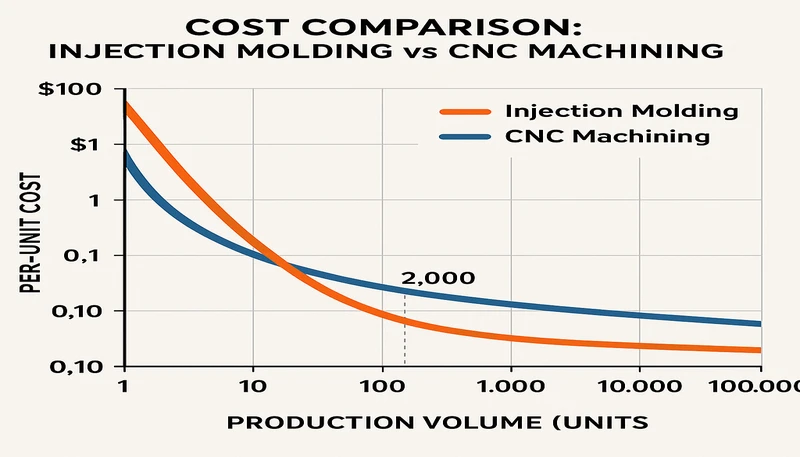
What Key Cost Factors Should You Audit in an Injection Molding Supplier?
The key cost factors you should audit are material procurement, tooling investment, labor and overhead, quality costs, and logistics. Each category provides specific metrics you can request to verify the supplier cost management capability.
Key cost categories and their evaluation metrics: (1) Material Procurement at 40-70% of total cost — request material certifications, bulk pricing, and waste rate data. (2) Tooling Investment at 15-30% — verify steel type, cavity count, expected tool life, and maintenance schedule. (3) Labor and Overhead at 10-20% — assess automation level, operator-to-machine ratio, and energy costs. (4) Quality Costs at 3-8% — demand CPK1 data, first-pass yield, scrap rate, and rework cost figures. (5) Logistics at 5-15% — review packaging optimization, shipping mode, and warehouse strategy.
When a supplier provides detailed breakdowns across all five categories, it signals mature cost management. Suppliers who bundle everything into a single unit price often hide inefficiencies that surface later as quality problems or delivery delays.
How Do You Assess a Supplier Material Cost Management?
Material cost management is assessed by reviewing sourcing documentation, waste tracking data, and bulk purchasing records. Material costs represent 40-70% of total part cost, making this the largest single cost lever a supplier controls.
Ask potential suppliers these specific questions: Do they source directly from resin manufacturers or through distributors? What is their regrind policy — do they reprocess runners and rejects, and at what percentage? Can they provide certificates of analysis (COA2) for each lot? Suppliers who buy directly from manufacturers and maintain buffer stock can offer more stable pricing even when resin markets fluctuate.
Waste rate is a critical metric. A supplier with a 3% scrap rate versus one at 8% may not seem like much on paper, but over a 100,000-part run, that difference translates to 5,000 additional parts worth of raw material — a cost that gets baked into your unit price whether you see it or not.
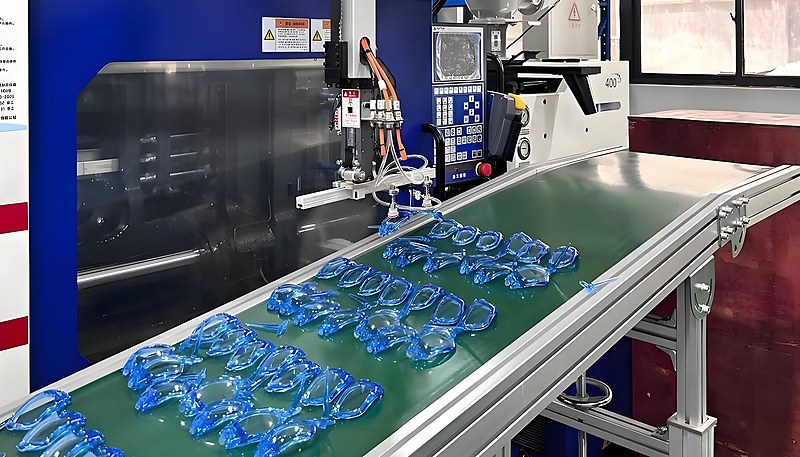
In our Shanghai factory, we process over 400 plastic materials across 47 injection molding machines ranging from 90T to 1850T. Our material engineers track waste rates per material and per mold, targeting sub-3% scrap on production runs. This granular tracking enables accurate cost forecasting for every project.
What Does Tooling Cost Transparency Reveal About a Supplier?
Tooling cost transparency shows whether a supplier can optimize your moule d'injection design for cost or is simply marking up a generic quote. Tooling represents 15-30% of initial investment and shapes per-part cost for the entire production run.
A transparent supplier will provide a detailed tooling breakdown: steel type (P20, H13, S136), number of cavities, expected tool life (shots to maintenance and total lifetime), hot runner versus cold runner configuration, and maintenance schedule. They should also explain how each design decision impacts your per-part cost.
Red flags include lump-sum tooling quotes with no breakdown, refusal to specify steel grades, or significantly lower tooling prices that suggest inferior materials or shortcuts. A mold built with P20 steel might cost 30% less than one built with H13, but the H13 tool could last 3-5 times longer in production — dramatically reducing your amortized tooling cost per part.
How Can You Evaluate Process Efficiency and Waste Control?
Evaluate process efficiency by requesting cycle time, OEE3, and scrap rate data from comparable production runs. These metrics reveal how tightly the supplier controls cost-driving variables.
Cycle time is perhaps the most direct efficiency metric. Every second saved on cycle time translates directly into higher output per hour and lower per-part cost. Ask suppliers for their cycle time targets on parts similar to yours in size, material, and complexity. A supplier running 47 presses from 90T to 1850T, like our Shanghai facility, can match machine capacity to part requirements rather than forcing your part onto an oversized or undersized press.
OEE combines machine availability, performance rate, and quality rate into a single percentage. World-class injection molding operations target OEE above 85%. If a supplier cannot provide OEE data, it is a signal that they may not be tracking the operational metrics needed for effective cost control.

What Quality Cost Metrics Should You Demand From Your Supplier?
The quality cost metrics you should demand are CPK data, first-pass yield rates, and scrap and rework cost documentation. Quality costs represent 3-8% of production cost but can reach 15-20% when poorly managed.
CPK values above 1.33 indicate a statistically capable process — meaning the supplier process window is wide enough to consistently produce parts within specification. Ask for CPK data on critical dimensions specifically, not just an overall average. A supplier who tracks CPK by dimension, by cavity, and by production run has the data infrastructure to maintain consistent quality and identify cost-saving opportunities.
First-pass yield — the percentage of parts that pass inspection without rework — should exceed 95% for mature production processes. Each percentage point of rework adds direct labor cost, material cost, and inspection overhead. Over a production run, the difference between 95% and 98% first-pass yield can represent significant savings that directly improve your cost position.
“A supplier with a scrap rate below 3% typically offers more competitive pricing than one with 8% scrap.”Vrai
Lower scrap means less wasted material and machine time, directly reducing the cost embedded in each part. Over a 100,000-part run, a 5-percentage-point scrap difference translates to 5,000 fewer wasted parts worth of raw material and machine time.
“The cheapest unit price always represents the best value in injection molding.”Faux
A low unit price may hide poor quality, frequent delays, or unexpected tooling surcharges that inflate the true total cost. Total Cost of Ownership analysis often reveals that a moderately higher unit price delivers lower overall project cost.
How Do You Compare Cost Control Across Multiple Suppliers?
Compare suppliers using a Total Cost of Ownership framework covering unit price, tooling, quality, logistics, and risk. Comparing unit prices alone misses up to 40% of the actual cost picture.
Create a standardized cost comparison spreadsheet that includes: quoted unit price at various volume tiers, tooling cost and expected life, material surcharge policies, quality inspection and rework rates, packaging and shipping costs, and warranty or replacement policies. Request that each supplier fill out the same template so you are comparing apples to apples.
Use this weighted evaluation framework to compare suppliers objectively: Unit Price at target volume (25% weight), Tooling Cost and expected tool life (20%), Quality metrics including CPK and scrap rate (20%), Process Efficiency measured by OEE and cycle time (15%), Logistics and lead time (10%), and Cost Transparency and communication quality (10%). Score each supplier 1-5 on every criterion, multiply by weight, and sum for a total score.
Red flags signaling poor cost control include vague quotes, unexplained price changes, reluctance to share scrap data, and pressure to commit before documentation. These indicate a supplier who cannot or will not control costs.
What Red Flags Signal Poor Cost Control in Injection Molding?
Red flags include vague quotes, unexplained price changes, reluctance to share scrap data, and pressure to commit without documentation. These behaviors indicate a supplier who cannot or prefers not to control costs.
Other warning signs include: quotes that are 30%+ below competitors without clear justification (often achieved through inferior materials or skipped processes), refusal to allow factory audits, no documented quality management system, and inability to provide references for similar production runs. A quality injection mold supplier should welcome scrutiny of their cost management practices.
One particularly telling signal is how a supplier handles cost increase notifications. Professional suppliers provide advance notice with documented justification — for example, a resin price index increase backed by a supplier quotation. Suppliers who simply announce a price increase without explanation or data are not managing costs; they are passing their inefficiencies to you.
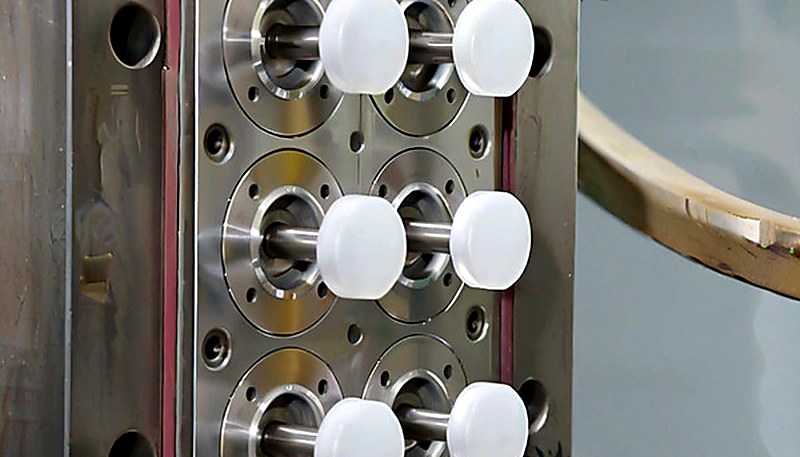
With 20+ years of injection molding experience and an in-house mold manufacturing facility supporting 100+ mold sets per month, we have seen firsthand how transparent cost management builds long-term partnerships. Our integrated manufacturing and trading-service model means cost data flows directly from the shop floor to your project manager — no information gaps, no hidden markups.
“Requesting OEE data from a supplier is a valid way to assess their cost control maturity.”Vrai
OEE tracking requires disciplined data collection and process monitoring — suppliers who measure it are actively managing their costs and can demonstrate where efficiency gains are possible.
“A supplier who quotes tooling 30% below competitors is always the better choice.”Faux
Underpriced tooling often means inferior steel, fewer cavities, or omitted features that increase your per-part cost or require premature tool replacement. The amortized tooling cost per part over the full production run is what matters, not the upfront tooling price alone.
What Are the Most Common Questions About Supplier Cost Control?
Questions fréquemment posées
What is supplier cost control in injection molding?
Supplier cost control in injection molding refers to the comprehensive systems and processes a manufacturer uses to manage, track, and optimize every cost element involved in producing your plastic parts. This encompasses material procurement efficiency, tooling design optimization, scrap reduction programs, process automation investments, and transparent pricing structures. A supplier with strong cost control can offer stable, predictable pricing while consistently maintaining quality standards throughout the entire production lifecycle, giving you confidence in your project budget and long-term manufacturing partnership.
How much can poor cost control add to production costs?
Poor cost control can add 20-40% to your total production costs through a combination of hidden material waste, excessive scrap rates, inefficient cycle times, and unexpected tooling repairs that typically surface only after full production has started. For a project budgeted at 50,000 USD, that translates to 10,000 to 20,000 USD in completely avoidable expenses. The financial impact compounds significantly over multi-year production relationships, making upfront cost control evaluation absolutely essential before signing any long-term manufacturing agreements with a new supplier.
What documents should I request for cost verification?
Request material certificates of analysis (COA) for resin verification, detailed tooling design breakdowns with specific steel grade specifications, CPK process capability data for all critical dimensions, scrap rate reports from comparable production runs, OEE tracking data showing machine utilization rates, and a comprehensive cost breakdown that clearly separates material, tooling, labor, and overhead components. A transparent and trustworthy supplier will provide all of these documents willingly and walk you through exactly how each cost element is actively managed throughout the entire production process.
How often should I audit my supplier cost structure?
You should audit your supplier cost structure at least once per year for ongoing production programs, and immediately before any significant volume change, material substitution, or design revision that could directly affect your pricing. For new supplier relationships, conduct a thorough cost audit during the initial quoting phase and then repeat it after the first production run to verify that the quoted rates accurately match actual performance data and real operational conditions observed on the factory floor during your specific project.
What role does automation play in injection molding cost control?
Automation plays a critical role in injection molding cost control by reducing direct labor costs, improving process consistency across production runs, and enabling real-time data collection for accurate cost tracking and analysis. Automated part removal systems, in-mold pressure sensors, and robotic quality inspection stations can reduce per-part labor costs by 30-50% while simultaneously improving first-pass yield rates. Suppliers who actively invest in automation demonstrate a genuine commitment to long-term manufacturing cost efficiency and consistent quality output across every production run.
Can a supplier with a higher unit price be more cost-effective?
Yes, absolutely. A supplier with a 10-15% higher unit price can deliver lower total project costs when they offer significantly lower scrap rates, longer tooling life resulting in lower amortized tooling cost per part, faster cycle times enabling higher throughput, and fewer quality defects that would require costly rework or replacement. Over a full production run, these efficiency factors often reduce the total cost of ownership well below that of a cheaper but less efficient supplier, which is why TCO analysis is essential.
What is total cost of ownership in injection molding?
Total Cost of Ownership (TCO) in injection molding accounts for all costs from initial tooling investment through end-of-life production, including tooling amortization across the expected production volume, raw material costs, per-part production costs including labor and machine time, quality inspection and rework labor, packaging materials and handling, shipping and logistics fees, and risk reserves for defects or delivery delays. TCO analysis typically reveals 20-40% more total cost than unit price alone would suggest, making it the preferred and more accurate evaluation method for comparing suppliers.
How do tariffs affect injection molding supplier cost control?
Tariffs directly increase your landed cost per part and can shift the competitive cost advantage between different manufacturing regions, potentially making a previously cost-effective supplier significantly more expensive overnight. A supplier with strong cost control can mitigate tariff impact through several strategies: efficient material sourcing alternatives, material substitution where product specifications allow flexibility, and production scheduling that optimizes shipping routes to minimize duty exposure. You should always discuss specific tariff scenarios openly during the supplier evaluation process to understand each supplier mitigation approach.
Ready to evaluate a supplier who already practices transparent cost management? With 20+ years of experience, 47 injection molding machines, and 30+ English-speaking project managers, our team provides detailed cost breakdowns for every quote. Contact us today for a transparent cost analysis of your injection molding project.
-
CPK: CPK refers to short for Process Capability Index — a statistical measure of how well a manufacturing process can produce parts within specification limits, where values above 1.33 indicate a capable process. ↩
-
COA: COA refers to abbreviation for Certificate of Analysis — an official document from a material supplier certifying the chemical composition and physical properties of a specific material batch. ↩
-
OEE: OEE refers to abbreviation for Overall Equipment Effectiveness — a manufacturing productivity metric combining machine availability, performance speed, and quality rate into a single percentage. ↩






 EN
EN  ES
ES  FR
FR  DE
DE  PT
PT  AR
AR  RU
RU  JA
JA  KO
KO  IT
IT  NL
NL  TR
TR  PL
PL 