

Conducting a thorough factory audit before selecting an fournisseur de moulage par injection is one of the most critical steps in your sourcing journey. The difference between a successful production partnership and months of costly rework often comes down to what you verify before signing a contract. In our two decades of manufacturing experience, we have seen buyers skip critical audit steps and pay the price later.
A structured factory audit evaluates equipment capability, quality management systems, mold maintenance practices, production capacity, and material handling standards. This guide walks you through each area with specific evaluation criteria, drawing from real moulage par injection production experience. Whether you are auditing a supplier for the first time or refining your existing qualification process, these practical checkpoints will help you make confident sourcing decisions.
- Machine capability assessment reveals true production capacity and quality potential
- Quality management certifications must align with your industry requirements
- Mold maintenance standards directly impact part consistency and tool longevity
- Material handling practices affect final product quality and traceability
What Should You Look for in an Injection Molding Factory Audit?
A factory audit is a systematic evaluation of equipment, quality systems, tooling, capacity, and material handling. Focus on these five areas to get a complete picture of supplier capability before committing to production.
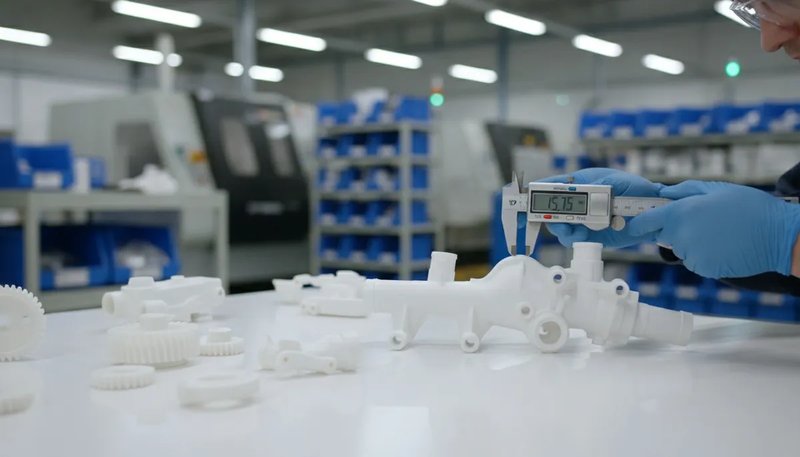
Start by requesting facility certifications, equipment specifications, and production capacity documentation before your visit. This preliminary review helps you prepare targeted questions and identify specific areas requiring deeper investigation. The processus de moulage par injection demands precise control over multiple variables, making systematic evaluation essential.
Focus your audit on operational processes rather than just equipment counts. Observe actual production runs, review maintenance logs, and interview key technical personnel. Pay attention to workplace organization, safety protocols, and communication systems between departments. These factors significantly impact your project’s success regardless of equipment sophistication.
At our Shanghai factory, we bring 20+ years of injection molding experience to every client partnership, supported by 30+ English-speaking project managers who ensure clear communication throughout the audit and production process.
Document everything systematically during your visit. Create standardized evaluation forms covering each assessment area, and don’t hesitate to request additional documentation or clarification on any processes that seem unclear. A reputable supplier will welcome thorough evaluation and provide transparent access to their operations.
How Do You Assess Machine Capability and Equipment Condition?
Machine capability assessment means checking tonnage range, precision specs, and maintenance records on-site. These three factors predict whether a supplier can consistently deliver your parts.
Verify that the supplier’s machine tonnage range matches your part requirements. Undersized machines cannot generate sufficient clamping force for large parts, while oversized machines waste energy and may lack precision for small components. Request to see machines running similar parts to yours, observing cycle consistency and operator intervention requirements.
Examine maintenance documentation carefully. Well-maintained equipment shows regular calibration records, preventive maintenance schedules, and detailed repair histories. Check for unusual wear patterns, makeshift repairs, or deferred maintenance that could impact production consistency. Our comprehensive injection molding guide explains how equipment condition directly affects part quality and production reliability.
Our facility operates 47 injection molding machines ranging from 90T to 1850T, providing flexible capacity for diverse part sizes while maintaining consistent quality standards across all equipment.
Evaluate auxiliary equipment including material dryers, temperature controllers, and automation systems. These components significantly impact production efficiency and quality consistency. Poor auxiliary equipment can compromise even the best injection molding machines, leading to material degradation, dimensional variations, and increased reject rates.
What Quality Management Systems Must a Supplier Have?
ISO 90011 certification is the baseline; add ISO 13485 for medical or ISO 14001 for environmental requirements. Verify actual implementation, not just certificate display.
Review the supplier’s quality manual and audit their actual implementation during production. Look for statistical process control (SPC2) systems, inspection procedures, and corrective action protocols. Effective quality systems must be actively used, not just documented for certification purposes. Examine recent internal audit reports and customer complaint resolution procedures.
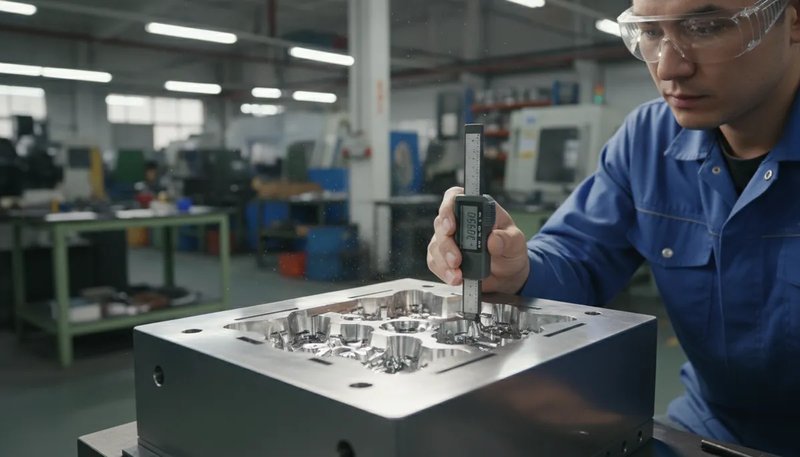
Assess measurement and testing capabilities. Quality moule d'injection manufacturing requires precise dimensional verification, material testing, and process validation. Request to see calibration certificates for measuring equipment and review their measurement uncertainty calculations. Poor metrology capabilities indicate potential quality issues regardless of other systems.
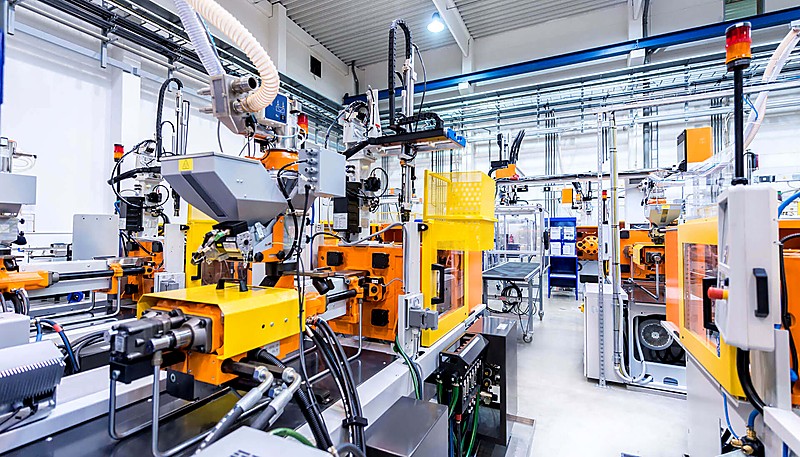
Investigate supplier qualification and material traceability systems. Your supplier should maintain complete records from raw material certificates of analysis through finished part inspection reports. In our experience with 400+ plastic materials, proper traceability prevents costly quality disputes and enables rapid root cause analysis when issues arise. Ask to see sample traceability documentation and verify it covers the full production chain — from material receipt through molding to final inspection. Suppliers who invest in digital traceability systems typically demonstrate stronger quality commitment than those relying on paper-based records.
How Do You Evaluate Mold Maintenance and Tooling Standards?
Mold maintenance is the single most important factor determining tool longevity and part consistency. Evaluate storage conditions, maintenance schedules, and in-house repair capabilities during your audit visit.
Visit the mold storage and maintenance areas. Well-organized facilities store molds in controlled environments with proper identification, protection, and accessibility. Review maintenance logs for existing molds, looking for preventive maintenance schedules, repair frequencies, and documentation quality. Poor mold care leads to premature wear, quality degradation, and unexpected production interruptions.
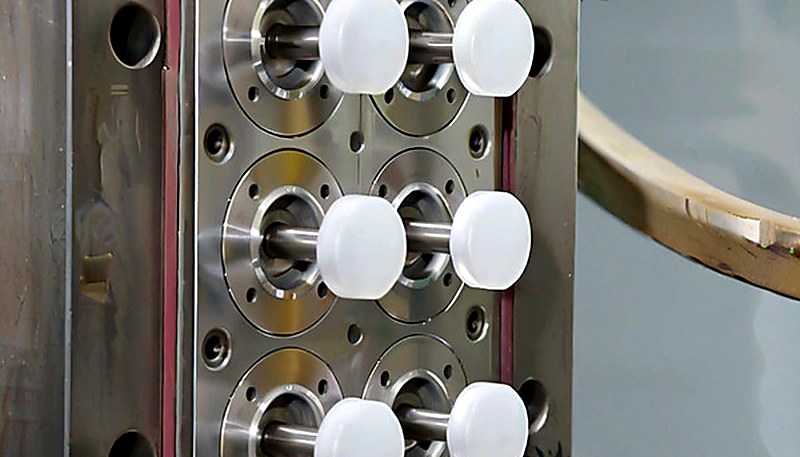
Assess in-house tooling capabilities versus outsourcing dependencies. Suppliers with comprehensive tooling departments can respond faster to design changes and produce replacement parts without lead-time delays. During your audit, ask about their CNC machining capabilities, EDM equipment, and polishing resources. A supplier who must send molds out for every modification adds weeks to your timeline. Our in-house mold manufacturing facility produces 100+ mold sets per month, supported by 8 senior engineers who handle everything from initial design to final qualification. This integrated approach means we control quality and schedule throughout the entire tooling lifecycle.
Our in-house mold manufacturing facility produces 100+ mold sets per month, supported by 8 senior engineers who ensure proper tooling standards and maintenance protocols throughout the mold lifecycle.
Review mold validation and qualification procedures. Reputable suppliers follow systematic approaches to mold qualification, including dimensional verification, process optimization, and capability studies. Request examples of mold qualification reports and process validation documentation for similar projects.
What Production Capacity Metrics Reveal the True Capability?
True production capacity is the actual throughput a factory achieves after accounting for setup time, maintenance, and quality holds. Calculate it from machine utilization, staffing levels, and material throughput data.
Calculate realistic capacity by examining machine utilization rates, setup times, and quality yield data over the past six months. Many suppliers present theoretical capacity based on 24-hour operation at 100% efficiency — a number that never reflects reality. Ask for actual production logs and compare theoretical output against real shipments. A well-managed facility typically operates at 70-85% utilization, accounting for maintenance, changeovers, and quality holds. During our factory audits, we have seen suppliers quote twice their actual capacity because they exclude setup time and reject rates from their calculations.
Evaluate workforce capacity and skill levels. Production capability depends heavily on operator experience and training programs. Ask about staff turnover rates, training protocols, and shift structures. A factory with 120+ production workers and experienced shift supervisors maintains more consistent output than one relying heavily on temporary labor. Verify that skilled positions — mold setters, quality inspectors, and maintenance technicians — have documented qualification requirements and regular training updates. We employ 10+ dedicated QC specialists who perform dimensional inspections at every production stage.
Examine material consumption and inventory management systems. Large-scale production requires efficient material flow from receiving through storage to the machine side. Check whether the supplier maintains adequate safety stock, monitors shelf life for sensitive materials, and has backup supply arrangements. Disruptions in material supply can halt production for days, so suppliers who proactively manage their supply chain deliver more reliable results. We have found that suppliers using ERP-integrated inventory systems maintain better control over material costs, waste rates, and reorder timing. Ask for specific examples of how they handled material shortages in the past.
Ask about their backup plans for equipment failures and peak demand periods. Suppliers who maintain buffer capacity and contingency procedures deliver more consistent lead times even when unexpected challenges arise. This operational resilience separates reliable manufacturing partners from those who struggle during peak seasons.
How Can You Verify Material Handling and Storage Practices?
Material handling is the controlled process of receiving, storing, preparing, and tracking raw materials through production. It requires controlled storage, FIFO rotation, and documented lot traceability.
Inspect material storage areas for temperature and humidity control, especially for hygroscopique3 materials like nylon and polycarbonate. Proper storage conditions prevent moisture absorption that causes splay marks, reduced strength, and dimensional instability in finished parts. Verify that storage areas are clearly labeled with material type, lot number, and receipt date. Suppliers handling 400+ materials should have dedicated storage zones organized by material category, with environmental monitoring systems that track conditions continuously.
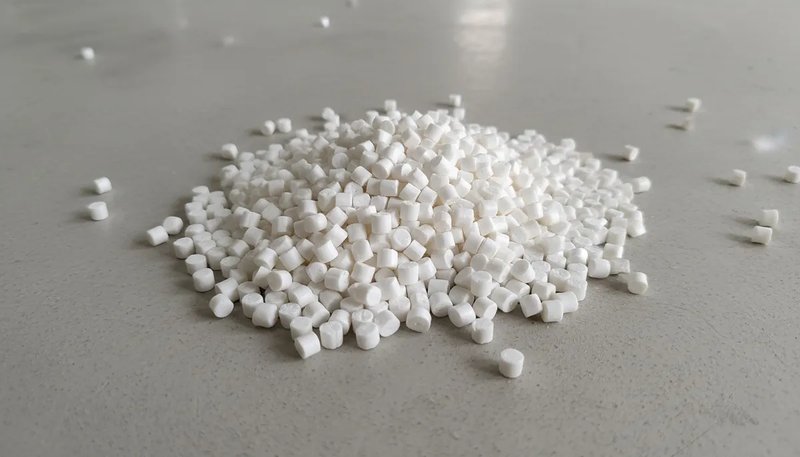
Review material preparation procedures including drying, blending, and regrind incorporation policies. Each material has specific drying requirements — for example, polycarbonate requires drying at 120°C for 3-4 hours before processing. Suppliers who skip or shortcut drying steps produce parts with surface defects, reduced mechanical properties, and dimensional instability. Ask to see drying parameter records for recent production runs and verify they match the material manufacturer’s recommendations. Proper regrind management is equally important: reputable suppliers limit regrind percentage and track it separately.
Assess material traceability and lot control systems. Regulatory requirements often mandate complete material tracking from receipt through finished goods. Even when not required, robust traceability protects both buyer and supplier when quality issues arise. Your supplier should trace any finished part back to its raw material lot, processing conditions, and operator. This capability requires systematic lot identification, production logging, and organized record retention — not just delivery notes in a filing cabinet. We maintain digital traceability records for every production run at our Shanghai facility.
Verify that the supplier performs incoming material inspections and maintains certificates of conformance for each batch. This documentation protects both parties if material-related defects appear during production. Reputable suppliers welcome these verification requests as standard practice.
What Red Flags Should Alert You During a Factory Visit?
The most common red flags are inconsistent documentation, poor workplace organization, and reluctance to show production areas. Any of these warning signs means you should pause the evaluation immediately and request clarification before proceeding.
Be alert to communication difficulties beyond language barriers. If technical personnel cannot explain their own processes, quality systems, or equipment capabilities clearly, it suggests inadequate training or superficial understanding. Experienced manufacturing teams communicate their operations confidently, including limitations and areas for improvement. During audits at our facility, we encourage visitors to speak directly with our production engineers and quality inspectors because transparency builds lasting partnerships.
“A supplier should welcome detailed questions about their quality processes and provide transparent access to production areas.”Vrai
Reputable manufacturers are proud of their capabilities and understand that thorough evaluation benefits both parties by ensuring proper project fit and expectations.
“Equipment age is the most important factor in assessing injection molding capability.”Faux
While modern equipment offers advantages, well-maintained older machines can produce excellent results. Maintenance quality, operator skill, and process control are often more critical than equipment age.
Understanding these warning signs separates experienced auditors from first-time visitors. The best evaluations combine systematic checklists with intuitive assessment of how a factory actually operates day to day. Pay attention to employee morale and workplace culture — factories where workers take pride in their craft tend to produce better results consistently. During our years of hosting factory visits, we have noticed that the most thorough auditors always ask open-ended questions about production challenges and listen carefully to how the factory team responds.
“A supplier with in-house tooling can respond faster to design changes and maintenance needs than one relying on external mold shops.”Vrai
Suppliers with integrated mold manufacturing reduce turnaround time for tooling modifications, which is critical during production ramp-up when design iterations are common.
“A factory visit lasting two hours provides sufficient information to qualify an injection molding supplier.”Faux
Comprehensive factory audits typically require a full day or more. Rushed visits miss critical details about quality systems, maintenance practices, and actual production conditions.
Watch for safety violations or poor housekeeping standards. These issues indicate broader organizational problems with attention to detail and systematic approaches. Suppliers who cannot maintain safe, organized workplaces often struggle with quality consistency and process control.
Question any reluctance to discuss previous quality issues or customer complaints. Experienced manufacturers understand that quality problems occur occasionally, and their response demonstrates problem-solving capabilities and continuous improvement commitment. Suppliers claiming zero defects or perfect customer satisfaction lack credibility.
Questions fréquemment posées
What documents should I request before conducting a factory audit?
Request ISO certifications, equipment lists with specifications, capacity statements, quality manuals, and recent customer audit reports as a starting baseline.
How long should a comprehensive factory audit take?
Plan for a full day minimum, with larger facilities requiring 1.5-2 days for thorough evaluation. This includes production area tours, quality system reviews, management meetings, and detailed technical discussions. Rushing the audit process often misses critical issues that become expensive problems later. Budget additional time if you need to observe specific production processes or review extensive documentation during your visit.
What qualifications should audit team members have?
Include team members with injection molding technical knowledge, quality system experience, and relevant industry background. At minimum, have someone who understands plastic processing parameters, mold design basics, and quality management principles. For regulated industries, include personnel familiar with specific compliance requirements. Consider hiring experienced consultants if internal expertise is limited, as audit quality directly impacts supplier selection success.
How do I verify claimed production capacity during an audit?
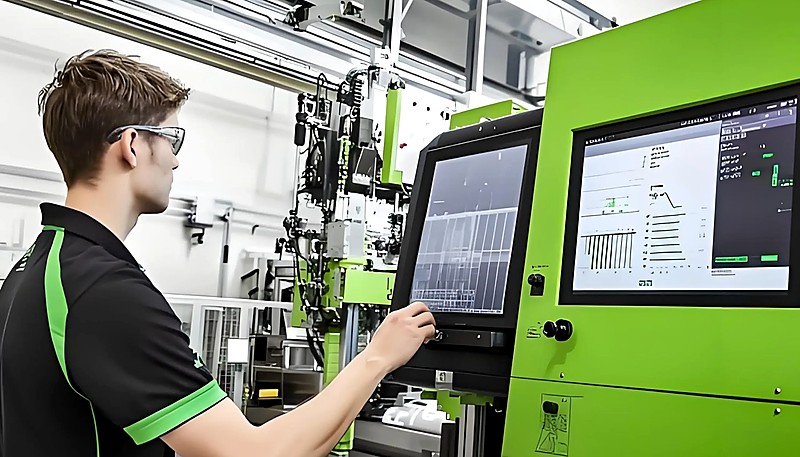
Review actual production records, not just theoretical calculations. Examine machine utilization logs, setup time documentation, and quality yield rates from recent production runs. Calculate effective capacity by factoring in maintenance downtime, changeover times, and reject rates. Request to see production schedules and ask about peak capacity constraints. Observe actual production during your visit to verify claimed cycle times and automation levels.
What are the most critical quality certifications for injection molding suppliers?
ISO 9001 provides the foundation for quality management systems in manufacturing. ISO 13485 is essential for medical device applications, while automotive industries often require specific OEM certifications. Environmental and safety standards like ISO 14001 and ISO 45001 indicate systematic management approaches. However, certification alone isn’t sufficient – verify that systems are actively implemented and continuously improved through regular internal audits and management review processes.
How can I assess a supplier’s technical problem-solving capabilities?
Ask for specific examples of challenging projects they’ve resolved, including technical problems encountered and solutions implemented. Review their engineering support structure, design assistance capabilities, and access to advanced simulation tools. Discuss hypothetical technical scenarios relevant to your project and evaluate their proposed approaches. Strong suppliers provide detailed technical responses and demonstrate systematic problem-solving methodologies rather than generic answers.
What material handling practices are essential for quality production?
Proper environmental control for material storage, systematic lot tracking from receipt through production, and appropriate material preparation procedures including drying and blending. Verify contamination prevention measures, first-in-first-out inventory rotation, and accurate material identification systems. Review their procedures for handling material certifications and maintaining traceability records. Poor material handling causes quality issues that often don’t appear until production is underway, making prevention critical.
Should I conduct surprise audits or schedule visits in advance?
Schedule initial qualification audits in advance to ensure key personnel availability and comprehensive facility access. However, consider unannounced follow-up visits after establishing partnerships to verify ongoing performance consistency. Scheduled audits allow thorough preparation and documentation review, while surprise visits reveal normal operating conditions. The most effective approach combines both methods depending on partnership stage and risk assessment requirements for your specific application.
Ready to partner with a proven injection molding manufacturer? Contact ZetarMold today for a comprehensive factory tour and detailed capability assessment.
-
ISO 9001: iso9001 refers to iSO 9001 is the international standard for quality management systems, providing a framework for consistent quality and continuous improvement in manufacturing processes. ↩
-
SPC: spc refers to statistical Process Control (SPC) uses statistical methods to monitor and control manufacturing processes, identifying variations before they result in defective products. ↩
-
hygroscopique: hygroscopic refers to materials absorb moisture from the surrounding atmosphere, requiring controlled storage and drying before injection molding to prevent processing defects. ↩





 EN
EN  ES
ES  FR
FR  DE
DE  PT
PT  AR
AR  RU
RU  JA
JA  KO
KO  IT
IT  NL
NL  TR
TR  PL
PL 