 Skip to content

Choosing the right injection molding machine tonnage is a critical factor in producing quality plastic parts and optimizing production. In this article, we’ll explain how the experts define the principles of selecting an injection molding machine and what calculation methods are needed to determine the required tonnage of the machine based on your actual needs.
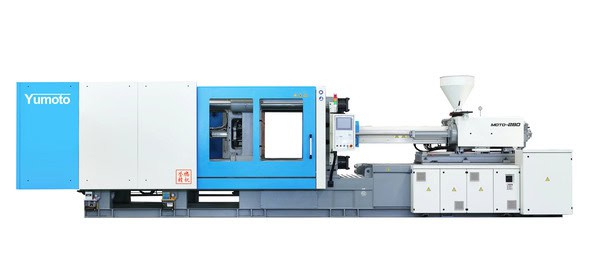
Definition of Injection Molding Machine Tonnage
When you talk about the size of an injection molding machine, you’re talking about the clamping force – the maximum force the machine uses to hold the mold closed during injection. Clamping force is usually stated in tons of pressure; the bigger the tonnage, the bigger the machine. The clamping force is important because it directly affects the quality and productivity of injection-molded parts. Picking the right tonnage also helps keep the mold closed during the injection process, which helps minimize problems like flash and bad parts.

Key Factors in Choosing Injection Molding Machine Tonnage
When you’re trying to figure out what size injection molding machine you need for your application, there are a bunch of factors you need to consider. You need to think about the size and design of the part you’re making, how many cavities you’re going to have in the mold, what kind of material you’re going to be injecting, how much pressure you’re going to need to inject it, what the runner design is going to be like, and what kind of accuracy and quality standards you have for the final part. I’ll go through each of those factors in a little more detail.
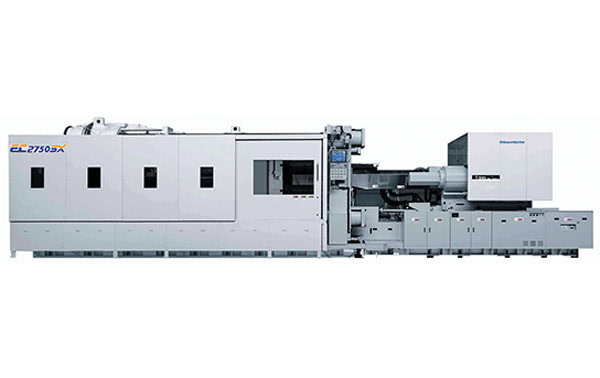
Product Size, Weight, and Structure
- Product Size: The tonnage is what determines the basic parameters of the product. The size of the product is determined by its length, width, and height and dictates the size of the clamp, and thus the clamping force needed. Bigger products put more stress on the mold to close properly and avoid leakage of the molten plastic during injection, thus it needs higher clamping force.
- Product Weight: The injection pressure of the injection molding machine is directly proportional to the tonnage of the injection molding machines and is determined by the screw diameter as well as material frame. All things considered, the weight of the product needs to be stipulated first. Traditionally, if the single product weight is below 50 grams, it will require a machine with the tonnage below 50T. As for the products which weigh more than 100 grams, a machine with tonnage over 100T is supposed to be used.
- Product Structure: Another thing that can affect the type of clamping force you need is how complicated the product is. In complicated products, there are a lot of different shapes that the plastic has to fill. So you need more injection pressure to fill all those shapes. That means you need more clamping force to hold the mold closed. For example, if you have a part with thin walls or curves in it, you need more clamping force to make sure the plastic fills all the way.

Mold Size and Cavity Count
- Mold Size: If the mold is big, that means you need a lot of pressure to clamp it. You need to clamp bigger molds harder to keep them from opening when you inject. Mold size is how long, wide, tall, and heavy the mold is, and you need to know that to figure out how much tonnage you need.
- Mold Cavity Count: The number of cavities in the mold affects the clamping force required to close the two halves of the mold. Single-cavity mold designs are usually simpler and apply clamping force to only one mold part, while multi-cavity molds apply clamping force to several cavities being filled at the same time. Multi-cavity molds increase productivity, but require significantly more clamping force. In general, the more cavities there are, the more clamping force is needed to properly close the mold.

Material Type
- Material Flowability: It is also important to note that, some plastics have different flow characteristics, especially when they are melted. This is because with good flowability, that is PP and PE, injection pressure determines clamping force in a negative way. On the other hand, the materials that have relatively poor flow characteristics which includes PC and POM, and require higher injection pressures that in turn require higher clamp force to counterbalance the pressure.
- Material Shrinkage Rate: The shrinkage rate of plastic materials also affects the clamping force required. If the material has a high shrinkage rate, it will create high shrinkage stress during cooling, which will require a high clamping force to keep the mold closed and allow the part to form without distortion.
- Material Crystallinity: Some thermoplastics need high injection pressure and clamping force to close the molds and give high-quality crystal clear products. As a rule, the clamping force in the case of amorphous materials is lower than that applied to crystalline ones.

Injection Pressure and Runner Design
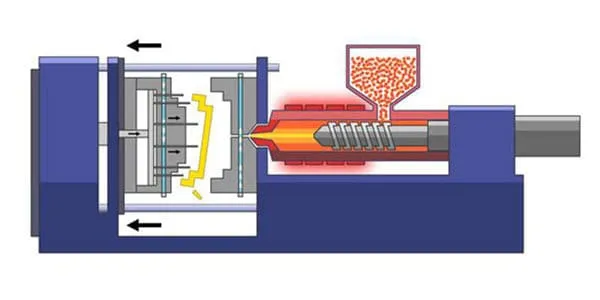
- Injection Pressure: Injection pressure, on the other hand, is the pressure that the injection screw exerts when it injects the molten plastic into the mold. The amount of injection pressure also affects the clamping force needed. It is simply the sum of the total AOSC force used to push down the presses, divided by the total number of presses. High injection pressure requires higher clamping force to squeeze the mold so that it will not open and thus produce high-accuracy, high-quality products.
- Runner Design: In order to succeed in runner design, you need to know that it can greatly increase injection pressure, or in other words, decrease the clamping force required. In runner design, factors such as gate positions and geometries, runner cross-sectional areas, and runners cooling are all critical. To optimize runner design for injection molding process control, runner design must facilitate an equal distribution of molten plastic evenly across all cavities, thereby reducing pressure loss and yielding improved output on the end product.
Product Precision and Quality Requirements
- Precision Products: As the precision requirements of the final products increase, the clamping pressure must be correspondingly greater. This is because inadequate clamping force could allow the mold to open while injection, thus leading to material flash and compromising the dimensional accuracy and aesthetics of the finished product. When the parts are precision engineered like the housing for electronic devices or for any medical equipment, the clamp force requirement will be more critical.
- Product Quality: Products for high-precision industries need more clamping force to put a lot of pressure on the product and to keep it from having holes. If you don’t have enough pressure, you’ll get bubbles, sink marks and weld lines. So, if you want to make good parts, and based on what I just told you, you can increase the pressure by getting a bigger machine.

Material Filling Behavior and Process Conditions
- Material Filling Behavior: This means that some of the materials that are being used in the injection process are different and thus have different filling patterns. An Example is the moulding materials that have a tendency of flowing in different patterns, will lead to differential pressure points, within the mould thus need for a higher clamping pressure to ensure uniform mold closure or avoid localized mold opening.
- Process Conditions: Injection conditions include injection speed, hold time, and cooling time in the injection molding process that affect the clamping force required for the process. Higher injection speeds and shorter cooling times usually mean more pressure during injection, which means more clamping force is needed. You have to consider the machine tonnage and these process conditions.

Mold Temperature and Environmental Factors
- Mold Temperature: This is a fancy way of saying that the temperature you put on the mold makes a big difference in how much clamping force you need. High-temperature molds usually need more clamping force to help counteract the expansion and contraction caused by temperature changes and the pressure from the melted stuff. Molds that are made to run at low temperatures don’t need as much clamping force when you shoot the plastic in.
- Environmental Factors: Other factors that are related include the temperature and humidity of the production environment. These factors affect the work conditions of the injection molding machine and the required clamping force. The heat and humidity conditions of the workpiece material can change the flow resistance and therefore increase the clamping force needed. If the temperature and humidity are low, the concrete may not require a large amount of clamping force.

Calculation Method for Clamping Force
So, there are a few things that can affect how much clamping force you need in an injection molding machine to make good parts. Here’s a step-by-step guide to help you figure out how much clamping force you need:
Understand the Basics
Clamping Force: The clamping force is how hard the machine squeezes the mold to keep it closed during injection. It’s really important to make sure the mold doesn’t open up from the pressure of the plastic going in.

Determine Key Parameters
Several factors affect the calculation of clamping force, including:Several factors affect the calculation of clamping force, including:
Projected Area (A): The part of the mold cavity where the part is going to be made.
Injection Pressure (Pi): The force used to push the molten plastic into the mold cavities and any other pressures that are needed throughout the process.
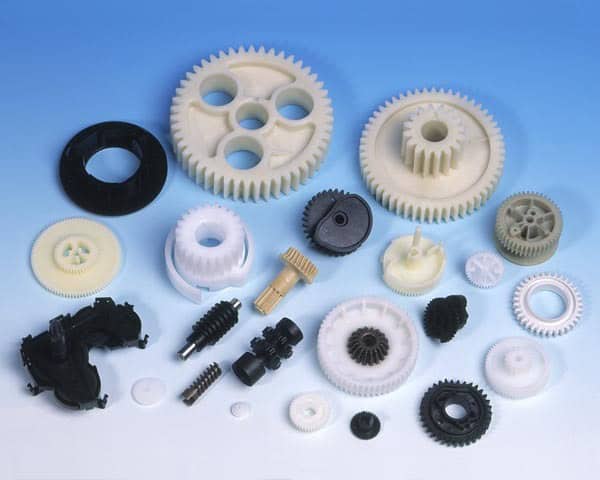
Calculate the Projected Area (A)
To calculate the projected area, you need to know the geometry of the part. If it’s a simple rectangle, you just multiply the length by the width. If it’s more complicated, you might have to break it down into simpler shapes and add up their areas.
Formula: Projected Area (A)=Length×Width
Determine Injection Pressure (Pi)
Injection pressure is also allowed to fluctuate depending on the type of material and its exact requirements in the molding process. It is often indicated by the material supplier, or it can be estimated using the conditions of heat treatment.

Calculate Clamping Force (Fc)
The clamping force required to keep the mold closed during injection is calculated using the following formula: Clamping Force (Fc)=Projected Area (A)×Injection Pressure (Pi)
Calculation Example
Assuming the following parameters:
- Projected Area (A): 100 square inches
- Injection Pressure (Pi): 5000 psi
Using the formula: Clamping Force (Fc)=100 in2×5000 psi
Clamping Force (Fc)=500,000 lbs
This means that 500,000 pounds of clamping force are needed to keep the mold closed during injection.

Safety Factor
It is recommended to include a safety factor in the calculation to account for variations in processing conditions and ensure the mold remains safely closed. One of the most fundamental measures of safety is at 1.1 to 1.5 fold the calculated force.
Final Considerations
Material Properties: The clamping force of the mold will depend on the type of material being injected and its different pressure ranges.
Mold Design: It is important to note that in complex molds, the number of cavities may require a change in the clamping force calculations.
When determining the clamping force, the goal is to get the right number to produce good parts without other problems like flash, which can be caused by the mold not closing properly. To get better numbers, you can talk to equipment manufacturers or people who know a lot about this stuff.

Suggestions for Selecting Injection Molding Machine Tonnage
When it comes to injection molding machines, the tonnage you need depends on a few things. You need to think about the size of the part you’re making, how many you’re making, and what kind of material you’re using. Here are some things to think about:
Selecting Tonnage Based on Product Size: If you’re making small parts, you’re probably going to use a machine that’s rated for 25 to 80 tons. If you’re making medium-sized parts, you’ll need a machine that’s rated for 80 to 180 tons. If you’re making big parts, you’ll need a machine that’s rated for 180 to 500 tons. But you should always check the dimensions of your part to be sure.

Selecting Tonnage Based on Production Volume: A lot of companies need to make a lot of parts in a short amount of time to be efficient and keep labor costs down. If that’s you, you’ll need a machine with a lot of tonnage.
Selecting Tonnage Based on Material: Different plastics have different structures and densities. That means you’ll need different tonnage ranges for different materials. You’ll need to find a salesperson or a manufacturer who can tell you what tonnage you need for different materials.

Practical Considerations in Actual Applications
When you’re choosing the tonnage of an injection molding machine, you should also consider the following:
Leave a Margin: When you’re choosing the tonnage, you can choose a little bit more than you need, so that if you have any problems in production, you can still use it. For example, if the material fluctuates, or the mold temperature fluctuates, you will need more clamping force.
Mold Design and Machining Accuracy: The clamping force is affected by the design and machining of the mold. If you have the same accuracy, the mold for pressing metal will distribute the clamping force evenly, so you will need less tonnage for the machine.

Performance and Stability of Injection Molding Machines: Different companies and manufacturers use different types of injection molding machines, and their performance and stability are different. When you’re choosing the tonnage, you should consider the overall performance and stability of the machine, so that you can use it easily.
Production Environment: The temperature and humidity in the production process are controllable factors, and they will affect the dynamics of using the injection molding machine and the clamping force. You should adjust the working parameters of the machine well, and choose the tonnage that suits your production.

Future Trends
Injection molding is one of the most widely used manufacturing technologies in the industry for making all kinds of stuff. As injection molding technology advances, more and more injection molding machines will be smart and automated. The decision on the right tonnage of the machine will be made more by calculation and simulation technologies. Another important trend in the development of injection molding is environmental protection and energy saving. For example, energy-saving and high-efficiency injection molding machines are becoming more and more popular in the market.
Conclusion
Figuring out how big of an injection molding machine you need is not easy. There are a lot of factors to consider. You need to think about how big and thick your part is going to be, how big the mold is, what kind of material you’re using, and how much pressure you’re going to use to inject the plastic. By making an educated guess and using some common sense and the basic principles of manufacturing, and by using your experience, you can pick the right kind and size of machine for your job so you can make the parts you need and make them right. I hope this article helps you and your company make better parts with your injection molding machines.





 EN
EN  ES
ES  FR
FR  DE
DE  PT
PT  AR
AR  RU
RU  JA
JA  KO
KO  IT
IT  NL
NL  TR
TR  PL
PL 