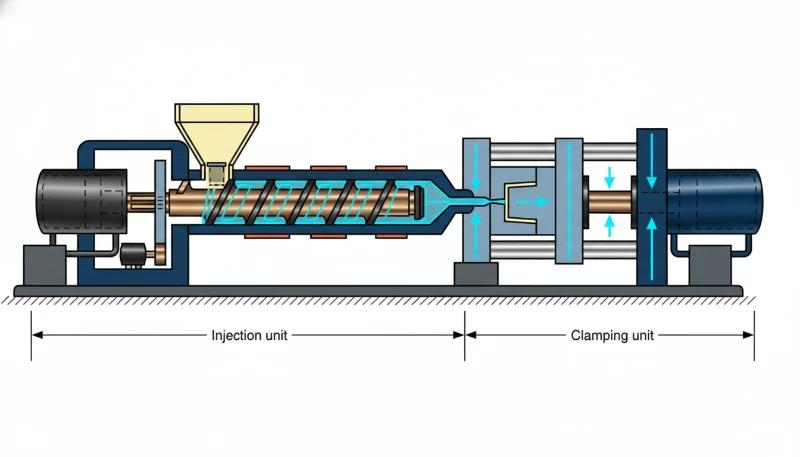
Plastic Injection molding1 is a highly efficient manufacturing process that offers rapid production, cost savings, and design flexibility, making it a preferred choice for various industries.
The benefits of plastic injection molding include high production speed, reduced material waste, and the ability to create complex geometries. This method is widely used in automotive, consumer products, and medical industries due to its cost-effectiveness and precision. Additional advantages include consistent part quality and the possibility of using multiple materials in a single process.
This overview highlights the key benefits of plastic injection molding, but a deeper understanding of its processes and applications can further enhance your production efficiency. Delve into the specifics to see how injection molding can transform your manufacturing capabilities.
- Injection molding is most valuable when high repeatability, stable cycle time, and scalable tooling are required.
- The real benefit depends on mold design, material choice, quality control, and supplier capability working together.
- Buyers should compare total project cost, not only the quoted piece price.
"Plastic injection molding offers faster production times compared to other methods."True
The injection molding process allows for rapid cycle times, enabling manufacturers to produce large volumes of parts quickly.
"All plastic injection molding processes are environmentally harmful."False
While traditional methods may generate waste, advancements in technology and the use of recycled materials in injection molding can significantly reduce environmental impact.
What is Plastic Molding?
Plastic molding is a manufacturing process that shapes raw polymer material into finished parts using heat, pressure, and a shaped mold cavity. It covers several methods—injection molding, blow molding, compression molding, and rotational molding—but injection molding accounts for the largest share by volume and precision.
If you are comparing vendors or planning procurement, our injection molding supplier sourcing guide covers RFQ prep, qualification, and commercial risk checks.
Plastic molding is a manufacturing process that shapes plastic materials into various forms by using molds. It’s widely used in the automotive, electronics, and medical industries due to its versatility, efficiency, and ability to create precise, durable parts. Key advantages include flexibility in design, cost-effectiveness for high volumes, and the ability to create complex shapes.
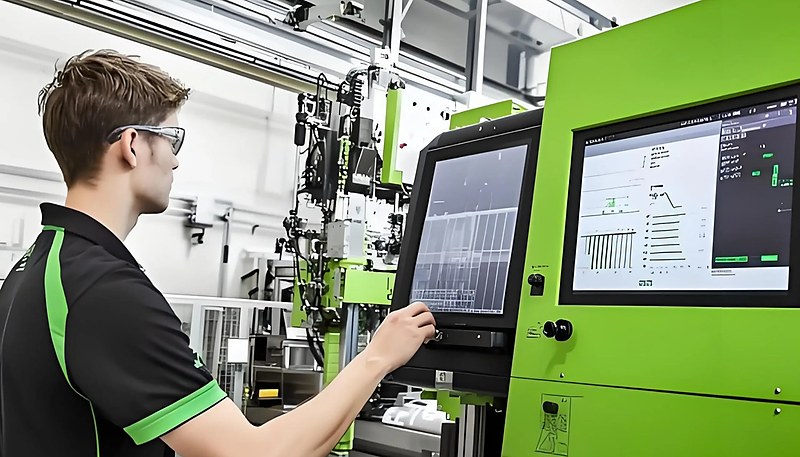
Thermoplastic2 injection molding is a standard process that uses a molding equipment that fills a mold with a polymer melt The injection molding machine allows injection pressure and speed, wall thickness,quality control and small errors, so the product is usually ready to ship immediately after production.
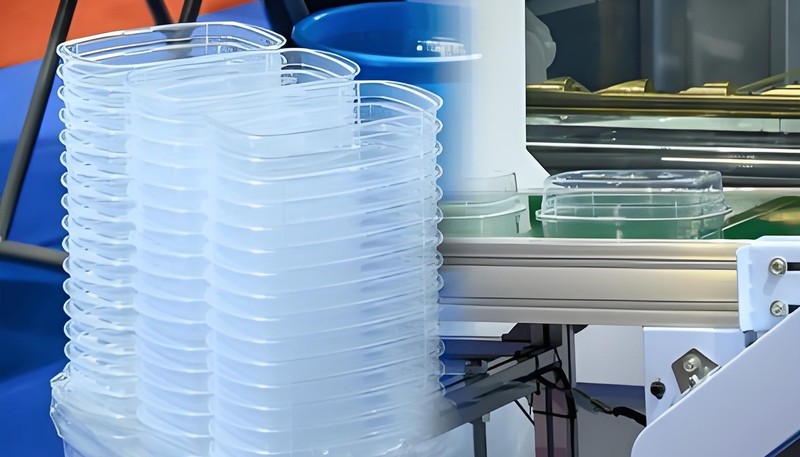
Plastic pellets are loaded into a barrel, where they are melted, squeezed and shot into the mold cavity. The hot material cools and solidifies in the mold to form a molded part. Injection molding technology means that the ejector finally ejects the part from the mold and the part falls into a bin. Once the run is complete, the parts (or master batch) are immediately boxed and shipped.
How Does the Injection Molding Cycle Work?
With 400+ materials processed in our Shanghai factory over the past two decades, we have found that material selection is the single most impactful decision in any injection molding project. The wrong resin choice can lead to warpage, poor surface finish, or even complete part failure in the field. That is why our engineering team reviews material options against application requirements before any mold steel is cut.
What are the Plastic Materials Used for Plastic Molding?
"Injection molding benefits are strongest when mold design, material choice, and supplier capability are reviewed together."True
A low part price can disappear quickly if the tool needs rework, cooling changes, or a late material substitution.
"The lowest piece price always means the lowest total manufacturing cost."False
Mold maintenance, scrap rate, tolerance risk, logistics, and engineering support can make a cheap quote more expensive over the project lifecycle.
Common plastic materials used in molding include polypropylene, ABS, and polyethylene, each offering unique properties for different applications. Polypropylene is known for its flexibility and chemical resistance, while ABS provides strength and impact resistance. Polyethylene, in its various forms, is widely used due to its durability and cost-effectiveness. Choosing the right material is crucial for achieving optimal performance and quality in the final product.
Which Thermoplastic Resin Should You Choose?
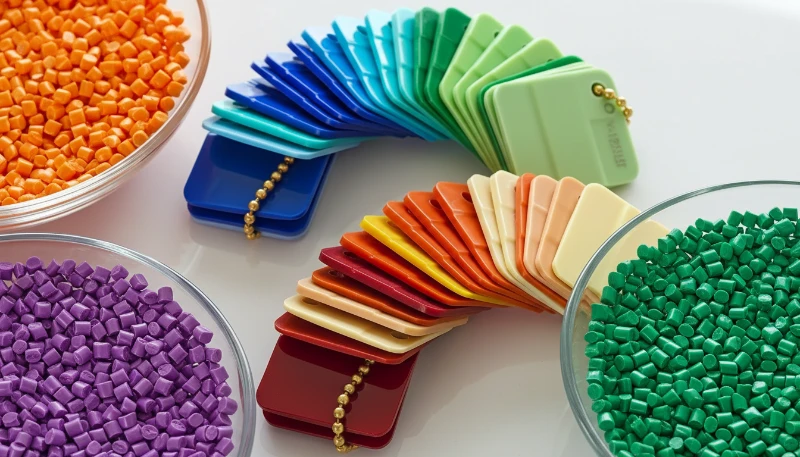
When it comes to injection molding, we use thermoplastic polymers. These are plastics that can be melted and softened by heating and then solidified by cooling. It’s important to know which type of thermoplastic material to use depending on what you’re making. We use materials like polyethylene, polycarbonate, nylon, polypropylene, and high-impact polystyrene. Picking the right material for your project can make it work better and cost less.
Polypropylene (PP)
PP, or polypropylene, is a versatile thermoplastic that’s used in injection molding. It’s lightweight, resistant to chemicals, and can withstand a lot of wear and tear. That’s why it’s so popular for making things like packaging, containers, and car parts.
Polystyrene (PS)
Polystyrene (PS) is clear, hard, and cheap. PS is often used in throwaway stuff like packaging, food containers, and throwaway cutlery, and is liked for how easy it is to shape and how cheap it is.
Nylon (PA 6)
Nylon, especially nylon 6 or PA 6, is known for being strong, tough, and resistant to wear. It’s great for making mechanical parts and is used a lot in things like gears, bearings, and other parts that need to be made in large quantities, last a long time, and be made very precisely.
Polycarbonate (PC)
PC, or polycarbonate, is known for being see-through, tough, and able to handle high heat. That’s why it’s used to make things like eyeglass lenses, electronic parts, and clear stuff that doesn’t break in lots of different industries.
What is Plastic Injection Mold for Plastic Injection Molding?
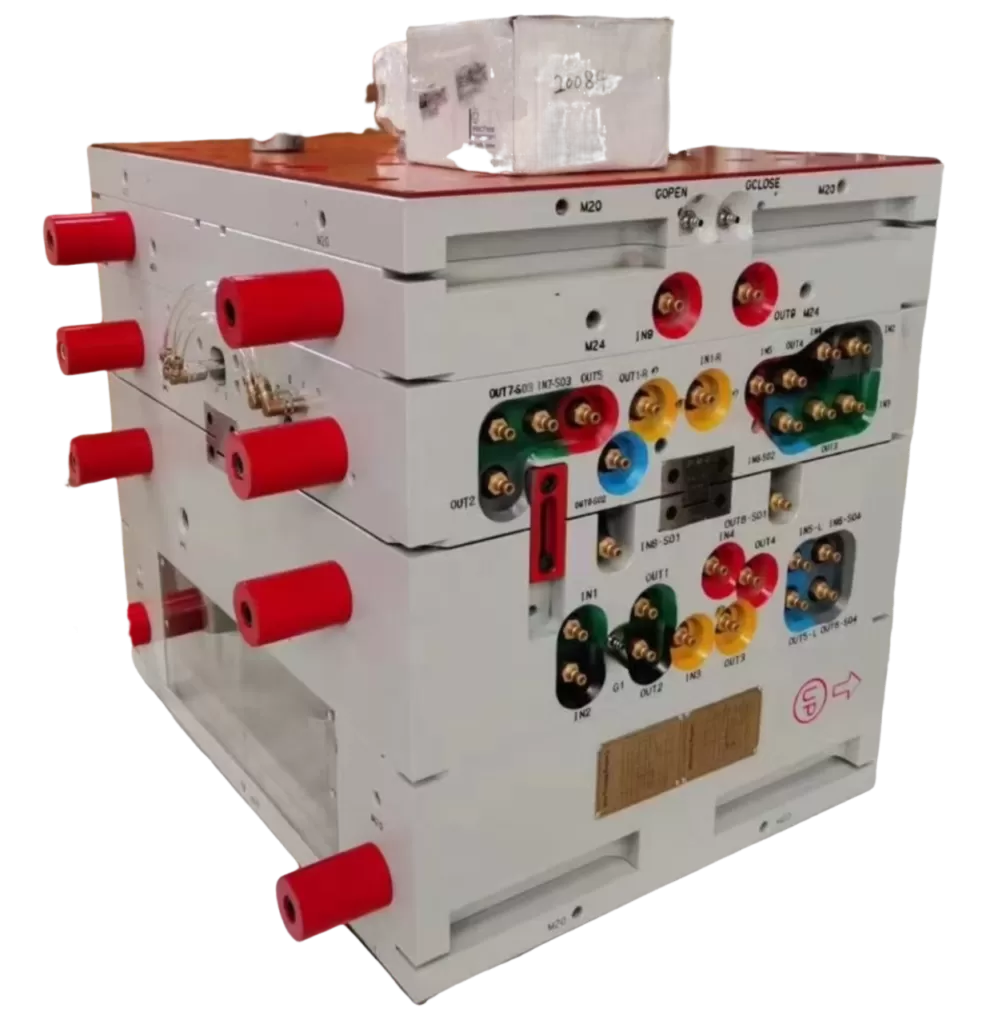
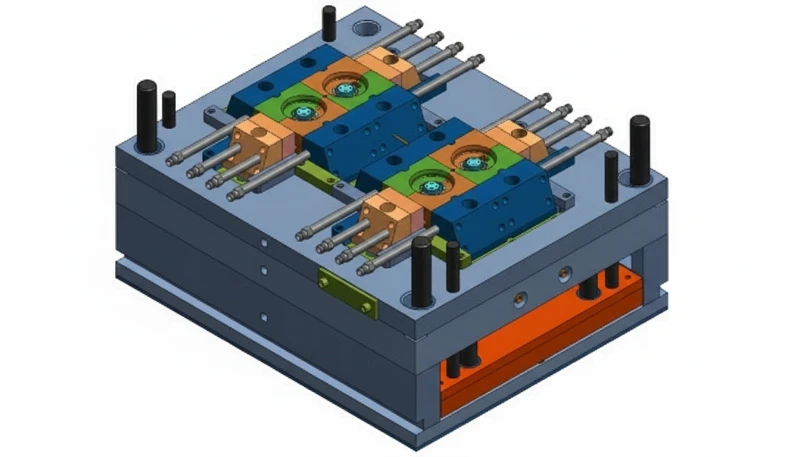
A plastic injection mold is a precision-machined steel tool that defines the cavity shape, cooling layout, and ejection system for forming each part.
If the part is big, there will be one cavity for the part. But if the part is small, the mold will have several or even ten or more cavities. This increases the efficiency of the whole process. Depending on the number of cavities, the mold can have different numbers and lengths of runners to distribute the plastic.
What are the Characteristics of Plastic Injection Molding Process?
Injection molding is a high-speed, repeatable process that delivers tight tolerances, low scrap, and fast cycle times across mass production runs.
To make sure the injection molding process goes well and the final product is good, you need to get the right stuff happening at each injection molding cycle.
One important thing in the plastic injection molding process is the cycle time3. That is, the time the plastic stays in the mold while it cools down under high pressure. It’s usually a few seconds to about twenty seconds. In most cases, this time depends on the type of material and the size and weight of the product.
If you don’t press long enough, the surface of your product will cave in or otherwise get messed up. If you press too long, you won’t get any benefit. If you press too long, you’ll over-seal the material and make it hard to get your product out of the mold.
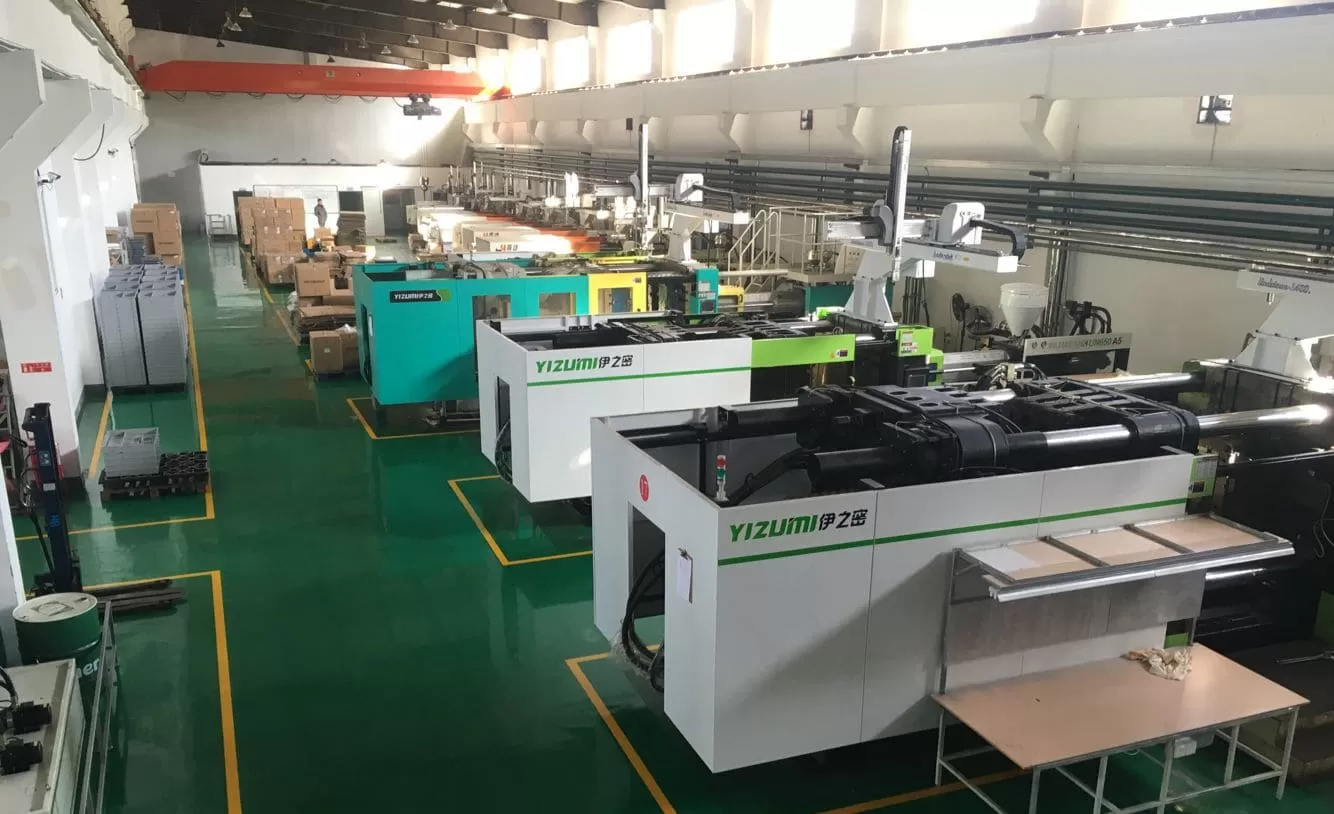
In our factory reviews, we treat injection molding benefits as a system question, not only a machine-cycle question. With 20+ years of tooling and molding work, 47 injection molding machines, and a 90T-1850T press range, we have seen that the best savings usually come from matching part design, mold cooling, resin selection, and inspection planning before production starts.
What are the Advantages of Injection Molding?
The main advantages of injection molding are high production speed, low per-part cost at volume, tight tolerances, and complex geometry capability.
Injection Molding is Efficient and Fast Manufacturing Processes
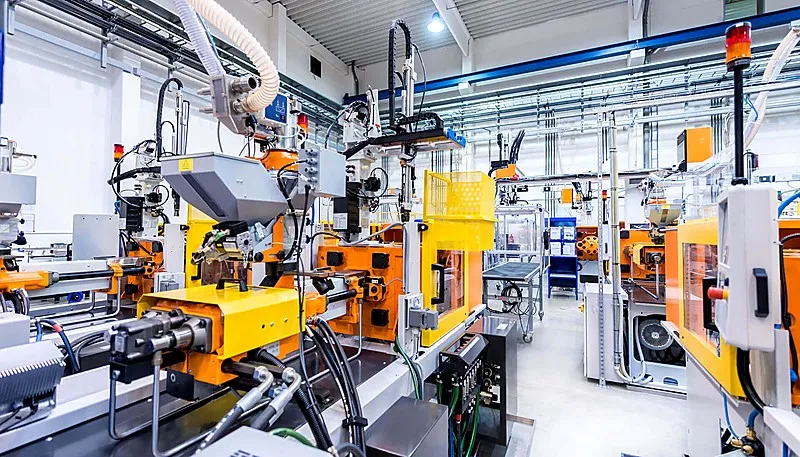
One of the big pluses of injection molding is how fast and efficient it is. Once you’ve got the mold made and the injection molding machine set up, you can make a whole bunch of parts in a short amount of time. and less unused or waste plastic , This is great for industries that need a lot of the same thing.
The speed of injection molding is because it’s automated. Robots and automation are a big part of that, because they can do the same thing over and over again, 24/7. This is great for industries like automotive and packaging, where time is money.
Versatility of Injection Molding Materials
Injection molding is like a chameleon – it can adapt to a wide variety of materials. From thermoplastics and engineered materials to resins and even silicones, the possibilities are vast. This versatility is another big benefit of injection molding.
Different materials have different properties, and being able to pick the right material for a specific application is important. Whether you need a part with more strength, a specific surface finish, or resistance to certain conditions, injection molding has what you need. It\’s like having a Swiss Army knife in your manufacturing toolkit!
Injection Molding Creates Lightweight Products
OEMs use lightweight plastic injection molded products in many industries, but they are most prevalent in the automotive industry. Using plastic parts helps reduce weight compared to using metal parts. Today, high-strength, lightweight thermoplastics can replace metal parts with little difference in strength or durability, just weight.
Injection Molding Has Consistency Production Process
For OEM buyers, injection molding is the right choice when your project needs repeatable quality, stable cycle times, and scalable unit costs. Choosing a capable supplier is what makes those benefits real—evaluate factories carefully before you approve a mold build.
Here are some of the injection molding advantages: It’s fast and efficient, It can make a lot of different surfaces, You can use a lot of different materials with it, It makes lightweight stuff, It’s consistent, It can make really precise stuff, It speeds up product development, It can make really complicated parts, It’s strong, It’s precise, It’s repeatable, It’s cheap, You can design a lot of different things with it. See our Injection Molding Complete Guide for a comprehensive overview.
Injection Molding Creates Precision Products
When you have modern, high-speed injection moldsequipment that is properly maintained, you can mass produce precision molded plastic parts. This is the best way to make plastic parts like connectors and gears that need to be made with high precision. You can make them with tolerances as close as +/- 0.0002 inches.
Injection Molding Reduces Product Development Time
Injection mold engineers with diverse skill sets can help OEMs achieve shorter product development times. This ensures faster production cycles and brings defect-free parts to market faster, which is a decisive competitive advantage for manufacturers.
Injection Molding Offers Complex Part Designs
Injection molding is great for making complex parts, keeping things consistent, and making a million parts that are all the same. To make a lot of parts and make them right, you need to think about some important stuff.
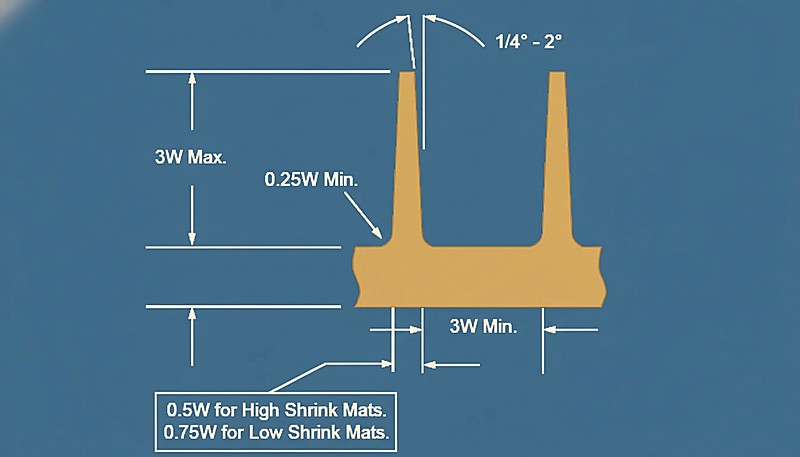
Designing parts to maximize the efficiencies inherent in high-volume molding is key. With an ideal design, you can make parts that are high quality without sacrificing complexity.
Injection Molding for Greater Strength
Plastics have gotten way stronger and tougher over the years. Nowadays, lightweight thermoplastics can take a beating just as good as metal parts, and sometimes even better.
Plus, there are over 25,000 engineering materials available for complex injection molding applications. You can also make high-performance plastic blends and hybrids to meet specific part requirements and characteristics, like high tensile strength.
Precision and Accuracy in Injection Molding
Injection molding is all about precision and accuracy. It can make parts with complex shapes and tight tolerances. It’s like a master sculptor who can carve out the tiniest details with perfect precision. This is especially important in industries like automotive and medical, where even the smallest deviations can have big consequences.
The precision of injection molding depends on the mold and the controlled injection molding process. The mold is made to the exact shape of the final part, and the molten plastic is injected under high pressure, making sure every corner is filled. The result? Parts that are both precise and beautiful.
The Repeatability Factor in Injection Molding
Another good thing about injection molding is that you can make the same part over and over again. Once you make the mold and set up the machine, you can make the same part again and again. It’s like a machine that just keeps on going and going. It makes the same part every time with very little difference. This is really important in some industries.
If you’re making millions of bottle caps or car parts, you want each one to be almost exactly the same. It’s hard to do that with other kinds of manufacturing, so injection molding is the best way to go.
Cost Benefits of Injection Molding
Let’s talk money, shall we? Injection molding is a cost-effective way to make plastic parts, especially in high volumes. The initial cost to make a mold can be high, but once you have the mold, the cost per part is very low. It’s like buying in bulk – the more you make, the cheaper each part becomes.
Also, because injection molding is an automated process, labor costs and overhead are low. With robotics and automation, the process can run 24/7 with little human intervention. This cost-effectiveness is a big advantage of injection molding, making it a good choice for companies that want to balance quality and cost.
Flexibility in Injection Molding Design
Design flexibility is another feature of injection molding caps. The process can produce parts with complex geometries, undercuts, and intricate shapes that are difficult, if not impossible, to achieve with other manufacturing methods.
What are the Applications of Plastic Injection Molding?
Plastic injection molding is widely used in automotive, electronics, medical devices, and consumer goods manufacturing. It enables high-volume production with precise detailing and minimal waste, making it ideal for creating complex parts quickly and reliably. Key applications include automotive dashboards, medical syringes, and electronic housings.
Plastic parts are everywhere. They’re cheap, strong, chemically stable, wear-resistant, insulating, and thermally conductive. That’s why injection molding is used in so many industries. Here are some examples.
Automotive Industry
They make parts for cars and machines by injecting plastic into molds. The industry uses these plastic parts for a number of reasons. One of the main reasons is that they last a long time. They don’t wear out or break down and they usually last a long time.
Also, plastics are lightweight compared to other materials. This weight helps increase the fuel efficiency of cars because the heavier the car, the more fuel it consumes.
Also, plastic parts can resist UV exposure and corrosion, which makes them ideal for the production of automotive parts like radio controls, cup holders, bumpers, and dashboards.
Medical Industry
The medical industry loves injection molded plastic parts. They need a lot of them, and they need them to be perfect. They also love making a lot of them because most of the plastic stuff they make is disposable, which helps keep diseases and bacteria from spreading because they’re sterile.
Also, stuff made in this industry using injection molding include disposable plastic syringes and IV connectors. Other cool stuff include biocompatible things like prosthetics and dental implants, as well as handles and triggers that can be sterilized. Oh, and common medical-grade plastics include silicone, polypropylene, polyethylene, and ABS.
Electronics
Plastics don’t conduct electricity, but they’re still used in the electronics industry. They use injection molding to make electrical panels and other electronic devices.
Also, the plastics manufacturers use in the electronics industry are usually really good at not conducting electricity and being tough. Injection molding is used to make remote controls, computers, medical instruments, TVs, key fobs, and more.
Agricultural Products
Agriculture still needs injection molded parts. The industry uses plastic injection molding products that are tough and can handle different weather conditions.
Also, injection molded parts have a lot of benefits for the industry. One of the biggest is that they don’t corrode. This is a big deal for farms. Unlike metals, plastics don’t corrode from things like rain. They’re also lightweight, which means they’re tough and they don’t cost a lot to make for agriculture.
Household Products
Most of the consumer products that you find in your home are packaged using injection molding. But why do manufacturers use this process? Because plastic products made using the injection molding process are usually very strong. Another reason is that they can handle different temperatures and weather. They can also be recycled, which helps manufacturers save money on making new products.
Also, injection molding is used to make household plastic products like bottle caps, toilet seats, outdoor furniture, drinkware, barbecue accessories, and more. Injection molding is also used to make long-lasting, colorful, and easy-to-clean household items like children’s toys.
Consumer Goods
Frequently Asked Questions
Frequently Asked Questions
What is the main benefit of plastic injection molding?
The main benefit is repeatable high-volume production with stable dimensions, short cycle times, and lower unit cost after the mold is built. For buyers, this matters because the same tooling can produce thousands or millions of consistent parts once DFM, material selection, cooling, and inspection plans are stable. The biggest savings usually appear when the part design is mature and production demand is predictable. In practice, the value is not only speed; it is the combination of repeatability, reduced scrap, controlled tolerances, and stable quality documentation.
When is injection molding more cost-effective than 3D printing?
Injection molding is usually more cost-effective than 3D printing when the design is stable and production volume is high enough to spread tooling cost across many parts. 3D printing is useful for prototypes and low-volume design checks, but injection molding becomes stronger when buyers need repeatability, surface consistency, material options, and predictable lead times for ongoing production. The break-even point depends on part size, resin, tolerance, annual volume, and mold complexity, so buyers should compare total project cost instead of only comparing the first sample price.
How does mold design affect injection molding benefits?
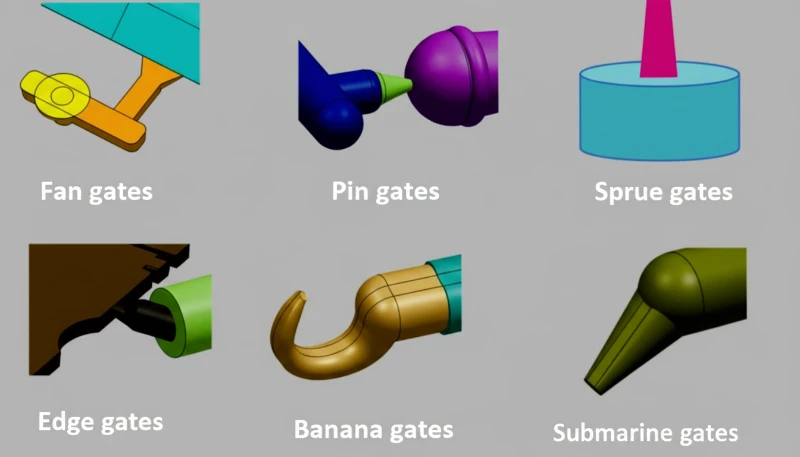
Mold design affects cooling, cycle time, part consistency, surface finish, and long-term maintenance cost. A well-designed mold can reduce warpage, sink marks, flash, and dimensional variation, while a weak mold design can turn a low quoted part price into repeated troubleshooting. This is why gate location, runner balance, steel selection, venting, cooling, and ejection should be reviewed before production approval. Good mold design also makes maintenance easier, protects critical dimensions, and gives the molding team a wider processing window during mass production.
Why should buyers evaluate the supplier as well as the process?
Buyers should evaluate the supplier as well as the process because supplier capability affects DFM feedback, material selection, mold maintenance, inspection discipline, and recovery speed when production issues appear. A capable supplier can identify risk before steel cutting, document quality checks, stabilize cycle time, and communicate trade-offs clearly. These capabilities often determine whether injection molding benefits become real savings. The best supplier evaluation looks at engineering depth, equipment range, project communication, inspection records, export experience, and whether the team can explain quote assumptions clearly.
Can injection molding support complex plastic parts?
Yes, injection molding can support complex plastic parts when wall thickness, gates, ribs, bosses, draft, and ejection are designed for moldability. The process can produce detailed features, repeatable tolerances, textured surfaces, and strong plastic structures. However, complex parts need early engineering review because undercuts, thin walls, sharp corners, material shrinkage, and assembly requirements can affect tooling cost and production stability. For complex projects, buyers should request DFM feedback before mold approval so the final design balances function, tooling risk, part strength, and production efficiency.
What industries benefit most from injection molding?
Industries that benefit most include automotive, medical devices, consumer electronics, and packaging. These sectors rely on injection molding because they need high-volume, dimensionally stable parts with consistent surface finish. Automotive uses it for lightweight structural components and interior trim, while medical depends on it for sterile disposables and biocompatible housings. Electronics need precise connectors and insulating enclosures. For any industry where part count, repeatability, and tolerance control matter, injection molding usually outperforms alternative processes once the mold investment is justified.
How does material selection impact injection molding quality?
Material selection directly impacts part strength, dimensional stability, surface finish, and long-term performance in the field. Engineering resins like polycarbonate and nylon offer higher heat resistance and mechanical strength, while commodity resins like polypropylene keep cost low for simpler applications. Choosing the wrong resin can cause warpage, brittleness, or failure under operating conditions. Buyers should discuss application requirements with their supplier so material grade, filler content, and colorant loading are matched to the part function before tooling begins. In our experience, early material review prevents costly mold rework.
Why Should You Consider Plastic Injection Molding for Your Next Project?
For OEM buyers, injection molding is the right choice when your project needs repeatable quality, stable cycle times, and scalable unit costs. Choosing a capable supplier is what makes those benefits real—use our sourcing guide to evaluate factories before you approve a mold build.
Here are some of the injection molding advantages: fast and efficient production, versatile surface finishes, wide material selection, lightweight output, consistent quality, high precision, shorter product development cycles, complex part capability, strong structural performance, excellent repeatability, low cost at volume, and broad design flexibility. For a comprehensive overview, visit our Injection Molding Complete Guide.
Injection molding: Injection molding is a manufacturing process that injects molten material into a mold cavity to form repeatable plastic parts. ↩
Thermoplastic: Thermoplastic refers to plastic materials that soften when heated and harden again when cooled. ↩
cycle time: Cycle time refers to the total duration needed to complete one molding cycle, including filling, packing, cooling, mold opening, ejection, and mold closing. ↩