Rosplast 2025 brought plastics manufacturers, equipment providers, material specialists, toolmakers, and buyers together in Moscow. The exhibition is over, so this page now serves as a practical retrospective rather than an expired booth invitation. Its most useful lesson is that a trade-show conversation should become a controlled sourcing record. Buyers can use our supplier sourcing guide to convert claims about capability, cost, and lead time into evidence before sending production data or authorizing a mold.
Exhibitions are efficient for discovering options, but stands are optimized for presentation rather than verification. A sample part does not reveal scrap, maintenance, process stability, traceability, capacity, or corrective-action discipline. A displayed mold does not prove ownership terms, design review, cooling performance, or transfer readiness. The next step must connect the proposed application to a documented injection molding process, a comparable project, and a reviewable validation plan.
This retrospective explains how procurement and engineering teams can qualify leads collected at Rosplast or another plastics exhibition. It covers meeting preparation, technical questions, sample interpretation, tooling proposals, quality evidence, commercial follow-up, and cross-border logistics. For a new tool, buyers should also use an injection mold design and build guide so quotation assumptions are exposed before price and timing harden into a purchase order.
Reference vocabulary used in this guide includes trade show1, confidentiality agreement2, critical path3. Each term is defined in the references below.
- Treat exhibition contacts as unverified leads
- Capture application facts and open questions during each meeting
- Request comparable technical evidence after the show
- Compare tooling, validation, logistics, and ownership scope
- Close or disqualify leads through a time-bound follow-up process
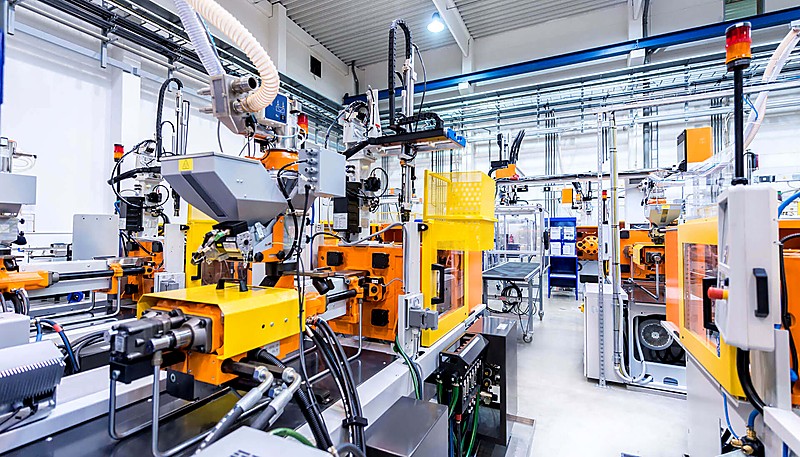
What made Rosplast 2025 useful for injection molding buyers?
The practical answer is the following: Rosplast was useful for discovering candidates, but it did not qualify them.
Rosplast made it possible to compare many parts of the plastics supply chain in one visit: resins, additives, machinery, automation, molds, processing, inspection, recycling, and secondary operations. That breadth helps a buyer identify dependencies that are missed when only mold price is discussed. A difficult part may need material support, controlled drying, special venting, automation, measurement, or assembly, so the strongest meeting connects those elements rather than promising that one supplier can handle everything.
The value of the visit depends on the records created. For each contact, capture legal company name, site location, role, machines, toolmaking scope, materials, comparable products, quality approvals, export experience, available capacity, and agreed follow-up. Record uncertainty separately from confirmed evidence. Photographs and brochures can support memory but should not become proof. A short structured note made immediately after each meeting is more reliable than reconstructing decisions from business cards weeks later.
For this decision, record the approved requirement, current evidence, remaining gap, owner, due date, and release authority. This small discipline separates a verified conclusion from an assumption and gives the team a usable trail when design, demand, material, supplier, or timing changes.
"A trade-show contact is a lead, not an approved injection molding supplier."True
Approval requires product-specific technical, quality, capacity, commercial, and site evidence.
"A molded sample at a booth proves stable mass-production capability."False
The sample may not represent the exhibitor, proposed process, sustained volume, or controlled quality.
Which technical questions should follow a Rosplast meeting?
The practical answer is the following: Convert every useful conversation into one controlled supplier record.
Send a limited, controlled requirement package and ask the supplier to explain its technical approach. Questions should cover parting line, draft, gate, cooling, venting, shrinkage, warpage, steel, cavities, ejection, texture, expected life, process window, inspection, maintenance, and likely risks. Ask who performs DFM, mold design, machining, trials, measurement, and corrections, including the location and control of subcontracted work. A credible answer states assumptions and evidence instead of offering immediate certainty.
Request one or two genuinely comparable examples and follow them through DFM, tool design, trial, dimensional approval, process development, maintenance, and production. Remove customer-confidential details where necessary, but require enough continuity to evaluate the operating system. Look for how the supplier handled a defect or change, not only a perfect sample. Technical depth is demonstrated when engineers can connect geometry, resin behavior, tool condition, machine response, and measurement to a controlled decision.
Validate the conclusion with a representative example and source records. Note the revision, sample basis, machine or tool involved, measurement method, result, exception, and approver so another qualified reviewer can reproduce the reasoning instead of depending on a sales statement or memory.
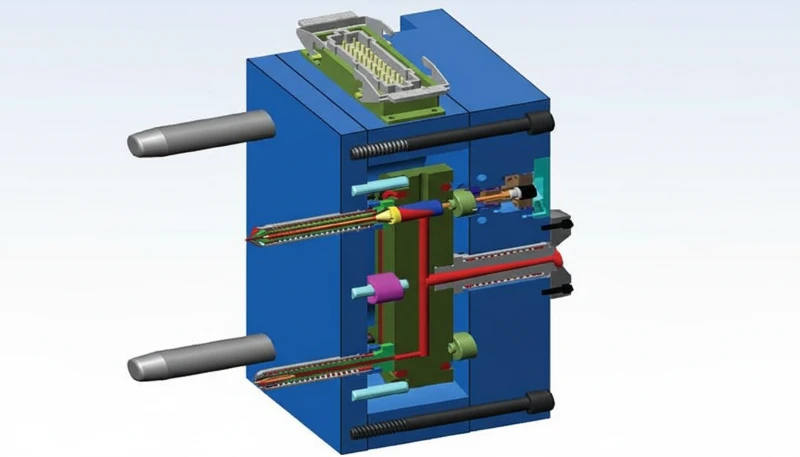
How should buyers evaluate samples seen at an exhibition?
The practical answer is the following: Treat exhibition samples as screening evidence, not production approval.
A sample proves only that an object existed at the stand. It may be a prototype, a selected cavity, a low-volume trial, or a part produced under conditions unrelated to the proposed project. Ask for resin grade, mold type, cavities, machine, cycle, tolerance, surface standard, annual volume, validation status, and whether the exhibiting company actually produced it. Do not infer capability for a tight-tolerance or regulated part from an attractive generic housing.
After the event, request drawings or redacted requirements for the example, cavity-level dimensional results, material evidence, process conditions, and defect history where disclosure is permitted. Examine gates, parting lines, weld lines, sink, warp, flash, ejection, texture transitions, inserts, and assembly interfaces. Sample review is most useful as the start of technical questioning. It should never replace a factory audit, a controlled trial, or approval data for the buyer's own part.
Use a risk-based comparison across normal operation, peak demand, change, defect containment, and transfer. State which condition was tested and which remains an estimate. Assign a trigger and recovery action for any assumption that could affect safety, quality, delivery, cost, or customer approval.
| Exhibition signal | Required follow-up | Decision use |
|---|---|---|
| Sample | Process and approval evidence | Comparable capability |
| Machine list | Proposed press and capacity | Production feasibility |
| Mold claim | Design, build, trial records | Tooling depth |
| Export claim | Routes, documents, references | Delivery risk |
What should a post-show tooling quotation contain?
The practical answer is the following: A useful quotation makes tooling and production assumptions explicit.
A post-show quotation should identify the current revision and define cavities, mold base, steel, runner, hot runner, gate, cooling, slides, lifters, ejection, sensors, texture, polish, spare inserts, tool life, validation, included changes, and delivery scope. It should show timing by milestone and list assumptions and exclusions. Buyers should compare equivalent proposals rather than totals. A low tooling price may omit robust cooling, interchangeable components, trials, measurement, or export packing.
Commercial terms should define payment milestones, title transfer, mold marking and location, maintenance, cycle records, unauthorized use, insurance, inspection access, data deliverables, and release procedure. If the tool may cross borders, clarify exporter, importer, classification, packing, transport, and transfer support. Technical acceptance, ownership, warranty, and final payment should have separate meanings. The purchase order should not depend on an informal understanding created during a busy stand conversation.
Keep commercial and technical scope aligned. If an option changes material, cavities, cycle, inspection, packaging, inventory, responsibility, or validation depth, show that difference explicitly before comparing price or lead time. Silent scope changes create false savings and late disputes.
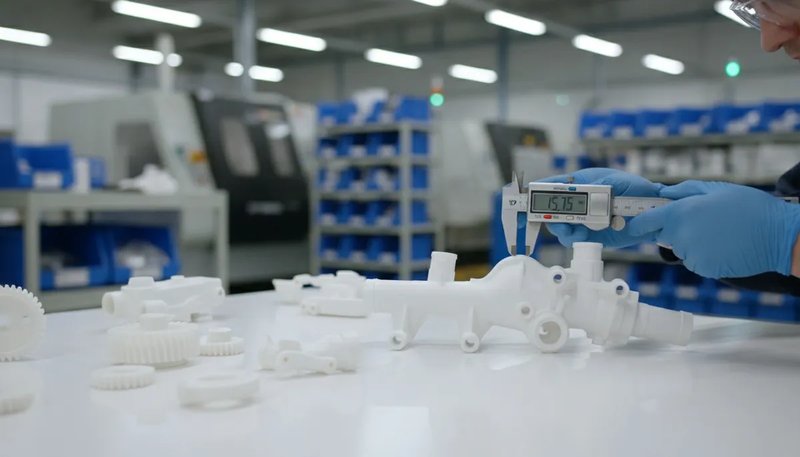
How can buyers verify quality and production capability?
The practical answer is the following: Verify capability through product-specific factory records and tests.
Begin with a remote evidence review, then audit the proposed site when risk justifies it. Examine material receipt and identity, drying, setup, parameter control, cavity traceability, inspection, calibration, quarantine, nonconformance, corrective action, change control, maintenance, packing, and shipment. Select records rather than letting the supplier provide only prepared examples. Verify that certificates apply to the legal entity and site doing the work and that the proposed equipment and people are available.
Capacity should be calculated from cavities, cycle, yield, uptime, changeover, planned maintenance, staffing, and competing demand. Ask for the proposed machine range and contingency. Review a time-phased launch plan and require evidence at each gate. A supplier with many machines can still have no capacity on the press, automation, material system, or quality resource required by the part. Capability and capacity are specific commitments, not general factory statistics.
Approval should rely on objective closure evidence such as drawings, photographs, measurements, process records, capability results, maintenance history, test reports, or signed decisions. A verbal assurance can support follow-up, but it should not release a high-risk gate without the agreed record.
"Structured follow-up determines whether exhibition activity creates sourcing value."True
Owners, deadlines, evidence, and decisions convert conversations into an auditable funnel.
"A short booth quotation is sufficient to authorize mold steel."False
Tooling needs controlled revision, scope, assumptions, ownership, validation, and release terms.
How should Rosplast leads be closed after the event?
The practical answer is the following: Close each lead with a decision, owner, evidence request, and due date.
Within days, classify each lead as pursue, nurture, refer, or close, and record why. Send a concise recap of requirements, open questions, promised evidence, owner, and due date. Protect confidential data through an appropriate agreement and staged disclosure. Run technical and commercial comparisons separately before combining them in a nomination decision. If a supplier repeatedly misses basic follow-up commitments, treat that behavior as operational evidence rather than assuming communication will improve after award.
For pursued leads, define a gated path: requirement confirmation, evidence review, quotation normalization, technical review, audit, sample or trial, risk closure, contract, and nomination. Preserve the trade-show source but make later decisions from verified artifacts. For closed leads, record the disqualifying gap so the same unsuitable company is not repeatedly reassessed. This turns exhibition activity into organizational learning and makes the next sourcing cycle faster and more consistent.
Recheck the decision whenever the product revision, annual volume, peak mix, resin, manufacturing site, subcontractor, tool condition, process window, measurement method, or delivery route changes. Controlled change review keeps an initially sound decision from becoming stale during launch and production.
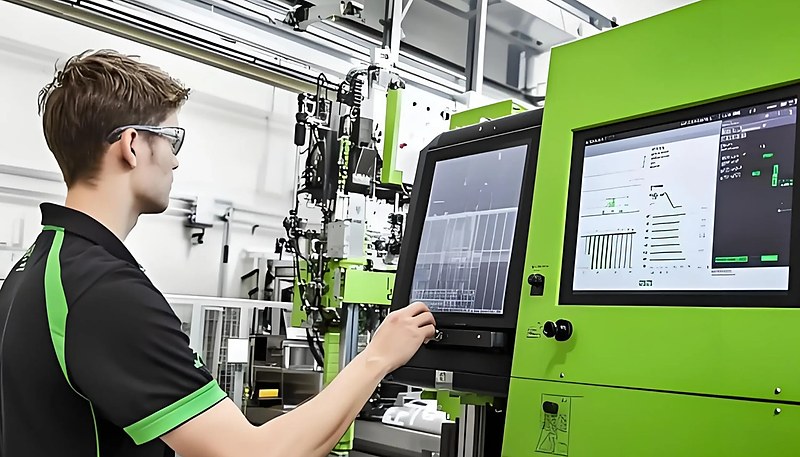
At ZetarMold, our Shanghai factory has 47 injection molding machines from 90T to 1850T, supported by 8 senior engineers, more than 10 QC specialists, and over 30 English-speaking project managers. Our team uses exhibition meetings to understand applications, but we recommend that buyers verify the exact engineering, tooling, inspection, machine, and export resources proposed for their program. A stand introduction is valuable only when it is followed by evidence and a controlled technical decision.
What should buyers know after Rosplast 2025?
The following answers summarize the practical decision points. Apply them to the current product, revision, evidence, supplier, and risk level, then preserve the resulting approval and open actions in the controlled program record.
Frequently Asked Questions
Is Rosplast only for Russian plastics companies?
Rosplast attracts participants and visitors from different parts of the plastics value chain and may include domestic and international companies. Participation varies by year, so use the official event directory for historical exhibitor information. For sourcing, legal entity, production site, export capability, sanctions and trade compliance, payment, logistics, and support must be checked for the specific transaction with qualified advisers. Record the chosen requirement, source evidence, owner, due date, and approval in the controlled project file. Recheck the decision whenever the design, material, volume, process, supplier, or delivery assumption changes.
Can buyers still contact a Rosplast 2025 exhibitor?
Yes. Event directories, company websites, and saved meeting records can support follow-up, but confirm that contact and capability information is current. Staff, sites, equipment, capacity, and commercial conditions can change. Refer to the original meeting while requesting a new requirement confirmation and evidence package. Do not assume that an old booth promise remains valid for a new revision or delivery route. Use a representative example and keep the revision, measurement or review method, result, exception, and approver together. This makes later verification possible and prevents a verbal assumption from becoming an uncontrolled release condition.
What files can be shared during supplier follow-up?
Share only what is necessary for the current gate. Start with a sanitized requirement summary where possible, then use an appropriate confidentiality agreement before releasing sensitive drawings, forecasts, customer identity, or proprietary process data. Mark revisions and recipients, use controlled transfer, and withdraw obsolete files. The supplier should confirm the exact revision used for DFM and quotation so decisions do not rely on mixed inputs. Connect the answer to a practical release gate with objective evidence and a named decision maker. If material risk remains, document containment and the trigger for reopening the technical or commercial review.
Should a factory audit happen before quotation?
A preliminary quotation often comes first because it helps determine whether the supplier is commercially and technically plausible. Audit before final nomination or major commitment when product, tooling, compliance, continuity, or financial risk warrants it. The sequence can vary, but do not spend audit effort on an obviously unsuitable scope and do not authorize high-risk work solely from an unaudited sales presentation. Compare the normal case with peak demand, engineering change, quality containment, and transfer. The written plan should state what was tested, what remains estimated, and which recovery action applies when an assumption fails.
How long should trade-show follow-up remain open?
Set deadlines based on project urgency and the evidence requested. Basic recaps and ownership should be confirmed within days; technical packages may take longer. Close or downgrade leads that do not respond after defined attempts, unless there is a documented reason to retain them. An indefinitely open lead list hides conversion performance and repeatedly consumes attention. A clear disposition can be changed later if new evidence appears. Confirm the conclusion across engineering, quality, operations, procurement, and logistics as relevant. Preserve current files and approval history so the team can explain the decision and safely update it later.
trade show: trade show is a term used here as follows: A trade show is an exhibition where organizations present products and services to a professional audience. ↩
confidentiality agreement: confidentiality agreement is a term used here as follows: A confidentiality agreement defines obligations for protected information shared between parties. ↩
critical path: critical path is a term used here as follows: The critical path is the sequence of dependent activities that determines the earliest completion time. ↩



