Skip to content
PA+GF Injection Molding Manufacturer | PA6 & PA66 Glass Filled Nylon Parts
Zetar Mold provides PA+GF injection molding solutions for automotive, electrical, and industrial applications. Explore PA6, PA66 GF30 materials, mold design, and manufacturing capabilities.
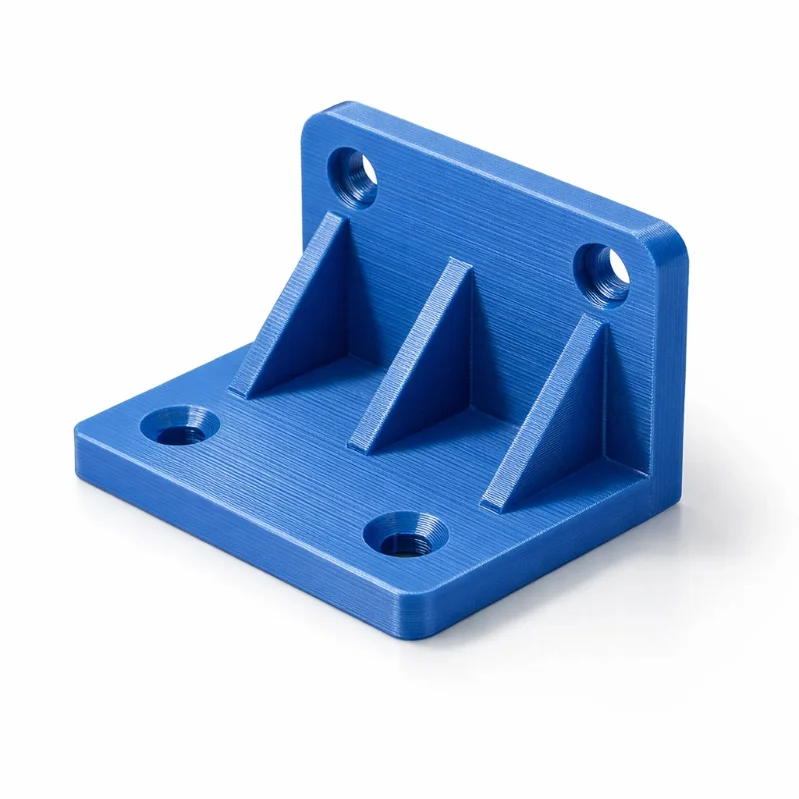
Resources for The Complete Guide to PA+GF Injection Molding Guide
What is PA+GF?
PA+GF, also known as glass filled nylon or glass fiber reinforced nylon, is an engineering plastic material made by reinforcing polyamide (PA) resin with glass fibers (GF). By adding glass fibers into nylon materials, the mechanical performance, dimensional stability, and heat resistance of the material can be significantly improved compared with standard unfilled nylon.
Nylon (PA) is already known for its excellent toughness, wear resistance, and chemical resistance. However, pure nylon has some limitations, such as relatively high moisture absorption, lower stiffness, and dimensional changes caused by humidity. Glass fiber reinforcement helps overcome these limitations by increasing rigidity, strength, and dimensional stability.
PA+GF materials are widely used in injection molding applications where high mechanical performance, lightweight design, and long-term durability are required. Compared with metals, PA+GF provides a lower-weight alternative while maintaining sufficient strength for many structural and functional components.
Common PA+GF Materials:
Why PA+GF for Injection Molding?
High Mechanical Strength
Glass fiber reinforcement allows molded parts to withstand higher loads and stresses compared with standard nylon.
Excellent Dimensional Stability
The addition of glass fibers reduces shrinkage and improves dimensional accuracy, making PA+GF suitable for precision components.
Good Heat Resistance
PA+GF materials can maintain mechanical performance under elevated temperatures, making them suitable for automotive and industrial environments.
Lightweight Alternative
Many manufacturers use PA+GF to replace aluminum or metal components, reducing weight while maintaining functional performance.
Good Chemical Resistance
PA+GF parts can withstand exposure to oils, fuels, and many industrial chemicals.
What Types of Nylon Base Materials Are Used in PA+GF?
PA+GF is not a single material. Its performance depends greatly on the type of nylon resin used as the base material.
Comparing PA6, PA66, PA12, and PA46:

Advantages
- dsads
Applications
dsad
Advantages
- dsads
Applications
dsad
Advantages
- dsads
Applications
dsad
Advantages
- dsads
Applications
dsad
What Do GF15, GF30, GF45, and GF50 Mean in PA+GF Materials?
Lorem ipsum dolor sit amet, consectetur adipiscing elit. Ut elit tellus, luctus nec ullamcorper mattis, pulvinar dapibus leo.
PA6 GF30 vs PA66 GF30: What Is the Difference?
Lorem ipsum dolor sit amet, consectetur adipiscing elit. Ut elit tellus, luctus nec ullamcorper mattis, pulvinar dapibus leo.
What Are the Properties and Characteristics of PA+GF?
Lorem ipsum dolor sit amet, consectetur adipiscing elit. Ut elit tellus, luctus nec ullamcorper mattis, pulvinar dapibus leo.
What Are the Advantages of PA+GF Injection Molding?
Lorem ipsum dolor sit amet, consectetur adipiscing elit. Ut elit tellus, luctus nec ullamcorper mattis, pulvinar dapibus leo.
What Are the Challenges and Limitations of PA+GF?
Lorem ipsum dolor sit amet, consectetur adipiscing elit. Ut elit tellus, luctus nec ullamcorper mattis, pulvinar dapibus leo.
PA+GF Injection Molding Guide: Glass Filled Nylon Materials, Process & Applications
Learn about PA+GF injection molding, including PA6 GF30, PA66 GF30, glass fiber content, material properties, mold design, processing guidelines, defects, and applications.
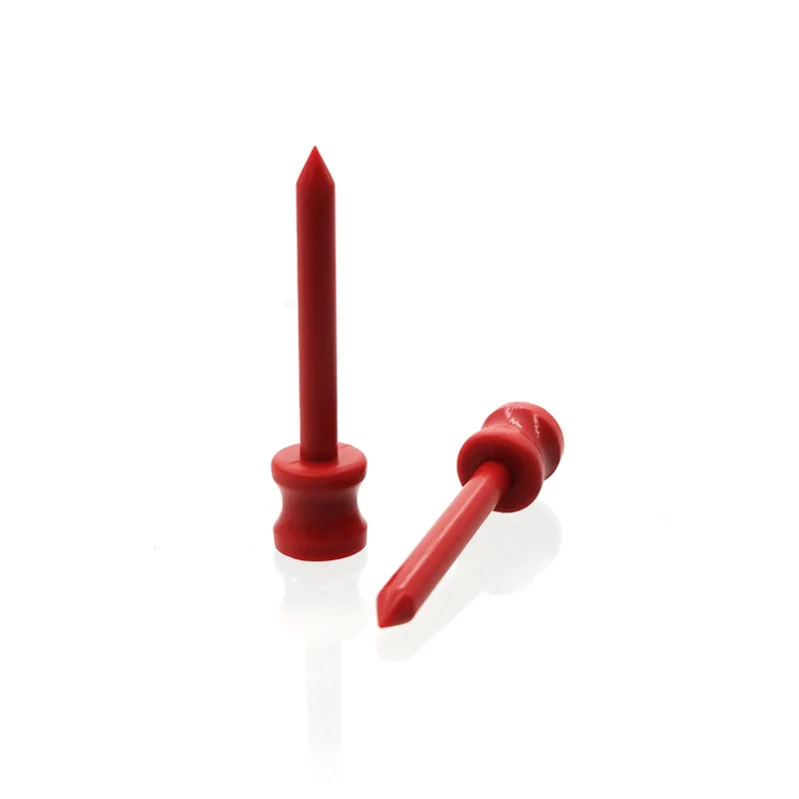
Resources for The Complete Guide to PA+GF Injection Molding Guide
How Does PA+GF Injection Molding Work?
Lorem ipsum dolor sit amet, consectetur adipiscing elit. Ut elit tellus, luctus nec ullamcorper mattis, pulvinar dapibus leo.
Mold Design Guidelines for PA+GF Parts
Lorem ipsum dolor sit amet, consectetur adipiscing elit. Ut elit tellus, luctus nec ullamcorper mattis, pulvinar dapibus leo.
What Mold Steel Is Suitable for PA+GF Injection Molding?
Lorem ipsum dolor sit amet, consectetur adipiscing elit. Ut elit tellus, luctus nec ullamcorper mattis, pulvinar dapibus leo.
What Are Common PA+GF Injection Molding Defects and Solutions?
Lorem ipsum dolor sit amet, consectetur adipiscing elit. Ut elit tellus, luctus nec ullamcorper mattis, pulvinar dapibus leo.
What Are the Applications of PA+GF Injection Molding?
Lorem ipsum dolor sit amet, consectetur adipiscing elit. Ut elit tellus, luctus nec ullamcorper mattis, pulvinar dapibus leo.
How Does PA+GF Compare With Other Engineering Plastics?
Lorem ipsum dolor sit amet, consectetur adipiscing elit. Ut elit tellus, luctus nec ullamcorper mattis, pulvinar dapibus leo.
Frequently Asked Questions (FAQs)
What file formats do you accept for FDM printing orders?
We accept STL, STEP, OBJ, and IGES formats. STEP is recommended for complex assemblies as it retains dimensional accuracy.
What is the minimum order quantity (MOQ) for FDM printed parts?
There is no minimum order quantity. We support single prototype orders as well as batch production runs.
How do you ensure dimensional accuracy and consistency across multiple parts?
Each batch undergoes quality inspection using calibrated measuring tools. We maintain tolerances of ±0.1mm or 0.2% of part dimension.
What is the typical lead time for FDM orders?
Standard orders are fulfilled within 3–5 business days. Rush orders can be accommodated within 24–48 hours depending on complexity and volume.
Can you sign an NDA to protect our design files and intellectual property?
Yes. We routinely sign NDAs prior to receiving any design files and all data is handled under strict confidentiality protocols.
Do you provide material certifications or test reports for engineering-grade filaments?
Yes. Material datasheets and certifications are available for engineering-grade materials including PETG, Nylon, and Polycarbonate upon request.
Can FDM parts be used as end-use production components, or only for prototyping?
FDM parts can serve as functional end-use components, especially in low-volume production, jigs, fixtures, and enclosures — not just prototypes.
How do you handle design issues or DFM concerns before printing?
Our engineering team reviews every submitted file and proactively flags potential issues such as wall thickness, unsupported overhangs, or tolerance conflicts before production begins.


Injection Molding Supplier Delivery Management Checklist for Overseas Buyers
Managing deliveries from an injection molding supplier halfway across the world is not for the faint-hearted. You have language gaps, time zones, shipping routes, customs paperwork, and the eternal question:
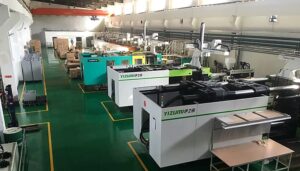
How to Evaluate Injection Molding Supplier Delivery Management Before Production
Choosing the right injection molding supplier is not just about price and quality — delivery management can make or break your production schedule. In our 20+ years of running an
Injection Molding Supplier Logistics Planning: Incoterms, Packaging, and Shipment Timing
When you source injection molded parts from overseas, the price your supplier quotes is only half the story. The other half — how your parts get packed, shipped, and delivered
Optimization Solutions Provided For Free
- Provide Design Feedback and Optimization Solutions
- Optimize Structure and Reduce Mold Costs
- Talk Directly With Engineers One-On-One

 EN
EN  ES
ES  FR
FR  DE
DE  PT
PT  AR
AR  RU
RU  JA
JA  KO
KO  IT
IT  NL
NL  TR
TR  PL
PL