Advanced Design & Manufacturing Expo 2025 connected product developers with suppliers across design, materials, automation, packaging, quality, and production. Because the event has ended, this page now preserves the practical design-to-production lessons instead of presenting an expired booth invitation. The central lesson is that an attractive concept needs a controlled industrialization1 path. Our injection molding process guide shows the manufacturing stages that should be considered before a product team freezes geometry or promises a launch date.
Expo discussions often begin with a rendering, prototype, or early CAD file. Those artifacts are useful, but they do not define production resin, shrinkage, draft, wall transition, gate, cooling, tolerance, appearance, assembly, testing, cavities, automation, or validation. A supplier should expose assumptions and risks before quoting steel. Teams can use the injection mold design and build guide to turn DFM recommendations into approved tooling inputs and measurable release gates.
This retrospective is for product engineers, startup teams, procurement, quality, and operations leaders following up on ADM contacts. It explains how to transfer requirements, run DFM, plan prototypes and bridge production, qualify suppliers, validate the mold, and protect launch continuity. When several exhibitors appear capable, the supplier sourcing guide provides a consistent framework for separating presentation quality from demonstrated engineering and production performance.
Reference vocabulary used in this guide includes industrialization, additive2, process window3. Each term is defined in the references below.
- Translate product intent into measurable manufacturing requirements
- Use DFM to resolve risk before mold steel is released
- Choose prototypes that answer defined technical questions
- Plan validation, measurement, packaging, and supply together
- Keep requirements, owners, evidence, and changes traceable after the expo
What should happen after an ADM Expo product meeting?
The practical answer is the following: Convert each ADM Expo discussion into a controlled product and supplier brief.
Create a meeting record while details are fresh: product purpose, development stage, current revision, material assumptions, annual and peak demand, critical features, appearance, assembly, testing, target launch, and open questions. Identify which statements came from the buyer and which came from the supplier. Send a concise recap with owners and deadlines. This prevents a promising conversation from turning into conflicting memories when engineering, procurement, and the supplier begin separate follow-up threads.
Stage confidential disclosure. A sanitized requirement matrix may be enough for early fit screening; detailed CAD, customer data, forecasts, and intellectual property should use controlled access and appropriate agreements. Give every released file a revision and require the supplier to cite it in DFM and quotation. If the product is still moving, define a freeze date and change process. Industrialization fails quickly when prototype, quote, mold design, and inspection teams work from different geometry.
For this decision, record the approved requirement, current evidence, remaining gap, owner, due date, and release authority. This small discipline separates a verified conclusion from an assumption and gives the team a usable trail when design, demand, material, supplier, or timing changes.
"DFM decisions should be approved before injection mold steel is released."True
Late geometry and tooling changes are slower, more expensive, and harder to validate.
"A 3D-printed prototype proves that a production injection-molded part will behave identically."False
Material, orientation, stress, surface, tolerance, and production process can differ substantially.
How does DFM connect industrial design to injection molding?
The practical answer is the following: DFM connects product intent to a manufacturable, measurable molding process.
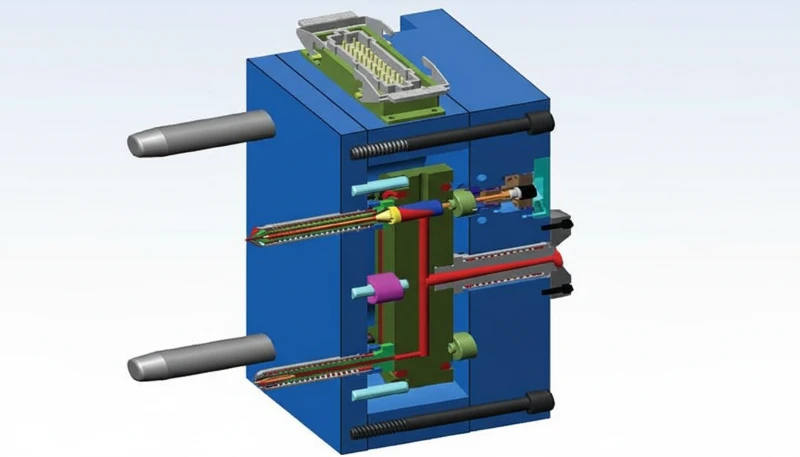
DFM translates design intent into manufacturable geometry and tooling decisions. It should address resin behavior, wall thickness and transitions, ribs, bosses, draft, undercuts, parting line, gates, weld lines, vents, shrinkage, cooling, ejection, texture, cosmetic zones, tolerances, steel-safe conditions, assembly, and measurement. Recommendations should state the risk, evidence or engineering basis, options, tradeoffs, and decision owner. A colored software image without an explained decision is not a complete DFM review.
Product, tooling, molding, quality, and assembly stakeholders should approve critical decisions before steel release. Keep an action register that links each issue to the resulting CAD or specification revision. When risk remains uncertain, use simulation, prototype testing, material trials, tolerance analysis, or designed experiments rather than hiding uncertainty. The objective is not to make every part easy; it is to understand difficult features early enough to design a controlled tool, process, and validation plan.
Validate the conclusion with a representative example and source records. Note the revision, sample basis, machine or tool involved, measurement method, result, exception, and approver so another qualified reviewer can reproduce the reasoning instead of depending on a sales statement or memory.
Which prototype should be used before production tooling?
The practical answer is the following: Choose the prototype that answers the program's current highest-risk question.
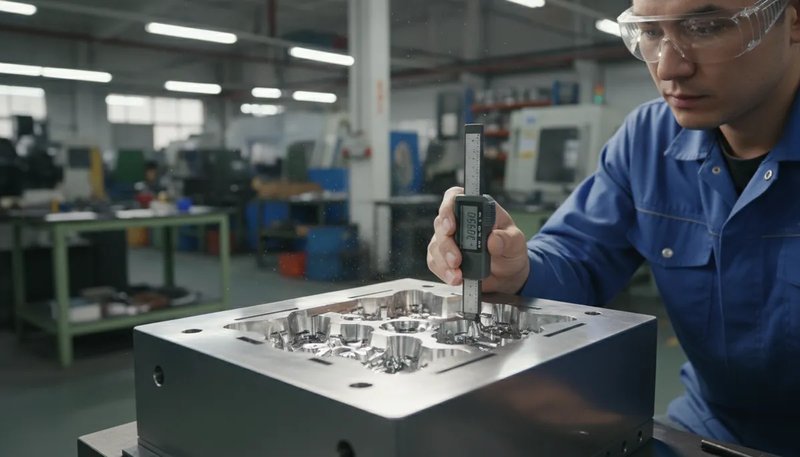
Choose a prototype by the question it must answer. Additive parts can test form, fit, handling, and assembly but may not reproduce molded resin, orientation, stress, surface, or tolerance. CNC parts can provide production material and useful dimensions but still differ from molded behavior. Soft tools, inserts, or bridge molds can reveal molding effects but add cost and time. Document which conclusions are valid and which remain untested before production steel.
Prototype learning should feed requirements, not become an informal golden sample. Record material, process, revision, measurements, test conditions, failures, and accepted changes. If appearance is approved on a non-production process, define how it will be correlated later. Plan samples for destructive, environmental, functional, assembly, and customer testing with realistic lead time. Prototype quantity and schedule should include repeat tests and corrections, not only the first successful demonstration.
Use a risk-based comparison across normal operation, peak demand, change, defect containment, and transfer. State which condition was tested and which remains an estimate. Assign a trigger and recovery action for any assumption that could affect safety, quality, delivery, cost, or customer approval.
| Development gate | Question | Required evidence |
|---|---|---|
| Concept | What must the product do? | Requirements and risk list |
| DFM | Can geometry be molded? | Approved actions and revision |
| Tool validation | Is output capable? | Process and cavity results |
| Ramp | Can supply hold rate? | Yield, uptime, capacity, shipments |
How should teams qualify an injection molding and tooling supplier?
The practical answer is the following: Qualify the proposed factory, tool, process, people, and records together.
Qualification must match the proposed product and site. Review comparable engineering, in-house and subcontracted tooling, machine range, material handling, process development, metrology, quality systems, automation, maintenance, traceability, change control, and launch management. Ask for one connected project trail rather than isolated examples. During an audit, test whether requirements reach operators and whether nonconforming material, obsolete drawings, or unauthorized process changes can enter production.
Normalize quotations across cavities, steel, runner, cooling, components, expected life, trials, measurement, validation, packaging, spare parts, data, warranty, and logistics. Assess capacity using the proposed cycle, yield, uptime, changeover, staffing, and competing demand. Review tool ownership, milestone title, maintenance, release, and transfer support. A supplier is qualified when the proposed people and resources are demonstrated, not merely because the company has a broad capability presentation.
Keep commercial and technical scope aligned. If an option changes material, cavities, cycle, inspection, packaging, inventory, responsibility, or validation depth, show that difference explicitly before comparing price or lead time. Silent scope changes create false savings and late disputes.
What evidence is required at mold validation?
The practical answer is the following: Mold validation requires repeatable process, part, measurement, and release evidence.
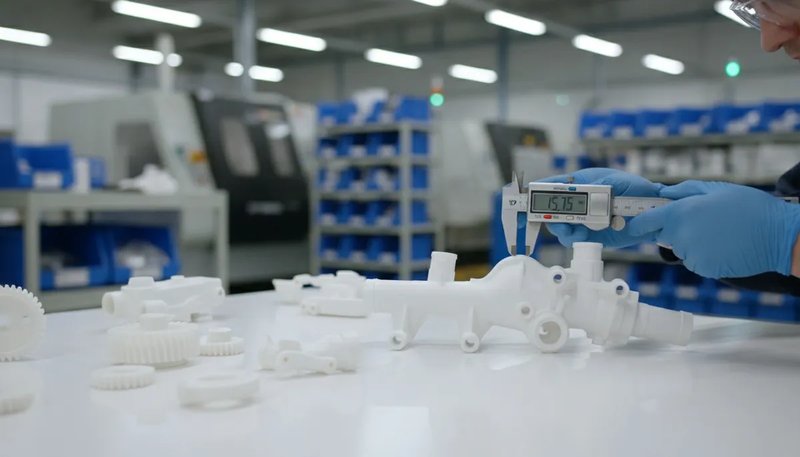
Validation should prove tool function, process stability, and product conformance under controlled conditions. Record machine, resin lot and drying, tool revision, cavities, temperatures, velocities, pressures, transfer, cushion, cooling, cycle, automation, and inspection method. Establish a process window and sample every cavity over time. Evaluate dimensions, appearance, function, assembly, material, packaging, and required reliability. Separate startup transients from steady production and identify any temporary workaround.
Link every failed result to containment, tested cause, correction, and repeat evidence. After changes, update drawings, tool configuration, process sheets, inspection plans, samples, and open-action status. Define who approves part, process, tool, and customer submissions; those decisions may occur at different times. Do not let shipment of early samples imply production approval. Preserve the validated baseline so later deviations, maintenance, material changes, or site transfers can be assessed objectively.
Approval should rely on objective closure evidence such as drawings, photographs, measurements, process records, capability results, maintenance history, test reports, or signed decisions. A verbal assurance can support follow-up, but it should not release a high-risk gate without the agreed record.
"Mold validation should sample every cavity over time."True
Cavity identity and repeated results reveal imbalance and transient conditions hidden by selected samples.
"A supplier capability presentation proves capacity for the proposed launch."False
Capacity depends on the reserved machine, cycle, yield, staffing, maintenance, and competing demand.
How can teams protect launch and ramp-up after ADM Expo?
The practical answer is the following: Protect launch through explicit gates, owners, baselines, and recovery plans.
Build the launch schedule from dependencies: requirement freeze, DFM, design approval, components, steel, machining, assembly, trials, corrections, validation, customer approval, packaging, inventory, and transport. Each milestone needs a deliverable and owner. Add realistic correction loops and external approvals. Track tool, product, process, documentation, and supply readiness separately. A single progress percentage hides the difference between machined steel and a capable, approved production system.
During ramp-up, review cycle, yield, cavity balance, downtime, maintenance, inspection, staffing, material, supplier capacity, shipment, and customer feedback at defined intervals. Freeze critical parameters and require change approval. Keep extra observation on the first lots and protect inventory for containment. Establish escalation contacts and a continuity plan before failure occurs. The transition is complete only when output remains capable at rate and the receiving organization can maintain the controlled condition without project-team heroics.
Recheck the decision whenever the product revision, annual volume, peak mix, resin, manufacturing site, subcontractor, tool condition, process window, measurement method, or delivery route changes. Controlled change review keeps an initially sound decision from becoming stale during launch and production.
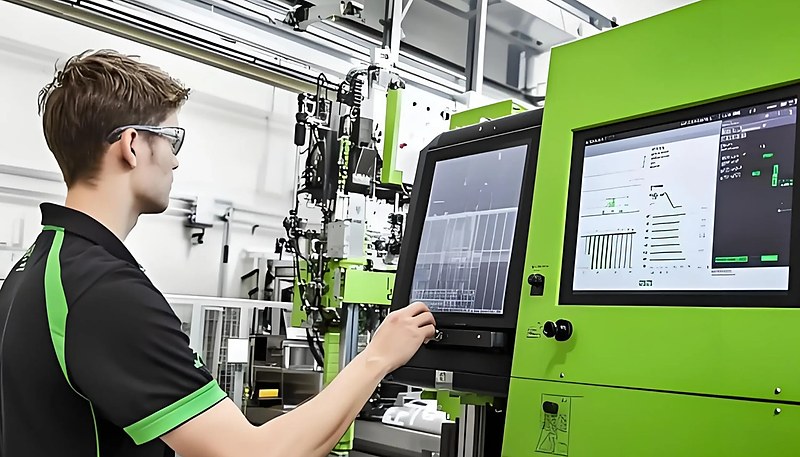
In our Shanghai factory, our team moves product programs from DFM through tooling and production across 47 injection molding machines from 90T to 1850T. Our 8 senior engineers, more than 10 QC specialists, and over 30 English-speaking project managers coordinate design actions, trials, measurements, changes, and launch evidence. We recommend making every expo follow-up decision traceable to a revision and release gate; advanced equipment cannot compensate when product intent and production evidence are disconnected.
What do product teams ask after ADM Expo?
The following answers summarize the practical decision points. Apply them to the current product, revision, evidence, supplier, and risk level, then preserve the resulting approval and open actions in the controlled program record.
Frequently Asked Questions
Is ADM Expo useful for finding injection molding suppliers?
Yes, it can efficiently introduce product teams to molding, tooling, materials, automation, quality, and other manufacturing resources. Treat contacts as leads until product-specific capability, site, quality, capacity, ownership, commercial, and supply evidence is verified. Use a structured meeting record and follow-up gates. The best stand or sample does not remove the need for DFM, quotation normalization, audit, validation, and contract review. Record the chosen requirement, source evidence, owner, due date, and approval in the controlled project file. Recheck the decision whenever the design, material, volume, process, supplier, or delivery assumption changes.
When should CAD be frozen for injection mold design?
Freeze the revision used for mold design after critical DFM, product, assembly, material, tolerance, appearance, and validation decisions are approved. Some programs need controlled late changes, so freeze does not mean changes are impossible. It means each change has an owner, impact review, cost and schedule decision, updated files, and an effective boundary. Never allow steel work to continue against an unclear or mixed revision. Use a representative example and keep the revision, measurement or review method, result, exception, and approver together. This makes later verification possible and prevents a verbal assumption from becoming an uncontrolled release condition.
Do startups need production validation for low volume?
Validation depth should follow product and business risk, not company size. Low volume may reduce statistical confidence and can make each failure more disruptive. Define safety, regulatory, functional, dimensional, appearance, material, traceability, and assembly needs, then choose proportionate evidence with qualified specialists. Even simple products need a controlled revision, usable process, inspection, and change record. Avoid claiming mass-production readiness from a few hand-selected samples. Connect the answer to a practical release gate with objective evidence and a named decision maker. If material risk remains, document containment and the trigger for reopening the technical or commercial review.
Who should own DFM decisions?
The supplier should explain manufacturing risk and options, while the product owner retains authority for product requirements. Tooling, molding, quality, assembly, regulatory, and customer stakeholders may need approval depending on the issue. Record the recommendation, tradeoff, decision, approver, revision, and open risk. Procurement should not approve a technical compromise alone, and engineering should not accept unreviewed commercial or schedule consequences. Compare the normal case with peak demand, engineering change, quality containment, and transfer. The written plan should state what was tested, what remains estimated, and which recovery action applies when an assumption fails.
What should be included in an injection molding launch handoff?
Include approved product and tool revisions, DFM actions, bill of materials, process window and setup sheet, inspection plan and programs, cavity results, material and color standards, approved samples, packaging, maintenance, spare parts, control plan, change history, open issues, capacity assumptions, escalation contacts, and customer approvals. Verify that receiving teams can open files, operate equipment, measure parts, and explain the release rules before closing the project. Confirm the conclusion across engineering, quality, operations, procurement, and logistics as relevant. Preserve current files and approval history so the team can explain the decision and safely update it later.
industrialization: industrialization is a term used here as follows: Industrialization is the structured development of a product and process for repeatable production. ↩
additive: additive is a term used here as follows: Additive manufacturing creates objects by adding material from a digital model. ↩
process window: process window is a term used here as follows: A process window is the range of operating conditions that can produce acceptable output. ↩



