コンテンツへスキップ
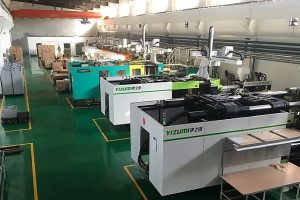
47台の射出成形機と、ISO 9001、13485、14001、45001規格を網羅する包括的な品質システムを備え、従来の枠組みを超えるプロジェクトに対応する能力とプロセスを有しています。30名以上の英語対応チームメンバーが開発プロセス全体を通じて明確なコミュニケーションを確保し、豊富な樹脂在庫と確立されたサプライヤー関係により、標準材料では要件を満たせない場合にも柔軟な対応が可能です。
Design constraints include minimum wall thickness requirements, draft angles, and limitations on undercuts
Material restrictions exclude thermosets, certain fiber composites, and ultra-high temperature polymers
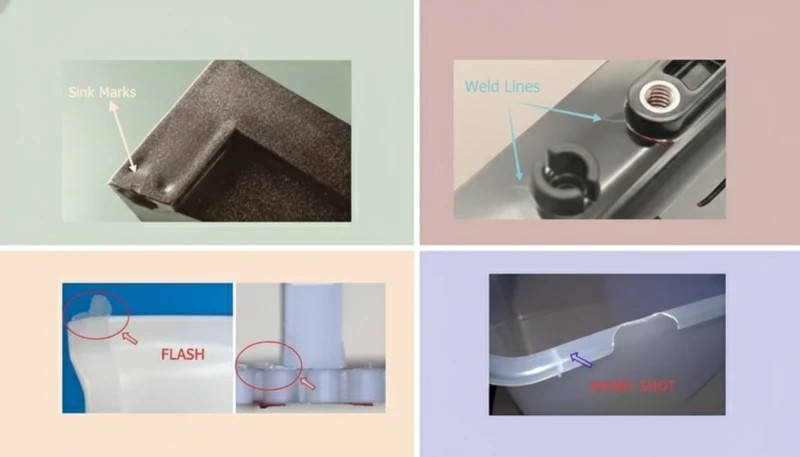
Common quality issues stem from warpage, sink marks, flash, and inconsistent filling patterns
Alternative processes like CNC machining or 3D printing may be better for prototypes and complex geometries
After running 47 injection molding machines in our Shanghai facility for nearly two decades, I’ve seen every limitation this process can throw at you. While injection molding remains the backbone of mass production manufacturing, understanding its constraints upfront can save you months of redesign headaches and thousands in tooling costs.
The reality is that injection molding isn’t a universal solution. Each project brings unique challenges, and recognizing when you’re pushing against the process boundaries early in development makes the difference between a successful launch and a costly learning experience. Let me walk you through the real-world limitations we encounter daily.
What Are the Main Limitations of Injection Molding?
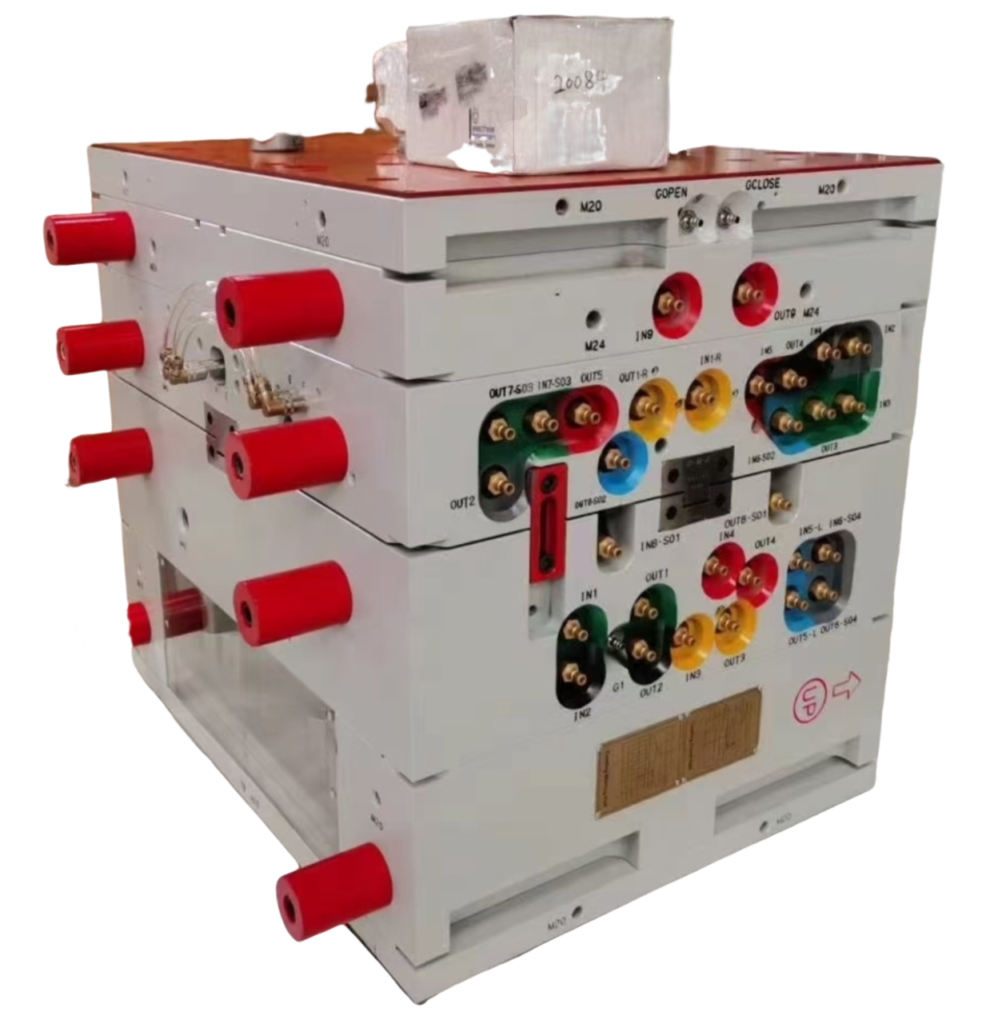
The most significant limitation is the substantial upfront investment required for tooling. Unlike additive manufacturing or machining, you can’t just fire up the machine and start making parts. Every 射出成形プロジェクト1 requires custom tooling that can cost anywhere from $5,000 for simple geometries to over $100,000 for complex multi-cavity molds with advanced features.
Material selection presents another major constraint. While we stock over 400 different resins in our facility, certain material classes simply don’t work with injection molding. Thermosets that cure rather than melt, highly filled composites with aggressive fibers, and materials that degrade at processing temperatures all fall outside the feasible range.
Design freedom, while extensive, has clear boundaries. Wall thickness variations, draft requirements, and the need for straight-pull molding without complex side actions all impose geometric constraints that can force significant design modifications. Understanding these limitations during the concept phase prevents costly redesigns later.
Why Is Tooling Cost a Major Barrier for Small Runs?
The economics of injection molding are brutally simple: you need volume to justify the tooling investment. When a mold costs $25,000 and you only need 500 parts, you’re looking at $50 per part just for tooling amortization before considering material and processing costs. This makes injection molding completely uneconomical for prototype quantities or specialized applications with limited volumes.
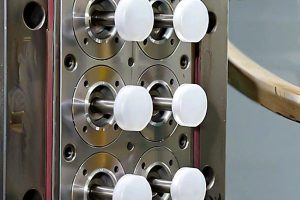
Tooling complexity drives costs exponentially, not linearly. A simple two-plate mold might run $8,000, but add undercuts requiring side actions, multiple cavities for efficiency, or tight tolerance requirements, and costs can jump to $60,000 or more. The relationship between part complexity and 金型設計2 requirements isn’t always obvious during initial design phases.
Lead times compound the problem for time-sensitive projects. Even with our experienced team of 8 engineers and established supplier network, complex tooling can require 8-12 weeks for design and fabrication. Rush jobs are possible but come with premium pricing that further erodes the economic advantage for smaller quantities.
What Design Constraints Does Injection Molding Impose?
Wall thickness uniformity ranks as the most critical design constraint. Variations greater than 25% between adjoining sections create differential cooling rates that lead to warpage, sink marks, and internal stress concentrations. We typically recommend maintaining wall thickness between 1-4mm for most thermoplastics, with thicker sections requiring careful analysis of cooling behavior.
Draft angles aren’t optional—they’re mandatory for part ejection. Minimum draft requirements vary by material and surface finish, but 0.5-2 degrees per side represents typical requirements. Deep cavities or textured surfaces need even more draft, which can significantly impact the final part geometry compared to initial design intent.
Undercuts and internal features pose major challenges since injection molding relies on straight-pull mold opening. While side actions and collapsing cores can create complex internal geometries, each additional mechanism increases tooling cost and cycle time. We often recommend design modifications that eliminate undercuts entirely or relocate them to assembly operations.
Which Materials Cannot Be Used in Injection Molding?
Thermoset plastics represent the largest excluded material category. Unlike thermoplastics that soften when heated, thermosets undergo irreversible chemical crosslinking during cure. Once cured, reheating causes degradation rather than melting, making them incompatible with injection molding’s melt-and-flow process. Epoxies, phenolics, and most polyurethanes fall into this category.
Highly filled composite materials with aggressive reinforcements create processing nightmares. Glass fiber loadings above 40% or carbon fiber reinforced compounds can cause excessive tool wear, poor flow characteristics, and surface finish problems. The abrasive nature of these materials requires specialized tool steels and processing conditions that many facilities can’t accommodate.
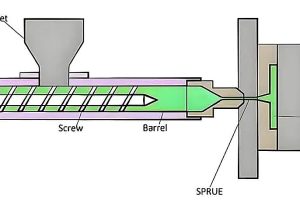
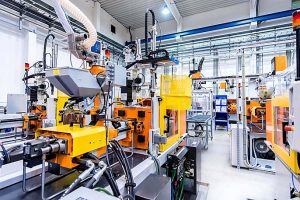
Ultra-high temperature polymers like PEEK and PEI push equipment capabilities to the limit. Processing temperatures above 400°C require specialized screws, heating systems, and hot runner technologies that aren’t available on standard injection molding equipment3. While technically possible, the equipment requirements make these materials expensive and limit supplier options.
What Quality Issues Commonly Arise from Process Limitations?
Warpage tops the list of quality challenges, particularly with large, flat parts or asymmetric geometries. Non-uniform cooling creates internal stresses that manifest as dimensional distortion after ejection. Even with optimized cooling channel design and processing parameters, some geometries simply can’t be molded to tight flatness specifications without secondary operations.
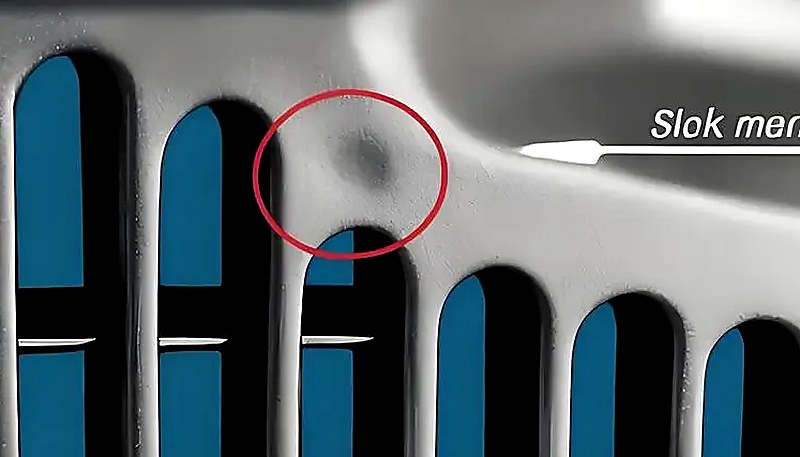
Sink marks and surface defects occur when thick sections cool slower than surrounding areas, creating localized shrinkage depressions. While design modifications can minimize these issues, eliminating them entirely often requires wall thickness reductions that may compromise part strength or function. The trade-off between surface quality and structural performance becomes a constant design consideration.
Incomplete filling in thin-walled sections or complex geometries represents another fundamental limitation. Flow length to thickness ratios have practical limits, and exceeding them results in short shots or excessive injection pressures that damage tooling. Flow analysis helps predict these issues, but geometric constraints sometimes make them unavoidable without design changes.
When Should You Consider Alternative Manufacturing Processes?
Low-volume production requirements under 1,000 pieces typically favor alternative processes like CNC machining or additive manufacturing. The tooling cost amortization simply doesn’t work at these quantities, even with simplified mold designs. 3D printing technologies have evolved to handle production-grade materials for many applications, eliminating tooling costs entirely.
Prototype development almost always benefits from alternative approaches initially. Rapid iteration and design changes are expensive with injection molding due to tooling modifications. CNC machining, stereolithography, or selective laser sintering allow multiple design iterations at reasonable costs before committing to injection molding tooling.

Complex internal geometries with multiple undercuts, internal channels, or impossible-to-machine features may be better suited to additive manufacturing. While injection molding can create complex parts, the tooling complexity and cost increase exponentially with geometric difficulty. Some geometries that are trivial for 3D printing would require prohibitively expensive multi-slide tooling for injection molding.
What Are the Most Frequently Asked Questions About Injection Molding Limitations?
射出成形の最小経済ロット数は何ですか?
The break-even point typically falls between 1,000-5,000 pieces, depending on part complexity and tooling costs. Simple geometries with basic two-plate molds can be economical at lower volumes, while complex parts requiring expensive tooling may need 10,000+ pieces to justify the investment. We analyze each project individually, considering tooling costs, cycle times, material costs, and alternative manufacturing options to determine the optimal production method for specific volume requirements.
ゼロドラフト角度で部品を射出成形できますか?
Technically possible but highly problematic in practice. Parts with zero draft require extremely precise tooling and often suffer from ejection difficulties, surface scuffing, and potential tool damage. The ejection forces required can distort thin-walled parts or cause stress concentrations that lead to premature failure. We strongly recommend minimum 0.5-degree draft angles even for cosmetic surfaces, with 1-2 degrees preferred for functional surfaces and textured areas.
厚肉部が射出成形で品質問題を引き起こすのはなぜですか?
Thick sections cool much slower than surrounding thin areas, creating differential shrinkage that causes warpage, sink marks, and internal stress concentrations. The slower cooling also extends cycle times and can lead to thermal degradation of heat-sensitive materials. Additionally, thick sections may not cool uniformly throughout their cross-section, potentially leaving soft or weak areas in the part center. We recommend maintaining wall thickness uniformity within 25% and using ribs or hollow sections instead of solid thick areas wherever possible.
どの材料が射出成形で最も成功させるのが難しいですか?
High-temperature engineering plastics like PEEK, PPS, and liquid crystal polymers present the greatest challenges due to their narrow processing windows and requirements for precise temperature control. These materials often require specialized equipment, extended drying times, and careful handling to prevent contamination. Glass-filled materials above 30% loading also create difficulties with tool wear, flow restrictions, and fiber orientation effects that can cause anisotropic properties and warpage issues.
アンダーカットや内部形状が必要な部品はどのように処理しますか?
Undercuts require side actions, lifters, or collapsing core mechanisms that add complexity and cost to the tooling. Each additional mechanism increases cycle time and introduces potential failure points. We evaluate whether undercuts can be eliminated through design modifications, relocated to assembly operations, or created through secondary machining. When undercuts are unavoidable, we optimize the tool design to minimize the number of mechanisms while ensuring reliable operation throughout the tool’s production life.
射出成形の公差制限は何ですか?
Standard injection molding tolerances typically range from ±0.05mm to ±0.15mm, depending on part size, material selection, and geometric complexity. Tighter tolerances are achievable but require premium tooling, process optimization, and often secondary operations. Material shrinkage variations, thermal effects, and tool wear all impact achievable tolerances. We recommend designing parts with the loosest acceptable tolerances and specifying tight tolerances only where functionally critical, as each tolerance upgrade significantly impacts tooling cost and production complexity.
射出成形は光学歪みなしに透明な部品を製造できますか?
Achieving optical clarity requires careful attention to material selection, processing conditions, and mold design. Stress concentrations from gates, ejector pins, or cooling variations can create birefringence patterns visible under polarized light. Gate placement becomes critical, and polished tool surfaces with optimized cooling are essential. Some geometries, particularly thick sections or complex shapes with stress concentrations, may never achieve optical quality regardless of processing optimization. We often recommend secondary annealing operations for critical optical applications.
射出成形におけるサイクルタイムの制限要因は何ですか?
Cooling time represents the largest component of cycle time, typically 60-80% of the total cycle. Thick sections, poor cooling channel design, or high-temperature materials all extend cooling requirements. Part complexity requiring multiple side actions or complex ejection sequences also adds time. While faster cycles are always desirable for cost reduction, pushing beyond material and geometric limitations leads to quality issues like incomplete cooling, ejection problems, or dimensional instability that ultimately cost more than the time savings provide.
Why Choose ZetarMold for Complex Injection Molding Projects?
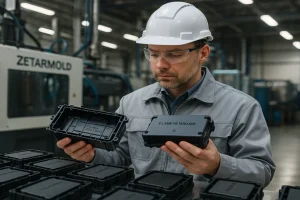
Understanding limitations is only half the battle—working with a manufacturer who knows how to navigate them makes all the difference. At ZetarMold, our 120+ staff members have been solving complex injection molding challenges since 2005, building expertise across diverse industries and applications. Our engineering team doesn’t just identify problems; we propose practical solutions that balance design intent with manufacturing reality.
With 47 injection molding machines and comprehensive quality systems covering ISO 9001, 13485, 14001, and 45001 standards, we have the capability and processes to handle projects that push conventional boundaries. Our 30+ English-speaking team members ensure clear communication throughout the development process, while our extensive resin inventory and established supplier relationships provide flexibility when standard materials won’t meet requirements.
Need a Quote for Your Injection Molding Project?
Get competitive pricing, DFM feedback within 48 hours, and production timelines from ZetarMold’s engineering team.
-
射出成形プロセス: 射出成形の限界:エンジニアが知るべきこと ↩
-
金型のデザイン: The engineering process of creating tooling that shapes molten plastic into the desired part geometry, including considerations for cooling, ejection, and dimensional accuracy ↩
-
Injection Molding Equipment: Industrial machinery consisting of an injection unit, clamping system, and control systems that heat, inject, and form plastic parts in coordinated cycles ↩

 EN
EN  ES
ES  FR
FR  DE
DE  PT
PT  AR
AR  RU
RU  JA
JA  KO
KO  IT
IT  NL
NL  TR
TR  PL
PL