コンテンツへスキップ
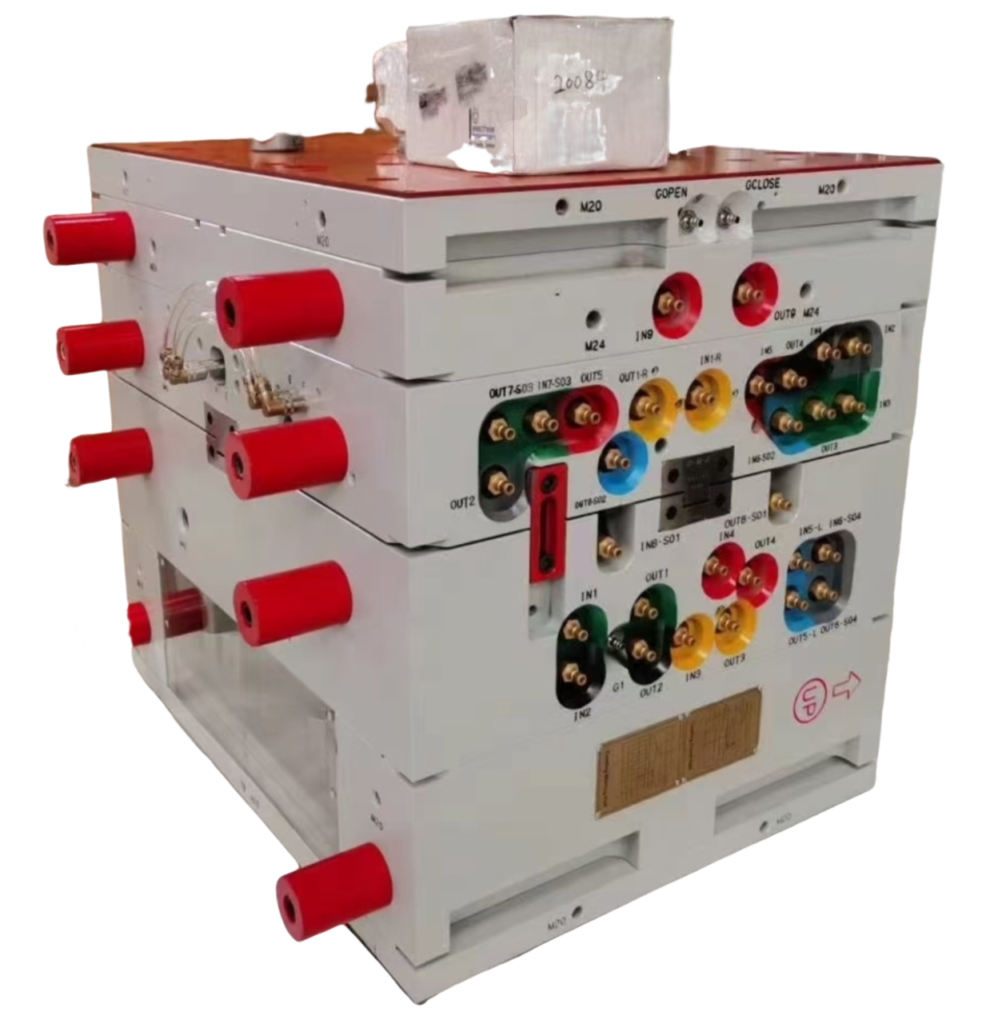
PLA can be molded by injection, and many flowerpot-type products have already adopted PLA materials as a sustainable alternative. The short answer is yes — but it demands tighter process control than commodity resins like PP or PE. Understanding PLA 射出成形1 means looking at drying requirements, melt temperature windows, mold cooling, and how this biodegradable resin behaves differently from petroleum-based plastics on the production floor.
For broader context, compare this topic with supplier sourcing guide.
For readers comparing injection molding options, this article connects 射出成形金型設計2、プラスチック材料の挙動、 supplier3 評価と品質管理の判断は、プロジェクトが設計段階から反復可能な生産段階へ移行できるかを決定します。
PLAは射出成形の加工性が良く、生分解性に優れ、原料が植物性であることから、今世紀最も有望なグリーン素材とされている。
- PLA is a biodegradable thermoplastic compatible with standard injection molding equipment when properly dried and temperature-controlled.
- PLA requires moisture control at ≤0.025% and mold temperatures of 20–30°C for consistent quality.
- PLA offers low shrinkage (0.3%) and excellent compostability but lower heat resistance than engineering plastics.
- Mold design for PLA should keep wall thickness under 4 mm with active water cooling.
- ZetarMold brings 20+ years of experience across 400+ materials, including biodegradable PLA resins.
Although PLA can be treated as a general-purpose resin, there are still some unique features in the injection molding process of PLA compared with other general-purpose resins.
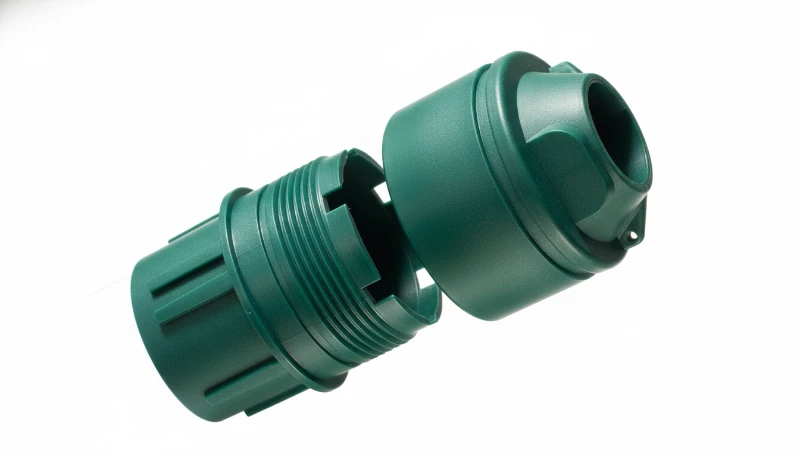
PLAとは何か、なぜ射出成形に使われるのか?
“Can PLA plastic be injection molded? should be evaluated through process stability, mold design, material behavior, and inspection evidence.”真
信頼性の高い生産判断には、定義だけでなく、工具、樹脂、プロセスウィンドウ、品質管理のコンテキストが必要です。
「単価が低いだけで、射出成形プロジェクトを判断するには十分です。」偽
工具寿命、スクラップリスク、寸法変動、サプライヤーの応答時間、検証記録は、わずかな見積もり価格差を上回る可能性があります。
PLA (Polylactic Acid) is a biodegradable thermoplastic derived from renewable plant resources like corn starch, and it is widely used in injection molding because it combines good mechanical properties with excellent compostability. PLA has high strength without curling, very low shrinkage (0.3%), and is an environmentally friendly material that is 100% degradable by composting, with excellent molding performance, stable thermoforming scale, good adhesion between layers, and good glossiness.
PLAは熱安定性に優れ、加工温度は170~230℃、耐溶剤性に優れ、様々な加工が可能で、加工しやすく、用途が非常に広い。例えば、押出成形、射出成形などである。PLAから作られた製品は、良好な生体適合性、光沢、透明性、手触り感、耐熱性に加えて、生分解性である。
What are the key material characteristics of PLA?
The key material characteristics of pla are the main categories or options explained in this section. The key characteristics of PLA include biodegradability from renewable resources, high tensile strength, low shrinkage, good gloss and transparency comparable to polystyrene, and the best antibacterial properties among biodegradable plastics. 1. PLA is a new type of biodegradable material made from starch plastic composites and raw materials from renewable plant resources (such as corn).
デンプン原料を糖化してグルコースを得、グルコースと特定の菌株を発酵させて高純度の乳酸を作り、化学合成法で特定の分子量のPLAを合成する。
生分解性が良く、使用後は自然界の微生物によって完全に分解され、最終的には環境を汚染することなく二酸化炭素と水を発生させることができるため、環境保護に非常に有益であり、環境に優しい素材として認められている。
一般的なプラスチックの処理方法はやはり焼却や火葬で、温室効果ガスを大量に大気中に排出してしまうが、PLAプラスチックは土に埋めて分解し、発生した二酸化炭素は直接土壌有機物に入るか、植物に吸収されるため、大気中に排出されず、温室効果も発生しない。
Which PLA properties affect molding?
2.機械的性質と物理的性質が良い。PLAはブロー成形、熱可塑性プラスチックなど様々な加工方法に適している。加工が容易で、非常に広く使用されている。
工業用から民生用、包装食品、ファストフードの弁当箱、不織布、工業用および民生用の布まで、さまざまなプラスチック製品の加工に使用できる。
さらに、農業用織物、ヘルスケア用織物、ワイプ、衛生用品、屋外用UVカット織物、テント用織物、フロアマットなどに加工することができる。市場の見通しは非常に有望である。
3.良好な相溶性と分解性。PLAは医療分野でも広く使用されており、例えば使い捨て輸液器具、剥がせない手術用縫合糸などがあり、低分子PLAは薬剤徐放性包装剤などとして使用されている。
4.生分解性プラスチックの基本的な特性に加えて、PLAには独自の特性もある。従来の生分解性プラスチックの強度、透明性、気候変動に対する耐性は、通常のプラスチックほど優れていない。
5.PLAは石油化学合成プラスチックと基本的な性質が似ているため、幅広い用途に使用できる。PLAはまた、他の生分解性製品にはない、ポリスチレンから作られたフィルムに匹敵する、良好な光沢と透明性を持っている。
6.PLAは最も優れた引張強度と延性を持ち、一般的な様々な工程で製造することができる。
For example, melt extrusion, injection molding, blow molding, foam molding, and vacuum molding have similar forming conditions to widely used polymers, and it has the same printing properties as conventional films.
さらに、従来のフィルムと同様の印刷特性も備えている。このように、PLAはさまざまな産業界のニーズを満たすために、さまざまな用途に使用することができる。
7.PLAフィルムは通気性、酸素透過性、二酸化炭素透過性に優れ、臭気を遮断する性質もある。
生分解性プラスチックの表面にはウイルスやカビが付着しやすく、安全性や健康面で懸念があるが、PLAは生分解性プラスチックの中で唯一、抗菌・抗カビ性に優れている。
8.PLAを焼却する場合、その燃焼発熱量は紙を焼却するのと同じで、従来のプラスチック(ポリエチレンなど)を焼却する場合の半分であり、PLAを焼却しても窒素化合物や硫化物などの有毒ガスは発生しない。
人間の体内にもモノマーの形で乳酸が含まれており、この分解可能な製品の安全性を示している。
What are the mold requirements for PLA injection molding?
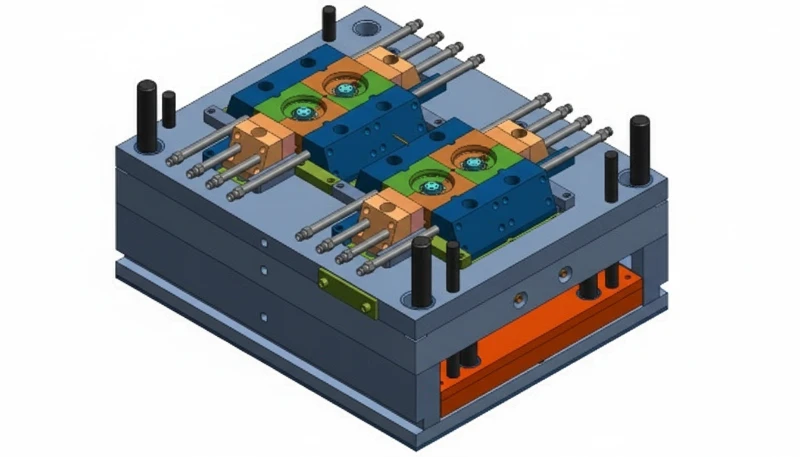
PLA injection molding requires active water cooling in the mold, wall thickness kept below 4 mm, and mold temperatures controlled between 20–30°C. The mold must be equipped with a water chiller — for example, a 200g injection molding machine typically pairs with a 2kW chiller to maintain proper cooling.
厚肉製品の射出速度は薄肉製品の射出速度に比べて相対的に遅いので、金型は製品の厚さを4mm以下に制御するように設計する必要があり、金型のコア、キャビティ、または前後のテンプレートとスライドブロックは通水して冷却する必要があり、金型の温度は20〜30℃に制御する必要がある。
What drying conditions does PLA resin require before molding?
PLA drying is mandatory before molding because moisture causes viscosity loss and surface defects. Resin should reach a moisture content of ≤0.025% (250 ppm) before injection molding. Typical drying conditions are 80°C air temperature, -40°C dew point, air flow rate >1.85 m3/h-kg, for 2–3 hours; or vacuum drying at 80°C for 2–3 hours. In our experience, keeping the hopper sealed after drying is just as important as hitting the initial drying number.
典型的な乾燥条件は、空気温度80℃、空気露点-40℃、空気流量1.85m3/h-kg以上、乾燥時間2~3時間、または空気温度80℃、真空乾燥時間2~3時間である。
乾燥させた樹脂は空気に触れさせないようにし、窒素を充填したアルミホイルの袋、さらに箱や袋に入れて保護する。使用前は密封し、未使用分は使用後速やかに密封する。
材料が1時間以上空気に触れる場合は、上記のように再乾燥する必要がある。
ホッパーに添加されたPLA樹脂が工程中に吸湿しないようにするため、製造工程ではインライン乾燥除湿機を使用しなければならないことに留意すべきである。
“Early DFM review for PLA parts reduces mold rework and production surprises.”真
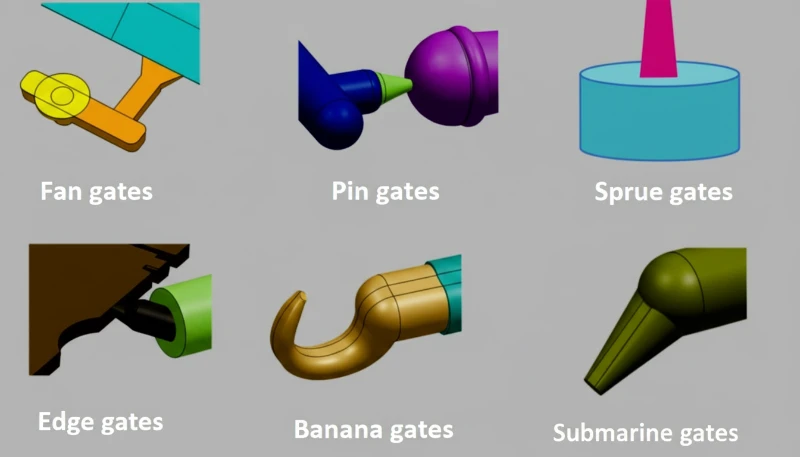
Wall thickness, gate placement, draft angles, ejection strategy, cooling channel layout, and resin-specific shrinkage behavior are cheaper to adjust before steel is cut — and PLA’s low shrinkage and hygroscopic nature add extra DFM considerations.
“If a molded PLA part looks acceptable on the first shot, the process is automatically production-ready.”偽
Production readiness requires repeatable cycles, documented moisture control, stable melt temperature, and clear dimensional acceptance criteria — especially for hygroscopic resins like PLA.
In our Shanghai factory, we run 47 injection molding machines (90T–1850T) and have experience processing over 400 plastic materials, including biodegradable resins like PLA. Drying, melt temperature control, and mold cooling are critical for PLA — our process engineers monitor these parameters on every biodegradable resin run.
What is the PLA injection molding process?
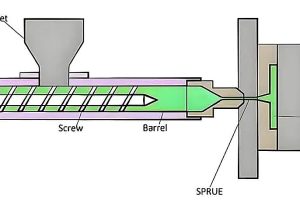
The pla injection molding process is defined by the function, constraints, and tradeoffs explained in this section. Cleaning the injection molding machine with low-viscosity polystyrene or polypropylene is the first injection molding process step before injecting PLA resin, and then the machine should be maintained at a steady processing temperature.
充填ホッパー内の空気湿度が露点-40℃以下になるようにし、粉塵の混入を避ける。上記の条件に従って、PLA樹脂を射出成形機に注入し、最後に装置の温度をPLA樹脂の処理温度に合わせる。
During the PLA injection molding process, if you need to stop the machine for a short time (usually within half an hour), make sure to seal the baffle plate at the bottom of the hopper first, and then empty the remaining material in the barrel to prevent the feeding throat from being blocked.
生産再開が確認されたら、バッフルプレートのみを開いて材料を追加する。処理中に材料の変色や劣化があった場合は、直ちにバレル貯槽を空にしてから新しい材料を入れ、材料の状態が元に戻っているか観察する。
正常であれば生産を続行し、正常でなければ適切な調整を行う。生産後に機械を停止する必要がある場合は、高粘度のポリスチレンまたはポリプロピレンを使用して機械を清掃してください。
射出成形に関して、PLAは他の従来のプラスチックと比べてどうですか?
PLAは、コーンスターチなどの再生可能資源から作られたプラスチックである。PLAは生分解性であるため、従来のプラスチックに代わる魅力的な選択肢となる。射出成形の場合、PLAは他のプラスチックよりも融点が低く、もろくなりやすい。
そのため、すべての用途に適しているわけではない。しかし、PLAはその特性を改善するために他の材料とブレンドすることができる。
For example, adding cellulose fibers can help increase the strength of the finished product. Overall, PLA is a promising injection molding material, but further research is needed to develop blends suitable for all applications.
射出成形プロジェクトでPLAを使用する利点は何ですか?
The benefits of using pla in injection molding projects are the main categories or options explained in this section. PLA is a biodegradable plastic derived from renewable resources, such as corn starch, and wood-plastic composites PLA has many advantages over traditional petroleum-based plastics, making it an attractive option for injection molding projects.
PLA can be compounded with biodegradable thermoplastic elastomeric materials to modify the physical properties of PLA without compromising its compostability.
PLAを使用する最大のメリットのひとつは、他の種類のプラスチックよりも環境に優しいことだ。PLAは商業施設で堆肥化できるため、最終的には水や二酸化炭素などの自然物質に分解される。
対照的に、石油由来のプラスチックは分解に何百年もかかる。また、PLAは他のプラスチックよりもはるかに安全に製造できる。PLAの製造は、他のプラスチックの製造に比べて温室効果ガスの排出量がはるかに少なく、有毒な化学物質を使用する必要もない。
Therefore, using PLA can help reduce your company’s impact on the environment. The launch schedule should still be checked against realistic injection molding production time, because drying, cooling, and validation work can offset the material benefit if planning is too optimistic. Finally, PLA is stronger and more durable than many other biodegradable polymers plastics. It can be used in a wide range of applications, making it a versatile material for injection molding projects.
PLAがあなたのプロジェクトのニーズに適したプラスチックかどうかは、どのように判断すればよいのでしょうか?
PLA is becoming a popular choice for eco-conscious consumers. However, PLA has some drawbacks that you should consider before choosing it for your next project. In contrast to the cooling process from a melt below the glass transition temperature to a lower temperature, PLA crystallization is a slower process.
最初PLAは他のプラスチックほど強度が高くないため、高い耐久性を必要とするプロジェクトには適さないかもしれない。
セカンドPLAは加工が難しいので、初心者には向かないかもしれない。
最後にPLAは他のプラスチックよりも高価なので、それを予算に組み入れる必要がある。
環境にやさしく、比較的使いやすい選択肢をお探しなら、PLAはあなたのニーズにぴったりのプラスチックかもしれない。
しかし、強度と手頃な価格を最優先するのであれば、別の種類のプラスチックを選んだほうがよいかもしれない。
How is PLA recycled material handled in production?
ひとつは製造工程で直接粉砕し、自動投入でホッパーに移し、新しい材料と混合する方法である。
この方法は、より効率的であるため、ユーザーに勧められる。もう1つの方法は、集積して保管し、その後粉砕して均一に乾燥させ、新しい材料と混合する方法である。
注:再生材料の乾燥条件は新材料の乾燥条件と異なり、滞留時間を4~6時間に延長し、空気温度を45℃に下げる必要がある。
PLA素材の用途は?
The applications of pla materials are the main categories or options explained in this section. Plastics have been widely used in agriculture, the plastics industry, construction, packaging, and other fields. In our daily life, we cannot live without a variety of plastic products. However, with the need for environmental sustainability, the plastic ban is gradually proposed and implemented.
同時に、PLA原料も徐々に市場に参入し始め、ますます広く使用されるようになっている。PLAは生体適合性、分解性、生体吸収性に優れ、医療材料、衛生用品、農業、包装、高速消耗品などの分野で使用されている。
なかでも、食品包装と使い捨て食器は、その用途で最大の市場となっている。プラスチックモノマーの消費量が少なく、汚染を引き起こしやすく、効率的な分離が難しいため、生分解性プラスチックはこれらの分野で従来のプラスチックの代替品となる可能性が高い。
What should you take away about PLA injection molding?
PLA素材は、今世紀最も有望なグリーン素材である。PLAは、トウモロコシのような再生可能な植物資源から提案されたデンプン原料から作られる新しいタイプの生分解性材料である。
How to get satisfactory PLA products, injection mold factories about PLA material injection mold design, and PLA injection molding product production has put forward higher requirements.
Many injection molder factories have not been exposed to this material, if you have a PLA injection molding material-related project to do, you can seek the help of ゼターモールド, we already have a wealth of experience in PLA material injection mold and plastic injection molding product production. See our 射出成形 for a comprehensive overview.
What PLA injection molding FAQs should buyers know?
Can PLA be injection molded on standard machines?
Yes. PLA can run on standard injection molding machines when the drying, temperature, screw, and cooling conditions are controlled tightly. The machine does not need to be special, but the process window is narrower than PP, PE, or ABS. Keep the resin dry, avoid excessive residence time, and use stable mold cooling to prevent brittleness, sink marks, and warpage. For production planning, treat PLA as a sensitive resin that needs disciplined setup rather than a plug-and-play commodity plastic. A short trial run should confirm appearance, weight, and dimensions.
What temperature is needed for PLA injection molding?
PLA usually needs barrel temperatures around 170 to 230°C and mold temperatures around 20 to 30°C. The exact setting depends on the resin grade, part wall thickness, gate size, and residence time in the barrel. Avoid pushing the melt above 240°C because PLA can degrade quickly and lose mechanical strength. A stable temperature profile is more important than an aggressive high temperature setup. Start conservative, confirm fill balance, then adjust by part appearance, weight, and dimensional stability. Record the final window for repeat production.
Does PLA require drying before injection molding?
Yes. PLA should be dried before injection molding because moisture quickly reduces melt viscosity and weakens finished parts. A practical target is ≤0.025% moisture, often reached with 80°C drying for 2 to 3 hours or a controlled vacuum drying cycle. During production, the hopper should stay sealed or connected to an in-line dehumidifying dryer. Wet PLA commonly creates bubbles, splay marks, weak weld lines, and inconsistent dimensions, so drying control is one of the first checks before troubleshooting the mold.
What are the main challenges of PLA injection molding?
The main challenges are moisture sensitivity, a narrow temperature window, relatively low heat resistance, and brittleness compared with engineering plastics. PLA can degrade if barrel temperatures are too high or residence time is too long, but it can also fill poorly if the melt is too cold. Mold cooling must be balanced because uneven cooling increases warpage risk. In our experience, most PLA molding problems come from weak drying discipline, unstable melt temperature, or mold cooling that was designed for a less sensitive resin.
射出成形において、PLAはABSと比較してどうですか?
プロジェクトが再生可能な原料調達、生分解性、低収縮、および低い加工温度を重視する場合、PLAはABSよりも優れています。プロジェクトが靭性、耐衝撃性、耐熱性、および耐久性のある構造性能を必要とする場合、通常ABSの方が優れています。PLAは一般的に約170〜230°Cで加工されますが、ABSはより高い溶融温度を必要とし、より広い実世界での耐久性ウィンドウを提供します。環境に優しい包装、使い捨て品、低熱用途にはPLAを選択し、ハウジング、自動車部品、負荷や熱にさらされる部品にはABSを選択してください。
PLA射出成形にはどのような壁厚が推奨されますか?
PLA射出成形部品は、壁厚を4 mm以下に維持し、均一なキャビティ充填と冷却のために1.5 mmから3 mmの理想的な範囲を保つべきです。4 mmより厚い部分は、PLAの比較的遅い結晶化速度により、シンクマーク、内部ボイド、サイクル時間の延長のリスクがあります。薄い部分と厚い部分の間を徐々に移行させて均一な壁厚を維持することで、反りリスクを大幅に低減できます。設計者はまた、生産バッチ間で一貫した部品品質と寸法安定性を確保するために、金型にアクティブな水冷却チャネルを組み込むべきです。
ZetarMoldは、あなたのPLA射出成形プロジェクトをどのようにサポートできますか?
ZetarMoldは、金型製作開始前に、樹脂選択、乾燥条件、金型冷却、ゲートレイアウト、壁厚、および予想生産量をレビューすることで、PLAプロジェクトをサポートできます。当社チームは、PLAが部品の使用環境に適しているか、またはPP、ABS、PET、または他の樹脂がリスクを低減するかどうかを確認します。PLA作業において、最も重要な初期の決定事項は、水分管理、溶融温度、金型冷却、および部品形状です。そのフロントエンドレビューは、サンプリング後の脆弱な部品、不安定なサイクル、および金型変更を回避するのに役立ちます。また、サンプリング中にセットアップを検証することもできます。
-
injection molding: 射出成形は、プラスチックを溶かし、金型キャビティに注入し、部品を冷却し、安定した量産のためにサイクルを繰り返す生産プロセスです。 ↩
-
injection mold design: 射出金型設計は、成形部品のゲートレイアウト、冷却、エジェクション、表面仕上げ、および繰り返し性を定義する金型エンジニアリングプロセスです。 ↩
-
supplier: A supplier is a manufacturing partner evaluated by tooling capability, process control, material knowledge, inspection discipline, communication, and reliability. ↩




 EN
EN  ES
ES  FR
FR  DE
DE  PT
PT  AR
AR  RU
RU  JA
JA  KO
KO  IT
IT  NL
NL  TR
TR  PL
PL