Vai al contenuto
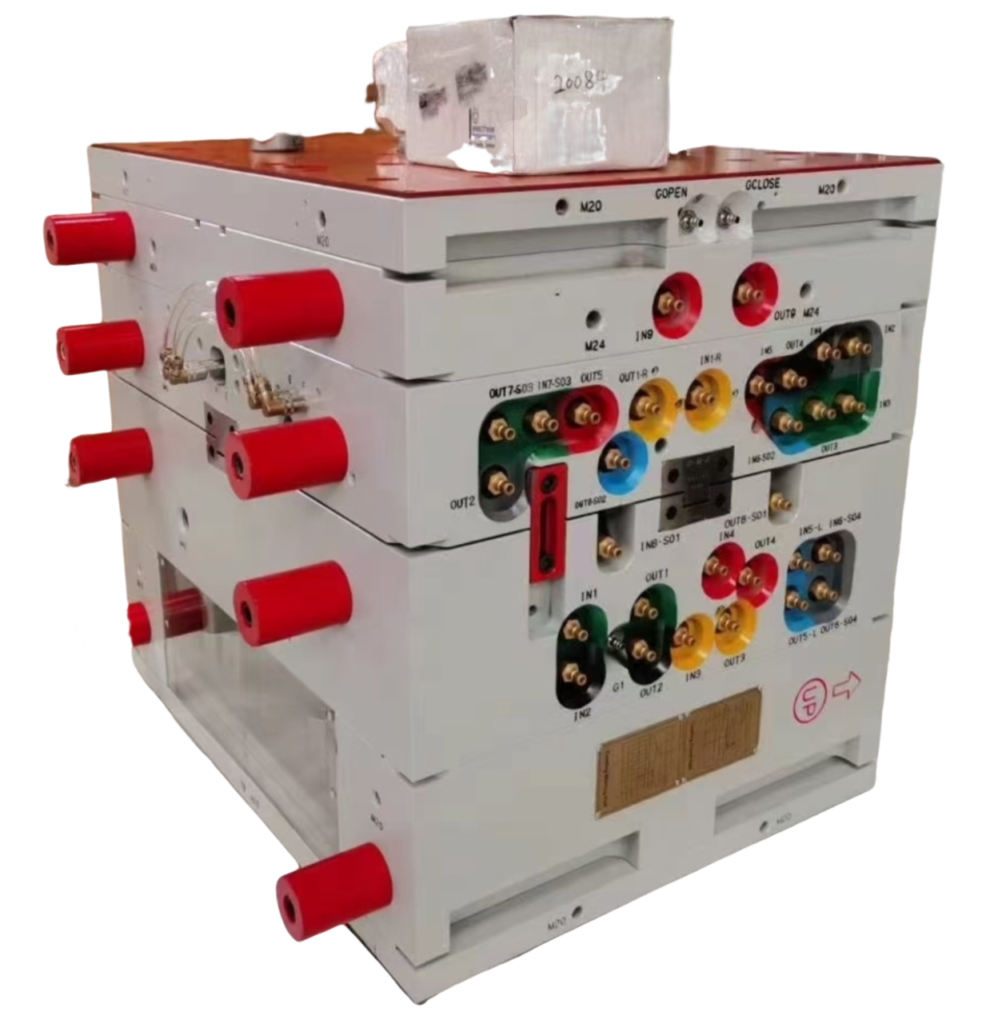
- Pagamento standard per stampi in Cina: deposito del 40–50%, il resto in tranche legate a milestone.
- Il bonifico T/T è il metodo dominante; l'L/C è raro per attrezzature sotto $50.000.
- Non pagare mai 100% in anticipo — i pagamenti basati su milestone proteggono entrambe le parti.
- La proprietà dello stampo deve essere definita contrattualmente prima che qualsiasi denaro cambi di mano.
- Gli ordini di produzione utilizzano tipicamente un acconto del 30%, 70% prima della spedizione.
Quali sono i termini di pagamento standard per lo stampaggio a iniezione in Cina?
I termini di pagamento standard per lo stampaggio a iniezione in Cina sono le principali categorie o opzioni spiegate in questa sezione. La maggior parte delle fabbriche cinesi di stampi a iniezione utilizza un sistema basato su milestone stampo a iniezione struttura di pagamento: 40–50% di acconto con l'ordine di acquisto, 30% a Campione T11 presentazione, e 20–30% prima della spedizione dello stampo. Questo non è negoziabile per la maggior parte dei fornitori sotto $100.000 tooling2 valore — e sinceramente, non dovrebbe esserlo. L'acconto copre l'acquisto dell'acciaio e la lavorazione CNC, che sono costi reali e irreversibili sostenuti dalla fabbrica all'inizio del processo.
Se stai approvvigionando stampaggio a iniezione dalla Cina per la prima volta, la struttura di pagamento probabilmente appare diversa da quella a cui sei abituato. I fornitori occidentali potrebbero offrire termini Net 30 o conto aperto. Le fabbriche cinesi quasi mai lo fanno — non perché non si fidino di te, ma perché l'investimento per l'attrezzatura è anticipato e il percorso di applicazione legale è costoso per loro.
Ecco come si presenta nella pratica un programma di pagamento standard per gli utensili:
| Traguardo | Pagamento % | Innesco |
|---|---|---|
| PO / Conferma d'Ordine | 40–50% | Ordine di acquisto firmato + specifiche dello stampo |
| Consegna del campione T1 | 30% | Prime prove di stampaggio consegnate all'acquirente |
| Spedizione / Approvazione dello stampo | 20–30% | Campioni approvati + stampo imballato per la spedizione |
| Ordini di produzione | 30% / 70% | Deposito del 30% prima dell'avvio, 70% prima della spedizione |
“Una suddivisione 50/30/20 è la struttura di pagamento più comune per gli utensili da stampaggio ad iniezione in Cina.”Vero
Questa struttura bilancia la necessità della fabbrica di capitale circolante (l'acciaio e la lavorazione richiedono denaro anticipato) con la necessità dell'acquirente di trattenere il pagamento finale fino alla conferma della qualità. La maggior parte dei fornitori consolidati adotta questa o una variante simile per impostazione predefinita.
"È possibile negoziare termini di pagamento Net 30 o Net 60 con la maggior parte delle fabbriche cinesi di stampi."Falso
Le condizioni di conto aperto (Netto 30/60/90) sono estremamente rare per gli utensili in Cina. Le fabbriche sostengono costi significativi di materiali e manodopera durante la costruzione degli stampi. Senza un acconto, non hanno alcuna protezione contro l'inadempienza del compratore. Alcune relazioni a lungo termine evolvono verso Netto 30 per le parti di produzione, ma per gli utensili si seguono quasi sempre pagamenti a milestone.
Come funziona il pagamento T/T con i fornitori cinesi di stampi a iniezione?
Il T/T (Telegraphic Transfer) è il metodo di pagamento standard per gli utensili da stampaggio ad iniezione in Cina. Ti rechi alla tua banca (o usi l'home banking), avvii un bonifico internazionale sul conto bancario cinese della fabbrica e i fondi arrivano in 1–5 giorni lavorativi a seconda delle banche intermediarie e dei controlli di conformità.
Il processo è semplice, ma ci sono dettagli che colgono di sorpresa gli acquirenti alla prima esperienza. La tua banca addebiterà una commissione per il bonifico ($25–50 a livello nazionale, $30–75 per internazionale). La banca della fabbrica potrebbe detrarre una commissione di ricezione ($10–30). E se il trasferimento passa attraverso una banca intermediaria (comune per i bonifici USD verso la Cina), aspettati un altro taglio di $15–25. Su uno stampo da $20.000, potresti perdere $60–100 solo in commissioni bancarie.
Ecco cosa ti serve dalla fabbrica prima di avviare un pagamento T/T:
| Item | Example |
|---|---|
| Nome del beneficiario | Shanghai Zetar Industry Co., Ltd. |
| Nome della banca | Bank of China, Filiale di Shanghai |
| Codice Swift | BKCHCNBJ300 |
| Numero di Conto (RMB o USD) | 4402 0180 XXXX XXXX |
| Indirizzo Aziendale | Shanghai, Cina |
| Indirizzo della Banca | Indirizzo completo della filiale |
Confermate sempre che il nome del beneficiario corrisponda al nome della società sul vostro contratto e supplier sourcing guide documentazione. Se la fabbrica vi chiede di trasferire denaro su un conto personale o a un nome societario diverso, fermatevi e verificate. È una legittima bandiera rossa.
ZetarMold opera come società registrata a Shanghai con conti di ricezione USD regolari. Tutti i pagamenti T/T vanno a un conto aziendale — mai a un conto personale. Più di 30 project manager di lingua inglese gestiscono la documentazione e le fatture proforma.
Quali strutture di pagamento proteggono sia l'acquirente che il fornitore?
La migliore struttura di pagamento è quella in cui nessuna delle due parti si sente esposta. La fabbrica ha bisogno di un anticipo sufficiente per coprire i materiali senza rischiare tutto sul vostro credito. Voi dovete trattenere abbastanza per garantire che consegnino qualità. Ecco come i compratori esperti strutturano i loro pagamenti:
Struttura A: Standard (per stampi sotto $50K). 50% di deposito con PO, 50% dopo l'approvazione del campione T1. Semplice, funziona per il 90% dei progetti. La fabbrica riceve abbastanza per acquistare l'acciaio e iniziare la lavorazione. Voi trattenete la metà finché non avete visto lo stampo produrre effettivamente pezzi accettabili.
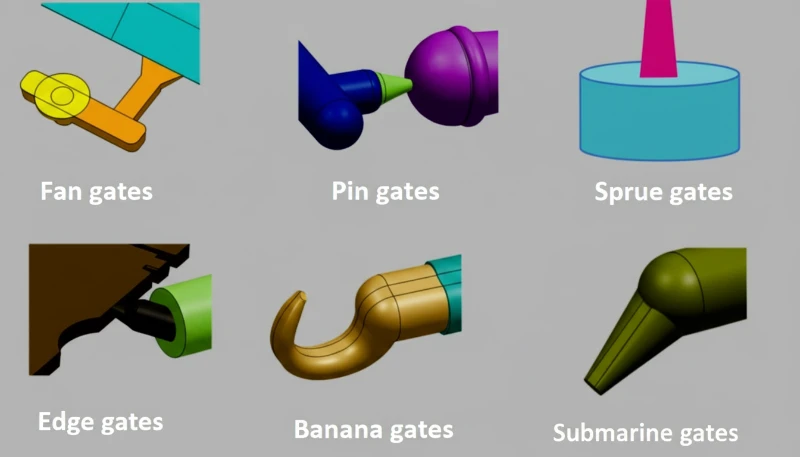
Struttura B: Milestone (per stampi $50K–$200K). 40% di deposito, 30% al campione T1, 30% all'approvazione finale e alla spedizione. Questo vi dà due punti di approvazione invece di uno. Se qualcosa va storto al T1, avete impegnato solo il 40% — doloroso ma non catastrofico.
Struttura C: Escrow o L/C (per stampi sopra $200K). Una Lettera di Credito aggiunge una protezione a livello bancario ma costa l'1–3% del valore della transazione e richiede 2–4 settimane per essere attivata. Per un programma di stampi da $300.000, ciò significa $3.000–9.000 in commissioni bancarie. Ne vale la pena per la tranquillità su programmi di grandi dimensioni; eccessivo per uno stampo monocavità da $15.000.
"Trattenere almeno il 20% fino alla spedizione dello stampo vi dà una vera leva nelle controversie sulla qualità."Vero
Se avete pagato il 100% prima che lo stampo venga spedito, non avete alcuna leva finanziaria se i campioni T1 presentano problemi dimensionali o difetti superficiali. La fabbrica può comunque scegliere di risolvere il problema, ma ora dipendete dalla buona volontà piuttosto che dall'incentivo contrattuale. Trattenere il 20–30% finale mantiene tutti onesti.
"Pagare il 100% in anticipo garantisce una consegna più rapida e prezzi migliori."Falso
Alcune fabbriche offrono uno sconto del 3–5% per il pagamento anticipato completo. Il rapporto rischio-rendimento è pessimo. Risparmi $500 su uno stampo da $15.000 ma perdi tutto il potere negoziale se i primi campioni non sono conformi alle specifiche. Le 2–3 settimane che potresti risparmiare nella coda prioritaria interna della fabbrica non valgono l'esposizione al rischio. Pagate a milestone.
In che modo i pagamenti per le parti di produzione differiscono dai pagamenti per gli utensili?
Una volta che lo stampo viene approvato e la produzione inizia, la struttura dei pagamenti cambia. La costruzione dello stampo è un investimento in capitale una tantum; la produzione è un costo operativo ricorrente. I termini standard per gli ordini di produzione dai produttori cinesi di stampi a iniezione sono i seguenti:
| Tipo di Termine | Structure | Tipico per |
|---|---|---|
| Standard | 30% di caparra, 70% prima della spedizione | La maggior parte dei compratori |
| Relazione di Fiducia | 30% di caparra, 70% dopo l'ispezione QC | 6+ mesi di ordini |
| Conto aperto (raro) | Netto 30 giorni dopo la spedizione | Anni di relazione, alto volume |
| 100% prepagato | Pagamento completo prima della produzione | Piccoli ordini sotto $2.000 |
Notate lo schema: più lunga e consolidata è la relazione, più favorevoli diventano i termini. Una fabbrica che ha prodotto 50 ordini d'acquisto per voi senza problemi di pagamento offrirà naturalmente condizioni migliori rispetto a quelle per un compratore alla prima esperienza. Questo non è un trattamento speciale — è una fiducia guadagnata riflessa nei termini finanziari.
Una cosa che mette in difficoltà i nuovi acquirenti: il pagamento del saldo del 70% è generalmente richiesto prima della spedizione, non dopo aver ricevuto la merce. Ciò significa che pagate la maggior parte della fattura sulla base di foto di controllo qualità e rapporti di ispezione, non di un'ispezione fisica nel vostro magazzino. Questo è standard nella produzione cinese. Se avete bisogno di un'ispezione della merce in mano prima del pagamento, aspettatevi di pagare un premio o di lavorare con una società di trading che possa colmare il divario.
Cosa dovrebbe esserci nel tuo contratto di pagamento?
Una fattura proforma (PI) non è un contratto. È un documento commerciale che elenca prezzo, quantità e termini di pagamento — ma non vi protegge se le cose vanno male. Per qualsiasi investimento in stampi superiore a 10.000 €, avete bisogno di un accordo di costruzione stampi adeguato che copra questi elementi essenziali:
proprietà dello stampo3. Dichiarate esplicitamente che lo stampo è di vostra proprietà, non della fabbrica. Specificate quando avviene il trasferimento di proprietà (di solito al pagamento finale). Includete il diritto di ispezionare, rimuovere o trasferire lo stampo in qualsiasi momento dopo il trasferimento di proprietà. Senza questa clausola, le fabbriche cinesi spesso considerano lo stampo loro — e dovrete combattere per spostarlo.
Fasi di pagamento con trigger chiari. Non scrivete “30% dopo i campioni.” Scrivete “30% entro 7 giorni lavorativi dall'approvazione scritta da parte del compratore delle dimensioni del campione T1 secondo le specifiche di tolleranza concordate.” Più specifico è il trigger, meno spazio c'è per disaccordi.
Risoluzione delle controversie. Specificate quale legge nazionale regola il contratto e dove vengono risolte le controversie. Per la produzione basata in Cina, i tribunali cinesi sono spesso l'opzione più applicabile. L'arbitrato internazionale (ICC, SIAC) è un'alternativa ma aggiunge costi e tempi.
Termini di garanzia e riparazione. Definite chi paga le modifiche allo stampo se i campioni T1 non rispettano le specifiche. L'aspettativa standard: le modifiche minori (dimensione del gate, posizioni degli espulsori) sono incluse nel prezzo dello stampo. Le modifiche importanti dovute a cambiamenti progettuali del compratore vengono fatturate separatamente.
“La proprietà dello stampo dovrebbe essere esplicitamente dichiarata in un contratto firmato prima di pagare la caparra.”Vero
In Cina, l'assunzione legale predefinita senza un accordo scritto è che il produttore conservi alcuni diritti sullo stampo che ha costruito. Un contratto chiaro e firmato che affermi 'lo stampo è di proprietà dell'acquirente al pagamento finale' e sia applicabile secondo la legge cinese offre la protezione più forte. Accordi verbali o conferme via email non sono sufficienti.
“Una fattura proforma è una protezione legale sufficiente per il vostro investimento nello stampo.”Falso
Una fattura proforma è un documento di quotazione commerciale, non un contratto legalmente vincolante. Tipicamente manca di clausole critiche come la proprietà dello stampo, i diritti di proprietà intellettuale, i termini di garanzia e i meccanismi di risoluzione delle controversie. Per qualsiasi investimento superiore a 10.000 €, insistete per un accordo di produzione adeguato, revisionato da un consulente legale esperto in diritto contrattuale cinese.
Quali sono i segnali d'allarme negli accordi di pagamento?
Dopo 20 anni di osservazione di accordi per stampi a iniezione che si concretizzano — e alcuni che falliscono — questi sono i segnali di allarme legati ai pagamenti che dovrebbero farvi riflettere:
Conto bancario personale. Se la fabbrica ti chiede di bonificare denaro a un nome personale piuttosto che a un conto aziendale, rifiuta. Questo a volte è un espediente della fabbrica per evitare le tasse, ma ti lascia senza alcuna traccia cartacea che colleghi il tuo pagamento all'azienda contrattuale. Se qualcosa va storto, hai pagato un individuo — non l'entità con cui hai firmato il contratto.
100% anticipato senza milestone. Anche se la fabbrica offre uno sconto elevato, pagare il 100% prima che qualsiasi lavoro sia stato svolto rimuove ogni leva che hai. La fabbrica ha zero incentivo finanziario a rispettare la tua scadenza o l'obiettivo di qualità una volta che ha i tuoi soldi.
Pressione per saltare il contratto. "Non preoccuparti, la PI è sufficiente" o "Abbiamo fatto centinaia di stampi in questo modo" — se ti spingono a saltare accordi scritti, chiediti perché. Una fabbrica affidabile che non ha nulla da nascondere accoglierà un contratto chiaro. Protegge anche loro.
Nome della società non corrisponde. L'azienda sul tuo contratto dovrebbe corrispondere all'azienda che riceve il tuo pagamento, che dovrebbe corrispondere all'azienda sulla licenza commerciale. In Cina, non è raro che una fabbrica operi sotto il nome di una società di trading. Va bene — purché tu sappia con quale entità stai effettivamente stipulando il contratto e pagando.
ZetarMold opera dal 2005 a Shanghai con oltre 20 anni di esperienza nel commercio internazionale. Tutti i pagamenti sono processati tramite il conto aziendale USD, e le fatture proforma sono supportate da accordi formali di attrezzatura con definizioni chiare delle milestone e clausole di proprietà dello stampo.
Come gestire valuta e tasse quando si pagano fornitori cinesi?
La maggior parte dei preventivi per attrezzature e produzione da fabbriche cinesi sono in USD. Il tuo bonifico T/T è in USD. La banca della fabbrica riceve USD e converte in RMB al tasso di cambio della loro banca il giorno dell'arrivo. Questo è standard e non devi preoccuparti della conversione in RMB — la fabbrica assorbe quella complessità.
Ciò che devi capire:
IVA cinese (Imposta sul Valore Aggiunto). I prezzi delle fabbriche quotati agli acquirenti internazionali sono tipicamente esclusi dell'IVA cinese (attualmente al 13% per la maggior parte dei beni manifatturieri). Per le transazioni di esportazione, la fabbrica può richiedere un rimborso IVA al governo cinese — ecco perché i prezzi per l'esportazione sono più bassi di quelli per il mercato interno. Tu non paghi l'IVA; la fabbrica la gestisce da parte loro.
Dazi doganali nel tuo paese. Quando lo stampo o i componenti arrivano al tuo porto, pagherai i dazi doganali. Per gli stampi ad iniezione importati negli USA, l'attuale aliquota tariffaria varia — controlla il codice HTS 8480.71.00 e eventuali dazi applicabili della Sezione 301. Questo può aggiungere dal 3,5% al 25%+ al tuo costo di approdo, ed è una tua responsabilità, non della fabbrica.
Tempistica del tasso di cambio. Se la tua valuta funzionale non è USD e stai convertendo in USD per effettuare il bonifico, le fluttuazioni del tasso di cambio possono influenzare materialmente il tuo costo. Uno stampo quotato 50.000 USD a gennaio potrebbe costarti dal 5% all'8% in più nella tua valuta locale quando il pagamento finale è dovuto ad aprile. Blocca il tuo tasso di cambio con il contratto a termine della tua banca se il valore totale è significativo.
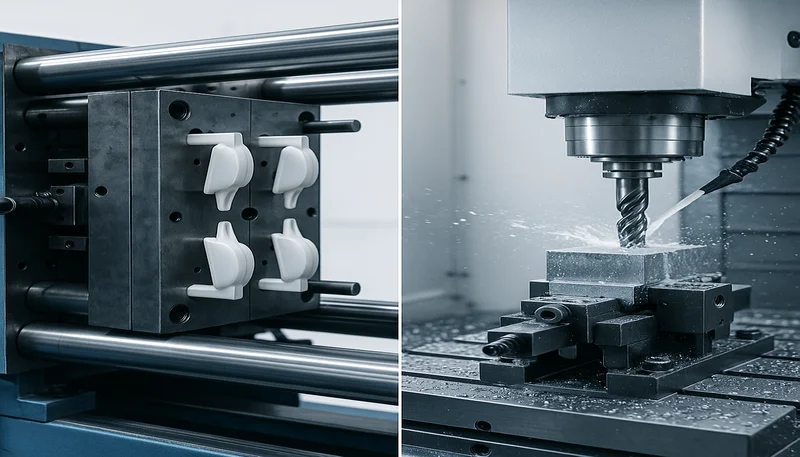
Quali Termini di Pagamento Negoziano Tipicamente gli Acquirenti Consolidati?
I termini di pagamento per acquirenti consolidati si ottengono dopo ripetute realizzazioni di stampi e una storia di pagamenti regolari. Una volta completate da 3 a 5 realizzazioni di stampi di successo con la stessa fabbrica, chiedi tempistiche migliori per il saldo di produzione, regole scritte di approvazione e una finestra di preavviso per la spedizione di 72 ore.
| Fase della Relazione | Termini di Lavorazione | Termini di Produzione |
|---|---|---|
| Primo progetto | 50/30/20 o 50/50 | 30/70 prima della spedizione |
| 3-5 stampi completati | 40/30/30 | 30/70 dopo rapporto QC |
| Ordini regolari di 12+ mesi | 30/40/30 | Netto 15-30 dopo la spedizione |
| Partenariato pluriennale | 30/70 all'approvazione | Netto 30-60, regolamento mensile |
I termini di pagamento per acquirenti consolidati si guadagnano, non si presumono. La nostra fabbrica di solito considera aggiornamenti dei termini dopo ordini ripetuti, pagamenti regolari, previsioni stabili e meno sorprese di cambiamenti ingegneristici. Raccomandiamo di confermare per iscritto qualsiasi aggiornamento entro 48 ore, riconfermare i tempi del saldo di spedizione entro 72 ore prima che le merci siano imballate e chiudere qualsiasi richiesta di modifica dei dettagli bancari entro 96 ore.
Un'altra cosa: se lavorate con una società di trading (piuttosto che direttamente con la fabbrica), i vostri termini di pagamento sono con la società di trading, non con la fabbrica. La società di trading paga la fabbrica secondo i propri termini. Questo aggiunge un livello di opacità - potreste non sapere quanto viene effettivamente pagato alla fabbrica. Se la trasparenza dei pagamenti è importante per voi, lavorate direttamente con il produttore.
Domande Frequenti sui Termini di Pagamento per lo Stampaggio a Iniezione in Cina
Qual è il deposito standard per la lavorazione di stampi ad iniezione in Cina?
Il deposito standard per la lavorazione di stampi ad iniezione in Cina è del 40-50% del costo totale dello stampo, pagato via bonifico T/T alla firma dell'ordine di acquisto. Questo deposito copre l'approvvigionamento di materie prime (acciaio per stampi, componenti standard come perni di espulsione e boccole di guida) e i costi iniziali di lavorazione CNC. Le fabbriche raramente accettano depositi inferiori al 30% perché sostengono costi iniziali significativi per l'acquisto dell'acciaio e la manodopera specializzata di lavorazione prima che venga riconosciuto qualsiasi ricavo dal progetto. Per stampi superiori a 100.000 dollari, alcuni acquirenti negoziano un deposito iniziale del 30%.
Posso usare una carta di credito per pagare servizi di stampaggio ad iniezione dalla Cina?
La maggior parte delle fabbriche cinesi di stampi ad iniezione non accetta pagamenti con carta di credito per ordini di lavorazione. Il bonifico T/T è il metodo standard perché ha commissioni di elaborazione minime rispetto ai costi dei merchant di carte di credito. Alcuni fornitori possono accettare PayPal per piccole commissioni di campioni o depositi inferiori a 5.000 dollari, ma la commissione di elaborazione del 3-4% lo rende impraticabile per importi maggiori. Alibaba Trade Assurance offre il pagamento con carta di credito per ordini effettuati attraverso la loro piattaforma, che aggiunge protezione per l'acquirente e risoluzione delle controversie, ma limita la selezione del fornitore alle aziende elencate su Alibaba.
Cosa succede se la qualità dello stampo è scarsa dopo che ho già pagato?
Se avete seguito pagamenti basati su milestone e trattenuto la tranche finale del 20-30%, mantenete una leva finanziaria per negoziare rilavorazioni, correzioni o anche un rimborso parziale. Se avete già pagato il 100% in anticipo, le vostre opzioni sono significativamente più limitate - essenzialmente l'esecuzione contrattuale attraverso canali legali, che è lenta e costosa nelle controversie transfrontaliere che coinvolgono produttori cinesi. Questo è esattamente il motivo per cui le strutture di pagamento a milestone sono fondamentali: vi danno un controllo finanziario in ogni fase fino a quando la qualità non viene confermata in modo indipendente dalla vostra ispezione o da un servizio QC di terze parti.
Quanto tempo impiega un bonifico T/T verso la Cina?
I bonifici T/T verso la Cina richiedono generalmente 1-5 giorni lavorativi per arrivare sul conto bancario della fabbrica. I trasferimenti in USD attraverso le principali banche corrispondenti (come Bank of China, ICBC o HSBC) sono i più veloci, di solito arrivano entro 1-2 giorni lavorativi. I trasferimenti che coinvolgono banche regionali più piccole o valute meno comuni (EUR, GBP) possono richiedere 3-5 giorni lavorativi a causa di ulteriori elaborazioni intermedie. I controlli di conformità previsti dalle normative internazionali antiriciclaggio possono occasionalmente ritardare i trasferimenti di ulteriori 1-3 giorni lavorativi, soprattutto per i primi pagamenti a un nuovo beneficiario.
Dovrei utilizzare Alibaba Trade Assurance per la protezione dei pagamenti?
Alibaba Trade Assurance fornisce una risoluzione strutturata delle controversie e protezione del rimborso per ordini effettuati attraverso la loro piattaforma, ma aggiunge circa il 2-5% al costo totale dell'ordine e limita la selezione del fornitore alle aziende elencate su Alibaba. Se il vostro produttore di stampi preferito non è su Alibaba, o se lo scope della lavorazione è abbastanza complesso da richiedere un contratto personalizzato con clausole di qualità specifiche e specifiche di tolleranza, il pagamento T/T diretto con un adeguato accordo di lavorazione bilaterale offre maggiore flessibilità. Trade Assurance funziona meglio per ordini di produzione standardizzati inferiori a 50.000 dollari dove la specifica del prodotto è semplice e facilmente verificabile.
Devo pagare dazi doganali per gli stampi spediti dalla Cina?
Sì, i dazi doganali si applicano agli stampi per iniezione spediti dalla Cina alla maggior parte dei paesi. Negli Stati Uniti, gli stampi per iniezione rientrano nel codice HTS 8480.71.00. L'aliquota daziaria di base è di circa il 3,5%, ma ulteriori dazi Sezione 301 sui beni fabbricati in Cina possono aumentare l'aliquota tariffaria totale effettiva al 25% o più, a seconda della classificazione del prodotto e della politica commerciale corrente. Verifica sempre le aliquote attuali con il tuo spedizioniere doganale autorizzato prima che lo stampo venga spedito dalla Cina. L'acquirente è responsabile dei dazi di importazione, a meno che non abbia negoziato specificamente termini di spedizione DDP (Delivered Duty Paid) con la fabbrica.
Posso ottenere un rimborso se il fornitore non consegna?
Ottenere un rimborso da un fornitore cinese dopo che non ha consegnato è difficile e spesso richiede un'azione legale formale attraverso i tribunali cinesi, che può richiedere 6-18 mesi e costare 10.000-50.000 dollari in spese legali. La vostra migliore protezione è la prevenzione attraverso pagamenti basati su milestone, un accordo di lavorazione bilingue firmato con deliverable chiari e criteri di accettazione, e trattenere la tranche di pagamento più grande (almeno il 20-30%) fino a quando non avrete approvato in modo indipendente i campioni T1 rispetto alle vostre specifiche concordate. Per programmi di stampi di alto valore superiori a 100.000 dollari, considerate l'uso di una Lettera di Credito o di un servizio di deposito fiduciario di terze parti per una protezione finanziaria aggiuntiva e una risoluzione strutturata delle controversie.
-
T1 sample: Un campione T1 si riferisce al primo set di prove di stampaggio prodotte da uno stampo per iniezione appena completato, utilizzato per verificare l'accuratezza dimensionale e la qualità del componente prima dell'approvazione della produzione. ↩
-
strumentazione: La strumentazione riguarda la progettazione e la fabbricazione di uno stampo per iniezione, che è la cavità in acciaio utilizzata per formare parti plastiche durante il processo di stampaggio a iniezione. ↩
-
proprietà del modello: La proprietà del modello indica il diritto legale di possedere, trasferire o utilizzare uno stampo per iniezione, generalmente definito nel contratto di produzione tra acquirente e fornitore come trasferito al pagamento finale. ↩



 EN
EN  ES
ES  FR
FR  DE
DE  PT
PT  AR
AR  RU
RU  JA
JA  KO
KO  IT
IT  NL
NL  TR
TR  PL
PL