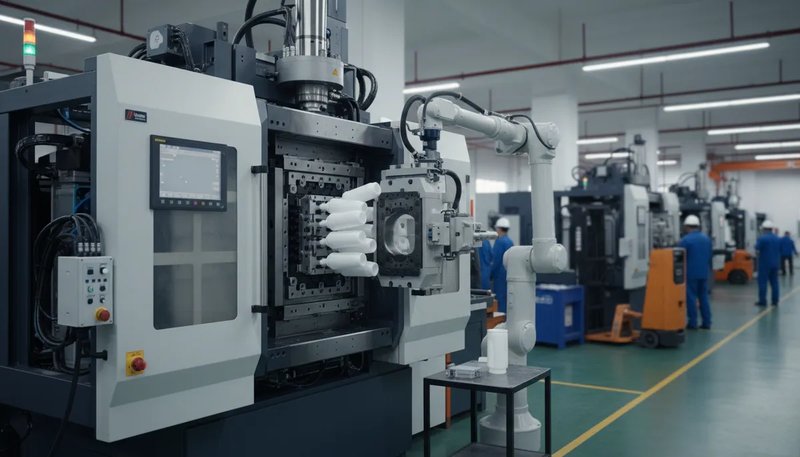
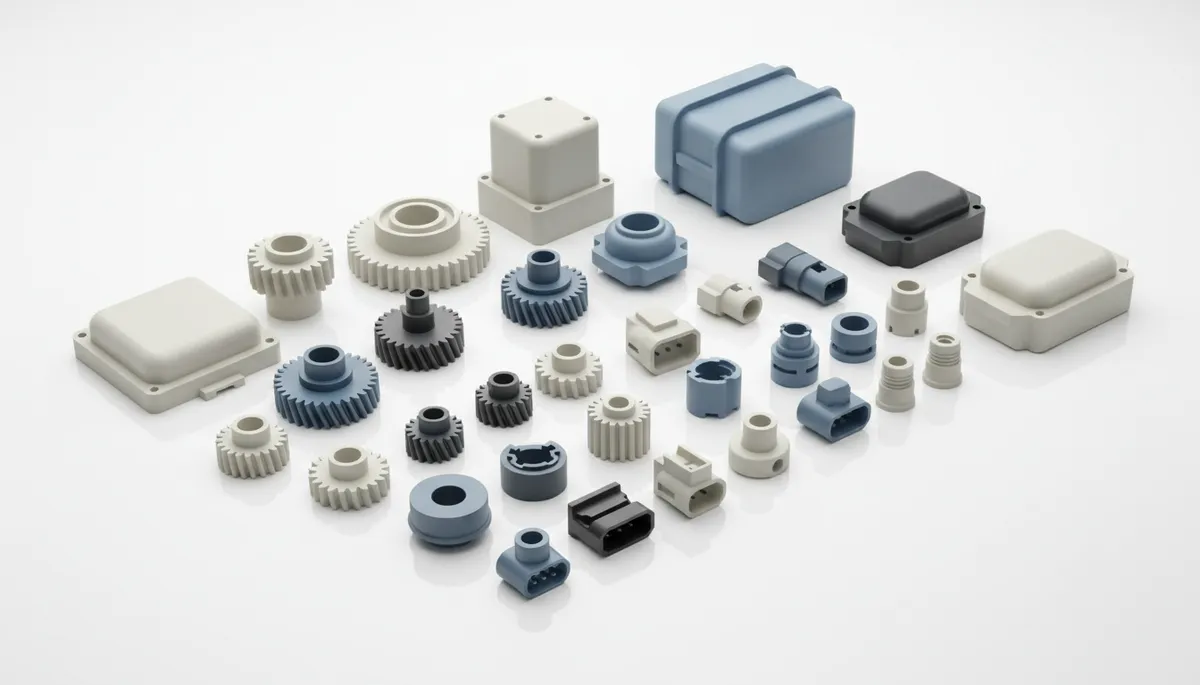
Selecting among injection molding companies in South Korea requires more than a company list or country-level reputation. Buyers need evidence that a specific factory, tool, process, measurement system, team, and supply route can support the actual part. South Korea has deep manufacturing ecosystems around electronics, vehicles, appliances, materials, automation, and precision production, but fit still varies by program. Start with our supplier sourcing guide and use one controlled scorecard for every candidate.
The sourcing package should define current drawings, material, cosmetic zones, critical characteristics, annual and peak demand, validation, traceability1, packaging, delivery point, customer approvals, and change rules. Candidates should disclose which activities are performed at the quoted site and which are subcontracted. A disciplined comparison follows the complete injection molding process, because a strong toolmaker, production molder, assembler, and export partner may be different organizations.
This guide helps procurement, engineering, quality, and operations teams compare South Korean, Chinese, and other regional options without inventing rankings or relying on unsupported supplier statistics. It focuses on qualification evidence, tooling control, total landed cost, and continuity. Before authorizing steel, review ownership, maintenance, native data, spares, validation, and transfer requirements through our injection mold design and build guide.
Reference vocabulary used in this guide includes supplier qualification2, tool transfer3, traceability. Each term is defined in the references below.
- Define the part, process, volume, records, and supply risk before shortlisting
- Qualify the exact manufacturing site and disclosed subcontractor chain
- Require mold-specific trials, measurement, capability, and change evidence
- Compare total landed business cost under normal and disrupted scenarios
- Protect tooling, data, maintenance, transfer, and continuity rights in writing
When is South Korea a strong injection molding sourcing option?
The practical answer is the following: South Korea is a strong candidate market when its manufacturing ecosystem fits the product.
South Korea can be attractive when a program benefits from a mature precision-manufacturing ecosystem, close coordination with Korean product teams, regional logistics, advanced automation, or experience with demanding electronics and vehicle supply chains. Those potential advantages must be translated into measurable requirements. Buyers should identify which response time, tolerance, appearance, cleanliness, automation, documentation, or local-support need creates value for the proposed part.
Geography alone does not prove technical or commercial fit. Confirm the legal entity, manufacturing address, production scope, machine range, material controls, tooling responsibility, quality team, working languages, available capacity, and relevant customer or industry requirements. If sales, moldmaking, molding, coating, assembly, or export occur at different sites, map the complete chain. Evaluate each handoff, record, lead time, and contingency rather than treating the brand name as one capability.
For this decision, record the approved requirement, current evidence, remaining gap, owner, due date, and release authority. This small discipline separates a verified conclusion from an assumption and gives the team a usable trail when design, demand, material, supplier, or timing changes.
"South Korea can offer a strong precision-manufacturing ecosystem for suitable programs."True
The benefit must be verified at the proposed factory against the actual part, process, quality, capacity, and support requirements.
"A famous brand or Korean location proves that every proposed molding process is capable."False
Site-specific mold, process, measurement, people, records, capacity, and continuity evidence are still required.
Which types of Korean molding suppliers should buyers compare?
The practical answer is the following: The right supplier segment is determined by product risk, process, volume, and service scope.
Supplier categories may include integrated tool-and-molding companies, production molders that outsource toolmaking, precision specialists, large diversified manufacturers, contract manufacturers with assembly, and trading or engineering firms coordinating partner factories. None is automatically better. The suitable model depends on geometry, resin, cavities, tolerance, surface, annual demand, automation, validation, secondary operations, launch support, and how much coordination the buyer can manage.
Ask every candidate to identify the people and sites responsible for DFM, mold design, steel purchasing, machining, sampling, process development, measurement, production, maintenance, packaging, and shipment. Require named subcontractors for critical work and define approval before any change. A coordinator can add value when governance is clear; it adds opacity when the buyer cannot audit the actual factory, see original records, or communicate directly during a technical failure.
Validate the conclusion with a representative example and source records. Note the revision, sample basis, machine or tool involved, measurement method, result, exception, and approver so another qualified reviewer can reproduce the reasoning instead of depending on a sales statement or memory.
How can buyers verify precision molding capability?
The practical answer is the following: Precision capability is proven by a stable process and correlated measurement evidence.
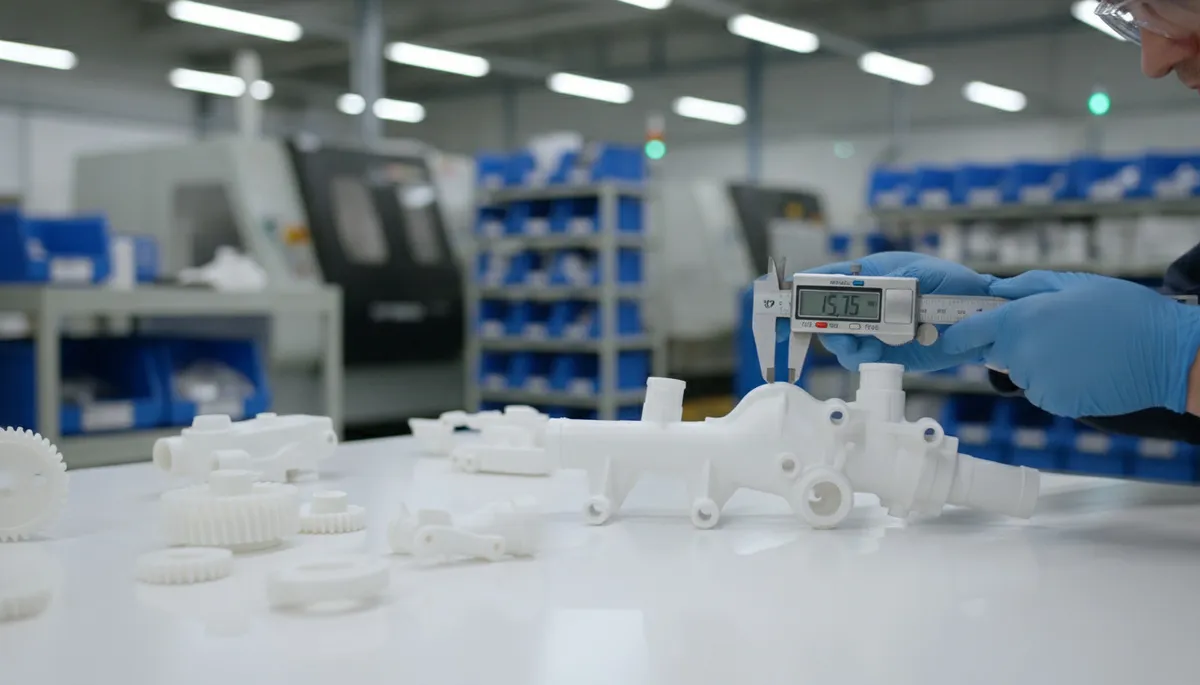
Precision capability is demonstrated by a stable process that repeatedly produces parts within an agreed measurement system. Review comparable geometry and resin, mold construction, machine response, material preparation, cavity balance, process-window studies, capability results, gauge correlation, environmental control, maintenance, and reaction plans. A single polished sample or unsupported tolerance statement does not show repeatability across cavities, lots, shifts, machines, or tool wear.
Use a product-specific trial plan with approved material, defined startup, recorded parameters, representative run length, cavity identification, measurement timing, and acceptance rules. Review how the supplier distinguishes tool, process, material, equipment, and measurement causes. For cosmetic or optical work, establish boundary samples and lighting. For regulated applications, obtain qualified advice and specify required validation. Release should connect drawings, trial conditions, inspection results, deviations, and approvals to one revision.
Use a risk-based comparison across normal operation, peak demand, change, defect containment, and transfer. State which condition was tested and which remains an estimate. Assign a trigger and recovery action for any assumption that could affect safety, quality, delivery, cost, or customer approval.
| Decision area | Evidence to request | Risk exposed |
|---|---|---|
| Factory scope | Site and subcontract map | Hidden handoffs |
| Precision | Process and measurement study | Sample-only capability |
| Tool control | Ownership and transfer package | Asset lock-in |
| Continuity | Capacity and recovery scenarios | Unusable backup plan |
What should a South Korean supplier qualification audit cover?
The practical answer is the following: Supplier qualification is a staged review of the actual factory, tool, process, and records.
A qualification audit should trace the proposed program through quotation, contract review, purchasing, material receipt, mold control, setup, production, inspection, nonconformance, change, packing, shipment, maintenance, and continuity. Select actual records rather than accepting only a prepared presentation. Reconcile revisions, lots, quantities, cavities, scrap, rework, approval, and disposition. Interview the people who will own the program and confirm escalation coverage across the buyer's working hours.
The audit depth should follow product and business risk. Review machine condition, auxiliary equipment, resin storage and drying, contamination prevention, parameter access, automation recovery, calibration, gauge studies, preventive maintenance, spare parts, cybersecurity, backup, utility resilience, and emergency response as applicable. Close findings with objective evidence, owner, and due date. A certificate supports system context but cannot replace evidence that the proposed mold and process are capable.
Keep commercial and technical scope aligned. If an option changes material, cavities, cycle, inspection, packaging, inventory, responsibility, or validation depth, show that difference explicitly before comparing price or lead time. Silent scope changes create false savings and late disputes.
How should mold ownership and transfer be controlled?
The practical answer is the following: Tool ownership is useful only when the physical asset and technical package can transfer.
Tool ownership should identify the physical mold, inserts, hot-runner items, controllers, fixtures, gauges, spares, and technical data. Define title-transfer milestones, markings, location, permitted use, insurance, maintenance, cycle and repair records, inspection access, storage, change authorization, and release conditions. Cross-border contracts may require qualified legal and tax advice. Operational teams should maintain photographs and asset records that match commercial documents.
A transfer-ready package includes current native or neutral CAD, drawings, bill of materials, component specifications, wiring and cooling diagrams, maintenance instructions, process sheets, trial and measurement history, approved samples, open issues, and packing requirements. Confirm that a receiving supplier can open the files and obtain service parts. Ownership without usable data, accessories, condition evidence, and a cooperative release process may not protect continuity when the relationship or demand changes.
Approval should rely on objective closure evidence such as drawings, photographs, measurements, process records, capability results, maintenance history, test reports, or signed decisions. A verbal assurance can support follow-up, but it should not release a high-risk gate without the agreed record.
"Transferable tooling requires both a physical asset and a usable technical package."True
Files, records, spares, condition, process history, and release rules determine whether another qualified factory can use the mold.
"Quoted part price alone is enough to compare Korean and Chinese suppliers."False
Tooling, validation, yield, inventory, logistics, change, downtime, support, and disruption affect total business cost.
How should buyers compare Korean and Chinese molding costs?
The practical answer is the following: The correct comparison is total landed business cost under realistic operating scenarios.
Compare equivalent scope before comparing geography. Normalize mold life, cavities, steel, hot runner, cooling, validation, inspection, automation, resin, yield, cycle, packaging, freight, duty, insurance, inventory, payment terms, travel, engineering support, maintenance, and warranty. Then model normal demand, peak demand, quality containment, engineering change, premium freight, and tool transfer. The lowest quoted unit price may not produce the lowest business cost.
Time and flexibility also have economic value. Include tooling lead time, sample iterations, approval time, production lot, minimum order, forecast freeze, transit variability, communication coverage, and recovery speed. Verify assumptions with written quotations and operating evidence rather than national stereotypes. A regional or dual-source strategy may reduce some risks, but it requires compatible data, correlated measurement, approved materials, realistic transfer timing, and enough volume to keep each source capable.
Recheck the decision whenever the product revision, annual volume, peak mix, resin, manufacturing site, subcontractor, tool condition, process window, measurement method, or delivery route changes. Controlled change review keeps an initially sound decision from becoming stale during launch and production.
How can buyers protect logistics and supply continuity?
The practical answer is the following: Continuity is strongest when changes, logistics, escalation, and transfer are designed before launch.
Continuity starts before nomination. Define importer and exporter roles, classification, shipping terms, packaging, labels, documents, shipment visibility, receiving inspection, forecast rules, safety stock, holiday coverage, and escalation contacts. Identify single points of failure in the mold, machine, hot runner, material, automation, measurement, skilled labor, utility, subcontractor, and route. Assign prevention, detection, containment, recovery owner, and expected response time for material risks.
Test the plan with realistic events such as a late material lot, damaged tool, failed gauge, unavailable press, quality escape, port delay, demand spike, or urgent engineering change. Confirm where spares and backup data are held and who can authorize action. A second supplier does not create resilience unless its tool, process, material, records, capacity, and approvals are usable. Review continuity after launch and whenever volume, site, subcontractor, or logistics assumptions change.
Before final release, ask an independent reviewer to trace the requirement from source file through execution evidence and approval. Record unresolved risk honestly, define the containment, and confirm who can stop the next step if the promised evidence does not arrive.
In our Shanghai factory, our team supports Asian and global programs across 47 injection molding machines from 90T to 1850T. Our 8 senior engineers, more than 10 QC specialists, and over 30 English-speaking project managers connect DFM, tooling, process control, inspection, documentation, and export coordination. We recommend applying the same product-specific evidence model to Korean, Chinese, and other candidates; factory scale or country reputation becomes useful only when the proposed machine, people, mold, records, logistics, and recovery plan are reserved and verified.
What do buyers ask about South Korean injection molding suppliers?
The following answers summarize the practical decision points. Apply them to the current product, revision, evidence, supplier, and risk level, then preserve the resulting approval and open actions in the controlled program record.
Frequently Asked Questions
Are South Korean injection molding suppliers always higher quality?
No. South Korea has capable manufacturing ecosystems, but quality varies by company, site, team, process, and product. Compare the proposed mold, machine, material controls, process window, measurement system, validation, maintenance, change control, and corrective-action records. Select representative evidence during an audit and correlate it with the quotation. Country reputation and certificates provide context, but neither proves that a specific process will repeatedly meet the approved requirements. Record the chosen requirement, source evidence, owner, due date, and approval in the controlled project file. Recheck the decision whenever the design, material, volume, process, supplier, or delivery assumption changes.
When should a buyer prefer a Korean molding supplier?
A Korean supplier may fit when product teams need close regional coordination, demanding precision, mature automation, particular material or secondary-process ecosystems, local service, or logistics aligned with Korean or nearby assembly. Quantify those benefits through response time, capability, lead time, inventory, and risk. Compare equivalent alternatives and confirm the actual manufacturing site. Preference should follow evidence for the program rather than a general belief that one country is always faster or better. Use a representative example and keep the revision, measurement or review method, result, exception, and approver together. This makes later verification possible and prevents a verbal assumption from becoming an uncontrolled release condition.
Can a Korean supplier build the mold and another country run it?
Yes, if transfer is designed from the beginning. Align the receiving machine, material, utilities, hot-runner control, automation, standards, and measurement methods. Require current CAD, drawings, bill of materials, components, spares, process sheets, trial records, maintenance history, samples, and open issues. Verify ownership and release terms. The receiving factory must perform incoming inspection and controlled trials; a mold that ran well at one site is not automatically capable after transfer. Connect the answer to a practical release gate with objective evidence and a named decision maker. If material risk remains, document containment and the trigger for reopening the technical or commercial review.
How should buyers handle language and time-zone differences?
Name commercial, technical, quality, and escalation contacts and define response coverage, meeting rhythm, document language, translation ownership, and controlling versions. Use drawings, photographs, measurements, marked samples, action logs, and written decisions to reduce ambiguity. Confirm that shop-floor and quality personnel receive approved instructions, not only the sales team. Time-zone differences can support round-the-clock progress or create delays, depending on ownership and handoff discipline. Compare the normal case with peak demand, engineering change, quality containment, and transfer. The written plan should state what was tested, what remains estimated, and which recovery action applies when an assumption fails.
What information belongs in a Korean supplier request for quotation?
Include controlled 3D and 2D files, revision, resin and color, critical characteristics, appearance standards, annual and peak demand, expected life, cavities, target machine constraints, validation, inspection, packaging, delivery point, schedule, ownership, maintenance, spare parts, change control, warranty, and required records. Ask the supplier to list assumptions, exclusions, subcontractors, capacity basis, and alternatives. A quotation is comparable only when candidates price the same technical and commercial scope. Confirm the conclusion across engineering, quality, operations, procurement, and logistics as relevant. Preserve current files and approval history so the team can explain the decision and safely update it later.
traceability: traceability is a term used here as follows: Traceability is the ability to follow the history, application, or location of an item through recorded identification. ↩
supplier qualification: supplier qualification is a term used here as follows: Supplier qualification is the structured evaluation and approval of a supplier for defined requirements and risks. ↩
tool transfer: tool transfer is a term used here as follows: Tool transfer is the controlled movement of tooling, data, records, and process knowledge to another manufacturing location. ↩