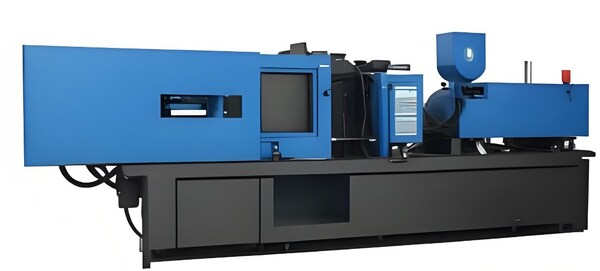
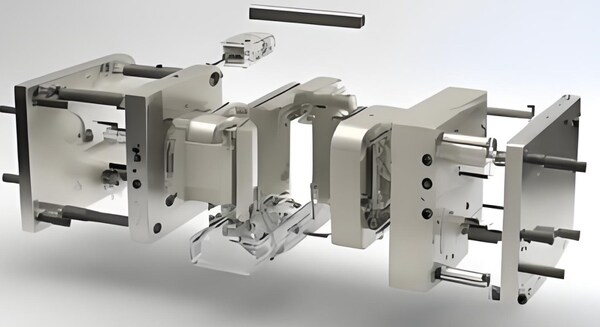
Injection molders can earn very different amounts because the label covers machine operators, setup technicians, process technicians, toolmakers, quality specialists, engineers, and production leaders. A useful pay comparison starts with the work performed, not the job title alone. This guide explains the responsibilities that change compensation and the evidence candidates should use when comparing offers. It also shows employers how skill depth affects stable production within a disciplined injection molding process.
Entry-level operators generally monitor cycles, handle parts, record checks, and escalate abnormalities. Higher-paid technical roles install molds, connect utilities, validate safety, set process windows, diagnose defects, and protect approved conditions during material or tool changes. Tooling specialists add machining, fitting, polishing, hot-runner, cooling, and preventive-maintenance capability. These responsibilities require different training, judgment, and accountability, so a single industry average can mislead both applicants and hiring managers.
Compensation also depends on geography, shift premiums, overtime1 rules, industry, plant size, certification, travel, and whether a role carries direct responsibility for scrap, downtime, customer approval, or launch recovery. Candidates should compare base pay, guaranteed hours, overtime, bonus rules, benefits, training, and promotion criteria as one package. Employers assessing technical talent can use the same evidence-based approach described in our supplier sourcing guide and injection mold design and build guide.
Reference vocabulary used in this guide includes overtime, SPC2, DOE3. Each term is defined in the references below.
- Compare responsibilities and proven skills before comparing job titles
- Separate base pay from shift premium, overtime, bonus, and benefits
- Process control, troubleshooting, tooling, and leadership usually increase earning power
- Document results such as scrap reduction, faster changeovers, and stable capability
- Verify local wage data because labor markets and legal rules differ substantially
What does an injection molder actually do?
The practical answer is the following: Actual duties and decision authority define an injection molder's role.
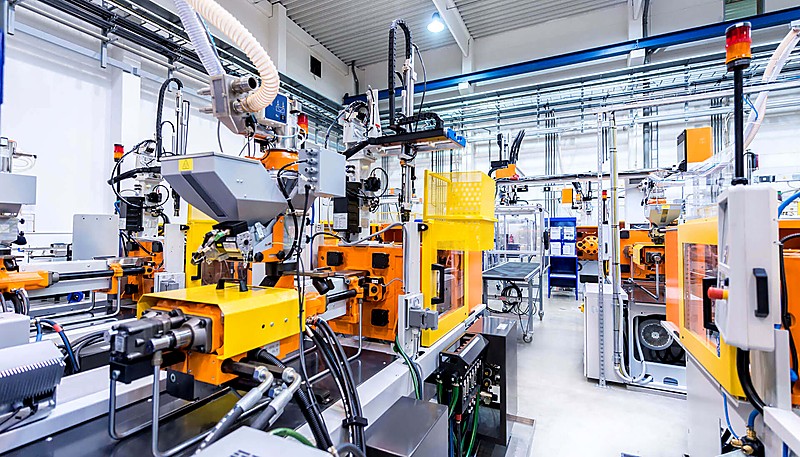
An injection molder converts resin and an approved mold into repeatable parts while protecting safety, quality, delivery, and traceability. At operator level, the work includes startup checks, part handling, visual inspection, packing, documentation, and rapid escalation. At technician level, it can include mold changes, drying verification, machine setup, process-window control, robot and auxiliary setup, first-piece approval support, and structured troubleshooting. The title matters less than the decisions the person is authorized and expected to make.
A fair role description should state machine types and tonnage, materials, mold complexity, tolerances, automation, inspection duties, shift structure, and escalation authority. Ask whether the employee follows a locked process or develops one, whether maintenance and tool changes are separate trades, and whether the role owns training or customer launches. Two jobs called process technician may differ sharply if one mainly enters recipes while the other establishes scientific molding studies and leads corrective action.
For this decision, record the approved requirement, current evidence, remaining gap, owner, due date, and release authority. This small discipline separates a verified conclusion from an assumption and gives the team a usable trail when design, demand, material, supplier, or timing changes.
"Two injection molding jobs with the same title can require very different skill levels."True
Machine range, materials, setup authority, troubleshooting depth, quality responsibility, and leadership duties determine the actual role.
"A national average tells every injection molder exactly what they should earn."False
Regional markets, shifts, overtime, benefits, industry risk, proven skill, and the written role create wide variation.
Which injection molding roles usually earn more?
The practical answer is the following: Scarce technical capability and higher production risk usually support higher pay.
Roles tend to pay more when mistakes carry greater technical or business risk and when qualified people are scarce. Process engineers, experienced toolmakers, controls specialists, maintenance technicians, quality engineers, and supervisors commonly sit above basic machine-operation work. Lead technicians who can launch multi-cavity, insert, thin-wall, cosmetic, medical, or automotive programs may command more because they reduce trial time and protect production continuity. Formal authority for release and escalation also matters.
Earning power is not created by complexity alone; it comes from proving repeatable results. A technician who documents a stable process window, lowers scrap, shortens changeovers, and trains others creates measurable value. A toolmaker who prevents recurring flash, cooling imbalance, or ejector failure protects capacity. A quality specialist who improves measurement reliability and closes customer complaints protects revenue. Candidates should describe outcomes with baseline, action, verified result, and sustained period instead of listing equipment names without context.
Validate the conclusion with a representative example and source records. Note the revision, sample basis, machine or tool involved, measurement method, result, exception, and approver so another qualified reviewer can reproduce the reasoning instead of depending on a sales statement or memory.
How do region and shift change injection molder pay?
The practical answer is the following: Region, schedule, and overtime rules can materially change total compensation.
Regional labor supply, living costs, industrial concentration, union coverage, and local wage law can move compensation more than a national average suggests. Plants competing with automotive, medical, semiconductor, aerospace, or advanced assembly employers may pay premiums for the same skills. Night, weekend, rotating, or on-call work may add a shift differential, but candidates should confirm whether it applies to all hours and whether overtime is calculated before or after the premium.
Compare annualized packages under realistic schedules. Record base hourly or salary rate, normal weekly hours, overtime eligibility and frequency, shift differential, bonus conditions, paid leave, health or retirement benefits, tool allowance, travel reimbursement, training, and probation terms. A higher advertised hourly rate can produce a weaker package if hours are unstable or advancement is undefined. Official labor statistics and local job postings provide context, but the written offer and applicable law control the actual arrangement.
Use a risk-based comparison across normal operation, peak demand, change, defect containment, and transfer. State which condition was tested and which remains an estimate. Assign a trigger and recovery action for any assumption that could affect safety, quality, delivery, cost, or customer approval.
| Role factor | Evidence to compare | Why it affects pay |
|---|---|---|
| Process ownership | Setup, studies, release authority | Higher consequence decisions |
| Tooling depth | Maintenance, fitting, diagnostics | Scarce specialist capability |
| Shift burden | Nights, weekends, on-call rules | Schedule and recovery cost |
| Results | Scrap, uptime, launch records | Demonstrated business impact |
Which skills raise a process technician's value?
The practical answer is the following: Process control and evidence-based troubleshooting increase a technician's value.
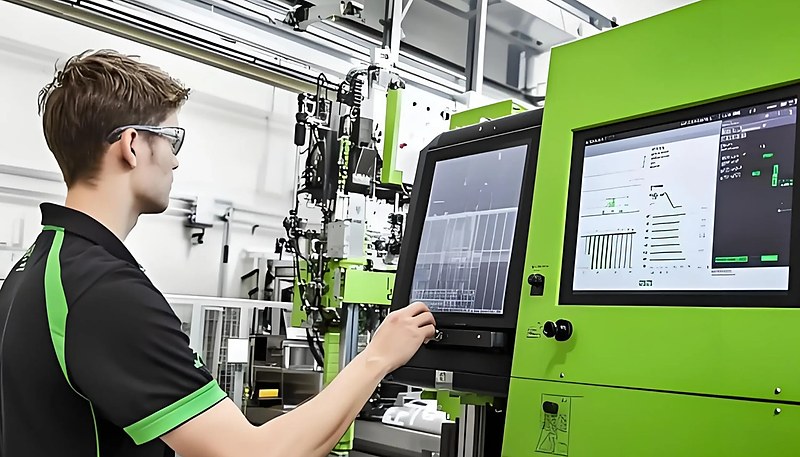
Valuable process technicians can explain cause and effect across material preparation, fill, pack, cooling, ejection, machine response, mold condition, and measurement. They distinguish a process problem from a tool, material, equipment, or measurement problem and test one hypothesis at a time. Skills in decoupled molding, viscosity studies, cavity balance, pressure transfer, DOE, SPC, robot recovery, hot runners, and change control are strongest when supported by records rather than course attendance alone.
Communication increases the value of technical depth. A senior technician must make a safe decision under pressure, document what changed, explain risk to production and quality teams, and hand off a controlled condition to the next shift. Employers should assess candidates with a realistic defect scenario and a sample process record. Candidates can prepare by building a portfolio that removes confidential details while showing the problem, evidence, trial plan, result, and control that prevented recurrence.
Keep commercial and technical scope aligned. If an option changes material, cavities, cycle, inspection, packaging, inventory, responsibility, or validation depth, show that difference explicitly before comparing price or lead time. Silent scope changes create false savings and late disputes.
Do certifications guarantee higher injection molding pay?
The practical answer is the following: No certification guarantees a higher salary by itself.
Certifications can make knowledge visible, but they do not guarantee a particular salary. Their value depends on relevance to the role, assessment rigor, local employer demand, and the holder's ability to apply the learning. Training in processing, tooling, quality systems, metrology, safety, robotics, maintenance, or project leadership can improve mobility when paired with supervised practice and verified results. Employers should not substitute a credential for a practical capability assessment.
A development plan is more useful than collecting unrelated certificates. Choose the next skill that removes a current constraint: safe mold setup for an operator, process studies for a setup technician, root-cause testing for a process technician, or coaching and capacity planning for a lead. Agree on observable milestones and the compensation review connected to them. This makes advancement transparent and reduces the frustration created by vague promises that additional training may eventually be recognized.
Approval should rely on objective closure evidence such as drawings, photographs, measurements, process records, capability results, maintenance history, test reports, or signed decisions. A verbal assurance can support follow-up, but it should not release a high-risk gate without the agreed record.
"Documented process improvements can strengthen a compensation discussion."True
Verified reductions in scrap, downtime, changeover time, or repeat defects demonstrate business value more clearly than an unsupported skill list.
"Collecting certificates automatically creates senior-level process capability."False
Training helps, but senior capability requires safe application, evidence-based decisions, communication, and repeatable results on real production.
How should candidates compare injection molding job offers?
The practical answer is the following: Compare the written work package, not only the advertised hourly rate.
Candidates should request enough detail to compare daily reality, not only headline pay. Ask which machines, resins, products, shifts, staffing levels, and quality systems are involved; how often molds change; who handles maintenance; and what happens during a launch or breakdown. Confirm physical demands, required protective equipment, temperature and noise conditions, weekend expectations, travel, and the frequency of emergency call-ins. A plant tour can reveal whether the role is supported by standards or constant firefighting.
Review promotion criteria and training access in writing where possible. Ask how operators progress to setup, how technicians progress to senior or engineering roles, who signs off competencies, and how often compensation is reviewed. Look for controlled work instructions, functioning maintenance, accurate data, safe handling, and leaders who investigate problems without hiding them. Sustainable career growth usually comes from a plant that gives people time, evidence, and authority to improve the system.
Recheck the decision whenever the product revision, annual volume, peak mix, resin, manufacturing site, subcontractor, tool condition, process window, measurement method, or delivery route changes. Controlled change review keeps an initially sound decision from becoming stale during launch and production.
How can employers build a fair molding career ladder?
The practical answer is the following: A fair career ladder links pay to observable capability and responsibility.
A fair career ladder defines levels by observable capability, responsibility, and decision authority. It might separate operator, senior operator, setup technician, process technician, senior process technician, tooling specialist, quality specialist, engineer, and supervisor paths while allowing technical experts to advance without becoming managers. Each level should list safety, setup, processing, troubleshooting, documentation, training, and leadership expectations, with practical assessments that use real work.
Employers should review pay bands against the local market and internal equity, then publish how employees move between levels. Track training completion, independent task signoff, scrap and downtime trends, corrective-action quality, and mentoring outcomes. Avoid rewarding heroics that bypass process control. The strongest system pays for capability that makes production safer and more repeatable, gives employees a credible path forward, and helps the factory retain the experience required for difficult molds and launches.
Before final release, ask an independent reviewer to trace the requirement from source file through execution evidence and approval. Record unresolved risk honestly, define the containment, and confirm who can stop the next step if the promised evidence does not arrive.
In our Shanghai factory, our team supports production across 47 injection molding machines from 90T to 1850T. We see clear differences between safe machine operation, independent setup, process development, tooling diagnosis, quality release, and program leadership. Our 8 senior engineers, more than 10 QC specialists, and over 30 English-speaking project managers work across those boundaries. We recommend defining job levels by verified capability and responsibility because equipment count alone does not describe the skill needed to keep a complex program stable.
What else should you know about injection molder pay?
The following answers summarize the practical decision points. Apply them to the current product, revision, evidence, supplier, and risk level, then preserve the resulting approval and open actions in the controlled program record.
Frequently Asked Questions
Is an injection molder the same as a process technician?
Not always. Some employers use injection molder for an operator who monitors machines and handles parts, while others use it for a setup or processing specialist. Read the duties, authority, machine range, material responsibility, troubleshooting expectations, and quality-release role. During an interview, ask for a typical shift and a recent technical problem the role was expected to solve. Compare the actual work before comparing compensation. Record the chosen requirement, source evidence, owner, due date, and approval in the controlled project file. Recheck the decision whenever the design, material, volume, process, supplier, or delivery assumption changes.
Can an operator become an injection molding engineer?
Yes, but the path usually requires structured learning and evidence of increasing responsibility. An operator may progress through setup, processing, quality, tooling, or maintenance roles while learning polymer behavior, mold function, machine control, statistics, drawing interpretation, and problem solving. Some engineering positions require a degree; others recognize extensive technical experience. A written development plan, mentoring, practical signoffs, and project results make the path more credible. Use a representative example and keep the revision, measurement or review method, result, exception, and approver together. This makes later verification possible and prevents a verbal assumption from becoming an uncontrolled release condition.
Does overtime make a molding job better paid?
Overtime can raise annual cash income, but it also changes fatigue, schedule predictability, and work-life cost. Confirm whether overtime is mandatory, seasonal, or emergency-based; how it is calculated; whether shift premiums apply; and what rest and safety rules govern long schedules. Compare guaranteed base compensation separately from variable overtime. A role that depends on chronic overtime may also signal staffing, maintenance, or process instability worth investigating. Connect the answer to a practical release gate with objective evidence and a named decision maker. If material risk remains, document containment and the trigger for reopening the technical or commercial review.
What should a technician include in a salary review?
Bring a concise record of expanded responsibilities, verified competencies, training applied, projects completed, people trained, and sustained results. Use before-and-after measures such as scrap, downtime, changeover duration, capability, complaint recurrence, or launch timing while protecting confidential information. Connect the evidence to the next defined job level and current market range. Ask for specific gaps, decision criteria, owner, and review date if advancement is not yet approved. Compare the normal case with peak demand, engineering change, quality containment, and transfer. The written plan should state what was tested, what remains estimated, and which recovery action applies when an assumption fails.
Where can applicants find reliable wage information?
Use multiple sources: official national or regional labor statistics, current local job postings, recruiter data, professional associations, and conversations with employers. Match the same role, experience, shift, and region before comparing figures. Check publication dates and whether numbers represent base pay or total compensation. Treat salary websites as directional rather than contractual. The final comparison should use the written offer, benefit details, schedule, overtime rules, and applicable employment law. Confirm the conclusion across engineering, quality, operations, procurement, and logistics as relevant. Preserve current files and approval history so the team can explain the decision and safely update it later.
overtime: overtime is a term used here as follows: Overtime refers to working time beyond a defined normal schedule and may carry special compensation under applicable law or contract. ↩
SPC: SPC is a term used here as follows: Statistical process control uses statistical methods to monitor and control a process. ↩
DOE: DOE is a term used here as follows: Design of experiments is a structured method for planning tests and evaluating the effects of controlled factors. ↩