Product Design Service
You get optimized designs that ensure efficiency and high performance for your products.
- Design for manufacturing
- 3D modeling & rendering
- Material selection guidance
From Concept to Production. We deliver 100+ high precision molds monthly with expertise in 400+ plastic materials.
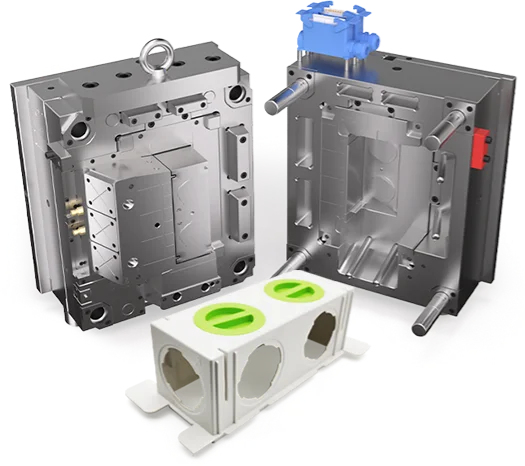
At Zetar, your ideas become reality with ease. Our all-in-one service is designed to simplify your journey from concept to finished product. You'll benefit from design feedback that saves time and minimizes costly revisions, rapid prototyping that brings your vision to life faster, and detailed DFM reports and mold flow analysis that prevent unexpected production issues — all so you can achieve success without the stress of setbacks.
You get optimized designs that ensure efficiency and high performance for your products.
Your products will perform better, cost less, and achieve higher quality with our optimization techniques.
You can bring your ideas to life quickly and accurately with our high-precision rapid prototyping services.
You'll receive injection molds designed with precision tools to ensure accuracy and efficiency.
Your molds will be crafted with precision and undergo rigorous quality checks for flawless performance.
You can rely on us for cost-efficient, high-volume production with consistent quality assured.
You'll benefit from our finishing services, including surface treatments, printing, and coatings.
You'll receive assembled products with strict quality checks and packaging customized for safety.
You can trust us with logistics, including secure loading, protective packaging, and global shipping.
From the initial design to the final delivery, you'll experience seamless support at every stage, ensuring your project's success.
Experience the seamless journey from your ideas to fully realized, precision-manufactured products with our advanced engineering and manufacturing expertise, designed to bring your vision to life.
Transform hand-drawn concepts into precise digital 3D models using advanced CAD technology.
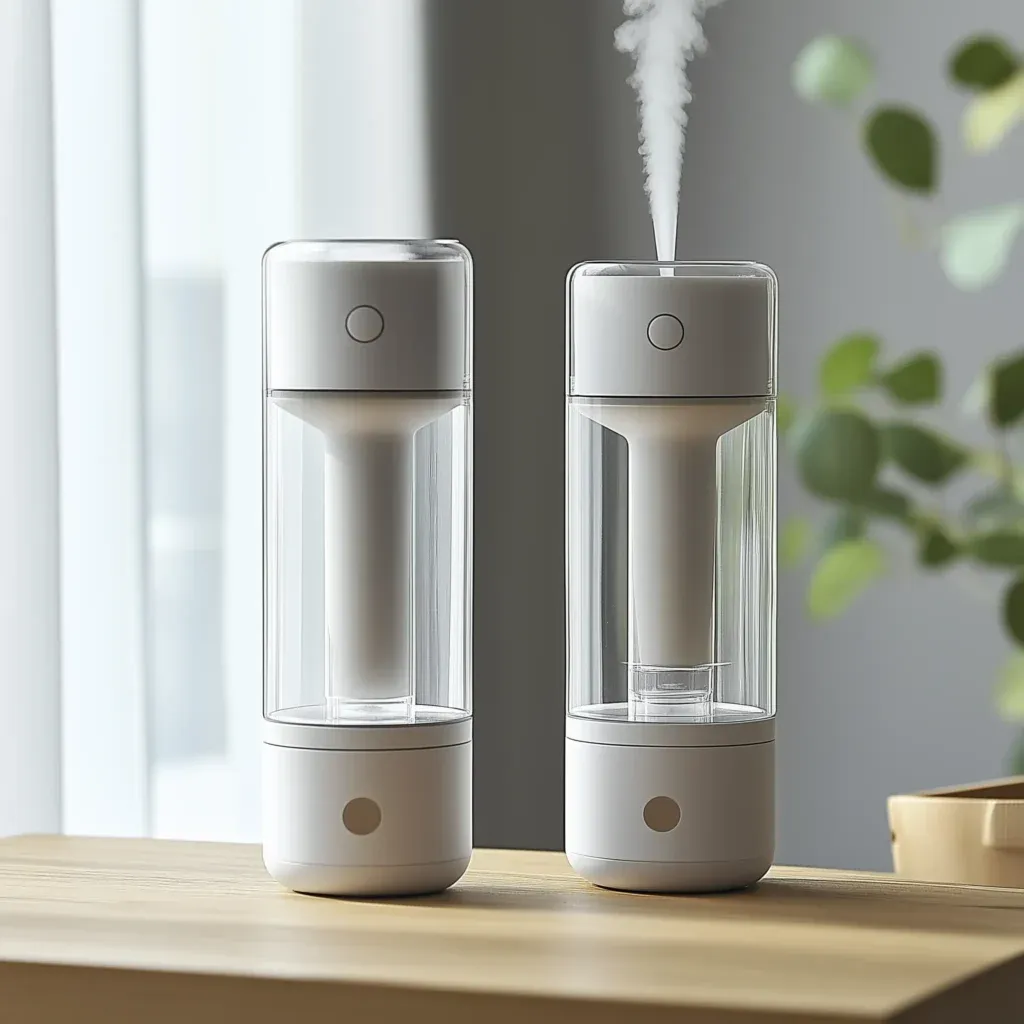 After
After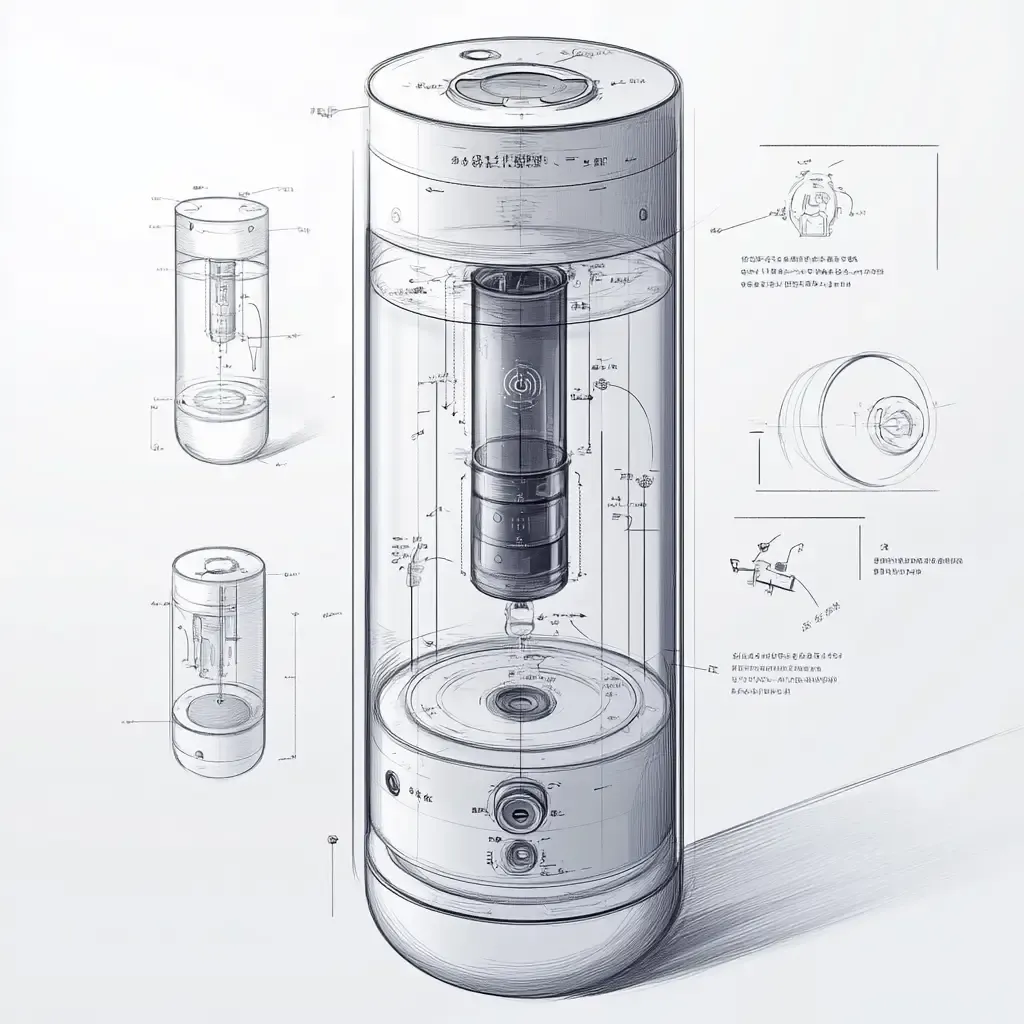 Before
Complete journey from initial design concept to fully manufactured precision product.
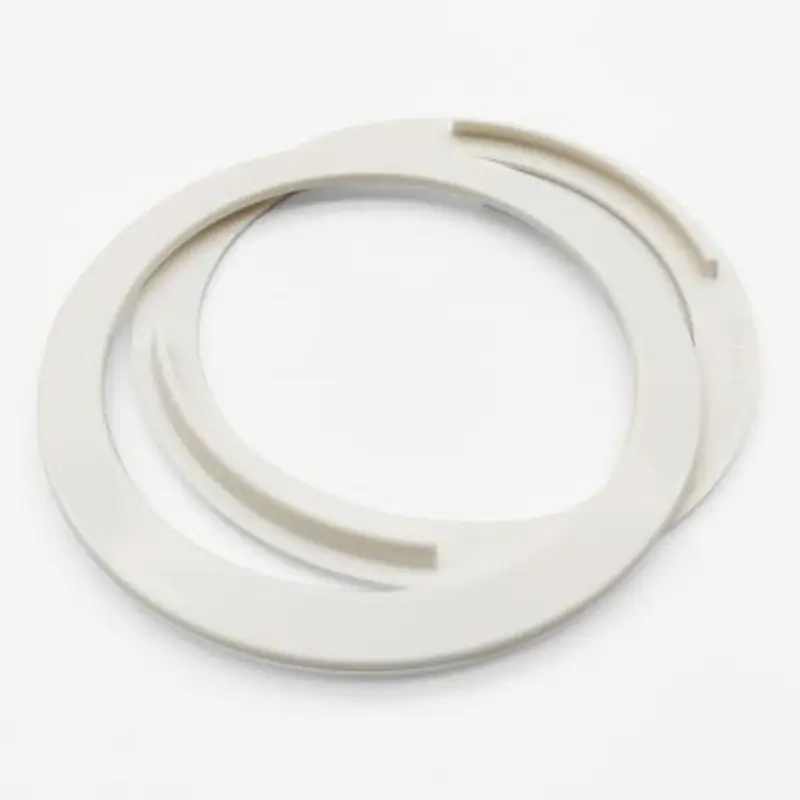 After
After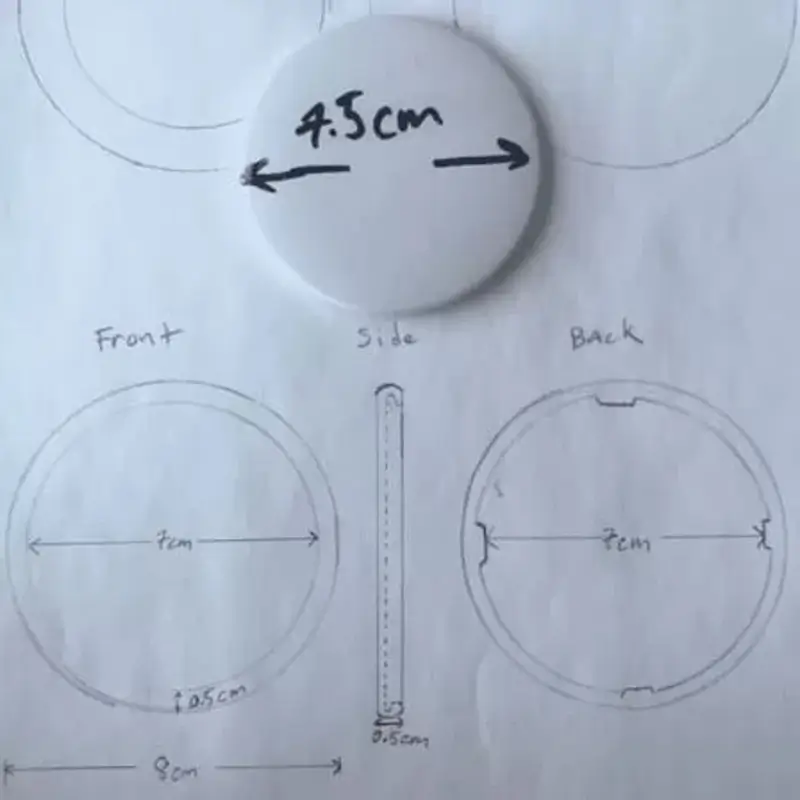 Before
End-to-end development from conceptual idea to manufactured reality.
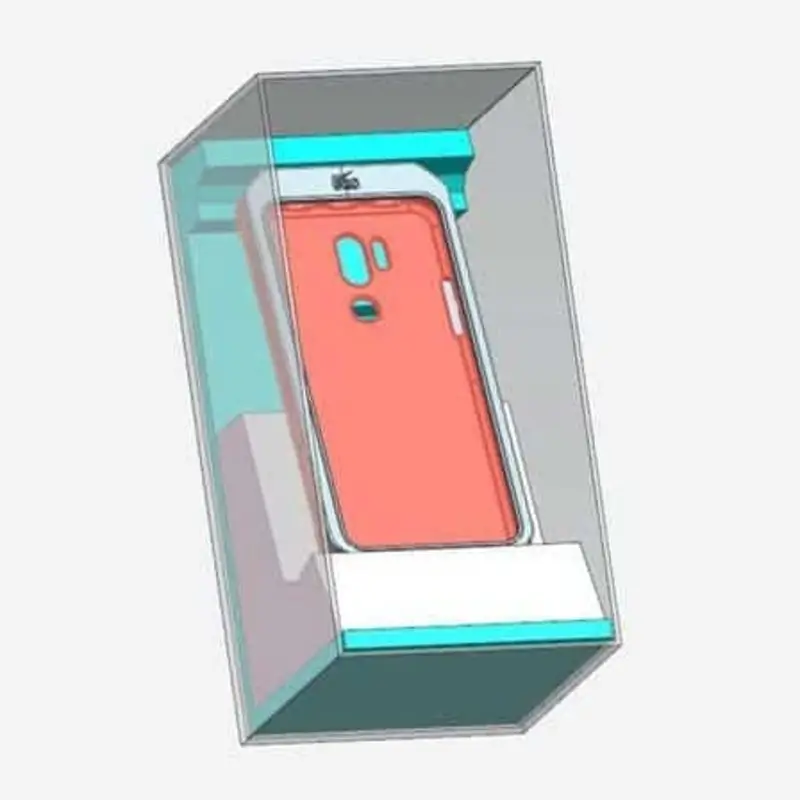 After
After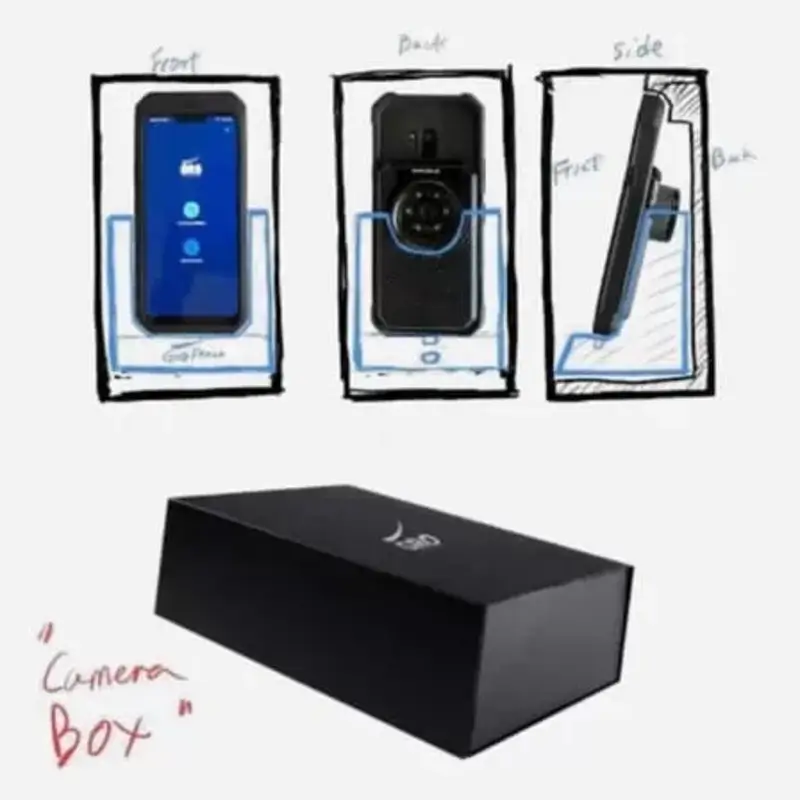 Before
For nearly 20 years, you've trusted us to deliver exceptional precision manufacturing tailored to meet your exact needs.
Consistent high-volume production with zero compromise on quality standards.
100+Molds delivered monthly
From standard plastics to specialized compounds, we master every material with precision.
400+Materials processed
With over twenty years of proven expertise, we deliver reliable, high-quality solutions.
20+Years Experience
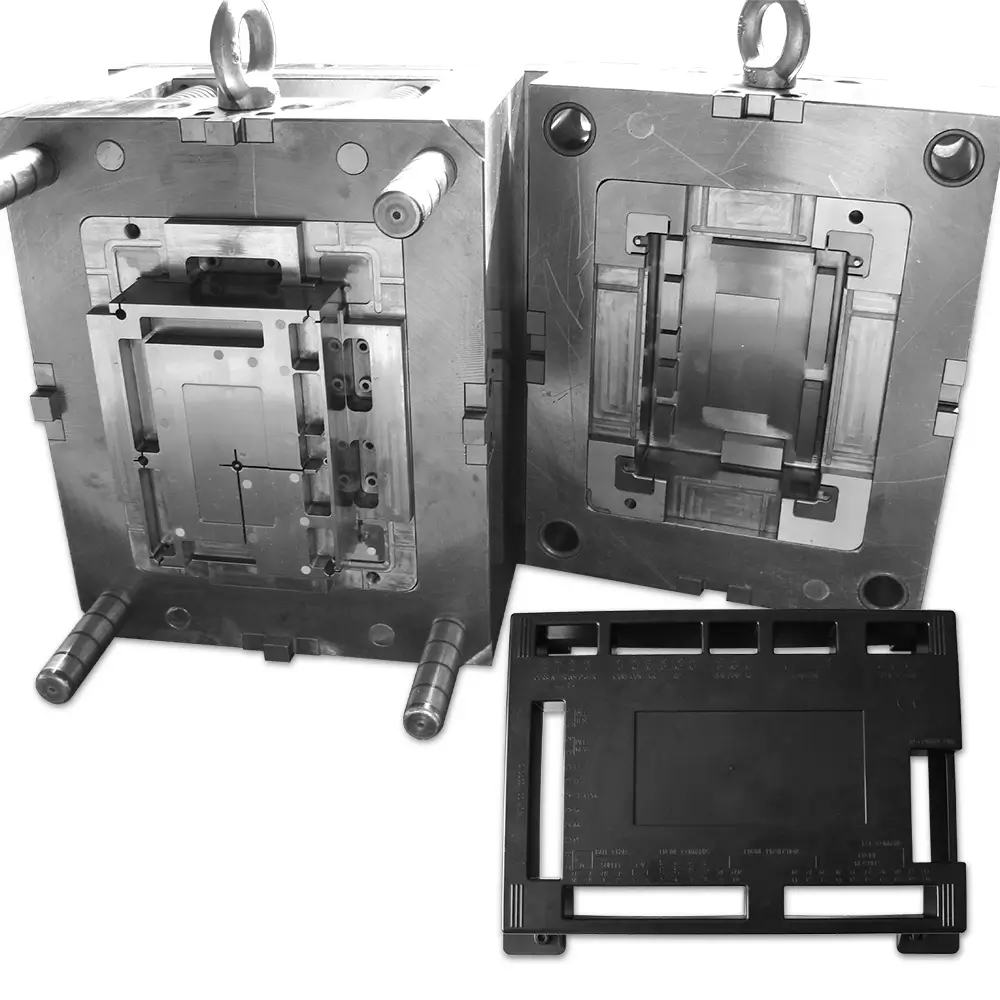
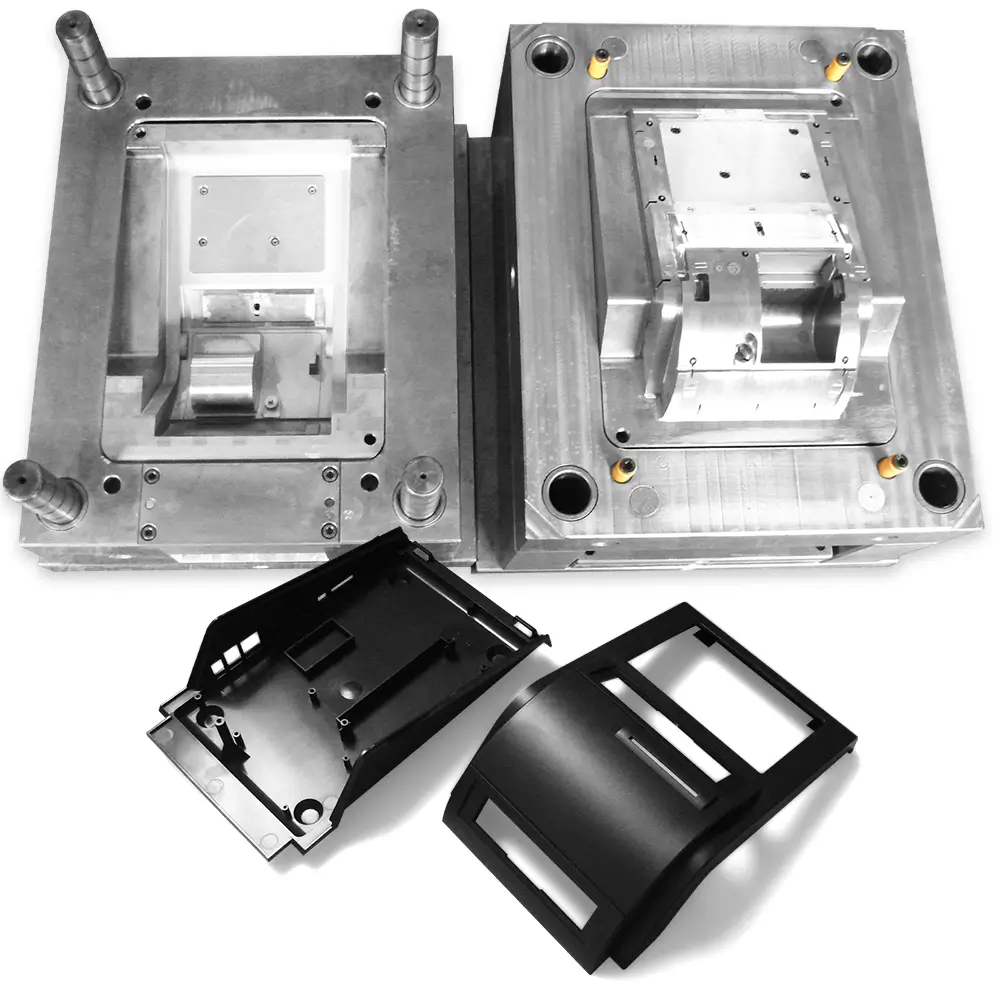
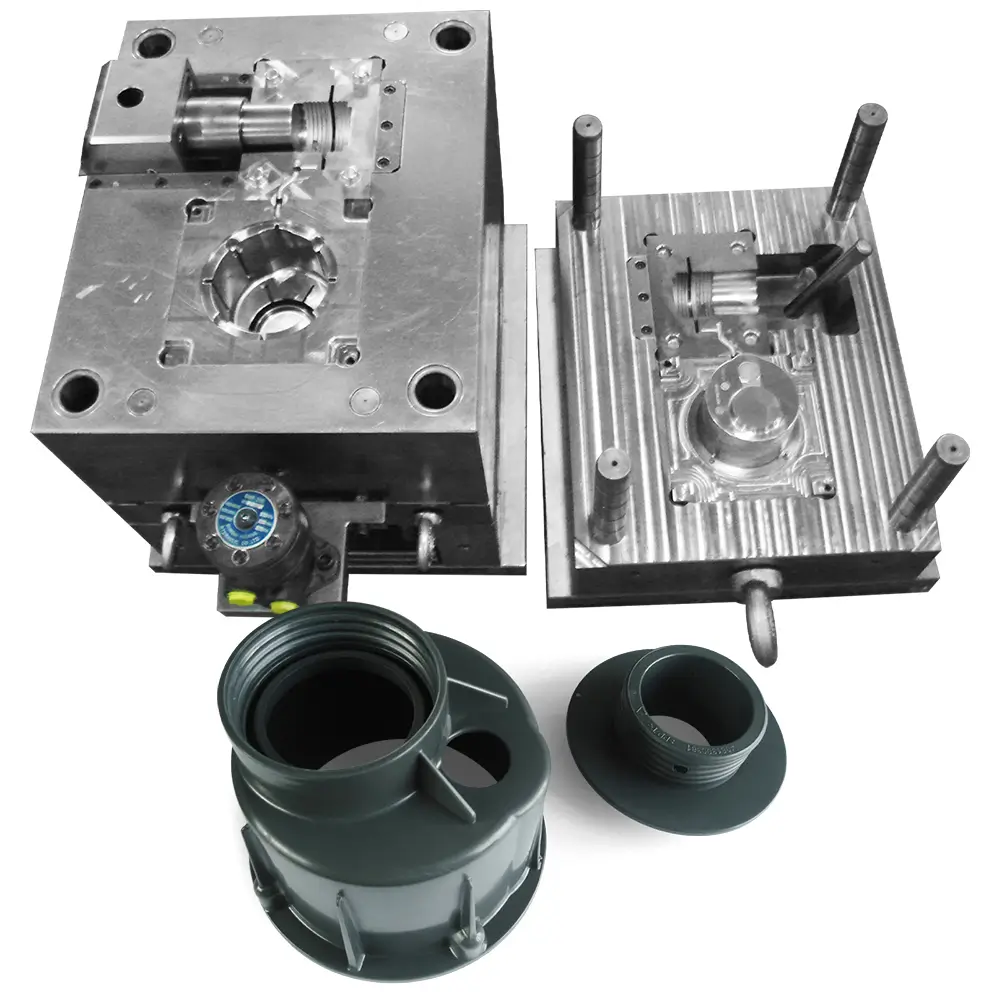
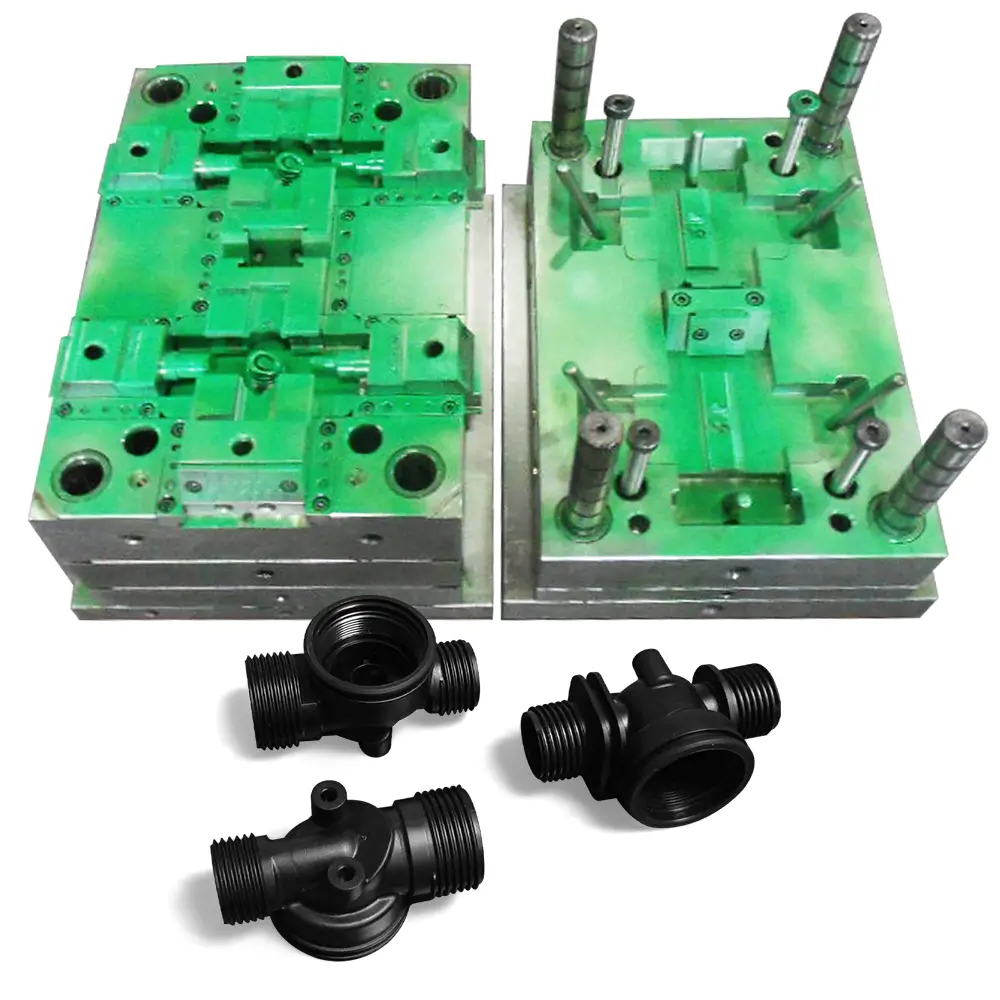
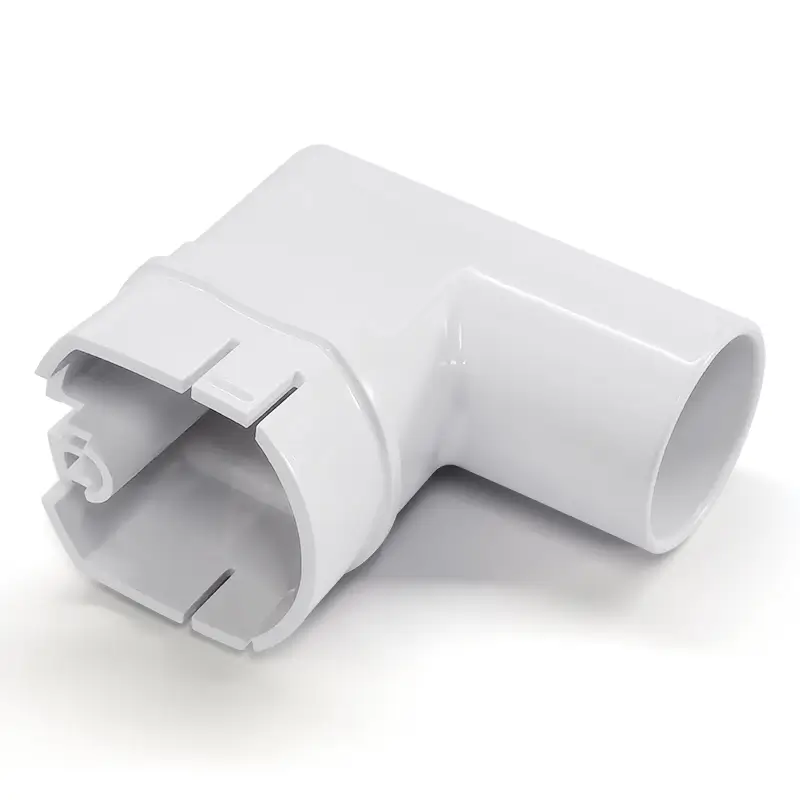
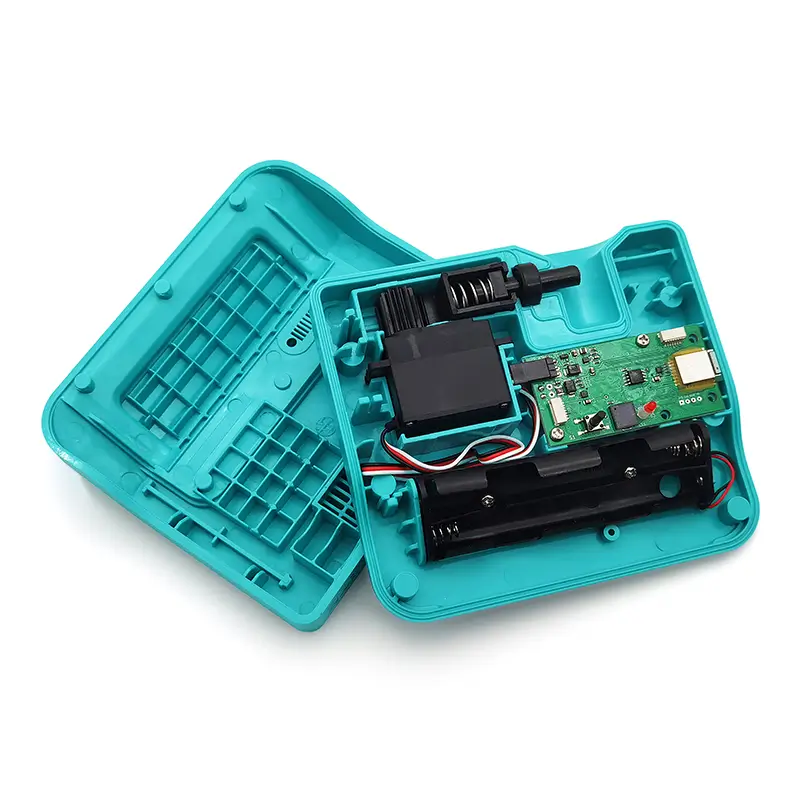
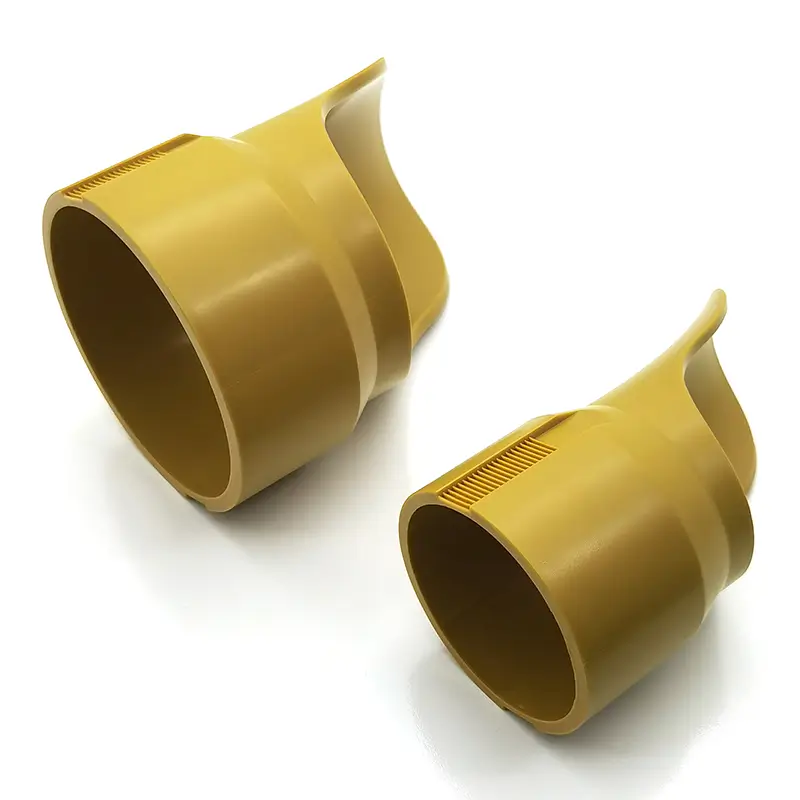
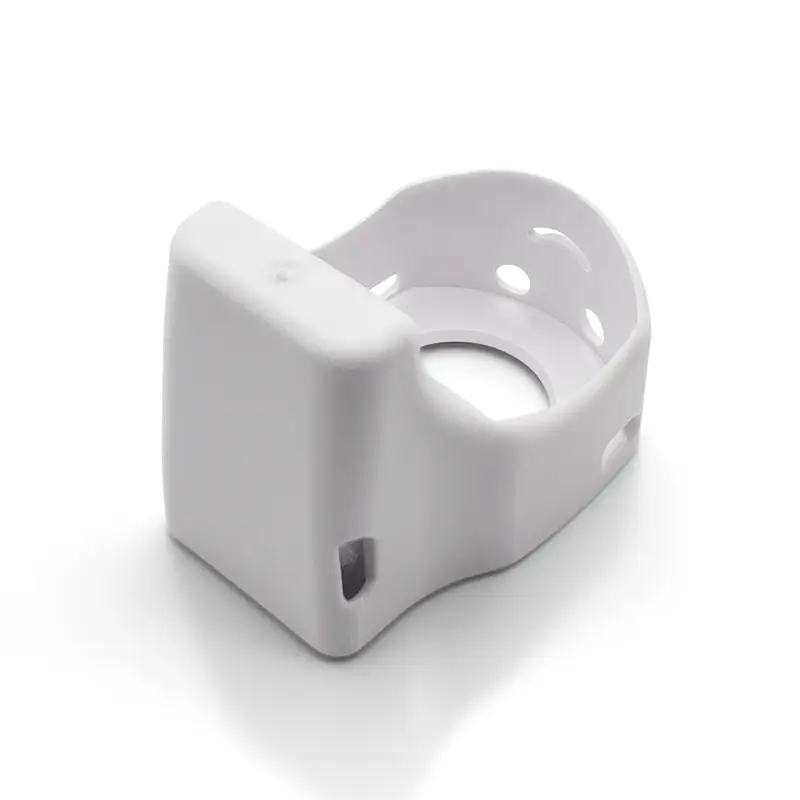
You'll benefit from our expertise in delivering custom plastic solutions designed specifically to meet your unique needs and industry standards.
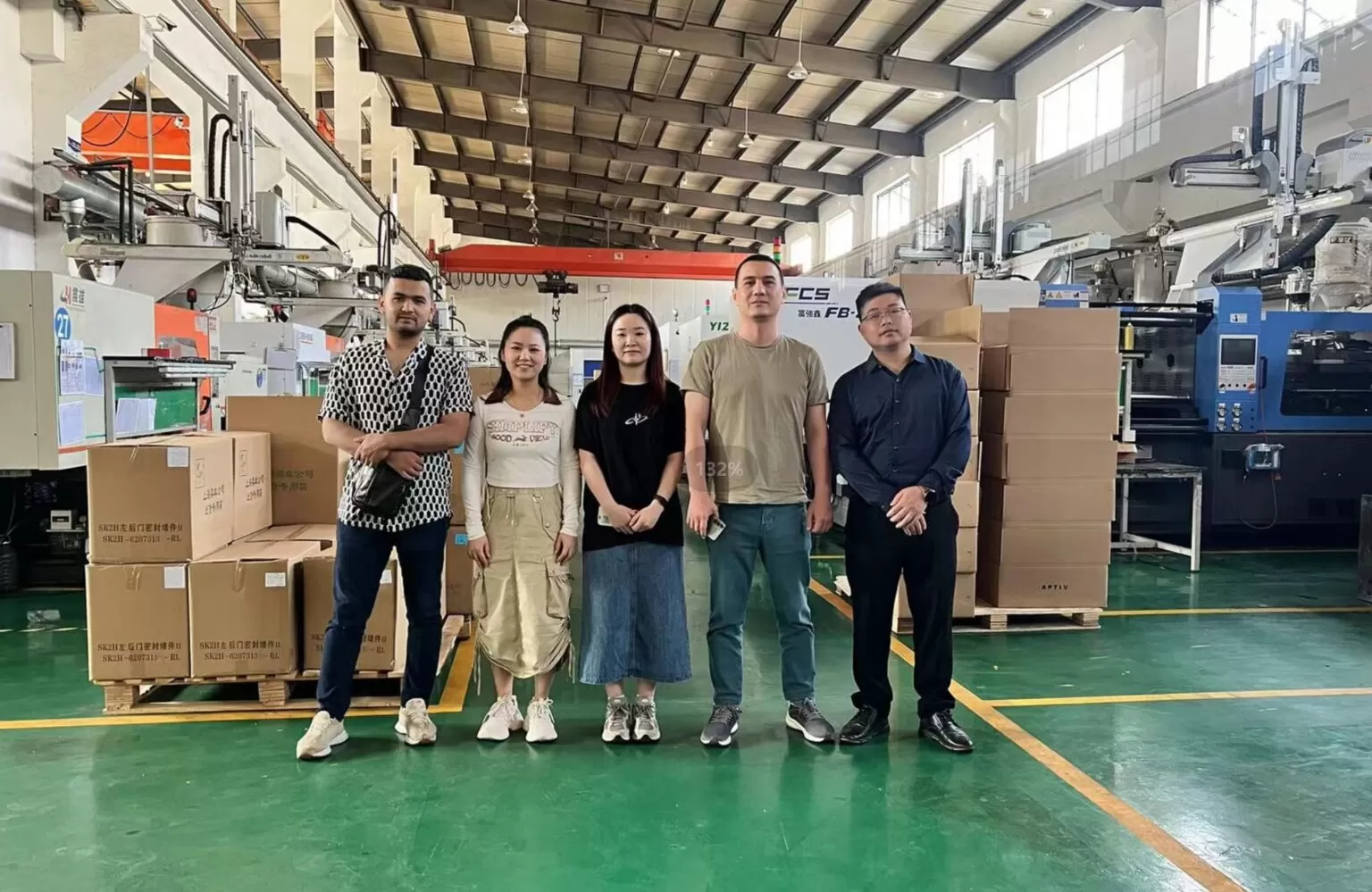
Looking for a reliable supplier with robust production capabilities and competitive pricing? Work with us to deliver high-quality, custom plastic products tailored to your clients' needs.
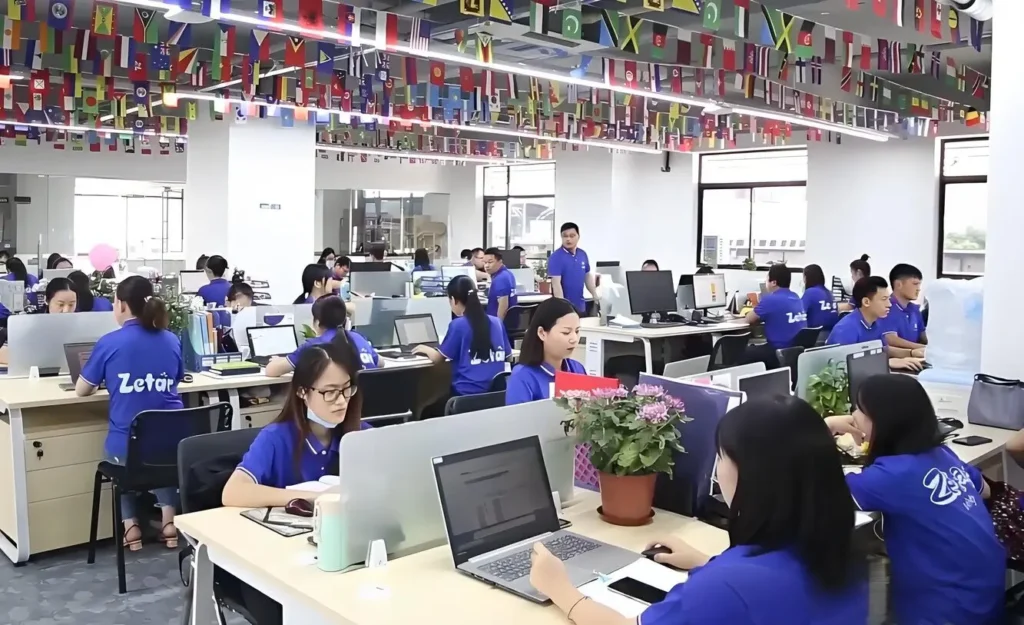
Need a reliable partner for mold production or injection molding? We offer customized solutions, from precision mold manufacturing to efficient injection molding services, designed to support your business’s production demands.
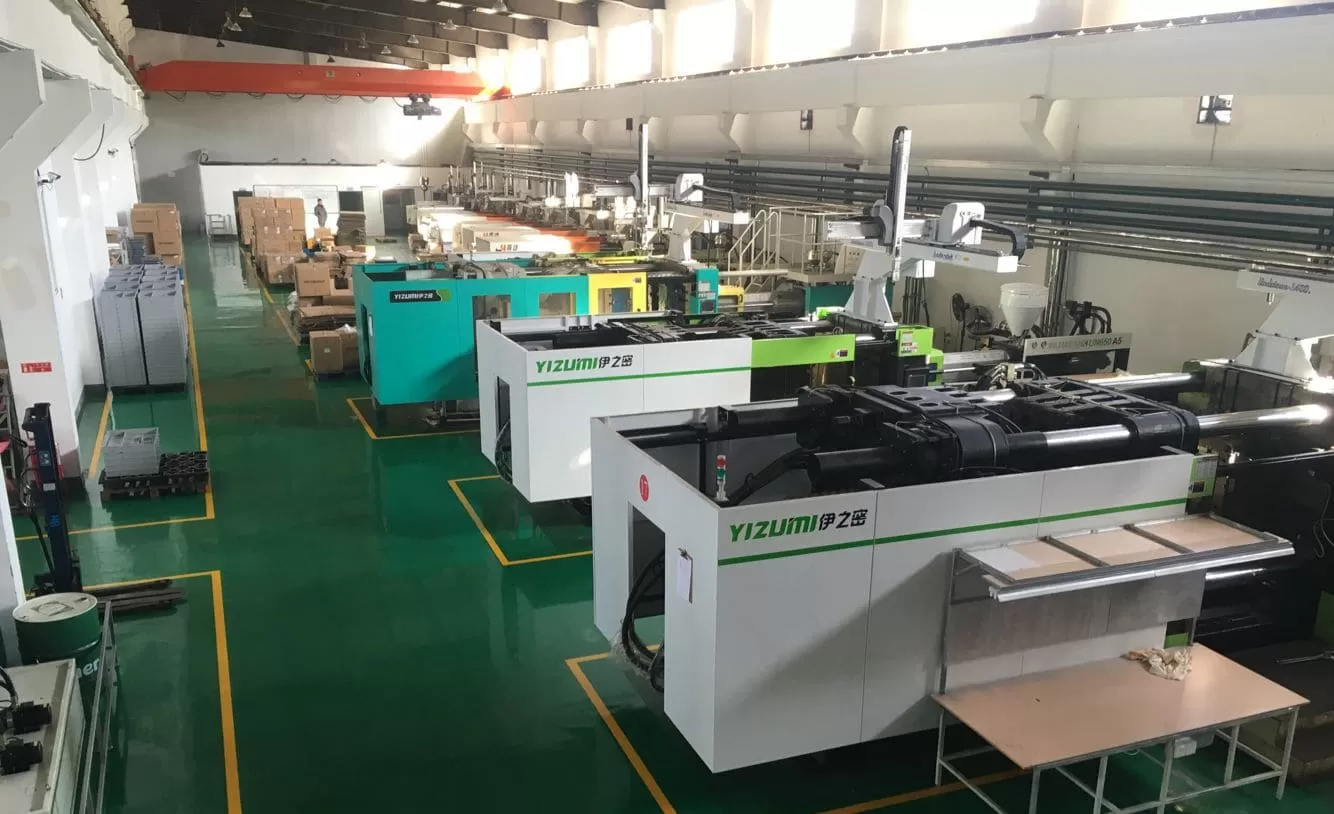
Looking for a trustworthy supplier with strong production capacity and competitive pricing? Partner with us to meet your clients' custom plastic product needs.
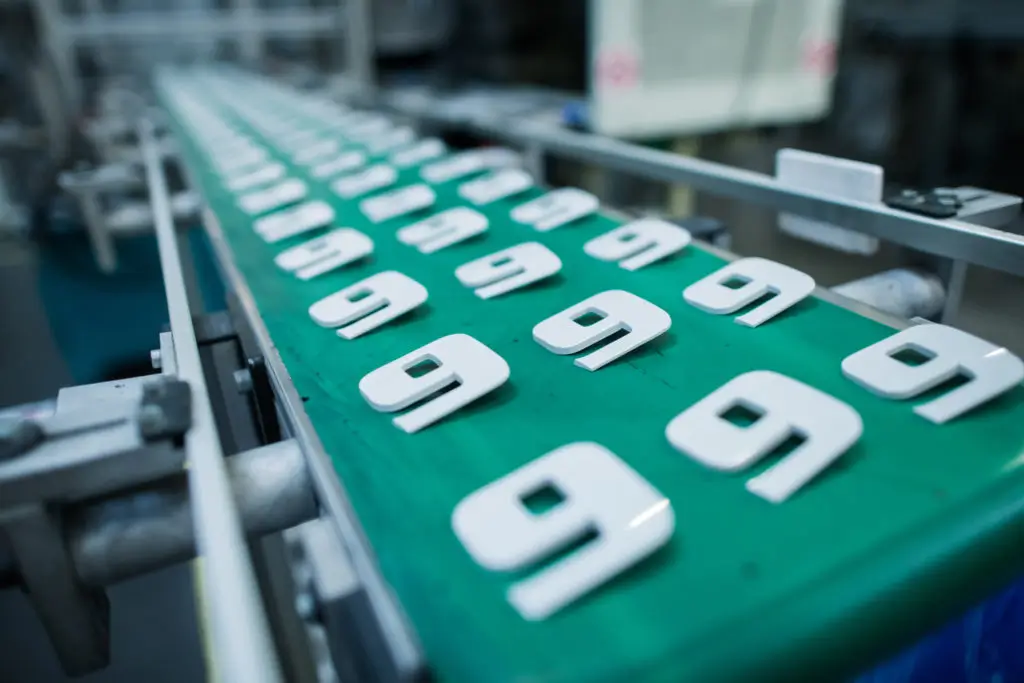
From concept to production, we bring your ideas to life with design optimization, precision mold development, and scalable manufacturing.
With nearly 20 years of expertise in injection molding, we deliver certified quality products and seamless global communication to meet your highest standards.
Since 2005, you’ve relied on dependable, high-quality plastic injection molding solutions. Our 8 expert mold engineers deliver DFM analysis, optimized designs, and seamless project management—helping your business thrive in a dynamic market.
With over 30 English-speaking project managers, you enjoy clear, efficient communication at every stage, backed by expertise in technical requirements and cultural nuances.
Enjoy a seamless, one-stop workflow from concept to post-processing, powered by 45 injection machines—including 6 in a Class M7 dust-free room—and a 1850T unit capable of producing parts up to 10kg with world-class precision.
Certified to ISO 9001, ISO 13485, ISO 14001, and ISO 45001, we uphold the highest standards of quality, environmental responsibility, and process management.
Ready to Start Your Project?
Bring your vision to life with our expert manufacturing solutions and decades of industry experience.
Celebrating successful collaborations with clients worldwide, showcasing the trust and partnerships we've built over the years.
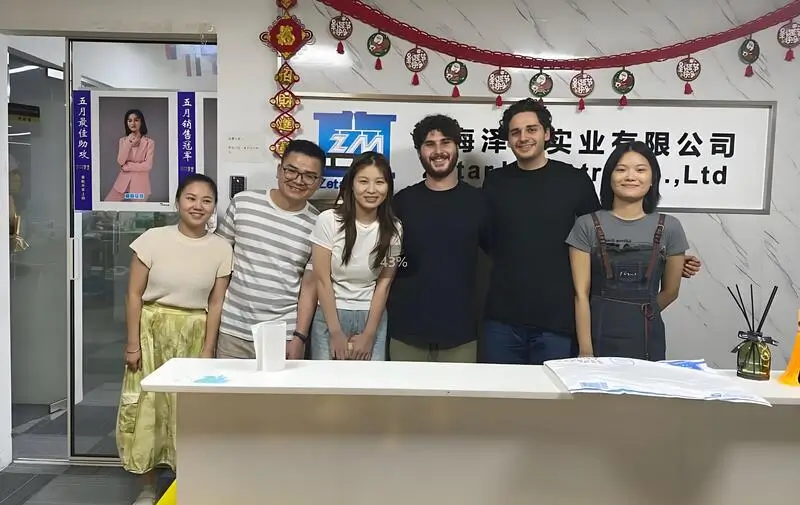
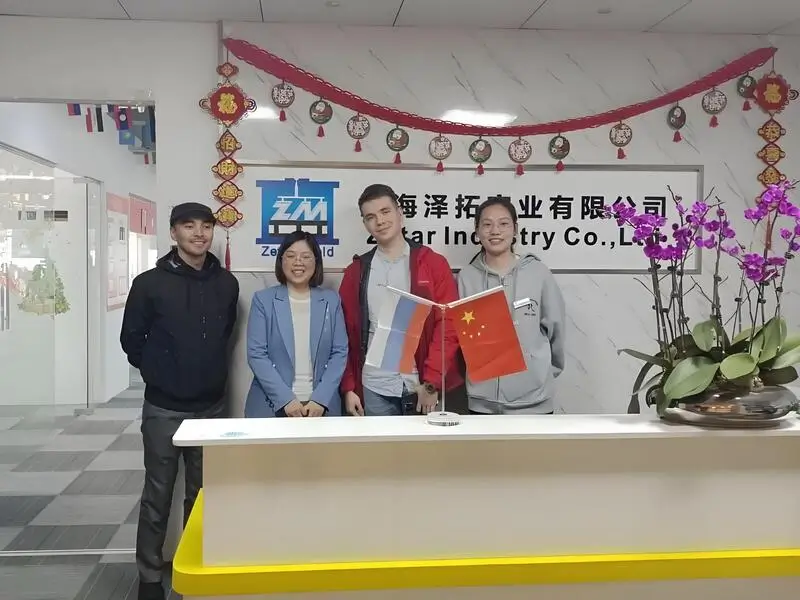
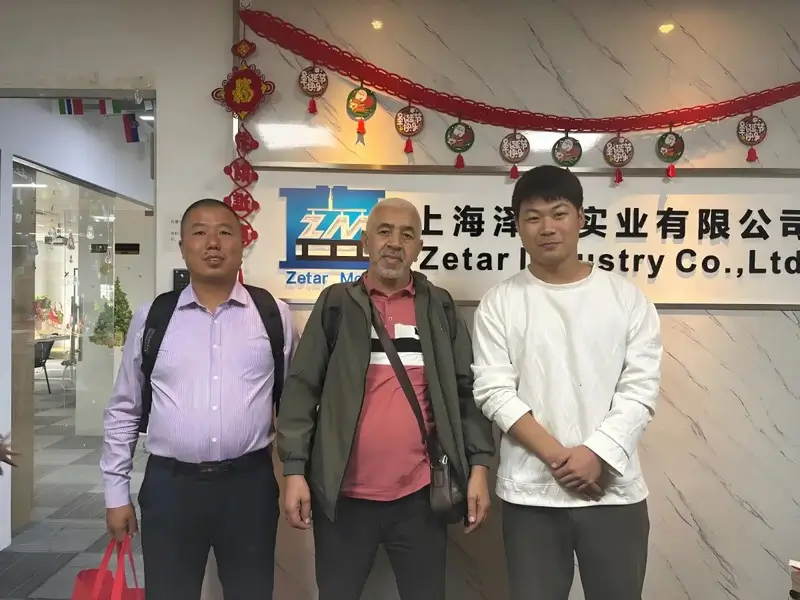
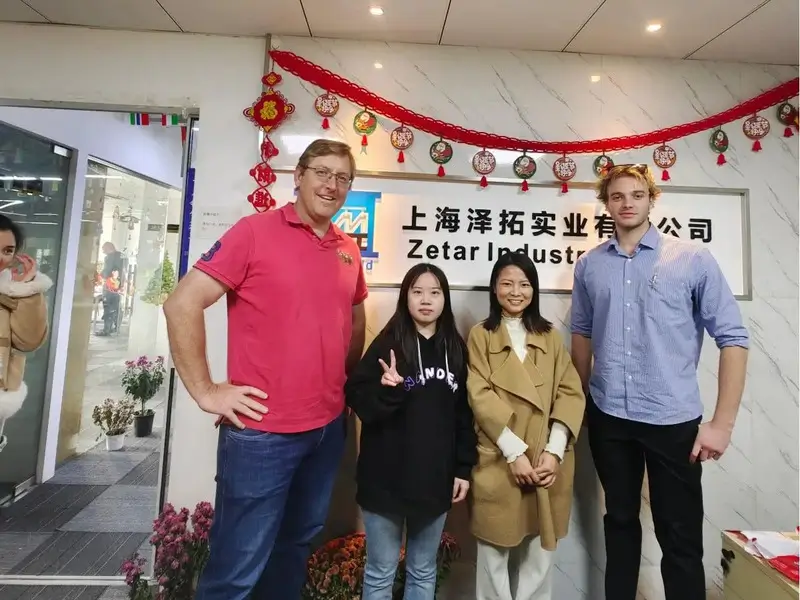
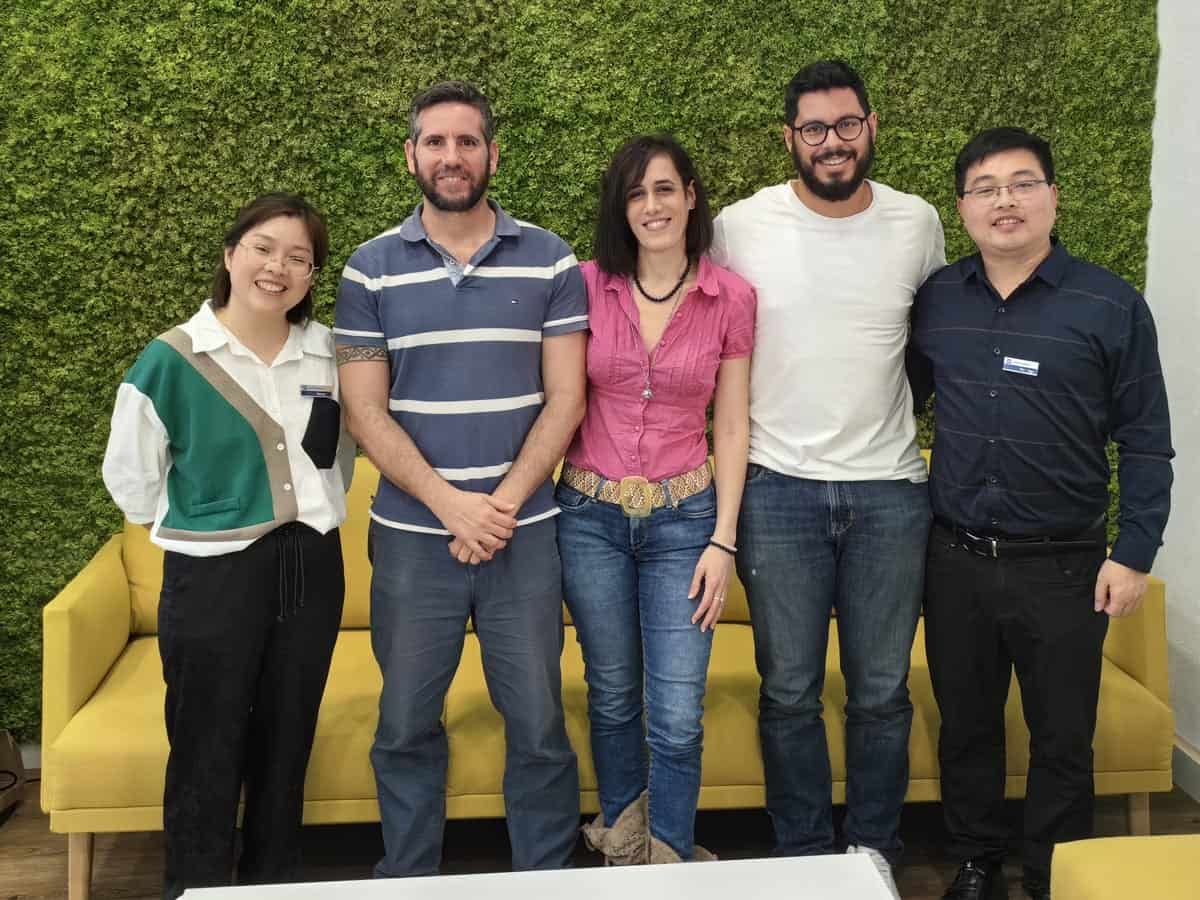
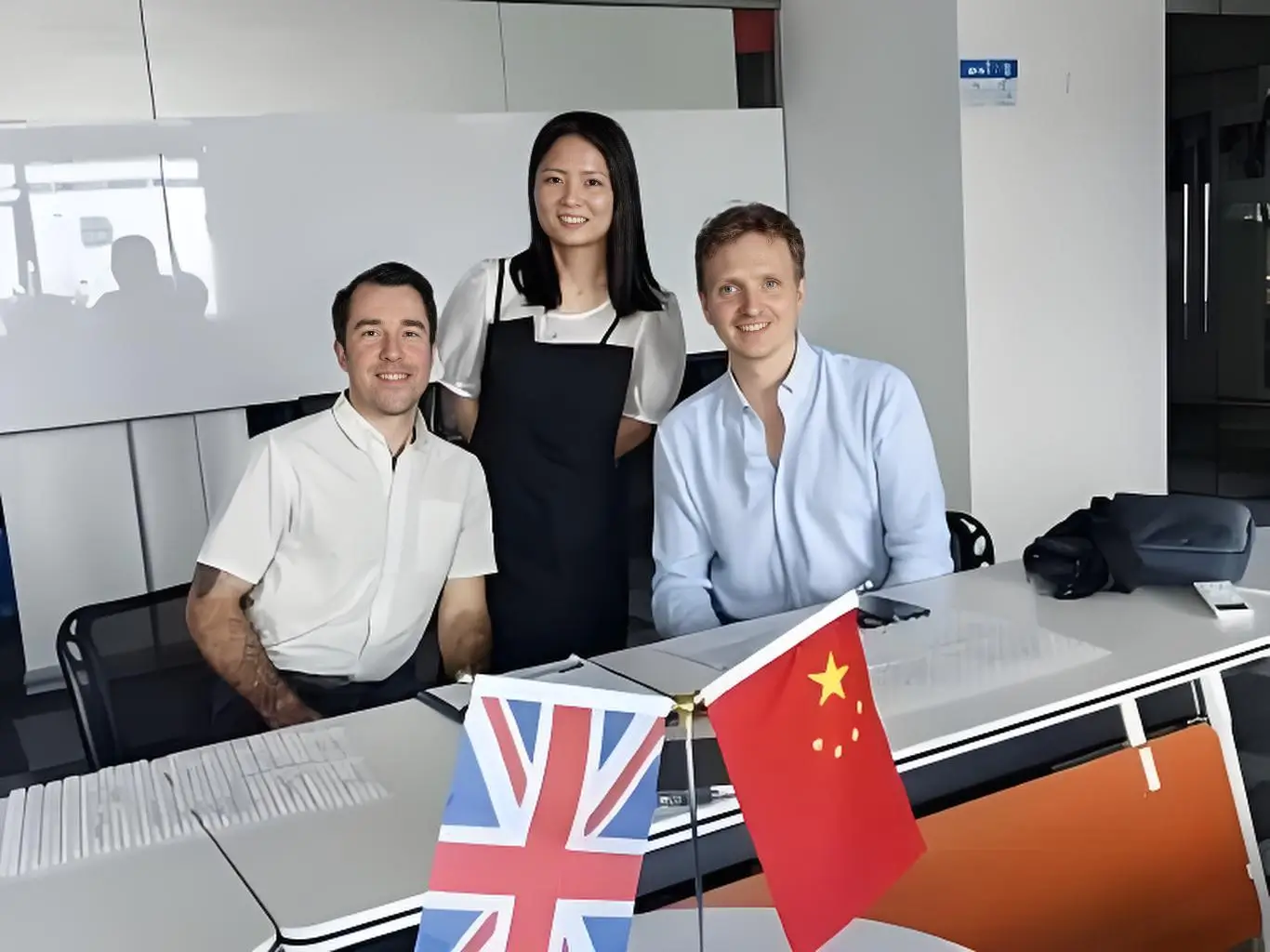
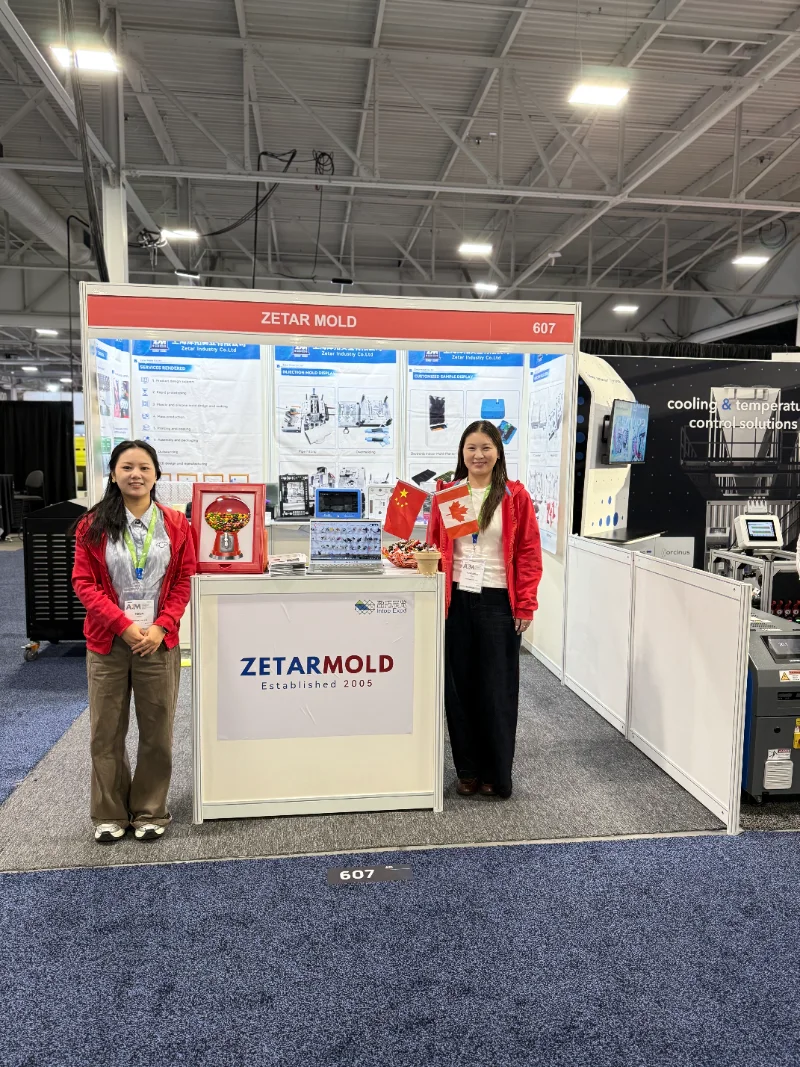

Visit us to explore our latest injection molding innovations, meet our sales team and engineering team, and discover how ZetarMold can bring your manufacturing projects to life with precision and excellence.
Schedule Booth VisitEstablished
English-Speaking PMs
Injection Machines
Materials Experience
Simply contact us, and we’ll provide the original certification for you.
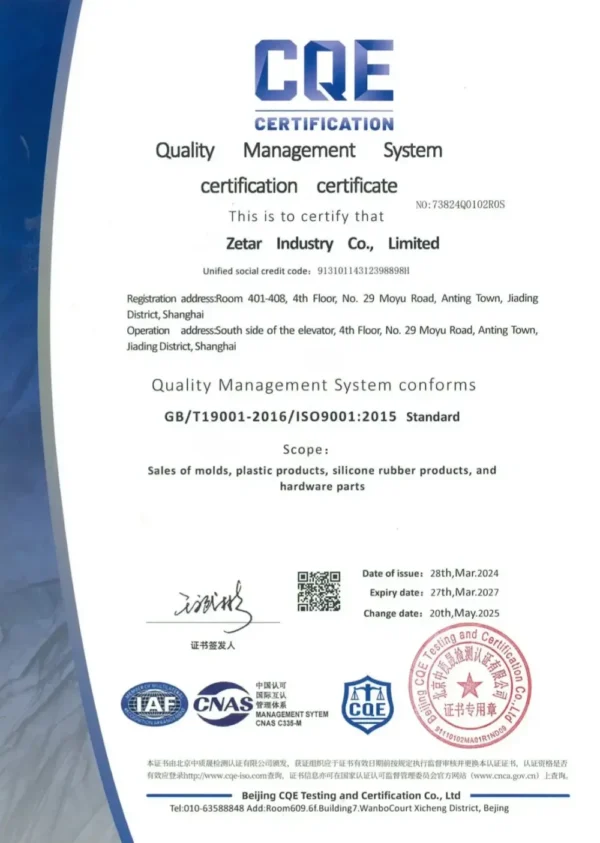
Certifies a quality management system that consistently meets customer and regulatory requirements.
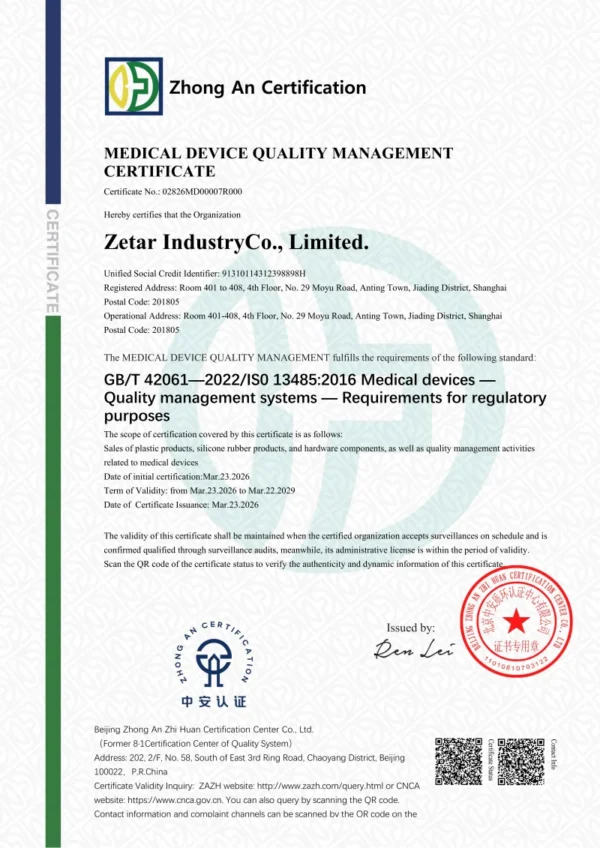
Specifies a quality system tailored to the needs for medical devices to consistently meet customer requirements.
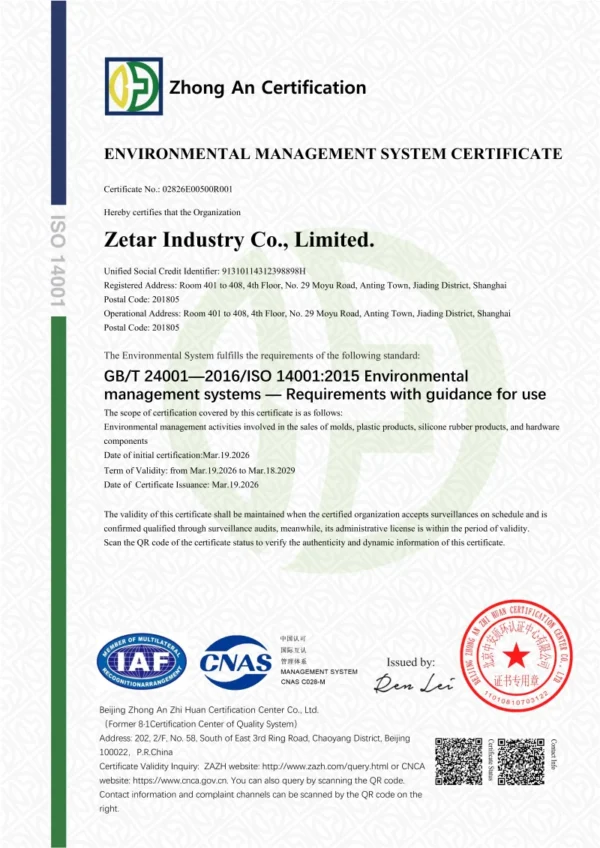
Outlines environmental criteria showing our commitment to sustainability.
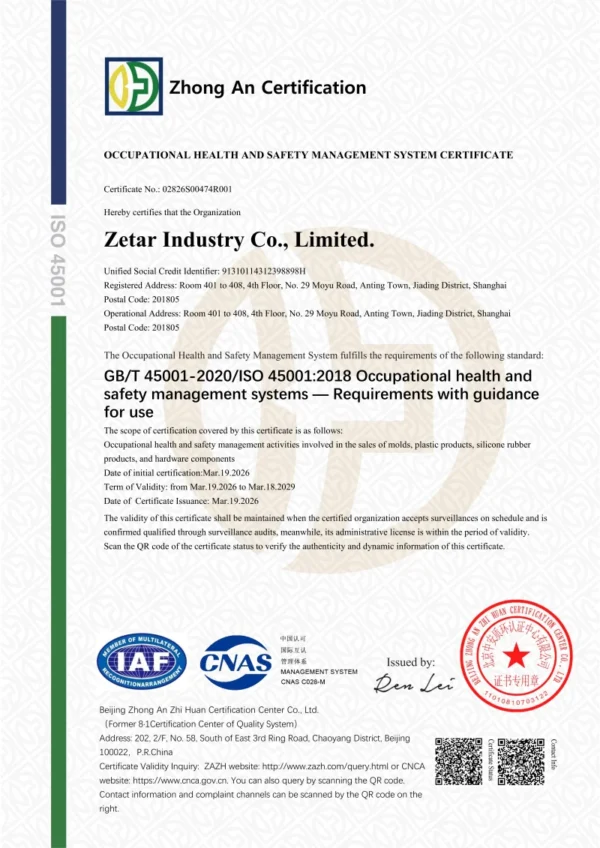
Ensures a safe workplace, reducing risks and improving occupational health throughout production.
Ready to bring your project to life? We're here to help you every step of the way.
Fill out the contact form and we'll get back to you within 24 hours.
We'd love to hear about your project

