 Skip to content

- Choosing the right injection mold factory in China requires evaluating technical capability, communication quality, certifications, tooling standards, and after-sales support.
- A factory visit or virtual tour reveals far more about actual production quality than any brochure or website ever could.
- Certifications like ISO 9001, ISO 13485, and IATF 16949 serve as baseline indicators of a factory’s process discipline and quality management systems.
- Clear communication channels and dedicated English-speaking project managers prevent costly misunderstandings during mold development.
- Requesting sample molds and T1 trial reports before committing to full production orders significantly reduces risk.
- The best China mold factories combine competitive pricing with transparent project management and consistent delivery timelines.
Why Is Finding the Right Injection Mold Factory in China So Important?
After spending over 20 years in the injection molding1 industry, I can tell you that your choice of mold factory directly determines your product quality, time-to-market, and overall manufacturing costs. A poor factory choice leads to months of delays, subpar mold performance, and wasted tooling investment that can reach tens of thousands of dollars.
China has become the world’s largest hub for injection mold manufacturing, producing roughly 40% of all molds globally. The sheer number of factories — estimated at over 30,000 across Guangdong, Zhejiang, and Jiangsu provinces alone — makes selection both an opportunity and a challenge. We at Zetar have worked with overseas clients from over 30 countries, and the most successful partnerships always start with a structured evaluation process rather than simply going with the lowest quote.
The reality is that mold quality varies enormously across Chinese manufacturers. Some factories invest heavily in precision CNC equipment, advanced mold flow analysis2, and rigorous quality control systems, while others cut corners on steel grades, surface finishing, and dimensional verification. Understanding what separates a reliable factory from a risky one is the first step toward a successful sourcing outcome.

What Technical Capabilities Should You Evaluate First?
The most critical factor when selecting a China mold factory is their technical capability — specifically their equipment, engineering team, and design-for-manufacturability expertise. A factory’s machine list tells you immediately whether they can handle your project’s complexity.
At Zetar, we operate over 30 injection molding machines ranging from 90 to 1,800 tons clamping force, along with precision CNC machining centers, wire EDM machines, and coordinate measuring machines (CMMs). This range allows us to handle everything from micro-precision medical components weighing under 1 gram to large automotive panels.
When evaluating a factory’s technical capabilities, here is what to look for:
| Capability Area | What to Check | Why It Matters |
|---|---|---|
| CNC Machining | Brand, accuracy (±0.005 mm or better), 3-axis vs. 5-axis | Determines mold precision and complex geometry capability |
| EDM Equipment | Wire EDM and sinker EDM availability | Essential for intricate cavity details and tight tolerances |
| Mold Design Software | UG/NX, SolidWorks, Moldflow | Modern software ensures DFM analysis and design optimization |
| Injection Machines | Tonnage range, brands (Haitian, Engel, Arburg) | Machine quality affects part consistency and cycle times |
| Measurement Equipment | CMM, optical comparators, surface roughness testers | Validates dimensional accuracy and surface quality |
| Mold Steel Inventory | P20, H13, S136, NAK80 availability | Steel grade selection impacts mold life and part surface finish |
A factory that can show you their DFM (Design for Manufacturability) review process before cutting steel demonstrates engineering maturity. We always provide detailed DFM reports highlighting potential issues with draft angles, wall thickness uniformity, gate locations, and ejection challenges — all before the customer approves the mold design.

How Can You Verify a Factory’s Quality Management System?
Quality management certifications provide a reliable baseline for evaluating a China mold factory’s process discipline. However, certifications alone are not enough — you need to verify how those systems are actually implemented on the shop floor.
The key certifications to look for include ISO 9001 (general quality management), ISO 13485 (medical device manufacturing), and IATF 16949 (automotive quality). At Zetar, we maintain all three certifications because our clients span automotive, medical, consumer electronics, and industrial sectors. Each certification demands documented procedures, regular internal audits, corrective action tracking, and management review processes.
Beyond certifications, ask specific questions about quality control procedures:
- Do they perform first-article inspection (FAI) with documented reports?
- What is their incoming material inspection process for mold steel?
- Do they use statistical process control (SPC) during production runs?
- How do they handle non-conforming parts — is there a documented rejection and rework process?
- Can they provide material certificates and steel mill traceability?
“Any factory with an ISO 9001 certificate automatically produces high-quality molds.”False
An ISO 9001 certificate shows that a factory has a documented quality management system, but it does not guarantee the technical quality of their output. Some factories obtain certifications primarily for marketing purposes without fully embedding quality discipline into daily operations. Always verify through factory audits and sample evaluations.
“Certifications combined with factory audits and sample evaluations give the most reliable picture of a mold factory’s quality capability.”True
The most effective quality verification combines checking certifications, conducting on-site or virtual factory audits, reviewing previous project samples, and requesting T1 trial reports. This multi-layered approach reveals both the documented systems and their real-world implementation.
What Role Does Communication Play in a Successful Partnership?
In my experience, communication quality is the second most common reason (after technical capability) that overseas mold sourcing projects either succeed or fail. Even the most technically capable factory will disappoint if they cannot clearly communicate project status, design changes, and potential issues in a timely manner.
When evaluating a China mold factory’s communication capabilities, consider these critical factors:
- Language proficiency: Does the factory have dedicated English-speaking project managers, or are you relying on Google Translate?
- Response time: Can they respond to technical queries within one business day?
- Project management tools: Do they use structured project tracking (Gantt charts, milestone reports) or just informal email updates?
- Time zone management: Are they willing to schedule calls during your business hours?
- Technical documentation: Can they provide DFM reports, mold design reviews, and trial reports in English with clear annotations?
At Zetar, every overseas project is assigned a dedicated project manager who speaks fluent English and has at least five years of mold engineering experience. This means your contact person actually understands the technical details rather than simply forwarding messages between you and the engineering team.
We also provide weekly progress reports with photos, milestone updates, and proactive communication about any issues that might affect the delivery timeline. This transparency has been essential for building trust with our clients in the United States, Europe, and Australia.
How Should You Evaluate Tooling Standards and Mold Steel Quality?
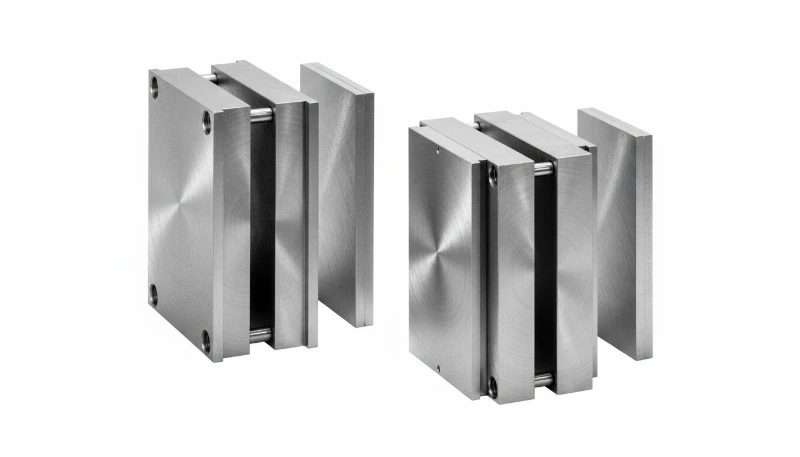
The mold steel grade and tooling standards a factory uses directly determine your mold’s lifespan, part surface quality, and long-term production consistency. This is an area where cost-cutting by less reputable factories can cause severe problems down the line.
Mold steel selection depends on your production volume, part material, surface finish requirements, and budget. Here is a practical comparison of commonly used mold steels:
| Steel Grade | Hardness (HRC) | Typical Mold Life (Shots) | Best Application | Relative Cost |
|---|---|---|---|---|
| P20 (pre-hardened) | 28–34 | 300,000–500,000 | General-purpose molds, medium volumes | Low |
| H13 | 48–52 | 500,000–1,000,000 | High-volume, abrasive materials | Medium |
| S136 (AISI 420) | 48–52 | 500,000–1,000,000+ | Optical clarity parts, corrosion-resistant | High |
| NAK80 | 37–43 | 300,000–500,000 | High-polish surfaces, no heat treatment needed | Medium-High |
| 718H | 33–38 | 300,000–500,000 | Large molds, uniform hardness | Medium |
Always ask your factory to specify the exact steel grade, supplier (Assab, Bohler, Daido, etc.), and provide material certificates with heat treatment records. At Zetar, we use only verified steel from established suppliers and provide full traceability documentation with every mold we deliver.
The mold base3 standard matters too. International standards like DME (US), HASCO (Europe), or LKM (Asia) ensure compatibility with your existing production tooling and simplify spare part sourcing. Be cautious of factories that use non-standard mold bases to cut costs — this can create headaches when you need maintenance or modifications later.
What Should You Look for During a Factory Visit or Virtual Tour?
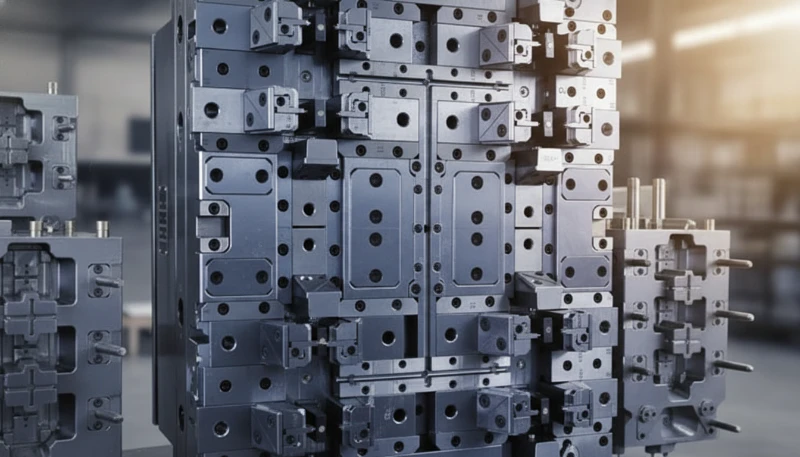
A factory visit — whether in person or virtual — is one of the most effective ways to evaluate a potential mold supplier. What you see on the production floor often tells a very different story from what you read in a sales brochure.
During our factory tours at Zetar, we walk clients through every stage of our mold manufacturing process: from CNC machining and EDM operations, through assembly and polishing, to mold trial and inspection. Here is what you should pay attention to during a factory visit:
- Floor organization: A clean, well-organized factory with 5S principles (Sort, Set in order, Shine, Standardize, Sustain) indicates disciplined management.
- Machine condition: Well-maintained equipment with regular calibration stickers suggests consistent production quality.
- Work-in-progress tracking: Look for visible project boards, traveler cards, or digital tracking systems on the shop floor.
- Tooling storage: Proper mold storage with rust prevention, identification tags, and organized shelving shows respect for tooling investment.
- Worker skill level: Observe how technicians handle mold components — experienced hands work efficiently and treat precision parts with care.
- Inspection area: A dedicated quality inspection area with CMM machines and testing equipment demonstrates commitment to dimensional verification.
“You can fully evaluate a mold factory’s capability based on their website and online reviews alone.”False
Websites and online reviews can be curated and may not reflect actual factory conditions. Many small workshops present themselves as large-scale operations online. Only a physical visit or detailed virtual tour reveals the true manufacturing environment, equipment condition, and workforce quality.
“A factory visit or virtual tour combined with sample evaluation provides the most accurate assessment of a supplier’s real capabilities.”True
Seeing the actual production environment, asking technical questions face-to-face, and evaluating physical samples together give you a comprehensive and honest picture of what a factory can deliver. This approach catches issues that documents and digital communications cannot reveal.
How Do You Protect Your Intellectual Property When Working with a China Factory?
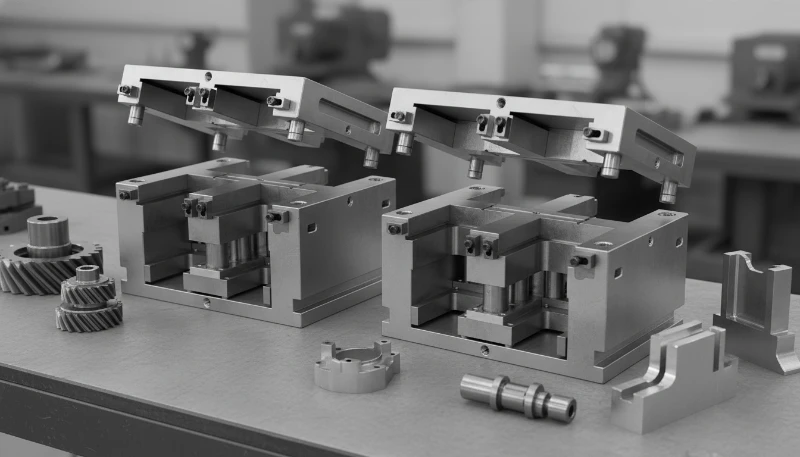
Intellectual property (IP) protection is understandably one of the top concerns for overseas buyers sourcing molds from China. While China’s IP protection laws have strengthened significantly in recent years, taking proactive measures remains essential.
Here are the practical steps we recommend to every client:
- Non-Disclosure Agreement (NDA): Sign an NDA before sharing any technical drawings or proprietary designs. Make sure it is enforceable under Chinese law — ideally reviewed by a lawyer with China IP experience.
- Mold ownership clause: Your contract should clearly state that you own the mold tooling4, all design files, and any modifications made during development.
- Design segmentation: For highly sensitive products, consider splitting the mold work across two or more factories so no single supplier has complete knowledge of the full product.
- Patent registration in China: If your product design is patentable, register it in China specifically. Chinese patent registration provides direct legal recourse in local courts.
- Regular audits: Conduct periodic audits to ensure the factory is not producing unauthorized copies using your mold.
At Zetar, we have strict IP protection policies built into every client contract. Our mold storage area is access-controlled, and we never share client designs, specifications, or production data with any third party. We also support mold shipment to clients who prefer to house their tooling at their own facilities or at a third-party warehouse.
What Pricing and Payment Structures Indicate a Reliable Factory?
Pricing transparency is a strong indicator of a factory’s reliability and professionalism. Reputable factories provide detailed cost breakdowns rather than a single lump-sum quote, making it easier to compare offerings and understand where your money is going.
A professional mold quotation should break down costs into these categories:
- Mold design and engineering fees
- Mold steel and materials cost (with steel grade specified)
- CNC machining, EDM, and finishing labor
- Hot runner or cold runner system cost (if applicable)
- Mold trial costs (number of T1, T2 trials included)
- Surface treatment (texturing, polishing, plating)
- Packaging and shipping
Standard payment terms in the China mold industry typically follow a structure like this:
| Payment Stage | Typical Percentage | Milestone Trigger |
|---|---|---|
| Deposit | 40–50% | Upon purchase order confirmation |
| Mid-term payment | 0–20% | Upon mold design approval or steel cutting |
| Balance before shipment | 30–40% | Upon T1 sample approval |
| Final retention (optional) | 0–10% | After first production run acceptance |
Be cautious of factories demanding full payment upfront or offering quotes that are dramatically lower than the market average. Extremely low prices often indicate compromises on steel quality, machining precision, or quality control. At Zetar, we provide fully transparent quotations with itemized cost breakdowns and flexible payment milestone structures that protect both parties.
Frequently Asked Questions (FAQ)
How long does it typically take to manufacture an injection mold in China?
Standard injection mold lead times in China range from 4 to 10 weeks, depending on mold complexity, size, and the factory’s current workload. Simple single-cavity molds can be completed in as little as 3–4 weeks, while complex multi-cavity molds with hot runner systems and intricate features may take 8–12 weeks. At Zetar, we provide detailed production schedules with weekly milestone updates so you always know exactly where your project stands.
What is the typical cost range for injection molds from China?
Injection mold costs from China typically range from $2,000 to $50,000+ depending on size, complexity, cavity count, steel grade, and surface finish requirements. Simple prototype molds start around $1,500–3,000, while production molds for automotive or medical applications with high cavity counts can exceed $80,000. China mold prices are generally 30–50% lower than equivalent tooling from the US or Europe.
Can I get a factory to produce sample parts before committing to a full order?
Yes, reputable factories like Zetar always produce T1 (first trial) sample parts as part of the mold development process. These samples are sent to you for dimensional inspection, functional testing, and aesthetic evaluation before the mold is approved. Most factories include 1–2 trial rounds in the mold cost, with additional trials charged separately if needed.
How do I handle shipping and customs for molds manufactured in China?
Most China mold factories can arrange door-to-door shipping via sea freight or air freight, handling export documentation including commercial invoices, packing lists, and certificates of origin. Molds are typically classified under HS code 8480.71 for customs purposes. We recommend using a freight forwarder experienced with mold shipments to ensure proper packaging (rust protection, wooden crate with fumigation certificate) and smooth customs clearance.
What happens if there are quality issues with the mold after delivery?
A reliable factory will have clear warranty terms covering mold defects and workmanship issues. At Zetar, we provide a standard mold warranty that covers manufacturing defects for the specified mold life. If issues arise, our engineering team works with you remotely to diagnose the problem and arrange repairs or modifications. For clients who keep their molds at our facility, we can perform maintenance and modifications directly.
Should I use a sourcing agent or work directly with the factory?
Working directly with the factory gives you more control, better pricing (no agent markup), and direct technical communication. Sourcing agents can be helpful if you lack experience with China suppliers or need help with quality inspections and logistics. However, for technical products like injection molds, direct factory engagement with a technically competent supplier like Zetar typically produces better outcomes.
Summary
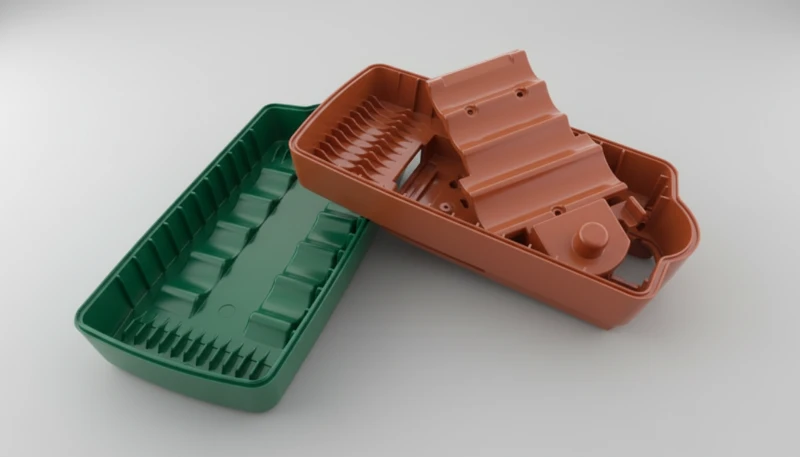
Finding a good plastic injection mold factory in China comes down to six essential evaluation areas: technical capabilities, quality management systems, communication quality, tooling and steel standards, factory verification through visits or virtual tours, and IP protection measures. Each of these factors contributes to a successful long-term manufacturing partnership.
At Zetar, with over 20 years of experience serving clients worldwide, we have built our reputation on technical excellence, transparent communication, and unwavering commitment to quality. Our ISO 9001, ISO 13485, and IATF 16949 certifications, combined with our state-of-the-art manufacturing facility and dedicated project management team, make us a trusted partner for businesses looking to source high-quality injection molds5 from China.
Whether you are developing a new product or looking to improve your existing mold sourcing strategy, we invite you to contact our team for a free consultation and DFM review. See our Injection Molding Complete Guide for a comprehensive overview.
-
Injection Molding: A manufacturing process where molten plastic is injected into a mold cavity under high pressure, then cooled and ejected as a solid part. It is the most widely used method for mass-producing plastic components. ↩
-
Mold Flow Analysis: A computer simulation technique that predicts how molten plastic will flow through a mold cavity, helping engineers optimize gate locations, cooling channels, and identify potential defects before mold manufacturing. ↩
-
Mold Base: The standardized steel frame that houses the cavity and core inserts of an injection mold. Standard mold bases from manufacturers like DME, HASCO, and LKM ensure dimensional compatibility and simplify mold maintenance. ↩
-
Mold Tooling: The complete set of precision-engineered components — including the mold base, cavities, cores, ejector systems, and cooling channels — that form the mold used in injection molding production. ↩
-
Injection Molds: Precision steel tools designed to shape molten plastic into specific part geometries. High-quality injection molds can produce millions of parts with consistent dimensional accuracy and surface finish. ↩
Need a Quote for Your Injection Molding Project?
Get competitive pricing, DFM feedback, and production timeline from ZetarMold’s engineering team.



 EN
EN  ES
ES  FR
FR  DE
DE  PT
PT  AR
AR  RU
RU  JA
JA  KO
KO  IT
IT  NL
NL  TR
TR  PL
PL 