 Skip to content

Injection molds are tools that are used a lot in factories. They can be used to make all sorts of plastic things, like the casings for household appliances, car parts, and everyday things. It’s really important to standardize and automate the design of injection molds. This helps make production more efficient, cuts costs, and makes sure the things are good quality.
Standardization and automation in the design of injection molds means using specific rules and automated processes that match the product and manufacturing needs. This is a big deal because of advances in modern manufacturing technology. It’s a key driver in the industry. Injection molds are a big deal in the injection molding process. How much you standardize and automate the design of the molds makes a big difference in how good, fast, and cheap the molding process is.

Standardization and automation design of injection molds is one of the key trends driving the development of the injection mold industry. With the rapid advancement of manufacturing, injection molds play a crucial role in the production process. Traditional manual mold-making methods are no longer sufficient to meet the market’s demands for efficiency, precision, and stability in production. Therefore, standardization and automation design have become inevitable choices for development. This article will elaborate on the importance of injection mold design from the perspectives of standardization and automation, and explore how to achieve the standardization and automation of injection mold design.

Standardization of Injection Mold Design
Concept of Standardization
Standardization is when you make everything the same. You make all the products, all the processes, and all the manufacturing the same. You do this by following the rules and standards that have been set up. You do this to make the products better, to make them cheaper to make, and to make them faster to make. In injection mold design, you follow the rules and standards to make the design go faster and to make fewer mistakes.
Standardization in injection mold design means designing molds according to specific standards and specifications based on product characteristics and manufacturing requirements. Standardized design rationalizes mold structures, facilitates production and maintenance, and improves production efficiency and cost-effectiveness. It also increases mold universality, reduces the use of special molds, and saves manufacturing costs and time.

Standardization is mainly about standardizing the structure, size, and parts of the mold. Structurally, it means following certain design principles and regulations, such as rationalizing the layout of the runners, uniformly distributing the cooling channels, and ensuring the strength and rigidity of the mold. In terms of size, it means following certain size design principles and specifications to ensure the dimensional accuracy of the product, control the shrinkage rate of the mold, and manage the shrinkage of the mold. In terms of parts, it means following certain part design principles and specifications, such as selecting the appropriate materials, ensuring the machining accuracy of the parts, and controlling the assembly clearance.
Standardization in design helps manufacturers improve production efficiency and product quality, while also reducing costs and time. Standardization in injection mold design includes:
1. Standardizing Dimensions
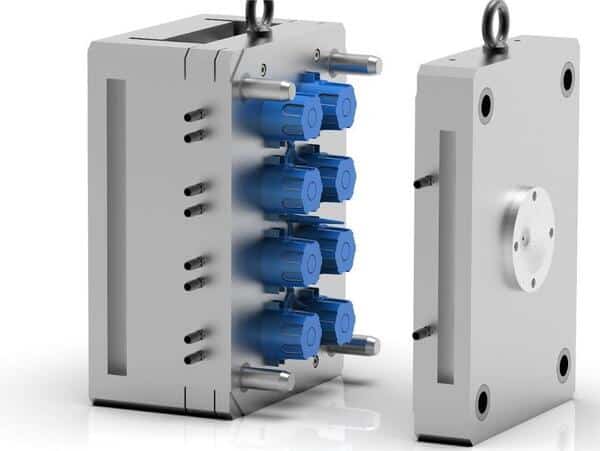
Standardizing the dimensions of injection molds makes it easier and faster to swap molds between different models. So, it’s a good idea to avoid unnecessary variations in dimensions when designing molds. You can standardize some dimensions that you use frequently when making the same or similar plastic products.
2. Standardizing Materials
When choosing materials for injection molds, you should follow national standards to make sure they’re good quality and will work for a long time. If you pick the right materials, you won’t have to fix or replace your molds as often, which will save you money.

Advantages of Standardized Injection Mold Design
Standardized injection mold design is when you use the same design and manufacturing specs for all your molds. This makes your molds more universal, interchangeable, and standardized. The benefits of standardized injection mold design are:
1. Enhanced Mold Universality
Standardization makes it so different types of injection molds can follow the same rules for how they’re built and how big they are. This makes it easier to use different molds to make different things.
2. Reduced Design and Manufacturing Costs
Standardization prevents duplication in design and production, making things more efficient and cheaper to design and make.
3. Improved Mold Quality and Stability
Standardizing mold design helps to reduce errors and defects, improve mold quality and stability, and decrease failure rates and maintenance needs during use.
Implementation of Injection Mold Design Standardization
1. Formulating Standardized Design Specifications
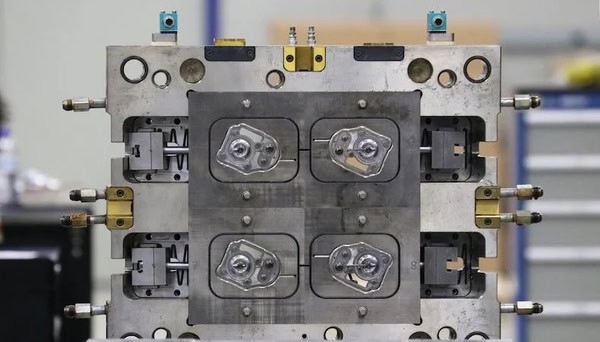
Create detailed, standardized design specs that match the characteristics and needs of injection mold design. These specs should cover design processes, drawing notes, dimension tolerances, and material selection specs.
2. Developing Standardized Design Software
Build software for injection mold design to standardize and automate common mold design functions like automatic nesting and uniform dimension annotations.
3. Strengthening Standardized Design Training
Give mold designers standardized design training to improve their skill and ability in standardized design.
4. Utilizing Standard Parts
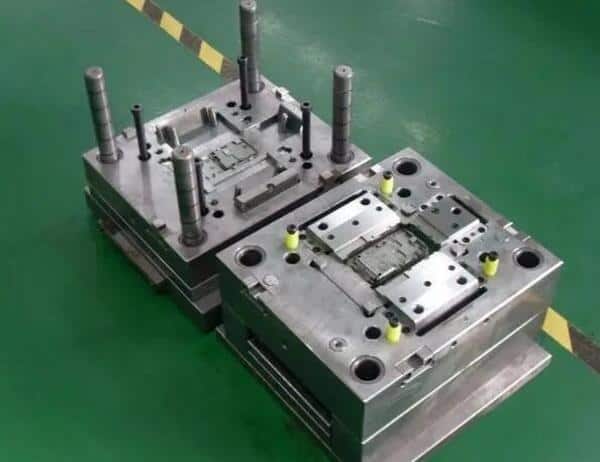
When designing injection molds, make sure to use standard parts like standard mold bases, standard plates, standard guide pins, and standard plastic parts. These standard parts are widely used and accepted in the industry, so they have strict specifications for dimensions, materials, and manufacturing processes. This means that molds made with standard parts will be good quality and work well.

5. Designing Standard Mold Components
Use standard components as much as possible and avoid using special components when designing molds. Using standard components can make the mold universal, reduce the cost of design and manufacturing, and ensure the performance and quality of the mold, thereby extending the life and stability of the mold.
6. Uniform Standards
Make sure all the parts in your mold have the same specs and dimensions. This makes it easier to design and build your mold, cuts down on mistakes and waste, and helps you make more parts faster and better.

Automation of Injection Mold Design
When designing injection molds, it’s important to follow automation principles because molds need to be automated for production. You need to design the mold structure and actions so they work well on automated production lines. You need to choose high-precision and stable components and actuators so the mold is reliable and stable. You need to design cooling and venting systems that make sense so you can make good parts and make them fast.
Automation means using technologies like CAD/CAM/CAE, mold flow analysis, mold thermal analysis, mold sensing, and mold control technologies to make injection mold design accurate and efficient, so that it can meet the requirements of automated production.
When designing injection molds, you should think about using robots, vision systems, and laser measurement systems. These things can be added to your mold to make it work with robots, measure parts, and check parts. They can also help you load and unload your mold, measure your parts, and adjust your machine. This will help you make more parts and better parts.

Concept of Automation
Automation is when you use computers and fancy tech to make stuff work by itself. In injection mold design, automation tech helps you make smart and fast mold designs.
Automation design for injection molds is about using automation technology to improve the efficiency of mold operation and injection molding production. Automation design for injection molds mainly includes automatic mold loading and unloading, automatic mold cooling, and automatic mold control. Automatic mold loading and unloading can be achieved through automation equipment such as robotic arms and conveyors, which reduces manual operations and improves loading and unloading efficiency. Automatic mold cooling can be achieved through automation equipment such as cooling water pipes and cooling water plates, which improves cooling effect and shortens cooling time. Automatic mold control can be achieved through automation equipment such as PLC (Programmable Logic Controller) and HMI (Human-Machine Interface), which realizes precise control of the injection process and improves production efficiency.

Automation design for injection molds involves using modern technology to automate the control and management of the injection mold production process. This helps increase production efficiency, lower production costs, and improve product quality and stability. Automation design mainly includes:
1. Design of Automated Production Lines
Use automation equipment and robots to achieve automatic operation of injection mold production lines, including raw material transportation, injection molding, and product discharging, so as to reduce manual intervention and improve production efficiency.
2. Design of Automation Control Systems
Use PLCs to automatically monitor and control the injection mold production process. This allows for automated management and optimized adjustments of the production process.
3. Design of Automated Inspection Equipment
Bring in automated inspection equipment and sensors to do online quality inspection and monitoring of products, so you can find problems fast and keep product quality steady.
4. Design of Automated Data Management Systems
Set up a data management system for the injection mold production process. This system will collect, analyze, and manage production data in real time. It will also provide a scientific basis for production decisions.
Importance of Automation
1. Improved Design Efficiency
Automation design accomplishes tasks like generating drawings automatically and calculating design parameters automatically, which reduces repetitive work for designers and improves design efficiency.
2. Enhanced Design Accuracy
Automation design helps to reduce design errors caused by human factors, which in turn improves the accuracy and stability of the design.
3. Increased Production Efficiency
Automation design optimizes production processes and automatically generates production plans, which improves production efficiency and shortens production cycles.

Implementation of Injection Mold Design Automation
1. Use of CAD/CAM Software
Use CAD/CAM software for injection mold design to do things like automatically draw and automatically make design drawings, which makes design faster and more accurate.
2. Application of Intelligent Design Technology
Use smart design technology to automatically calculate and optimize mold design parameters, improving design smarts and efficiency.
3. Adoption of Advanced Manufacturing Technology
Introduce advanced CNC machining equipment and manufacturing processes to achieve automated mold manufacturing, improving production efficiency and quality.
Why Standardization and Automation in Injection Mold Design?
Enhanced Production Efficiency
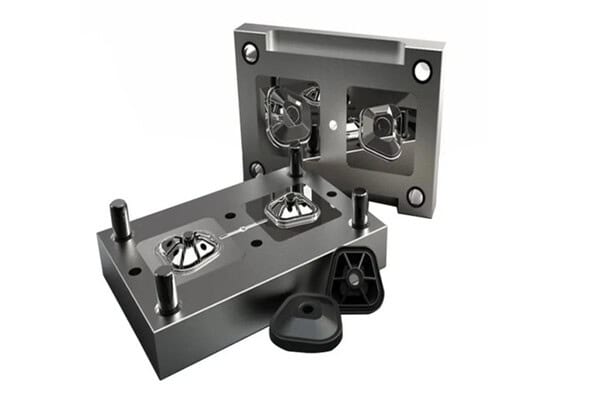
Standardization and automation in injection mold design help you make parts faster, cheaper, and with less effort. Standardization makes molds easier to build and maintain. Automation makes molds work better in automated factories. You can make molds that load and unload themselves. You can make molds that measure and check parts automatically. You can make molds that adjust themselves. You can make parts faster.
Reduced Production Costs
Standardization design simplifies mold design and manufacturing processes, reduces errors and waste, and lowers manufacturing costs. Automation design reduces labor costs, improves production efficiency, reduces production risks, thereby lowering production costs.

Ensured Product Quality
Standardization and automation in injection mold design make molds more stable, reliable, and accurate, ensuring better product quality. Standardization design makes mold structures more universal, which is good for quality control and maintenance. Automation design makes molds able to do automated production, which reduces the impact of human factors on product quality, making products more stable and consistent.
Increased Competitiveness of Enterprises
Standardization and automation in injection mold design improve production efficiency, reduce production costs, and ensure product quality, enhancing the competitiveness of enterprises. Standardization design enables enterprises to respond more flexibly to market demands and product changes, while automation design enables enterprises to produce and control product quality more efficiently, thereby gaining more market share.

Future Development Directions of Injection Mold
With the rapid development of technology and society, the injection mold industry is constantly evolving and improving. The future development directions of injection molds mainly include:
Intelligent Development
Future injection molds will get smarter, with sensors and control systems that allow them to monitor and adjust production process parameters in real time. This will help improve production efficiency and product quality.
Green Sustainable Development
Future injection molds will be more environmentally friendly and sustainable. They will use eco-friendly materials and production processes, reduce energy consumption and waste generation, and promote recycling and resource conservation.
High Precision and High Speed
Future injection molds will continue to pursue higher precision and speed, allowing for more complex product processing and faster production cycles to meet customer demands for product quality and delivery time.
Automation Production Trend
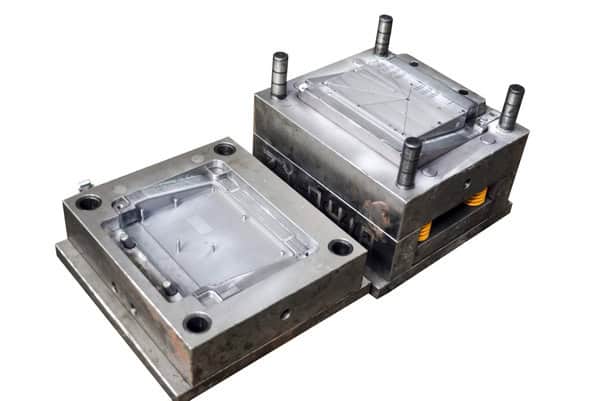
In the future, injection molds will be more automated. They will do everything themselves, like making things, putting them together, and checking to make sure they’re good. This will make it faster to make things, cheaper to make things, and make it so people don’t mess up the things they’re making.
Personalized Customization Services
Future injection molds will focus more on personalized customization services, providing products of different specifications, shapes, and materials according to customer requirements, offering more choices and satisfying customer needs.

Conclusion
Standardization and automation in injection mold design have a big impact on the quality, efficiency, and money-making of injection molding processes. Standardization design makes molds more universal, interchangeable, and standardized, lowers design and manufacturing costs, and improves mold quality and stability. Automation design makes molds run more efficiently and makes production more efficient, lowers labor costs, and increases production efficiency. Injection mold design and manufacturing processes should focus on standardization and automation design to make injection molding processes work better and make more money.




 EN
EN  ES
ES  FR
FR  DE
DE  PT
PT  AR
AR  RU
RU  JA
JA  KO
KO  IT
IT  NL
NL  TR
TR  PL
PL 