 Skip to content

In the world of injection molding, there’s a process called overmolding (also known as secondary molding) where you take a specific material and wrap it or coat it over the surface of an injection-molded part to get properties like strengthening the structure, adding some kind of cosmetic quality, making it more durable, or making it protective. This process is used in a lot of different industries, including automotive and electronics manufacturing, and making medical devices. It’s a technology that’s getting more and more attention and respect.

This article is all about overmolding. It explains what overmolding is, how it works, what it’s good for, and why you should care. It even takes you on a journey through the history of overmolding, including the old and new ways to do it, how it’s done, and some of the cool things you can do with it. Then, it shows you some of the most popular ways to use overmolding, with a case study on each. Finally, it wraps up by talking about what’s happening with overmolding in the automotive, electronics, and medical industries.
Alright, so today I’m going to talk about overmolding. This article is going to be a comprehensive look at the process of overmolding. I’m going to give you some good guidelines and references for manufacturing companies and researchers in this field. We’re going to go through a deep dive on overmolding, and I’m going to show you what it is, how it works, and the key technologies that are going to drive process innovation and industry adoption for greener technology. Finally, I want to show you some more case studies of how this technology is being used in industry.

Understanding Overmolding
Overmolding
This technique is referred to as overmolding, it involves adding a special kind of material to the outside surface of the injection molded part that has already been completed. This approach works with a number of adhesives and their coverings to perform the work of coating more materials by various of coating methods to ensure that you get either appearance decoration, functionality enhancement, or protection is achieved. And this process could make the products not only visually beautiful, but also add other functions such as physical performance improvement, wear resistance, corrosion resistance, and UV resistance, which all add higher value to the injection-molded products.

Historical Background
Overmolding has been around for a long time as a surface treatment technology. At first, the aesthetics of injection-molded parts were mainly achieved through methods such as painting and electroplating. But with the increasing awareness of environmental protection and the rising consumer demand for product quality and safety, traditional surface treatment methods gradually showed limitations and defects. In order to meet market demands, overmolding emerged.

Process Principles
Surface Treatment: Before overmolding, you gotta clean and treat the surface of injection-molded parts to get rid of dirt and oxides and make sure the coating sticks good.
Selection of Suitable Adhesives: Depending on what you need, you gotta use the right glue and the right amount on the surface of your injection-molded parts. Common glues include polyurethane, acrylic ester, epoxy resin, etc. You choose which one to use based on what your substrate and coating materials are like and what you want your stuff to do.
Coating Methods: You can overmold in different ways, like brushing, spraying, dipping, or electrophoretic deposition. Choosing the right way to coat will make sure the coating is even and sticks to the surface of the injection-molded part really good.
Curing and Baking: After you coat, you have to cure and bake it to make it stick and give the coating the right physical properties.
Process Flow
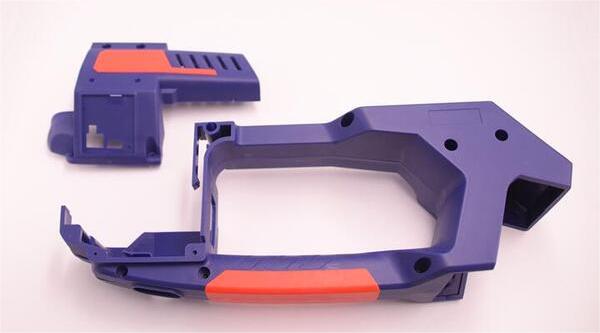
Overmolding is the process of adding films, coatings, or other extra material to the surface of plastic injection molded parts. There are a few steps to this process: prepare the surface of the part, choose and apply the material, and heat and cure it. First, you need to clean and prepare the part so everything goes smoothly. You want to make sure you get good results! Next, you choose the right materials and put them on the part that comes out of the injection molding machine. Then, you heat and cure the overmold because that makes it stick and last longer.
Application
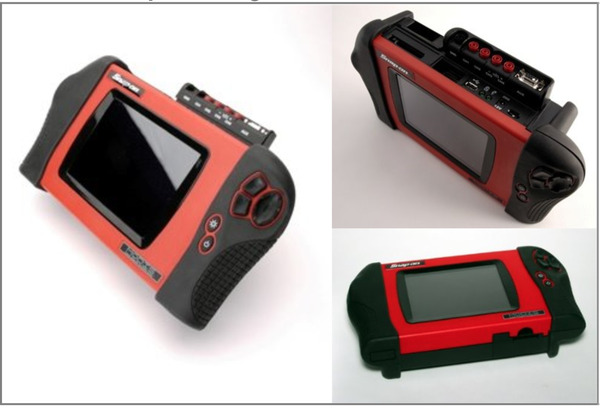
Automotive Industry:Car parts need to look good and stay strong. Overmolding lets you make stuff that can take a beating and keep on looking good. You can use it on the inside or outside of your car. It keeps your parts from getting scratched, worn out, or rusty.
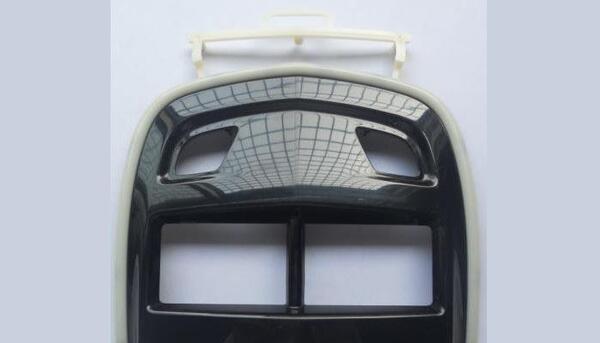
Electronics Industry: Electronic products usually need housing with properties like pollution resistance, flame retardance, and antistatic properties. Overmolding can be used on the casing of electronic products to give an extra protective layer and meet product performance requirements.

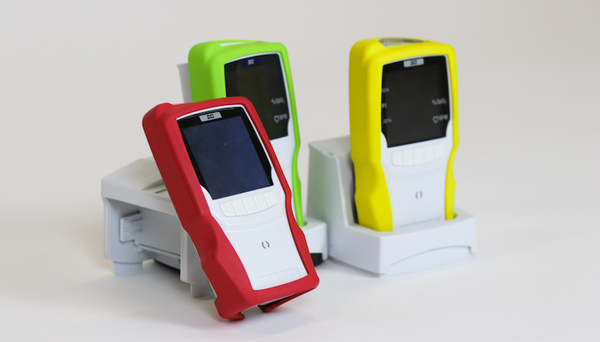
Medical Device Industry: Injection-molded parts for medical devices must be resistant to corrosion, contamination, and durable. By overmolding, medical devices can be given surface coatings that meet hygiene requirements and protect them from chemical damage during use.
Key Technologies and Features of Overmolding
Material Selection: Overmolding technologies use materials that are high quality and can be treated on the surface, such as polymer films, coatings, rubber, and so on. Each material has different features and applications, and the right material can be chosen.
Surface Preparation: During production, when overmolding injection molded parts, the surface of the parts should be prepped. The most common is just good general smooth surface treatment like cleaning, grinding, and sandblasting. These treatments are done to increase adhesion and remove dirt and defects.
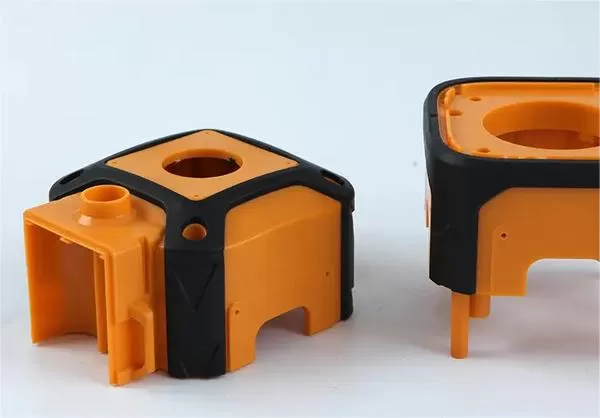
Heating and Curing: Then, the overmolding process happens. After that, the injection-molded parts are heated and cured. This is done to make sure the final product sticks together and lasts a long time. Basically, the device is heated up or something so that the overmoding material sticks to the injection-molded part.
Wide Application Areas: It benefits from its finesse and inventiveness in all industrial sectors, among others. From cars to electronics or medical devices, overmolding has a wide range of applications in all of them.
Advantages and Disadvantages of Overmolding
Advantages
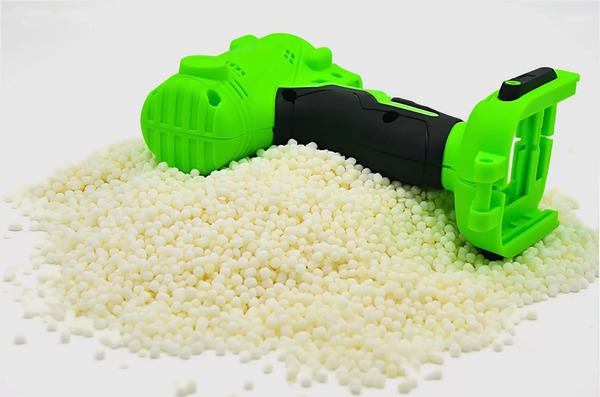
1. Overmolding is a process that gives molded parts a nicer look and adds a surface protective layer to improve product quality and extend product life.
2. In this case, the process helps to improve the mechanical strength and durability of injection molded parts, which greatly increases the reliability and safety of the products.
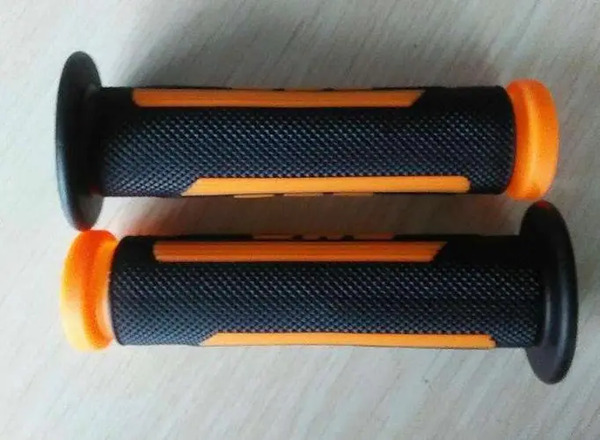
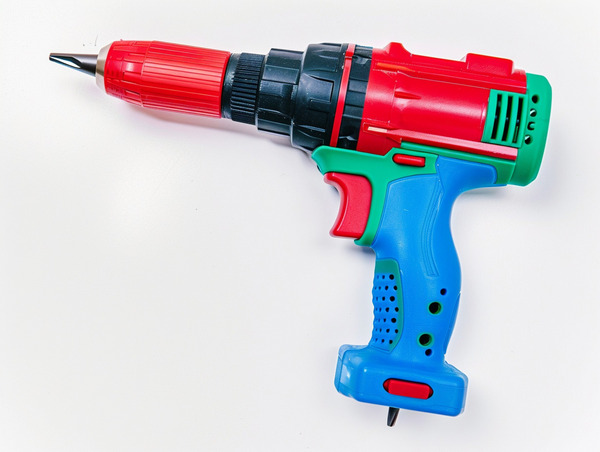
3. Overmolding not only adds multi-color treatment to injection molded parts, but also decorates and customizes the parts to meet individual customer requirements.
4. It has high production efficiency and economic benefits, which can reduce production costs and improve production efficiency.
Disadvantages
1. The overmolding process has a few drawbacks: it requires special equipment and technical staff, it’s hard to run, it needs a lot of operator skill, and the equipment is expensive.
2. There are technical problems with material selection, coating processes, and so on that limit what you can do.
3. Large-scale manufacturing is the thing that has stood the test of time and cost pressure.
Existing Issues
1. Also, making sure that the production process is the same every time is a big challenge. We need to do more research on how to control the quality and make sure that the surface treatment and the coating on the injection molded parts are good every time.
2. Most of the time, overmolding is not a problem. But sometimes, you need to find a better way to make different types of injection molded parts. We need to find a way to fix these problems.
3. We also need to do more research on how to make the environment better and how to recycle the coating.

Case Studies
Practice and Optimization of Overmolding for Automotive Components
In the automotive manufacturing industry, the car maker uses a process called ‘overmolding’ to make car parts. By overmolding onto injection molded parts, the strength, wear resistance, corrosion resistance, and appearance are all improved. We’ll focus on mastering the process and optimizing overmolding production on car parts in this example.
The R&D team of an automotive manufacturer conducts detailed investigations and research on the materials, production process, and surface treatment of injection-molded automotive parts. First, they optimize the parameters for injection molding to improve the product quality and stability, and select different polymer materials suitable for molding automotive components as injection molding materials. Meanwhile, they improve the surface treatment technology to make it wear-resistant and corrosion-resistant.
After being tested in the real world, this overmolding is still a part of a car, but it also makes the product better and more reliable. Plus, it’s cheaper and doesn’t waste much material.

Exploration of Surface Protection Layer Technology for Injection-Molded Electronic Product Housings
Another place you can find overmolding is in electronics manufacturing where overmolding is often used to make housing parts. By doing this, the housings of electronic products that are overmolded have improved product durability, scratch resistance, and dust and water resistance.
When manufacturers make electronic products, they pick super strong and wear resistant materials for the housing, depending on what the product is for. They also put a protective layer on the outside using spraying and film technology. And they make sure the layer is the right thickness, hard enough, and sticks to the housing so it works the way they want it to.
This surface protection layer technology for injection-molded parts can improve the user-experience of electronic products. It has been tested for scratch resistance and durability of electronic product housings. It also helps prevent dust and water from getting inside electronic components. This technology is environmentally friendly, inexpensive, and easy to use.
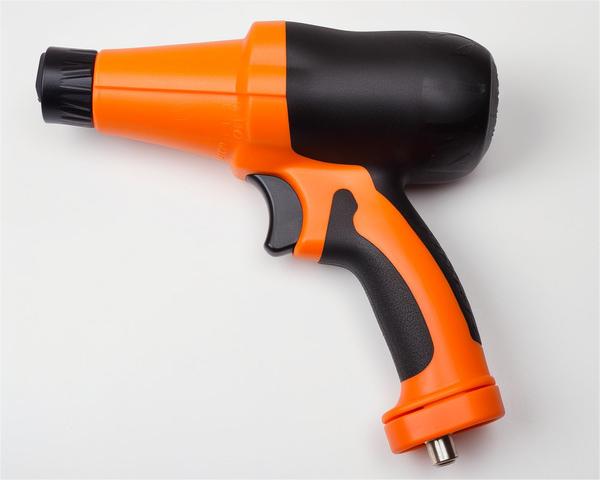
Research and Application Development Trends of Corrosion Protection Coating Technology for Injection-Molded Medical Device Parts
In the medical industry, overmolding is the most popular way to make things because it’s safe, healthy, and lasts a long time. People in the medical device industry are always trying to figure out how to make the molds for these parts.
The medical device guys looked at what metals were good for the environment the medical devices were going to be in and tested different kinds of coatings to make the product last longer and not corrode. They came up with some special coatings, like chrome plating and chemical galvanizing, to make sure that the parts they made out of plastic didn’t get corroded by moisture or drugs or chemicals.
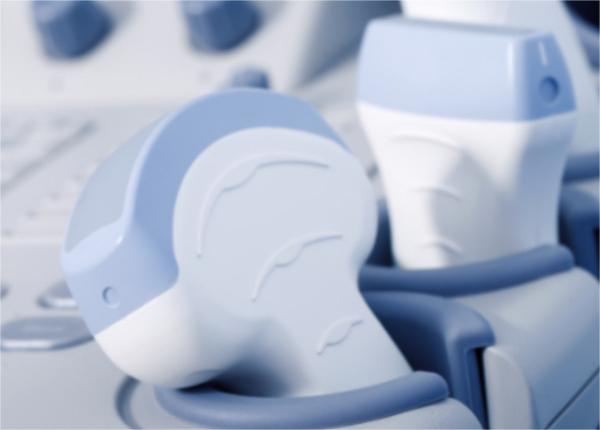
After verification, the corrosion protection coating of these injection molded parts will extend the medical device life cycle and ensure a safe and hygienic level of standard. Additionally, the technology allows manufacturers to make custom decisions, and pick the best method of coating based on various parameters in a particular situation.
After reviewing the case study above, it’s clear that overmolding is a technique that comes in many forms and can enhance products in several key ways: product quality, functionality, and environmental adaptability. With the advancement of technology and the increasing demand for high-quality product appearance, overmolding should be considered new technology and developed and adopted by various companies.
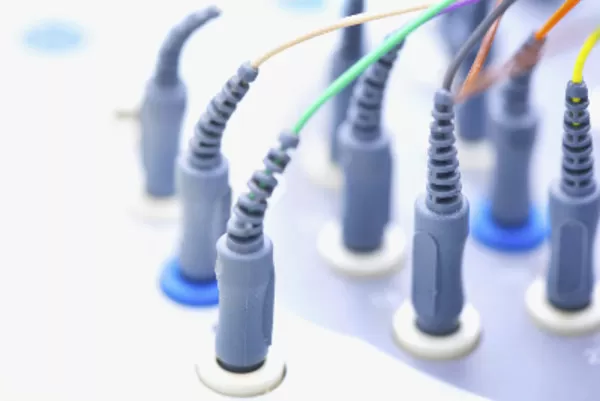
Future Development Directions of Overmolding
Technological Innovation: Roll out research and development projects on surface processing and decorate compounds for molded products, improve appearance effect and shielding layers’ quality, and try to introduce new coating materials into service.
Process Optimization: Do investigation on advance techniques for coating processes, tools and forming for different ranges of injection-molded products, so to further improve the production efficiency and reduce the costs
Environmental Sustainability: Use technology to make overmolding more environmentally friendly, reducing the impact on the environment and the use of resources, from making things to throwing them away.
Automation and Intelligence: Use modern technology to make overmolding smarter and more automated, so our production lines can be smarter and have more feelings.
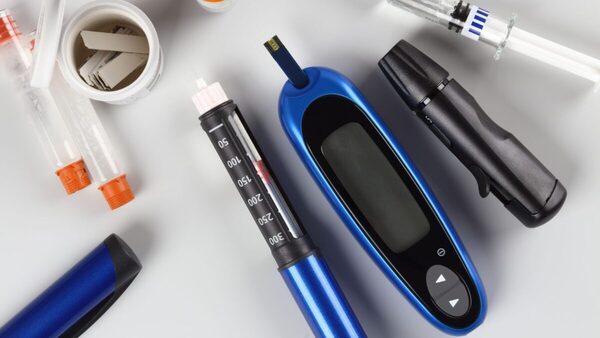
Conclusion
As we see the rapid pace of science and technology becoming a reality and a market that wants good appearance quality, it’s clear that overmolding has a wide field of application. Overmolding is in the present and future of many industrial fields such as automobiles, electronic devices, and medical equipment.
First, in the automotive industry, overmolding will be a big way to improve the look and function of cars, making them look better and last longer.
Second, in the electronics industry, overmolding will help make products look more unique and custom, and it will also help protect the cases of electronic products.
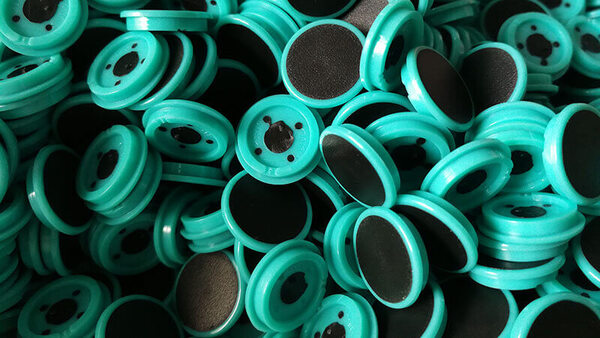
Moreover, in medical device industry, overmolding can give medical devices protective layers that enhance their corrosion resistance and wear resistance, thus extending their service life.
In conclusion, overmolding has a bright future and will keep developing and innovating. With the continuous improvement of related technologies and equipment, it is believed that this technology will become one of the important manufacturing and processing methods in various industries.




 EN
EN  ES
ES  FR
FR  DE
DE  PT
PT  AR
AR  RU
RU  JA
JA  KO
KO  IT
IT  NL
NL  TR
TR  PL
PL 