中国プラスチック射出成形メーカー

• ZetarMold Engineering Guide
• Plastic Injection Mold Manufacturing Since 2005
• Built by ZetarMold engineers for buyers comparing mold and molding solutions.

You’ve got a new product ready for mass production, and your domestic mold quote just came back at $45,000 with a 14-week lead time. Sound familiar? That’s the moment most engineers start Googling “plastic injection molding manufacturer China.” But here’s the problem: half the results are trading companies pretending to be factories, and the other half are real factories that can’t communicate in English or hold tolerances tighter than ±0.1mm. This article will help you separate the two — and give you a practical checklist for vetting a Chinese injection molding partner that actually delivers.

要点
  • Always verify factory ownership — not trading company claims
  • Machine tonnage range (90T–1850T) determines what parts they can actually mold
  • ISO 9001 alone is not enough — check for ISO 13485 if medical is involved
  • English-speaking project managers cut defect rates by reducing miscommunication
  • Request a DFM review before signing any tooling contract

What Should You Look for in a Chinese Injection Molding Manufacturer?

Three criteria are non-negotiable: in-house mold building, ISO 90011, and 10+ years of export experience. A solid ISO 9001 foundation is the minimum.

Let me be specific about why these three matter. An 射出成形 factory that outsources its tooling has zero control over mold quality and revision speed. We’ve seen projects where the “factory” was actually a trading company that sent the mold to three different shops — and each shop interpreted the tolerances differently. The result? Three sets of samples, none of which matched the drawing, and a six-week delay.

A documented QMS isn’t just a certificate on the wall. When we run our six-step quality process (IQC → In-Process → FQC → OQC), every inspection point generates a record. If something goes wrong at final assembly, we can trace it back to the exact machine, operator, and material lot. That traceability is what separates a real factory from a workshop with a website.

Export experience matters because it correlates with communication reliability. A factory that has been shipping to the US and EU since 2013 has already learned the hard lessons about documentation, packaging standards, and lead time discipline. They know that “the cargo ship left” is not an acceptable tracking update.

How Do You Verify a Factory’s Real Capabilities?

A live video walkthrough is the fastest verification method — most legitimate factories agree within 24 hours of your request.

Here’s a practical checklist for the video call:

部品がまだ初期検証段階にある場合は、本格的な生産前に少量射出成形に対応できるかどうかをサプライヤーに確認してください。この選択肢は、大規模な生産に投資する前に、テスト用のパイロット部品、市場からのフィードバック、段階的な承認が必要な場合のリスクを軽減します。 How to Check Red Flag
Machine count and tonnage Ask to see the machine nameplates They show the same machine twice
Mold shop in-house Request a walk to the EDM/CNC area “That building is across town”
QC equipment Ask to see a CMM report from last week “Our QC person is off today”
Current production Look at the parts on the machines Floor is empty or machines are covered
Material storage Check for labeled, sealed material racks Open bags, no labels, no drying ovens

If you can’t visit in person, hire a third-party inspection company like QIMA or SGS to do a factory audit. It costs $300–$500 and saves you from a $50,000 mistake. The audit report will confirm machine inventory, organizational chart, and whether the factory actually owns the equipment or is renting it for show.

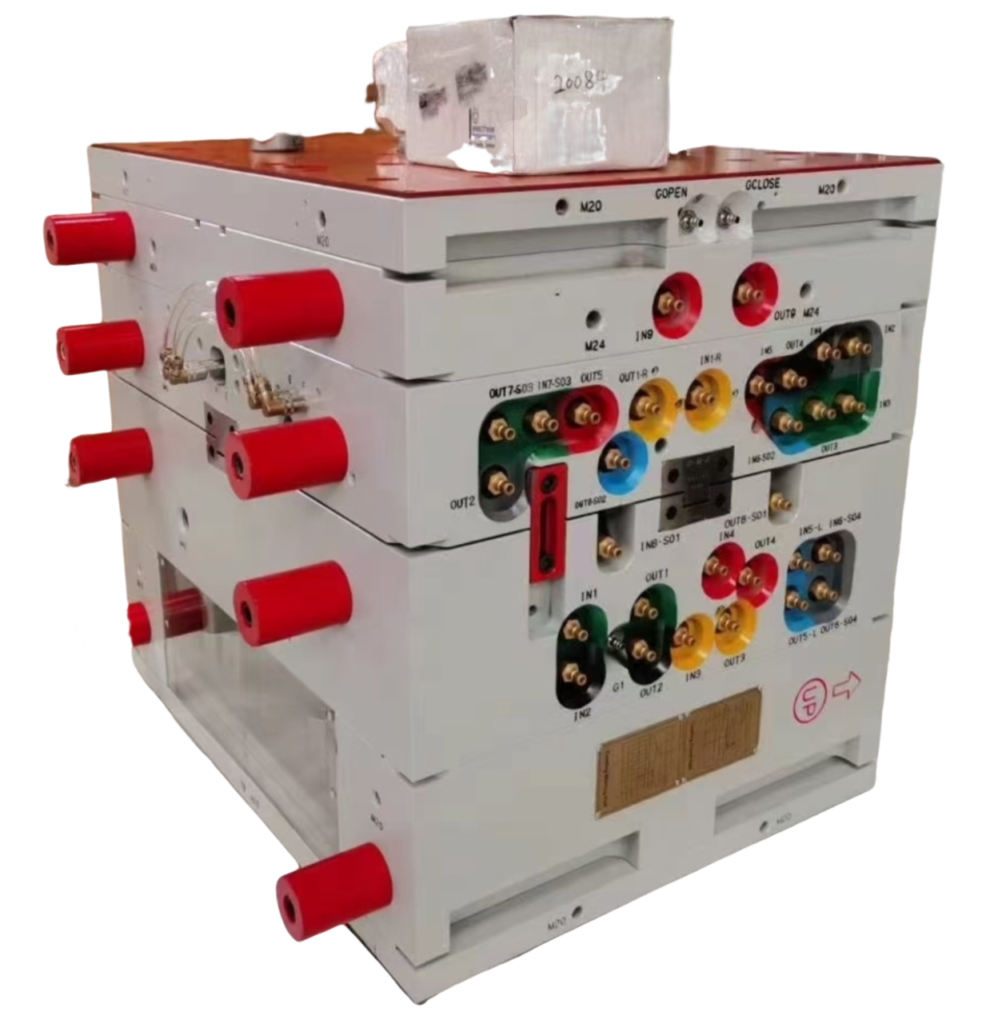
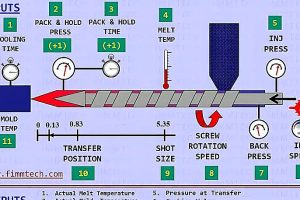
Diagram of a plastic injection molding machine
Plastic injection molding machine components

What Injection Molding Technologies and Equipment Matter Most?

A factory’s tonnage range determines 90% of what they can produce — a plant with only 100T–300T machines cannot mold a 1.5 kg automotive housing, regardless of what their website claims. An 射出成形金型設計 that matches the machine’s クランプ力2 range is essential.

Ask for the complete machine list with tonnage. Here’s what different tonnage ranges are good for:

Tonnage Range 代表的なアプリケーション Part Weight Range
90T–200T Precision electronics, medical devices 0.5g–50g
200T–500T Consumer products, automotive interiors 50g–500g
500T–1000T Appliance housings, large automotive parts 500g–2000g
1000T–1850T Bumpers, pallets, industrial containers 2000g–10,000g

Beyond tonnage, ask about specific capabilities: two-shot molding (our 3 two-shot presses handle soft-touch overmolding daily), cleanroom molding (6 cleanroom machines for medical and food-contact parts), and gas-assist molding. A factory that invested in a 1850T machine and three two-shot presses in 2024 — like our Shanghai facility did — is signaling long-term commitment, not just chasing the cheapest jobs.

について 射出成形金型 design capability is equally important. A factory with in-house mold design (CAD, mold flow analysis) can catch 80% of tooling problems before steel is cut. Without it, you’re relying on the toolmaker’s interpretation of your 3D model — and the revision loop adds weeks and thousands of dollars.

How Does Quality Control Work at a Chinese Injection Molding Factory?

A mature QC process is a minimum four-stage system: IQC, in-process checks, FQC, and OQC — “we check everything at the end” is not real QC. A proper IQC process catches problems at the source.

Let me walk through what each stage actually involves at a well-run factory:

Incoming Quality Control (IQC): In our factory, every batch of resin gets checked for material certification, moisture content (critical for hygroscopic materials like nylon and polycarbonate), and visual inspection for contamination. If the material certificate doesn’t match the purchase order, it goes into quarantine. Period.

In-Process Quality: This is where most factories cut corners. Proper in-process QC means pulling samples at set intervals (every 50–100 shots, depending on the part), measuring critical dimensions, and logging the data. If dimensional drift exceeds 0.05mm from nominal, the machine gets stopped and the mold is inspected before production resumes.

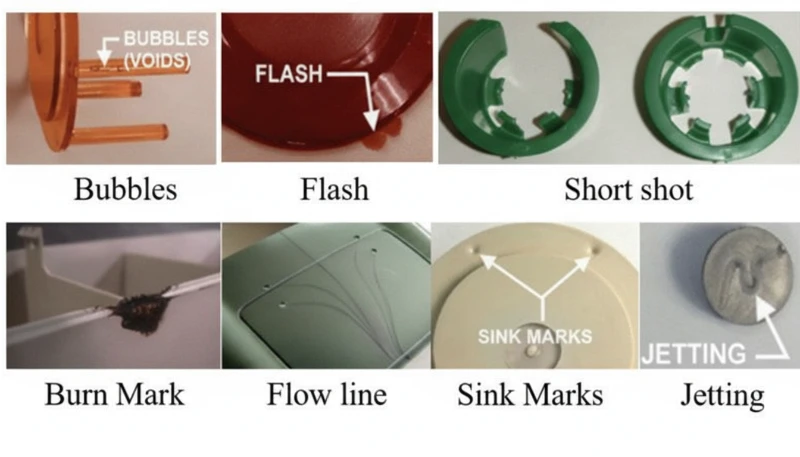
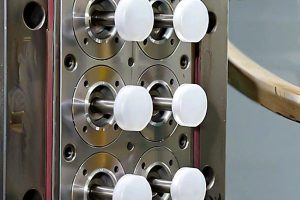
Common plastic injection molding defects
Common injection molding defect types

Final Quality Control (FQC): After molding is complete, parts undergo a full dimensional inspection against the drawing, cosmetic inspection under controlled lighting, and functional testing if applicable. This is where you catch the batch-level issues — sink marks that appeared halfway through the run, color variation between cavities, or flash that developed as the mold wore in.

Outgoing Quality Control (OQC): Before anything goes on the truck, packaging integrity, labeling accuracy, and a final visual sample check confirm the parts that arrive at your dock match the samples you approved.

What Materials Can a Chinese Injection Molding Manufacturer Handle?

200+ engineering materials is the minimum a top-tier manufacturer handles — PP, PE, ABS, PC, PA, POM, PBT, PEEK, PPS, and PEI.

Material handling capability isn’t just about “can we buy this resin.” It’s about knowing the drying requirements (PA66 needs 80°C for 4–6 hours before molding; PBT needs 120°C for 2–4 hours), the processing window (polycarbonate melts at 280–320°C and is extremely sensitive to moisture), and the post-processing behavior (glass-filled nylon shrinks differently than unfilled). In our factory, we’ve processed over 400 materials across 45 machines — and the drying requirement mistakes we’ve caught during IQC have saved countless production runs from moisture-related defects.

In our experience running 400+ materials, we’ve learned that if your project involves regulated materials (food-contact, medical-grade, UL-rated), ask for specific experience with those certifications. Running medical-grade PC is different from running commercial-grade PC — the documentation trail, lot traceability, and validation requirements are completely different.

How Much Does Injection Molding Cost in China vs. Other Countries?

Tooling in China is 40–60% cheaper than the US for injection molds.

In our Shanghai factory, we’ve tracked that a typical 4-cavity mold for an ABS enclosure runs about $8,500 with a 30-day lead time — the same mold quoted at $22,000 from a US toolmaker. But cost alone is misleading. Here’s a more honest comparison:

ファクター China US / Western Europe
Mold cost (single cavity, simple) $3,000–$8,000 $8,000–$20,000
Mold cost (multi-cavity, complex) $15,000–$50,000 $40,000–$120,000
Unit price (10K volume, ABS) $0.15–$0.40 $0.50–$1.20
Typical mold lead time 25–45 days 40–80 days
Shipping cost (per kg, air) $3–$6 Included
Shipping cost (per kg, sea) $0.30–$0.80 Included
Communication barrier risk ミディアム-ハイ None
Intellectual property risk ミディアム 低い

The real cost question isn’t “is China cheaper?” — it almost always is. The question is whether the total landed cost, including shipping, duties, communication overhead, and quality risk, remains favorable. For high-volume parts (10K+ units), the answer is almost always yes. For low-volume, high-mix production, the communication overhead can eat into the savings.

私たちの injection molding sourcing guide covers this cost analysis in more detail, including landed cost calculators and duty rate tables.

What Certifications Should Your Injection Molding Supplier Have?

ISO 9001 is the absolute minimum — without it, disqualify immediately; for medical add ISO 13485, for automotive add IATF 16949.

Here’s the problem with certification fraud: it exists. Some factories display certificates that have expired, or that belong to a different company in their group. Always verify the certificate number directly on the issuing body’s website (BSI, TÜV, SGS, Bureau Veritas). The verification takes five minutes and eliminates a surprising number of fraudulent claims.

Beyond ISO, ask about material-specific certifications if they matter for your industry: UL94 for flame retardancy, FDA compliance for food-contact materials, USP Class VI for medical biocompatibility. A factory that proactively mentions these is probably one that has been through a real customer audit before.

““ISO 9001 certification alone does not guarantee consistent part quality — it guarantees a documented process exists.””

ISO 9001 certifies that a factory has documented procedures and follows them. It does not certify that those procedures are good enough for your specific part. Always request sample inspection reports and first article inspection (FAI) data to verify actual output quality.

““A factory with ISO 13485 automatically meets all medical device manufacturing requirements.””

ISO 13485 covers the quality management system for medical devices, but individual products still require specific validation (biocompatibility testing, sterilization validation, etc.). Think of ISO 13485 as the foundation — the product-specific testing is still your responsibility.

How Do You Manage Communication and Project Delivery with a China Manufacturer?

A dedicated English-speaking project manager is the single biggest predictor of success — factories with 30+ PMs typically respond within 24 hours.

Here’s what good communication looks like in practice:

DFM3 feedback within 3–5 business days of receiving your 3D model, with specific recommendations (not just “we can make it”)

Weekly progress photos during mold building, showing steel cutting, EDM, and assembly stages

““Requesting a DFM review before mold cutting is the highest-ROI step in the entire injection molding process.””

A DFM review catches design issues (undercuts, thin walls, inappropriate draft) before steel is cut. Fixing a wall thickness issue on a CAD file takes 30 minutes. Fixing it after the mold is built takes 2–4 weeks and $2,000–$10,000 in modification costs.

““All Chinese injection molding factories have similar communication capabilities and English proficiency.””

Communication quality varies dramatically. Factories focused on domestic sales may have no English-speaking staff at all, while export-oriented factories invest in dedicated international business teams. The difference in project outcomes between the two is significant.

T1 sample report with dimensional data, not just photos of the parts

Clear revision tracking — every mold modification documented with before/after dimensions

And here’s what bad communication looks like: you send an email about a dimensional issue, three days later you get “Dear sir, we will check and reply soon,” and then silence for a week. That pattern usually means the trading company is relaying your message to the actual factory, the factory doesn’t understand the technical issue, and nobody wants to admit it.

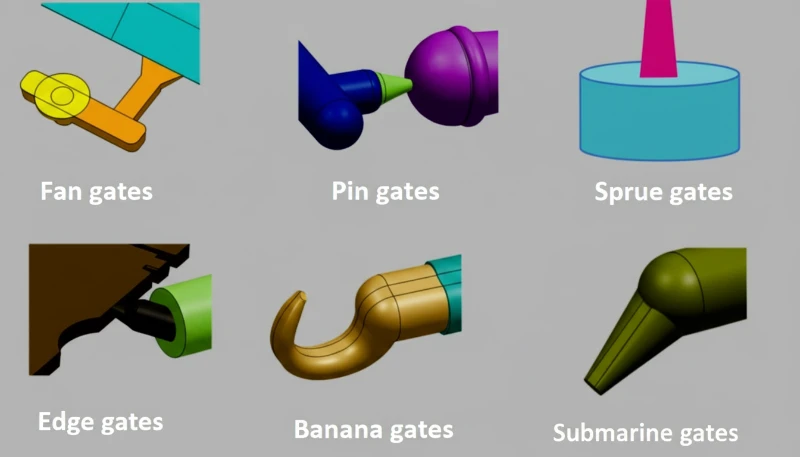
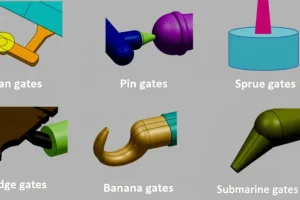
Types of plastic injection molding gates
Plastic injection molding gate types

FAQ: Plastic Injection Molding Manufacturer China

What is the minimum order quantity (MOQ) for injection molding in China?

MOQ for injection molding in China typically ranges from 1,000–10,000 pieces, depending on part complexity and material. Some manufacturers offer prototype runs as low as 100 pieces, but unit costs increase significantly below 1,000 units due to setup and material minimums.

How long does it take to make an injection mold in China?

Standard injection mold lead time in China is 25–45 days for a single-cavity mold, and 40–60 days for multi-cavity or complex molds. Rush tooling at 15–20 days is possible but typically reduces the number of test cycles, which increases first-production defect risk.

Can I visit a Chinese injection molding factory before placing an order?

Yes, most legitimate factories welcome on-site visits and can arrange factory tours within 2–3 days’ notice. Bring your part drawings and material specs — a good factory will give you immediate feedback on manufacturability during the visit.

How do I protect my intellectual property when manufacturing in China?

Register your design patents in China before sharing any technical data, sign an NNN (Non-Disclosure, Non-Use, Non-Circumvention) agreement, and work with factories that have established export track records with Western OEMs. IP risk decreases significantly with ISO-certified, export-oriented manufacturers.

What payment terms do Chinese injection molding factories accept?

Standard payment terms are 30–50% deposit for tooling, with the balance due after T1 sample approval. Production orders typically require 30% deposit and 70% before shipment. Established relationships may qualify for net-30 or net-60 terms after 6–12 months of consistent orders.

Do Chinese injection molding factories provide DFM support?

Yes, most mid-to-large Chinese injection molders provide DFM feedback as part of the tooling quote process. Factories with in-house mold design teams typically provide more actionable feedback than those that outsource tooling.

What is the typical defect rate for injection molded parts from China?

First-pass quality rates at well-run Chinese injection molding factories range from 92–98%, comparable to Western manufacturers. However, defect rates can spike to 5–15% at factories with poor process control, inadequate drying equipment, or inconsistent material sourcing. A strong first-pass yield is the clearest indicator of process control.

Final Word

Quick rule: if a Chinese injection molding factory can show you (1) machines in the right tonnage range for your part, (2) in-house mold building with real EDM and CNC equipment, (3) ISO 9001 at minimum, and (4) English-speaking engineers who can discuss your DFM feedback — they’re worth a serious conversation. If any one of those four is missing, keep looking.

At ZetarMold, we’ve been running injection molding in Shanghai since 2005. Our 45 machines cover 90T to 1850T, we build molds in-house (100+ sets per month), and 30+ English-speaking project managers keep communication clear. Whether you need a single-cavity prototype mold or a 16-cavity production tool running medical-grade PC — we’ve done it before, and we can show you the inspection reports.


  1. ISO 9001: ISO 9001 is an international standard for quality management systems, applicable to manufacturers of any size.

  2. クランプ力: Clamping force refers to the machine force that keeps the injection mold closed during filling and packing.

  3. DFM: DFM is a design review process that checks part geometry, tooling risks, and manufacturability before mold cutting.

最新の投稿
フェイスブック
ツイッター
LinkedIn
ピンタレスト
Mike Tangの写真
マイク・タン

Hi, I'm the author of this post, and I have been in this field for more than 20 years. and I have been responsible for handling on-site production issues, product design optimization, mold design and project preliminary price evaluation. If you want to custom plastic mold and plastic molding related products, feel free to ask me any questions.

私とつながる

クイック見積もり

図面および詳細要件を下記までお送りください。 

Emial:[email protected]

または下記のお問い合わせフォームにご記入ください:

クイック見積もり

図面および詳細要件を下記までお送りください。 

Emial:[email protected]

または下記のお問い合わせフォームにご記入ください:

クイック見積もり

図面および詳細要件を下記までお送りください。 

Emial:[email protected]

または下記のお問い合わせフォームにご記入ください:

クイック見積もり

図面および詳細要件を下記までお送りください。 

Emial:[email protected]

または下記のお問い合わせフォームにご記入ください:

クイック見積もり

図面および詳細要件を下記までお送りください。 

Emial:[email protected]

または下記のお問い合わせフォームにご記入ください:

ブランドのクイック見積もり

図面および詳細要件を下記までお送りください。 

Emial:[email protected]

または下記のお問い合わせフォームにご記入ください:

Спроситебыструюцитату。

Мы свяжемся с вами в течение одного рабочего дня, обратите внимание на письмо с суффиксом "[email protected]".

クイック見積もり

図面および詳細要件を下記までお送りください。 

Emial:[email protected]

または下記のお問い合わせフォームにご記入ください:

クイック見積もり

図面および詳細要件を下記までお送りください。 

Emial:[email protected]

または下記のお問い合わせフォームにご記入ください: