 Skip to content

Selecting the right injection molding factory is essential for producing high-quality products efficiently and cost-effectively. This guide outlines key factors to consider when choosing a reliable partner for injection molding.
Choosing an injection molding factory involves evaluating factors like production capabilities, quality control measures, and industry experience. Look for facilities with advanced equipment, a strong track record in your industry, and comprehensive quality assurance processes. This ensures your products are consistently high-quality, cost-effective, and meet delivery schedules.
While these factors offer a starting point, understanding specific capabilities and certifications of a factory can be crucial. Read on to explore how these elements contribute to a successful partnership in injection molding.
An experienced injection molding factory produces higher quality parts.True
Experienced factories understand the complexities of the injection molding process, reducing errors and improving consistency in part quality.
Any injection molding factory can handle high-volume orders.False
Not all factories are equipped to manage high-volume production. High-quality, large-scale production requires specialized equipment and resources.
What is the Basic Information About Plastic Molding Technology and Factories?
Plastic molding technology involves processes like injection, blow, and compression molding to form plastic components with precision and efficiency. Factories employing these methods are essential in industries like automotive, medical devices, and electronics, offering cost-effective solutions for both high-volume and custom productions. Key advantages include reduced production time, consistency in quality, and the ability to create complex shapes and designs.
Before choosing an plastic injection molding manufacturer, it is essential to have a comprehensive understanding of injection molding technology and related factories. This will help you make more informed decisions during the selection process.
What is Injection Molding?
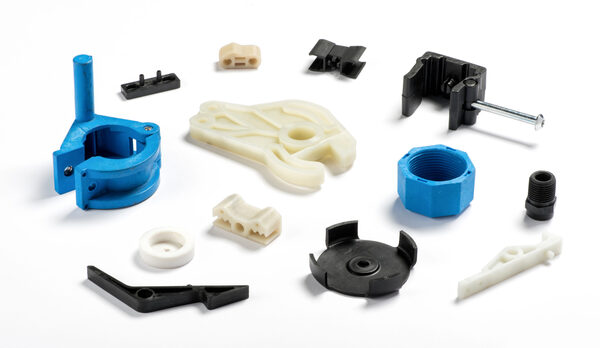
A method used for mass-producing plastic parts with complex shapes is plastic injection molding process. It creates items by heating up plastic until it melts and then forcing this molten material into a mold; when the stuff cools down again (taking on its new solid form), you have yourself something very precise indeed. Indeed, one of these machines can produce many identical things at once – making them great for all sorts from car bumpers through to toys.
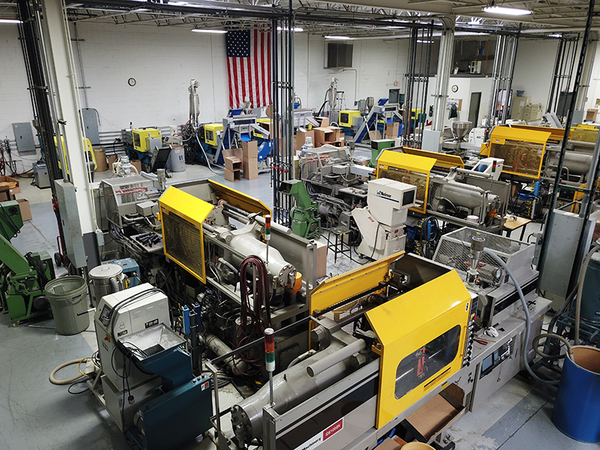
Process Steps: Heating and melting plastic material, injecting it into a mold, cooling the mold down, and removing product from mold–each of these steps necessitating careful control in order that the end result be of high quality.
Application Areas: There are many different industries that use injection molding manufacturing process. Some examples include automotive manufacturing — for things like headlights and dashboards — as well as electronic products such as phone cases or keyboards. In addition it is also used in medical devices including syringes or surgical instruments, plus consumer goods like toys household items.
Material Selection: Common injection molding materials include thermoplastics (e.g., polyethylene, polypropylene, ABS), thermosetting plastics, and elastomeric materials1. Different materials have distinct physical and chemical properties, suitable for different application scenarios.

What are the Key Factors in Choosing an Injection Molding Manufacturing Plant?
Key factors in choosing an injection molding plant include manufacturing capabilities, quality standards, and location. A well-equipped facility with modern machinery and rigorous quality controls ensures consistent output and reduces production risks. Additionally, proximity to your market or distribution centers can help lower logistics costs and improve lead times.
Injection molding factories can be categorized by their scale and specialization. Understanding different types of factories helps you select based on your specific needs.
Small Factories: They typically handle small batch production and provide custom plastic injection molding services, so they’re super flexible but don’t churn out loads. Great if you’re a start-up after something made-to-order.
Medium Factories: These have a good amount of kit that can cope with lots of different jobs, some of which might be quite tricky! They’re ideal when you need things produced on a medium scale.
Large Factories: If you’ve got a mega job that calls for heaps (and we mean heaps) of products all looking exactly the same – these are the places to go. They also deal with complicated orders from big companies that can last years.
Specialized Factories: Do one thing really well because they\’ve loads of knowledge about particular products or industries: making car parts or medical equipment for example.
What are the Key Factors in Choosing an Injection Molding Manufacturer?
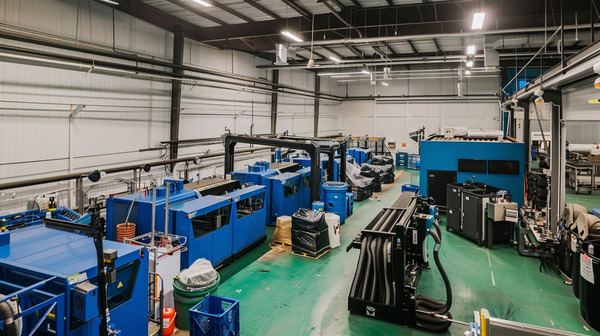
Key factors in choosing an injection molding manufacturer include expertise in your product’s specific materials and design, a solid track record of quality control, and the capacity to meet your required production volume. Look for manufacturers with advanced technology, clear communication practices, and a commitment to meeting regulatory standards.
Once you have grasped the fundamentals of injection molding and how these facilities operate, you can move on to the next stage: selecting the right factory. This decision hinges on a number of key factors. They include quality-control systems, levels of equipment and technology, how many items can be produced and at what cost, customer service standards (one crucial element here is effective communication) as well as where in world it’s based.
Equipment and Technology Level
The equipment and technology level is a core factor in choosing an plastic injection molding company. Advanced equipment and technology ensure product precision and consistency while improving production efficiency.
Types and Number of Equipment: Determine the kinds of plastic injection molder available at the factory, as well as how many of each type there are. Different injection molding machines2 are needed for different jobs. Large products require large machines; small products need small injection molding machine and fine details may necessitate specialized equipment on either end.
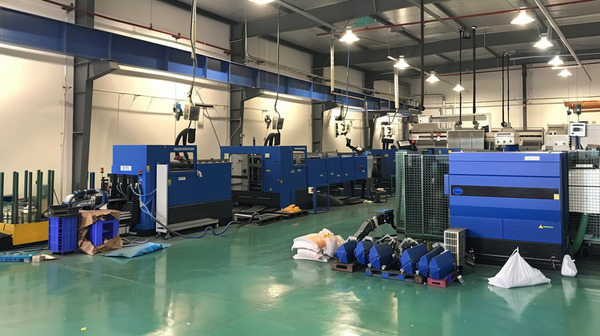
Technology Level: Check if factory uses newest injection molding process like multi-cavity molds, gas-assisted injection molding3& two-shot molding4. For example, multi-cavity molds can produce multiple identical parts in one injection cycle, significantly improving production efficiency.
Degree of Automation: Robots and automatic part retrieval systems are just some of the automation equipment available that can help lower manual tasks, thereby improving how efficiently things are made as well as their consistency. When a factory has a high level of automation there may be fewer mistakes made by people working there; what is more these machines don’t need to take breaks or shift changes, meaning items can be produced non-stop which again boosts efficiency.
Quality Control System
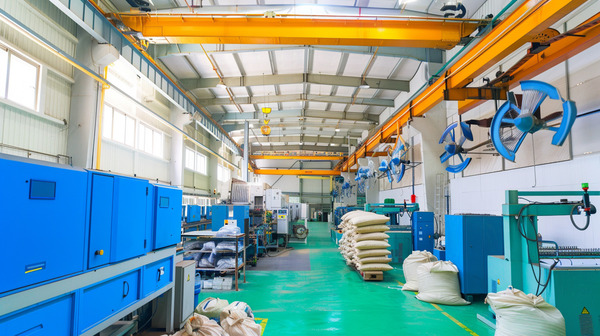
The quality control system is a critical standard for evaluating an injection molding manufacturing factory. A comprehensive quality control system ensures products meet design requirements and reduces defect rates.
Quality Certification: Make sure the factory possesses certifications such as ISO 13485 or ISO 9001. These indicate whether specific quality-control criteria are being met there. An ISO 9001 certification, which is relevant to many different industries, shows that a facility is in compliance with international standards for quality management systems; if a manufacturer also has an ISO 13485 certificate it means its quality management system complies with regulations related specifically (and only) to medical devices.
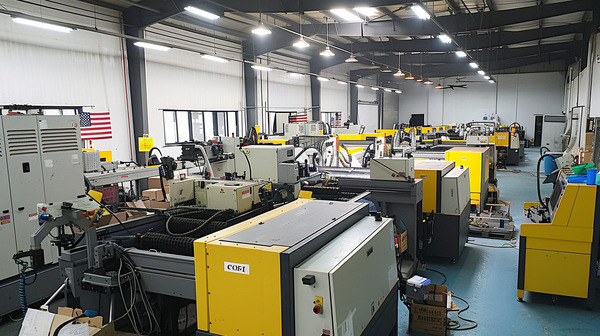
Inspection Equipment and Processes: Check to see if the factory has high-tech inspection gear like coordinate-measuring machines and optical inspection devices. Also look into the quality-inspection processes used there — for example, do they employ incoming-inspection checks, as well as process control and finished-product inspection? Remember: It’s only with both advanced equipment & rigorous (strict) processes in place that we can be sure about quality-control levels at all stages.
Traceability System: If problems come up, a complete system can trace back to their source quickly—meaning corrections and improvements happen sooner rather than later. For instance, barcodes or RFID tech (or both) label every product batch so you can record important details at each stage of making things; having this information makes it possible to check that products are good quality all the way along from start to finish.
Production Capacity
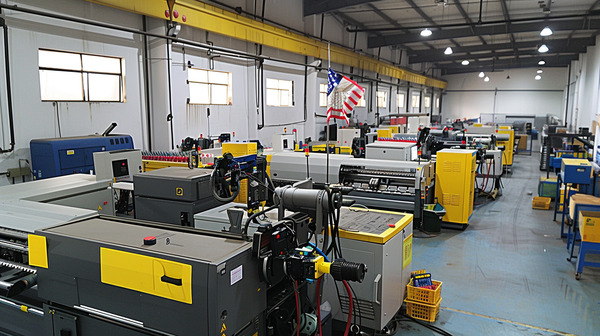
Production capacity includes the factory\’s production volume and delivery capability, which are essential factors to consider when choosing a factory.
Production Volume: Assessing both the monthly and yearly output at a factory – as well as whether such levels will meet your order needs. If, say, you require massive product runs, check that they have the necessary equipment and staff.
Delivery Time: Investigate the factory\’s ability to stick to a schedule and meet deadlines, particularly for rush orders. Make sure the factory has a solid system for both making plans well in advance and reworking them at short notice – you don\’t want late deliveries because the production line was stopped to change an order.
Production Flexibility: An evaluation of the factory’s capacity for changing production schedules on short notice. It assesses how well a factory can adjust its production plans quickly enough to meet new orders. For instance, when market demand suddenly increases or decreases, the factory should be able to swiftly adjust production plans to ensure timely delivery.

Cost and Price
Cost and price are unavoidable factors when choosing an plastic injection molding supplier. Choosing a factory with competitive pricing while ensuring quality helps effectively control production costs.
Price Structure: Understand the factory’s price structure, including mold costs, unit costs, and subsequent processing fees. A transparent price structure helps you analyze costs and control budgets.
Cost-effectiveness: Taking into account all relevant factors such as quality, price and service, select the supplier that best combines quality with cost-effectiveness. If suppliers can provide the same quality at the same price, give business to the one that is more efficient in order fulfilment.
Long-term Cooperation Costs: Consider the total cost of long-term cooperation, including mold maintenance fees, logistics costs, etc. For example, determine if the factory covers mold maintenance and whether logistics costs are included in the contract price.

Customer Service and Communication
Good customer service and communication are important factors in choosing an injection molding manufacturing factory. Timely communication and response ensure smooth project execution.
Communication Channels: See if the factory has its own customer service crew offering fast ways to communicate. For example, find out whether there is one person assigned as your account manager to deal with — so that information gets to you both quickly and correctly.
Project Management: Assess whether the factory can offer end-to-end services related to projects carried out at their premises – from design through delivery. Key things to look for here are robust project management systems and experienced project managers who will keep things on track if you place work with them.
After-sales Service: Assess the factory’s after-sales service capabilities, especially its speed and attitude in handling product issues. For example, determine if the factory can quickly respond when problems arise, providing technical support and solutions to ensure timely problem resolution.
Geographic Location
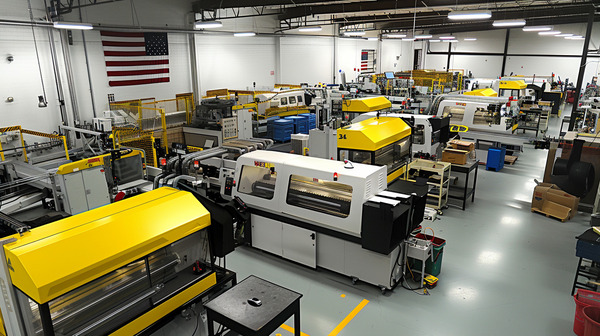
The geographic location of the factory impacts logistics costs and delivery times. Choosing a conveniently located factory can effectively reduce logistics costs and improve delivery efficiency.
Traffic Convenience: Investigate the factory’s location regarding major transportation hubs and ports. For instance, determine if the factory is near highways, railways, and ports, facilitating raw material and product transportation.
Logistics Costs: Gain insight into the costs involved in moving goods from our factory to your warehouse or production line. This includes charges for transportation and customs – and they can vary widely. For instance, how far something has to be transported as well as the method used (road, air or sea) both affect costs.
Local Support: Consider whether local support, such as on-site engineer services, is necessary. For example, determine if the factory can provide on-site technical support and after-sales services, ensuring timely problem-solving when needed.
How to Conduct on-Site Visits and Assessments?
After initially selecting a few candidate factories, on-site visits and evaluations are key steps to ensure you choose the right factory. An on-site visit allows you to gain a more intuitive understanding of the factory\’s actual conditions.
Preparation for On-site Visit
Before conducting an on-site visit, it is essential to prepare thoroughly.
Create a Visit Plan: Identify the main areas and goals of the visit such as equipment, production lines, quality control procedures. For instance, you may wish to concentrate on how automated the production process is and how efficiently each item is made – or alternately you might decide that understanding the finer points of individual quality checks would be more worthwhile.
Prepare a Question List: Based on the visit focus, prepare a detailed question list to ensure you do not overlook important information. For example, ask about the maintenance and upkeep of equipment, and if there are potential quality risks in the production process.
Schedule the Visit: Plan your visit ahead of time with the factory so that you can be sure relevant staff will be there to help you. Make sure to allow plenty of time for in-depth conversations and information-sharing with these key individuals while you are visiting.
Key Points for On-site Visit
During the on-site visit, focus on the following aspects:
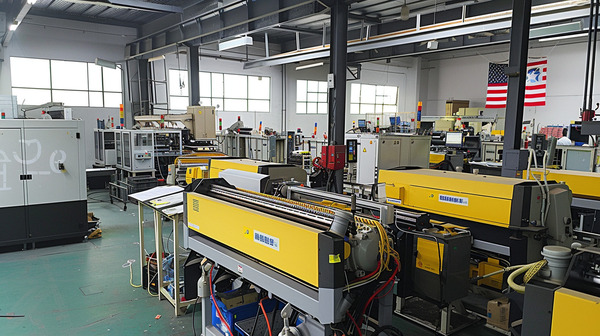
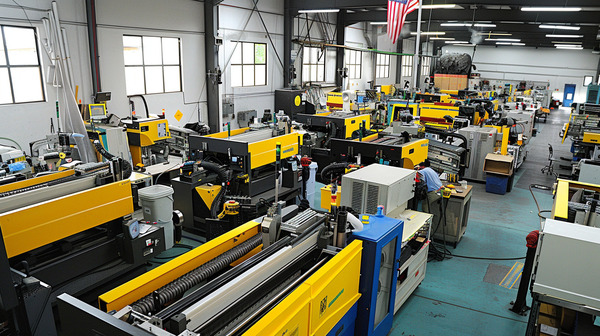
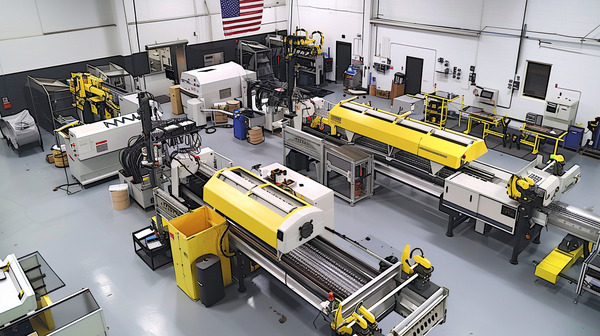
Equipment and Production Lines: Visually inspect the factory’s equipment and production lines, evaluating their advancement and maintenance. For example, check if the equipment is regularly maintained and if the production line automation level and efficiency are satisfactory.
Production Processes: Familiarize yourself with the manufacturing processes at the facility, paying close attention to key steps and checkpoints for quality control. Make sure there are quality control procedures in position for every stage of production; also verify whether the factory keeps thorough production records and uses systems that allow for traceability.
Employee Quality: Assess the overall work quality and professionalism of factory workers while also gauging the level of training provided by the factory and how well it is managed. For instance, check if the factory regularly trains employees to improve their professional skills and quality awareness.
Work Environment: Examine the working conditions and safety protocols within the factory, and assess how dedicated the factory is to keeping its workers safe and healthy. For instance, see whether the factory floor benefits from sufficient ventilation and lighting, as well as what precautions are being taken to uphold worker safety.
Comprehensive Evaluation and Decision-making
After the on-site visit, comprehensively evaluate the visit results to make the final decision.
Summarize Visit Results: Summarize and evaluate data gathered from on-site visits to assess strengths and weaknesses at each factory. Consider comparing equipment, capacity, QC performance, workforce skills and environment across these locations.
Compare Candidate Factories: Compare the overall strengths of each candidate factory based on factors such as equipment, technology, quality, cost, and service. For example, choose the factory with advanced equipment, strong production capacity, strict quality control, excellent customer service, and reasonable pricing.
Make a Decision: Based on the comprehensive evaluation, select the factory that best meets your needs and begin cooperation. Ensure clear responsibilities and obligations in the contract before signing, and develop a detailed cooperation plan.
What is ZetarMold?
ZetarMold is a high-end turnkey plastic injection mold and injection molding industry production expert. Specialized in plastic injection mold and plastic molding manufacturer since 2005. Zetar have 6 senior injection molding product and injection mold designing engineers, 20 injection mold making and injection molded engineers and a group of skilled senior workers. We operate our own factories in Shanghai, Jiangsu, and Zhejiang.
We have very strong sales team with more than 30 English speakers are experienced and certified in their English language skills.
We offer complete plastic molding5 process and project management services that leverage our years of experience manufacturing products for a wide array of applications. This vast knowledge base allows us to make materials selection, facilitate parts sourcing, as well as complete product development.
Since 2005, we have transformed our company into a powerhouse that encompasses product design, mold making, product manufacturing, assembly, post-processing6, and packaging. This growth has been achieved organically and through strategic acquisitions, leading to decades of outstanding performance.
Conclusion
Picking a good injection molding factory is a big job. You gotta think about a lot of things, like what kind of machines they got, how good they are at what they do, how they control quality, how much stuff they can make, how much it costs, how they treat you, and where they are. If you get ready and do your homework, you can find a good plastic injection molding partner. That way, you can make your stuff and get it to your customers.
We hope this article helps you choose an injection molding factory. As technology advances and market demands change, choosing the right factory is key to your success. Whether you’re a startup or a big company, you need to adjust your strategy based on your needs and the market to keep improving your production and operations.
-
Learn about ELASTOMERIC MATERIALS : ELASTOMER MATERIALS IS ANY MATERIAL EXHIBITING ELASTIC OR RUBBER-LIKE PROPERTIES. ↩
-
Learn aboutA Guide To Plastic Injection Molding Machines : Plastic injection molding machines are used to manufacture large quantities of plastic parts. ↩
-
Learn about A GAS ASSIST PLASTIC INJECTION MOLDING : Gas assist molding is a low-pressure plastic injection molding process . ↩
-
Learn about Two-Shot Molding vs. Overmolding: What You Need to Know : Two-shot plastic injection molding is an excellent technique for efficient and cost-effective manufacturing. ↩
-
Learn about Plastic Molding 101: Understanding Types, Properties, and Applications : plastic injection molding is considered to be the most versatile. ↩
-
Learn about A Beginner’s Guide to Post-Processing for Plastic Injection Molding :Post-processing improves the properties of plastic injection molded parts. ↩


 EN
EN  ES
ES  FR
FR  DE
DE  PT
PT  AR
AR  RU
RU  JA
JA  KO
KO  IT
IT  NL
NL  TR
TR  PL
PL 