Skip to content
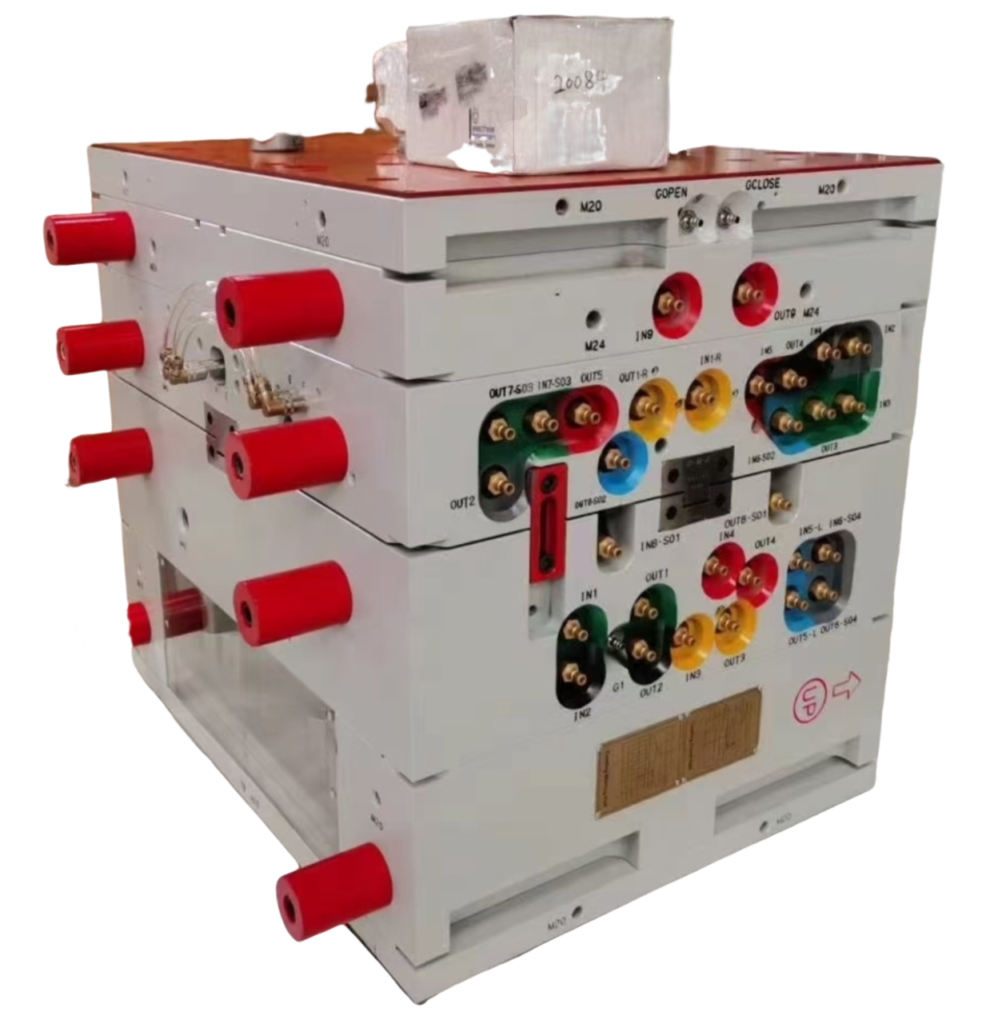
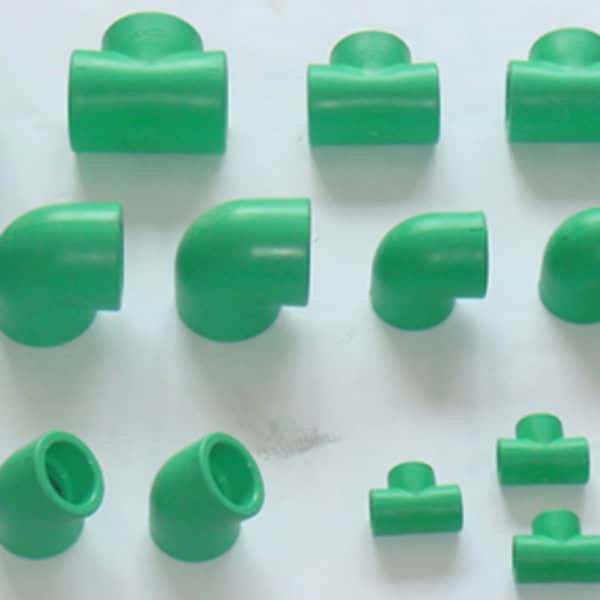
While injection molding machines can make water pipes for certain materials, not all pipes are made using injection molding. It’s usually hard to make fragile pipes with injection molding, but you can make stronger ones this way.
Yes, you can make plastic pipes with injection molding, but it depends on the machine design and what you’re trying to do. Injection molding machines are typically designed to make small to medium-sized plastic parts, like parts, connectors, or small containers. They’re not typically designed to make long, continuous pipes like pipelines.
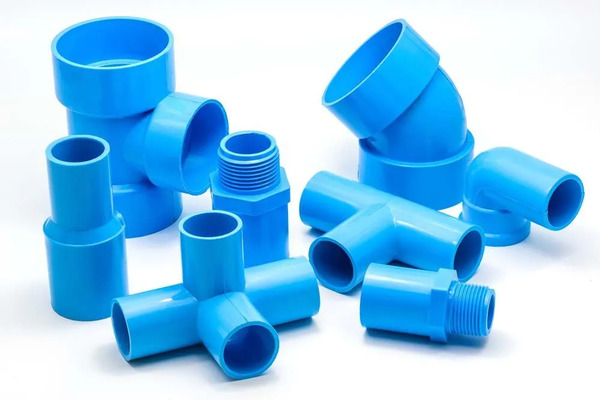
Ⅰ. Injection Molding Process and Plastic Pipes
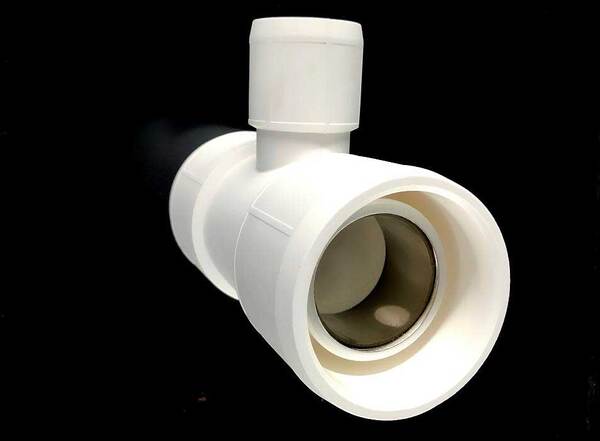
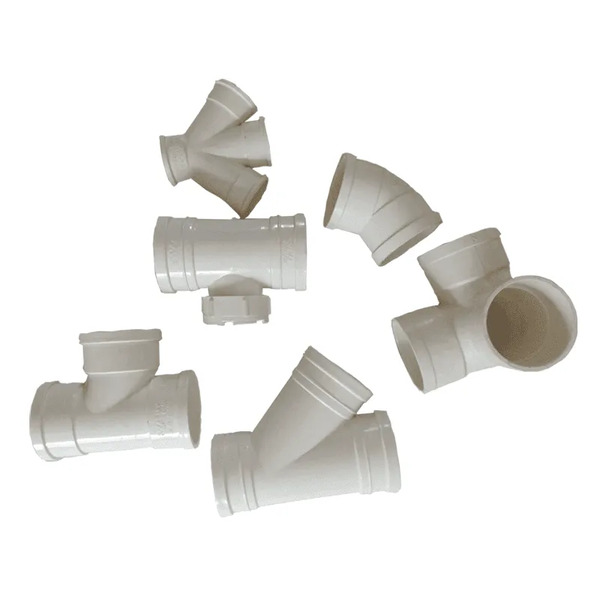
Injection molding machines can produce various shapes of plastic products, including pipes. However, it’s worth noting that producing pipes with injection molding requires certain conditions, such as mold design and material, machine model, and parameters. Therefore, not all injection molding machines are suitable for pipe production. Additionally, achieving high-quality pipe products also demands certain skills and production experience in operating the injection molding machine.
Some injection molding machines can be modified or customized to produce longer and more complex shapes, such as pipes. This may involve using special molds, tools, or equipment, such as:

1. Long-Stretch Molds
Some injection molding machines can be equipped with long-stretch molds to produce longer parts, including pipes. These molds can be designed to accommodate pipes of different lengths and diameters.
2. Dedicated Pipe Molds
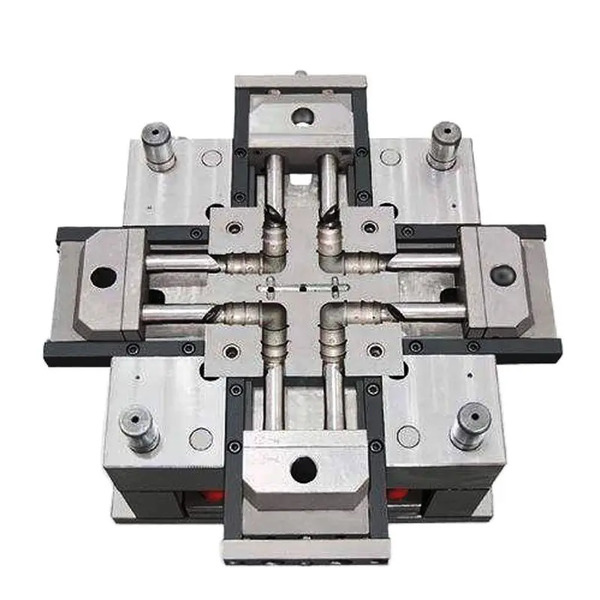
You can make molds that are dedicated to making pipes of a certain size, like diameter, length, and wall thickness. You can make these molds to fit the specific needs of the pipes you’re making.
3. Multi-Cavity Molds
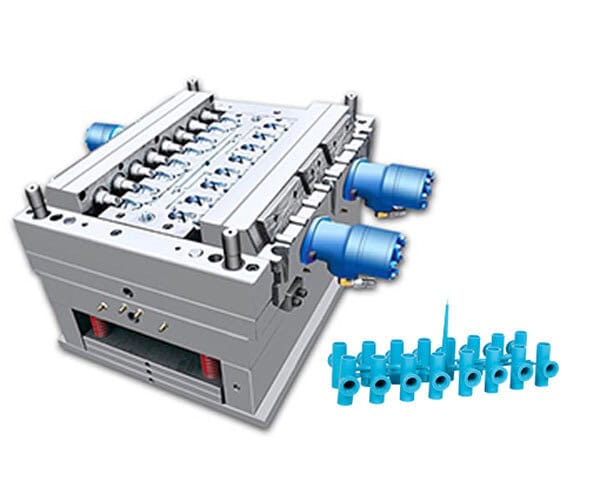
Some molds can be designed to produce multiple pipes at the same time, which increases production efficiency. This is especially useful when you need to make a lot of pipes.
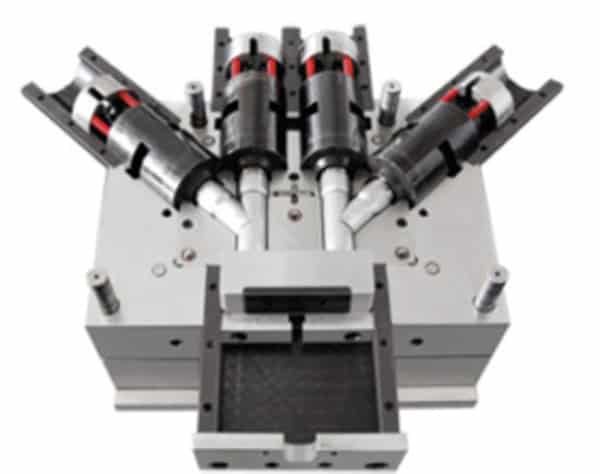
4. Injection Molding Based on Extrusion
This process combines the advantages of injection molding and extrusion to produce long, continuous pipes, such as pipelines. The process involves injecting molten plastic into the mold and then extruding it through the mold to form the desired shape.
It’s important to note that producing plastic pipes using injection molding may require significant modifications to the machine, molds, and production processes. This may include customizing the injection system of the machine, mold design, and production processes to meet the unique requirements of pipe production.
So, in conclusion, you can make plastic pipes with injection molding, but you have to change the machine, the molds, and the process a lot. You should talk to people who know about injection molding and making pipes to see if it’s a good idea.
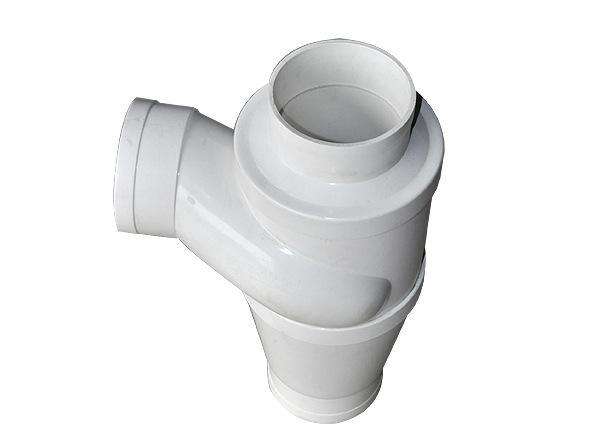
Ⅱ. Advantages and Disadvantages of Injection Molding for Pipe Production
1. Advantages
The biggest advantage of injection molding for water pipe production is its fast production speed, high production efficiency, and short production cycle. For water pipe manufacturers with high production cost requirements, injection molding can bring many benefits. In addition, injection molding technology can produce water pipes in many different shapes, sizes, and colors, making it suitable for flexible production of a variety of water pipe products.
(1) Super accurate: Injection molding can control the size and wall thickness of pipes very accurately, so the quality is always the same.
(2) Cost-effective: Once you design and optimize the mold, injection molding can make a lot of pipes quickly, so it’s a good way to make things without spending too much money.
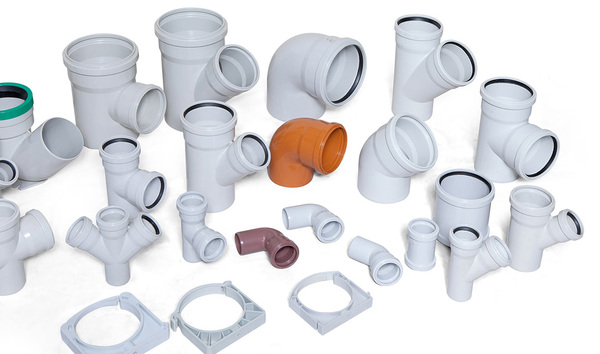
(3) Design freedom: Injection molding can make pipes with all kinds of shapes, like ones that get bigger or smaller, or ones that have extra stuff on them, so you can make pipes that do exactly what you want.
(4) Use less material: Injection molding can make pipes with less waste and use less material, so it’s a good way to make things without spending too much money.
2. Disadvantages
It can’t make some pipes that need different thicknesses. Injection molding production also relies heavily on molds, and when molds need to be replaced, it can cause downtime and higher costs. The manufacturing cost of injection molds is high, and once they’re made, they’re not easy to change, so they’re more suitable for mass production. Also, for large-diameter pipes, the production cost of injection molding is high.
Ⅲ. Common Materials for Plastic Pipes
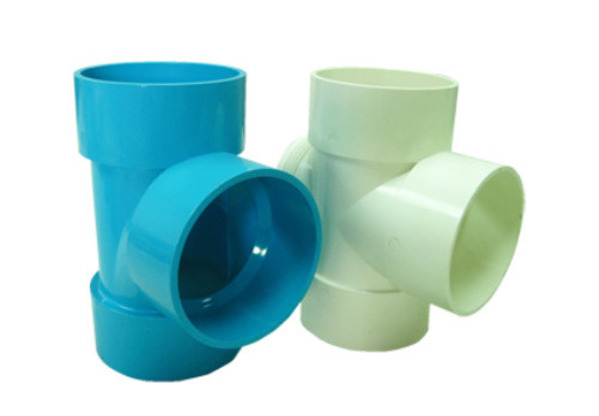
1. PVC Pipes
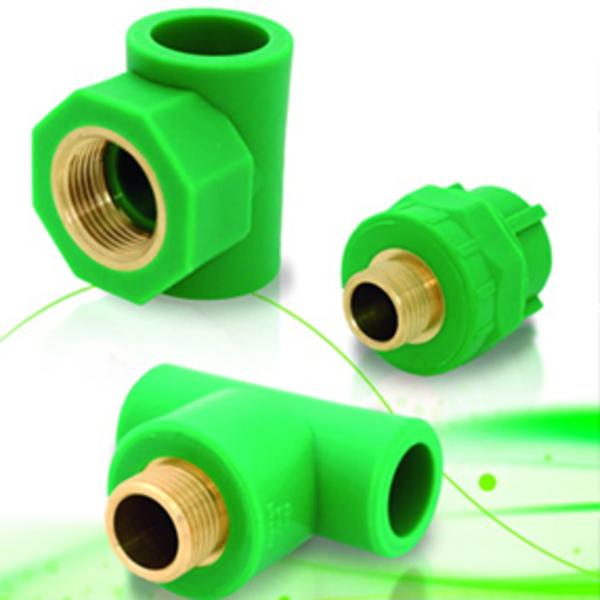
PVC pipes are a common material for plastic water pipes, with advantages such as lightweight and low price. They are commonly used in areas such as household water pipes and cable protection pipes. However, they are not strong in low-temperature resistance, prone to cracking, and have weak corrosion resistance.
2. PE Pipes
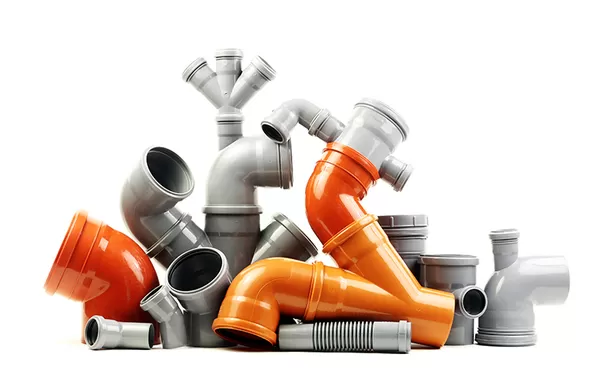
PE pipes are made of high-density polyethylene. They have advantages such as corrosion resistance, high temperature resistance, and pressure resistance. They are commonly used in areas such as water supply, drainage, and gas transportation. However, they lack hardness and are prone to aging due to environmental factors.
3. PP Pipes
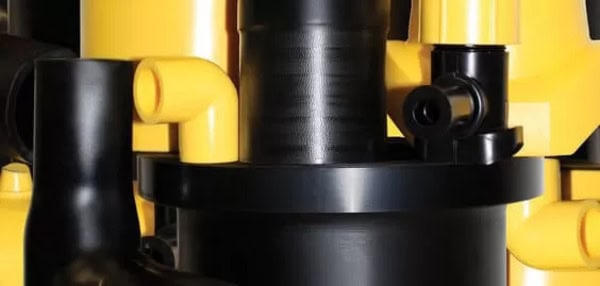
PP pipes, also known as polypropylene pipes, have advantages such as transparency, good toughness, pressure resistance, and acid and alkali resistance. They are commonly used in fields such as chemical and pharmaceuticals. However, their low-temperature resistance is weaker compared to PE.
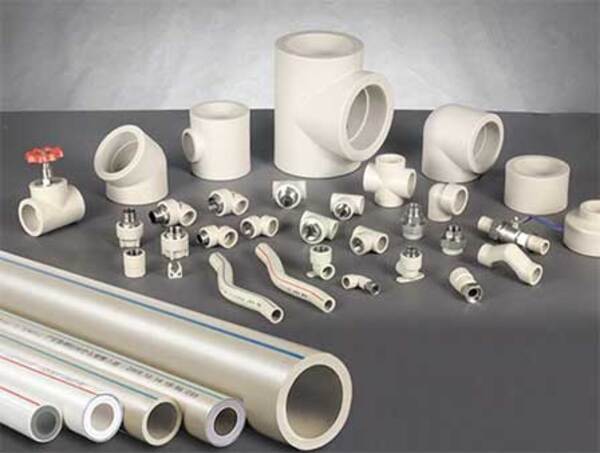
4. PB Pipes
PB pipes are made of polybutene and have advantages such as high temperature resistance, corrosion resistance, and antibacterial properties. They are commonly used in areas such as heating, gas, and air conditioning. However, they are relatively expensive compared to other plastic pipes.
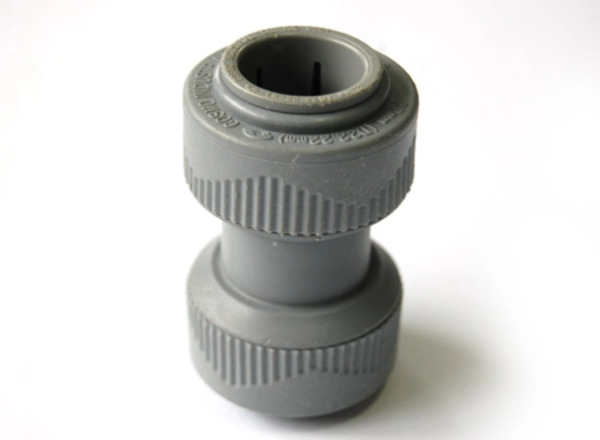
5. ABS Pipes
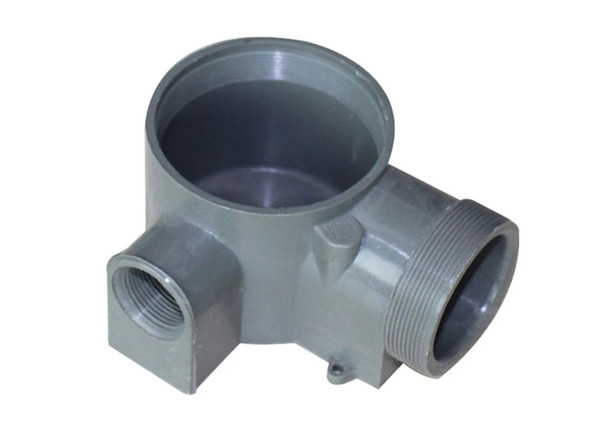
ABS pipes have many advantages, such as good rigidity, strong thermoplasticity, good impact resistance, light weight, and flame retardancy. They are widely used in industries such as chemistry, electronics, medicine, petroleum, and light industry. ABS pipes are suitable for a temperature range of -40°C to 70°C.
Ⅳ. Injection Molding Process
1. Injection Molding Process Flow
Injection molding is a widely used manufacturing process for producing plastic parts. Here is a detailed overview of the process:
1.1 Mold
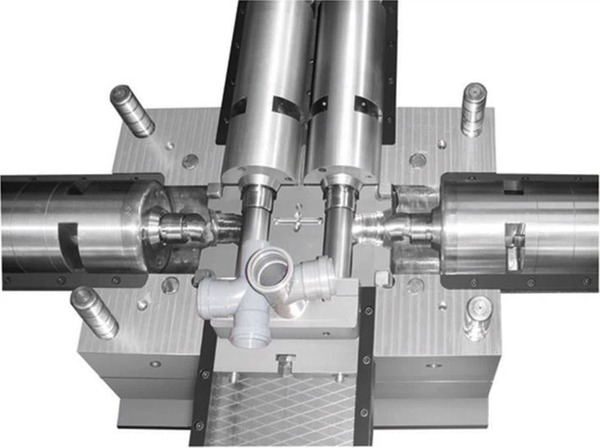
First, you need to make a mold (also called a tool). This is a metal mold cavity that’s been machined to make the plastic part you want. Molds are usually made of steel or aluminum so they’re the right size and shape.
1.2 Material Preparation
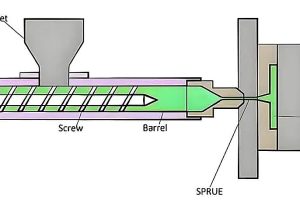
Plastic material, also known as resin, is prepared for injection. This usually involves drying the material to remove moisture. The resin is then fed into the injection molding machine through a hopper.
1.3 Injection
The injection molding machine shoots melted plastic into the mold through a sprue. The machine uses a screw or piston to push the plastic into the mold, filling it up to the right level.
1.4 Cooling
The plastic cools and hardens in the mold. This can take anywhere from a few seconds to several minutes, depending on the size and complexity of the part. Cooling is important because it determines the final dimensions and quality of the part.
1.5 Ejection
Once the plastic has cooled and hardened, the mold opens, and the part is popped out of the mold. The part is then taken out of the mold, and any extra stuff, like sprues and runners, is cut off.
1.6 Post-Molding Operations
The part might go through more steps, like cutting, grinding, or putting it together, to make it look and work the way we want.
2. Advantages and Disadvantages of Injection Molding
2.1 Advantages
(1) High Production Efficiency
Injection molds are made using injection molding machines, which allow for the production of large quantities of products in a short amount of time. Additionally, because injection molding can be automated and requires very little manual labor, production efficiency is greatly increased, resulting in higher production yields.
(2) High Product Accuracy
Making injection molds requires high precision, which means the products made with them are more accurate. The accuracy of the mold determines the accuracy of the product. The manufacturing precision of injection molds can reach the micron level, so the products made with them are high quality.
(3) Stable Product Performance
When you make stuff with injection molds, you can control how it turns out by changing the machine settings, the mold temperature, and other things. That way, you can make sure your stuff always turns out the same. Stuff made with injection molds is usually really tough and lasts a long time. It’s also good at not getting messed up by rust or other bad stuff.
(4) Wide Applicability
Injection mold manufacturing is suitable for businesses of all sizes and can produce a wide variety of products, from small parts to large industrial equipment. As a result, injection mold manufacturing has a broad range of uses and is a highly adaptable production method.
2.2 Disadvantages
(1) High Manufacturing Cost
Injection mold manufacturing is a big investment in manpower and resources, which leads to a longer manufacturing cycle and higher manufacturing costs. The manufacturing cost of injection molds also includes expenses such as mold design, manufacturing, and debugging, which are part of the manufacturing cost.
(2) Limited Applicability of Products
Injection molds are used to make products out of plastic, rubber, and other stuff that can be squished. But if you want to make something out of a special material or something that’s really complicated, it’s harder to make the mold and it costs more money.
(3) Difficulty in Mold Maintenance
Injection molds need to be positioned accurately. If the mold gets damaged or worn out, it’s hard to fix and might need to be replaced or made again. It’s also more expensive and takes more time to maintain the mold.
(4) High Investment Risk
Injection mold manufacturing requires a big upfront investment, including investment in machinery and equipment, manpower, and resources. For small and medium-sized enterprises, such investment risks are big, requiring a good grasp of market demand and production scale to ensure production efficiency.
3. Applications of Injection Molding
3.1 Automotive and Transportation
The car industry uses injection molding a lot to make car parts like dashboards, headlight lenses, inside parts, engine parts, body parts, and all kinds of pipes and fittings.
3.2 Electronics and Electrical
Yansir uses injection molding to make plastic parts for electronic devices like phone cases, sockets, wire insulation, and brackets for circuit boards.
3.3 Medical Devices
Medical instruments, syringes, infusion bags, and medical equipment housings are made using injection molding technology.
3.4 Home and Household Appliances
Injection molding is used to make chairs, tables, TV remote controls, appliance housings, faucets, bathroom accessories, and so on.
3.5 Consumer Goods
Injection molding is used a lot to make all kinds of things we use every day, like plastic bottles, toys, shoe soles, dishes, boxes, and stuff like that.
3.6 Aerospace
In the aerospace industry, injection molding is used to make parts for airplanes and spaceships, like seats, shells, tubes, and airplane insides.
3.7 Construction
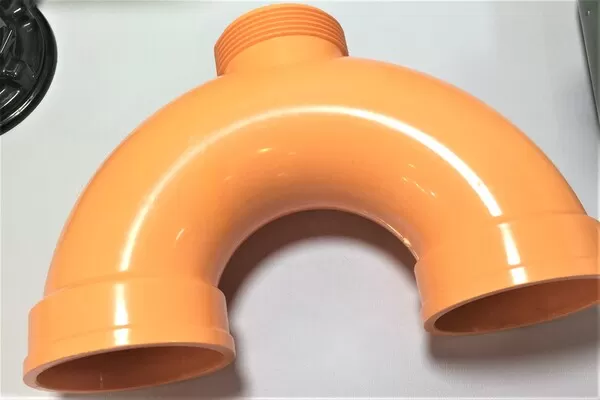
You can use injection molding to make building materials like PVC window frames, drainage systems, insulation materials, and pipes.
3.8 Packaging and Containers
You can use injection molding to make all kinds of packaging materials and containers, like plastic bottles, food boxes, cosmetic bottles, plastic bags, and so on.
3.9 Sports and Outdoors
Injection molding is used to make sports equipment, outdoor gear, and accessories like skis, bike parts, outdoor shoe soles, and swim goggles.
3.10 Textiles and Clothing
You can use injection molding to make clothing accessories, zippers, buttons, and other plastic parts that have to do with textiles.
Ⅴ. Conclusion
Injection molding is great for making complicated shapes with high precision, but it’s not so good for making plastic pipes. Unlike solid parts, pipes have to be hollow all the way through, with the same thickness and diameter all the way along. There are technical reasons why you can’t do this with injection molding.
So, to sum it up, you can make plastic pipes with injection molding machines. But you have to think about a lot of things to make it work. You have to pick the right material, design the mold right, get the process right, and make sure the pipe will work for what you want to use it for. If you can figure all that out, you can make some cool pipes with injection molding.
Need a Quote for Your Injection Molding Project?
Get competitive pricing, DFM feedback, and production timeline from ZetarMold’s engineering team.
Request a Free Quote → See our Injection Molding Complete Guide for a comprehensive overview.



 EN
EN  ES
ES  FR
FR  DE
DE  PT
PT  AR
AR  RU
RU  JA
JA  KO
KO  IT
IT  NL
NL  TR
TR  PL
PL