 Skip to content

- Iran’s injection molding industry has grown significantly, driven by domestic demand in automotive, packaging, home appliances, and construction sectors.
- The top Iranian injection molding companies combine local manufacturing expertise with imported European and Asian machinery and mold technology.
- Key evaluation criteria for Iranian injection molding suppliers include production capacity, certifications (ISO 9001, ISO 22000), material expertise, and export capabilities.
- Iran’s strategic location provides logistical advantages for serving Middle Eastern, Central Asian, and CIS markets.
- When comparing Iranian suppliers with international alternatives like Chinese manufacturers, factors such as lead time, technical capabilities, and total cost of ownership matter most.
- Zetar provides a competitive alternative for buyers seeking injection molding partners with broader technical capabilities and international quality standards.
Why Is Iran’s Injection Molding Industry Worth Paying Attention To?
Iran’s plastic injection molding1 industry has experienced remarkable growth over the past two decades, establishing the country as an important manufacturing hub in the Middle East and Central Asian region. With a domestic population exceeding 85 million people and a diversified industrial base spanning automotive, petrochemicals, packaging, and consumer goods, Iran has developed a substantial injection molding sector that serves both domestic and regional markets.
At Zetar, we have worked with clients from across the Middle East and understand the manufacturing landscape in this region well. Iran’s injection molding industry benefits from several structural advantages: access to competitively priced petrochemical raw materials (Iran is among the world’s top producers of polyethylene and polypropylene), a large pool of technically trained engineers and workers, and growing domestic demand from a modernizing consumer market.
The Iranian government has actively supported the plastics industry through investment incentives and technology transfer programs, leading to the establishment of modern manufacturing facilities equipped with European and Asian injection molding machinery. Today, Iran’s injection molding sector includes companies capable of producing parts for demanding applications in automotive, medical, and electronics sectors — though the range of capabilities varies significantly between companies.

Which Are the Top 5 Injection Molding Companies in Iran?
Based on extensive industry research, production capacity, technical capabilities, and market reputation, here are the top five injection molding companies operating in Iran. Each company has established itself through years of consistent quality and service to both domestic and international customers.
| Rank | Company Name | Year Founded | Employees | Key Specializations | Notable Certifications |
|---|---|---|---|---|---|
| 1 | Poolad Industrial Group | 1981 | 500+ | Injection molding machines, PET preforms, thin-wall packaging, industrial plastic products | ISO 9001 |
| 2 | Iran Plast | 2002 | 100–199 | Packaging products, laminated products, rubber sheets, industrial parts | ISO 9001 |
| 3 | Baspar Plastics Pars | 2001 | 100–199 | Packaging systems, bottles, closures, injection-molded parts | ISO 9001, ISO 22000, FDA, Sedex |
| 4 | Jahadin Parand | 2000 | 100–199 | Automotive parts, auxiliary parts, blow molding | ISO 9001, TS 16949 |
| 5 | Artak Machine | 1991 | 50–99 | Injection molding machines, auxiliary equipment, PET blowing machines | ISO 9001 |
Let me provide a deeper look at each of these companies based on what makes them stand out in Iran’s competitive injection molding market.
What Makes Poolad Industrial Group the Leading Player in Iran?
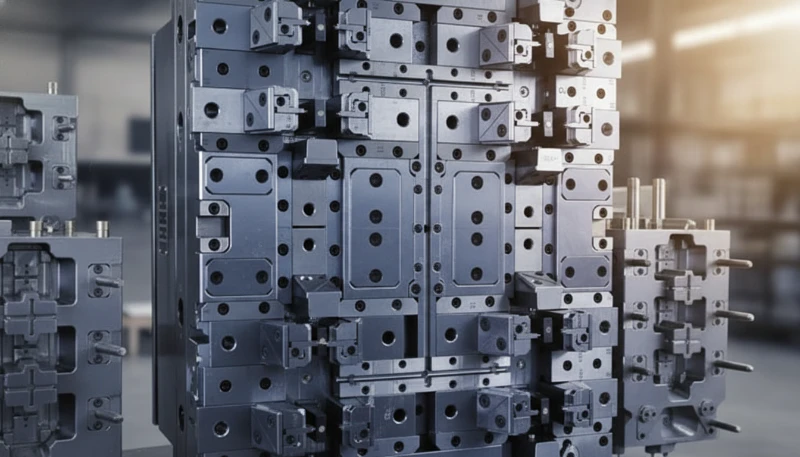
Poolad Industrial Group stands as Iran’s most prominent injection molding company, with a history spanning over four decades since its founding in 1981 by Mr. Sirus Bakhtiari. The company has grown into a comprehensive industrial group with four subsidiaries and over 500 employees, making it the largest injection molding operation in Iran by both workforce size and production capacity.
Poolad’s core business encompasses three main areas. First, they serve as the exclusive authorized distributor of Broche Machinery Co.’s injection molding machines in Iran, providing sales, installation, and technical support for these machines across the country. Second, they manufacture PET preforms and thin-wall packaging containers using IML (In-Mold Labeling) technology — a technically demanding process that requires precise molding control. Third, they produce heavy-duty industrial plastic products including pallets, plastic furniture, and industrial storage containers.
What distinguishes Poolad from other Iranian companies is their vertical integration — controlling both the machinery supply chain and end-product manufacturing gives them unique insight into process optimization. Their extensive experience with European machinery also means they maintain maintenance and calibration standards that align with international best practices.
However, it is worth noting that Poolad’s primary focus is on commodity products and machinery distribution rather than precision custom molding for specific client applications. For buyers needing highly customized mold design2 and engineering support, this distinction matters.

How Do Iran Plast, Baspar, Jahadin, and Artak Compare?
The remaining four companies in our top five each bring distinct strengths to Iran’s injection molding landscape. Understanding their individual specializations helps buyers identify the best match for their specific requirements.
Iran Plast (Founded 2002): With over 18 years of industry presence, Iran Plast has built a strong reputation as a versatile manufacturer and reliable supply chain partner. Their product range spans packaging products, laminated materials, rubber sheets, and industrial parts. Their strength lies in their extensive distribution network, which enables short delivery times across both domestic and international markets. Iran Plast focuses on innovation in materials and processes, continuously developing new solutions to meet evolving customer needs.
Baspar Plastics Pars (Founded 2001): Baspar stands out for having the most comprehensive certification portfolio among Iranian injection molding companies. Their ISO 9001, ISO 22000, FDA, and Sedex certifications position them for food-contact and safety-critical applications — a capability not all Iranian manufacturers can offer. They specialize in packaging systems, bottles, and closures using fully automated European machinery and molds. Their commitment to international quality standards makes them particularly suitable for buyers with strict regulatory compliance requirements.
Jahadin Parand (Founded 2000): Specializing in automotive injection molding3, Jahadin Parand has carved out a niche serving Iran’s significant automotive industry. Their ISO 9001 and TS 16949 certifications (the automotive industry quality standard) validate their capability for automotive-grade production. They operate blow molding capacity from 4 to 60 liters and injection molding machines from 160 to 800 tons clamping force, covering a wide range of automotive component sizes. Their expertise extends to office equipment, sports equipment, home appliances, and transportation products.
Artak Machine (Founded 1991): As one of Iran’s most experienced companies in the plastics machinery sector, Artak Machine has served the industry since 1991. They focus on importing and distributing injection molding machines, auxiliary equipment, and PET blowing machines. Beyond equipment supply, they provide comprehensive after-sales service including maintenance, installation, and technical support. Their deep understanding of machinery has made them a preferred partner for Iranian manufacturers looking to upgrade their production capabilities.
“All injection molding companies in Iran have the same technical capabilities and quality standards.”False
Iranian injection molding companies vary significantly in their technical capabilities, certifications, and quality standards. Some, like Baspar Plastics Pars, hold multiple international certifications including FDA and ISO 22000, while others focus primarily on commodity products or equipment distribution. Buyers must evaluate each company individually based on specific project requirements.
“Each top Iranian injection molding company has distinct specializations, and the best choice depends on your specific industry, volume, and quality requirements.”True
Poolad excels in industrial products and machinery, Baspar in certified food-grade packaging, Jahadin in automotive parts, and Iran Plast in versatile packaging solutions. Matching company specialization to project requirements is essential for successful outcomes.
What Factors Should You Consider When Choosing an Iranian Injection Molding Partner?
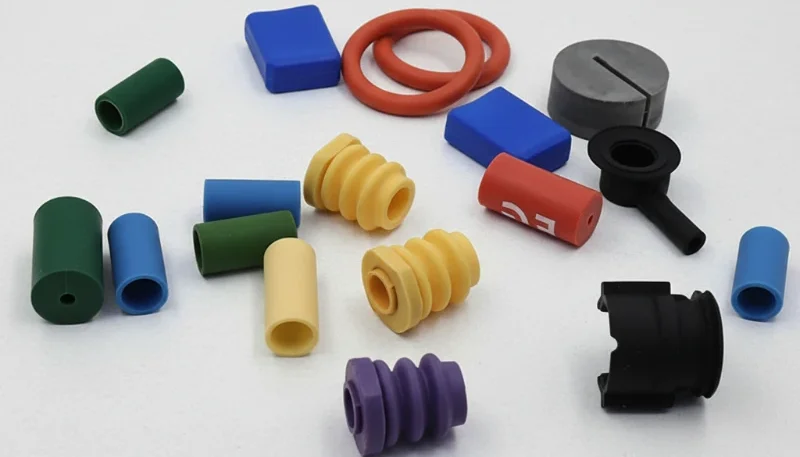
Selecting the right injection molding partner in Iran requires evaluating several critical factors beyond just pricing. Based on our experience at Zetar helping international clients navigate manufacturing partnerships, here are the key evaluation criteria:
Technical Capability Assessment:
- Machine tonnage range and brands (European machines generally indicate higher precision capability)
- Mold design and manufacturing capability (in-house vs. outsourced)
- Materials expertise — can they process engineering resins beyond basic PE and PP?
- Secondary operations (assembly, printing, surface treatment)
Quality System Evaluation:
- ISO 9001 certification is the minimum baseline
- Industry-specific certifications (TS 16949 for automotive, ISO 13485 for medical, ISO 22000 for food contact)
- Inspection equipment (CMMs, optical comparators, material testing)
- Documented quality control procedures and traceability systems
Communication and Project Management:
- English language capability for international projects
- Responsiveness and transparency in project communications
- DFM review and engineering support capability
Logistics and Supply Chain:
- Export experience and documentation capability
- Shipping routes and lead times to your market
- Raw material sourcing reliability (sanctions-related considerations may apply)
It is important to note that international trade with Iranian companies may be subject to sanctions regulations depending on your country. Always consult with trade compliance advisors before engaging with Iranian manufacturers.
How Does Zetar Compare as an Alternative Injection Molding Partner?
While Iran’s injection molding companies serve important roles in their regional markets, international buyers often benefit from comparing them with established manufacturers in other major production hubs — particularly China, which produces approximately 40% of the world’s injection molds.
At Zetar, we offer several advantages that complement or compare favorably with Iranian manufacturers:
| Evaluation Criteria | Typical Iranian Companies | Zetar (China) |
|---|---|---|
| Machine Range | 160–800 tons (varies by company) | 90–1,800 tons (30+ machines) |
| Mold Design Capability | Limited in-house; often imported molds | Full in-house design with Moldflow analysis |
| Certifications | ISO 9001, some with TS 16949 or FDA | ISO 9001, ISO 13485, IATF 16949 |
| Material Expertise | Primarily commodity resins (PE, PP, PS) | Full range including PC, PEEK, LCP, silicone |
| Export Experience | Regional (Middle East, Central Asia) | Global (30+ countries, all continents) |
| English Communication | Variable | Dedicated English-speaking project managers |
| Lead Time (Mold) | 6–12 weeks typical | 4–8 weeks typical |
| Trade Restrictions | Subject to international sanctions | No trade restrictions for most markets |
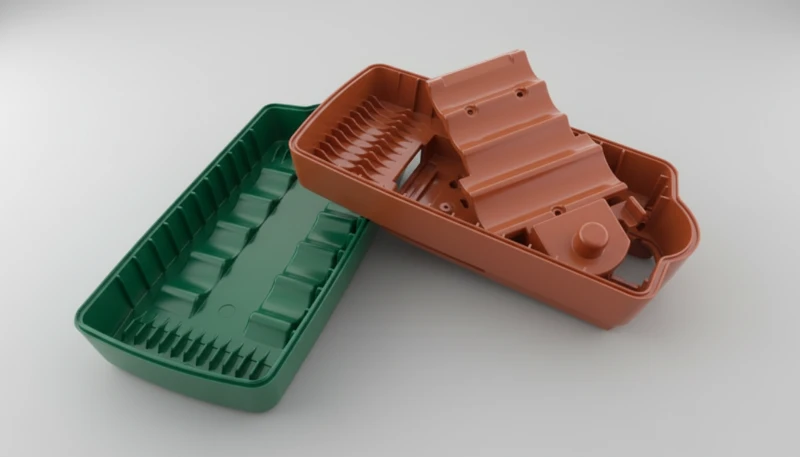
Our global experience across automotive, medical, consumer electronics, and industrial applications means we can handle complex multi-material molds, tight-tolerance precision parts, and high-volume production4 runs that may exceed the capabilities of some Iranian manufacturers.
“Choosing a local supplier is always better than working with an international manufacturer.”False
While local suppliers offer advantages in logistics and communication, international manufacturers may provide superior technical capability, broader material expertise, more certifications, and better pricing for complex or high-volume projects. The optimal choice depends on the specific project requirements, volume, complexity, and quality standards needed.
“The best injection molding partner — whether Iranian or international — is the one whose specific capabilities, quality standards, and communication practices best match your project’s unique requirements.”True
Successful manufacturing partnerships are built on alignment between the buyer’s requirements and the supplier’s strengths. Evaluating each option against specific technical needs, quality requirements, volume expectations, and logistical constraints ensures the best outcome regardless of geographic location.
Frequently Asked Questions (FAQ)
What types of plastic products are most commonly produced by Iranian injection molding companies?
Iranian injection molding companies primarily produce packaging products (containers, bottles, caps, closures), automotive components (interior panels, bumper parts, clips), household goods (furniture, storage containers, kitchen items), and industrial products (pallets, crates, pipe fittings). The packaging and automotive sectors represent the largest portions of Iran’s injection molding output.
Are there any trade restrictions when sourcing injection molded products from Iran?
Yes, international trade with Iranian companies may be subject to sanctions imposed by the United States, European Union, and other jurisdictions. These restrictions vary by country and can affect financial transactions, shipping, and specific product categories. Always consult with a trade compliance advisor or legal counsel familiar with current sanctions regulations before engaging with Iranian manufacturers.
What raw materials do Iranian injection molding companies typically use?
Iranian companies primarily work with commodity resins including polyethylene (PE), polypropylene (PP), polystyrene (PS), and PET — materials that benefit from Iran’s strong domestic petrochemical industry. Some companies also process ABS, PVC, and other engineering plastics, though the range of specialty materials available may be more limited compared to manufacturers in China, Europe, or the United States.
How do lead times from Iranian manufacturers compare to Chinese suppliers?
Mold manufacturing lead times from Iranian companies typically range from 6 to 12 weeks, depending on complexity. Chinese manufacturers like Zetar often achieve shorter lead times of 4 to 8 weeks due to larger engineering teams, more advanced CNC equipment5, and established supply chains for mold steel and components. For production parts, lead times are comparable once molds are completed.
Can Iranian injection molding companies handle medical or food-grade production?
Some Iranian companies, notably Baspar Plastics Pars with its FDA and ISO 22000 certifications, are certified for food-contact production. However, medical device manufacturing under ISO 134856 is less common among Iranian injection molding companies. For medical-grade production, international manufacturers with dedicated clean room facilities and medical certifications7 may be more suitable options.
Summary
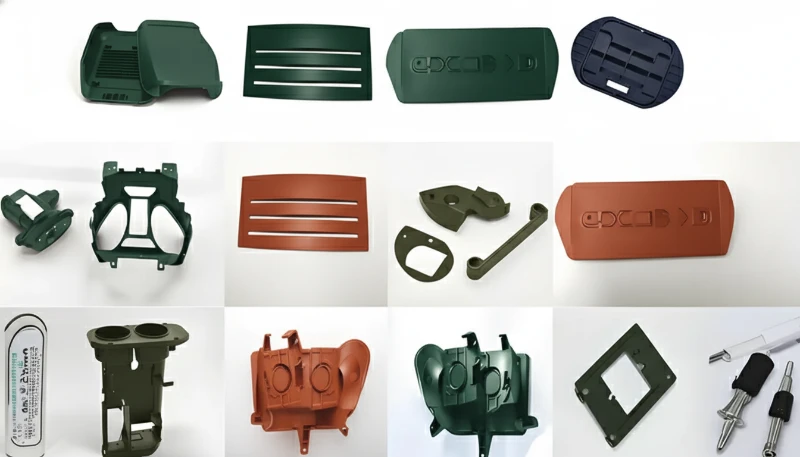
Iran’s injection molding industry has developed into a significant regional manufacturing force, led by established companies like Poolad Industrial Group, Iran Plast, Baspar Plastics Pars, Jahadin Parand, and Artak Machine. Each company brings distinct strengths — from Poolad’s unmatched scale and vertical integration to Baspar’s comprehensive food-grade certifications and Jahadin’s automotive expertise.
For international buyers evaluating Iranian injection molding companies, the key is matching specific project requirements with each company’s capabilities while being mindful of trade compliance considerations. And for projects requiring broader technical capabilities, advanced mold design engineering, or global-standard certifications across multiple industries, manufacturers like Zetar provide competitive alternatives with proven track records serving clients worldwide.
Whether you are exploring Iranian suppliers, Chinese manufacturers, or a combination of both, the goal is the same: finding a partner whose capabilities align precisely with your product requirements, quality standards, and business objectives. Contact Zetar for a free consultation to discuss your injection molding project needs. See our Supplier Sourcing Guide for a comprehensive overview.
-
Injection Molding: A manufacturing process in which molten plastic is injected under high pressure into a mold cavity, cooled to solidify, and ejected as a finished part. It is the world’s most widely used process for high-volume plastic part production. ↩
-
Mold Design: The engineering process of designing injection molds including cavity geometry, runner systems, cooling channels, and ejection mechanisms. Expert mold design is critical for part quality, production efficiency, and mold longevity. ↩
-
Automotive Injection Molding: The specialized application of injection molding for producing automotive components including interior panels, exterior trim, under-hood parts, and structural components. Automotive molding requires strict adherence to IATF 16949 quality standards. ↩
-
High-Volume Production: Manufacturing runs typically exceeding 100,000 parts where tooling investment, cycle time optimization, and process consistency become critical factors. Multi-cavity molds and automated production cells are standard for high-volume injection molding. ↩
-
CNC Equipment: Computer Numerical Control machining systems used to produce precision mold components with tolerances as tight as ±0.005 mm. Modern 5-axis CNC machines enable complex cavity geometries that were previously impossible to manufacture. ↩
-
ISO 9001 Quality Management: An international standard specifying requirements for quality management systems, widely adopted by injection molding manufacturers to ensure consistent product quality and continuous improvement. ↩
-
ISIRI Standards: The Institute of Standards and Industrial Research of Iran (ISIRI) sets national industrial standards that govern manufacturing quality, including plastic product specifications and testing methods. ↩
Need a Quote for Your Injection Molding Project?
Get competitive pricing, DFM feedback, and production timeline from ZetarMold’s engineering team.
Request a Free Quote → See our Supplier Sourcing Guide for a comprehensive overview.



 EN
EN  ES
ES  FR
FR  DE
DE  PT
PT  AR
AR  RU
RU  JA
JA  KO
KO  IT
IT  NL
NL  TR
TR  PL
PL 