 Skip to content

Acrylic, better known as polymethyl methacrylate (PMMA), is a multi-purpose plastic material renowned for its remarkable transparency and high impact resistance.
It’s ability to be injection molded into complex shapes makes it an ideal choice for injection molding operations used in the production of consumer goods, medical devices, optical components and much more!
Thanks to acrylic’s excellent mechanical properties – we benefit from crystal clear windows panes or lenses with exceptional durability.

1. What is injection molding?
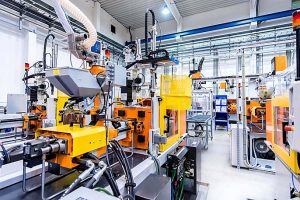
Injection molding is an exceptional manufacturing process, allowing the transformation of molten plastic material into complex and intricate parts with precision accuracy.
This efficient procedure yields high-quality results that can vary from simple to multi-component assemblies made out of specialized acrylics.

2. Why acrylic is well-suited to the injection molding process?
With its impressive melting point, this material is an invaluable asset for injection molding due to the extreme temperatures of the process without suffering any degradation or decomposition.
1) Acrylic injection molding offers unparalleled performance when it comes to accuracy, reliability and thermal stability.
With its low coefficient of thermal expansion, exact dimensions can be reliably maintained during the entire cooling process – allowing you to achieve maximum precision from every molded part.
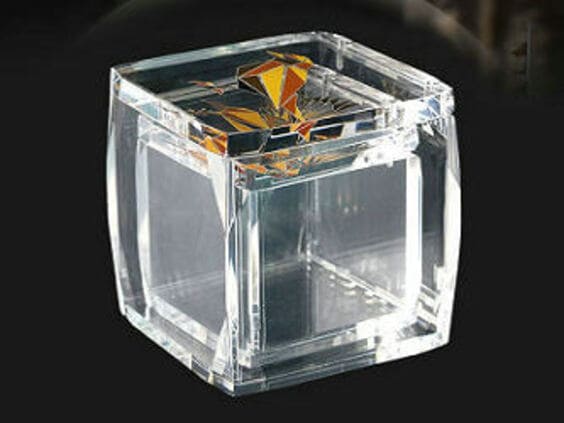
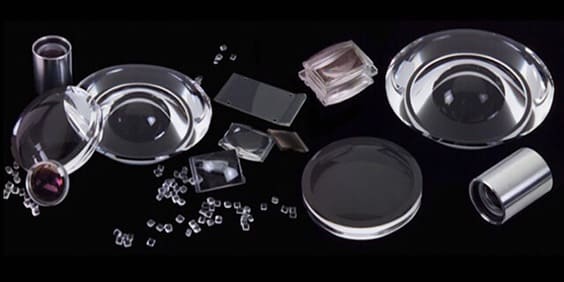
2) Acrylic stands out among a variety of materials due to its superior clarity and transparency, providing remarkable results in the production of lenses, lighting fixtures, windows and other products that require visibility.
Its resistance to UV radiation allows Acrylic’s use even outdoors – making it an optimal choice for many businesses seeking reliable performance during all weather conditions.

3) Acrylic sheet is a versatile and low-cost option for many applications, due to its easy processability.
It can be molded into complex forms by virtue of its low melting point and viscosity – allowing it to flow effortlessly through the mold cavities without costly tooling or specialized processing techniques.
4) Injection molding acrylic stands apart from traditional manufacturing processes.
Its ability to deliver intricate shapes with pinpoint accuracy, coupled with its automated and speedy production capabilities make it an ideal choice for high-volume productions – ensuring both the quality of designs as well as cost effectiveness.
3. What are the challenges when injection molding acrylic?
With injection molding of acrylic acid, one must contemplate several obstacles to ensure a successful process.
To achieve the desired results, it is imperative that these challenges are thoroughly considered and addressed.
One of the key challenges is its sensitivity to moisture
Acrylic’s hygroscopic properties make it particularly susceptible to post-processing defects such as warping and shrinkage.
To ensure successful injection molding, the material must be dried beforehand using a desiccant dryer or oven.
Additionally, employing an appropriate machine with moisture inhibiting capabilities can help prevent further exposure of acrylic during the process itself.
Another challenge of injection molding acrylic is its tendency to warp or shrink during the cooling process
Acrylic has noteworthy temperature-induced expansion and contraction, which can cause significant accuracy issues in parts formed by injection molding.
To avoid this problem when working with acrylic plastics, one must pay careful attention to the heat deflection temperature of both the mold cavity as well as material being injected, while also utilizing a time efficient cooling system that quickly lowers plastic temperatures.
When managed properly during production processes, these steps help ensure desirable dimensional consistency across injection molded products.

Conclusion
Thanks to its impressive set of optical and mechanical characteristics, molten acrylic is one of plastic manufacturing’s most popular materials.
Injection molding processes further elevate the performance capabilities that this material offers; making it an ideal choice for many different types of projects.
Need a Quote for Your Injection Molding Project?
Get competitive pricing, DFM feedback, and production timeline from ZetarMold’s engineering team.
Request a Free Quote → See our Injection Molding Complete Guide for a comprehensive overview.



 EN
EN  ES
ES  FR
FR  DE
DE  PT
PT  AR
AR  RU
RU  JA
JA  KO
KO  IT
IT  NL
NL  TR
TR  PL
PL 